
 English
  Polski
  Deutsch
  Nederlands
  Svenska
  Norsk
Norsk  Dansk
Dansk  Français
  Italiano
  Español
  Português
  Slovenčina
  Suomi
Suomi  Gaeilge
 Forget Weeding Five Wild Plants That Smother Weeds and Lift the Garden’s Mood
Weeds in the yard don’t have to be just a problem that regularly forces you to kneel in the beds with a hoe. Natural, wilder gardens are becoming ever more popular, where “mess” turns into a considered, living planting scheme. The principle is simple: choose resilient species that quickly cover the soil, compete with unwanted plants, and at the same time provide flowers for honeybees, bumblebees, and butterflies. Give them the right spot and, within a season, they can transform an unsightly corner into a blooming oasis.
Common yarrow as a sun-loving survivor
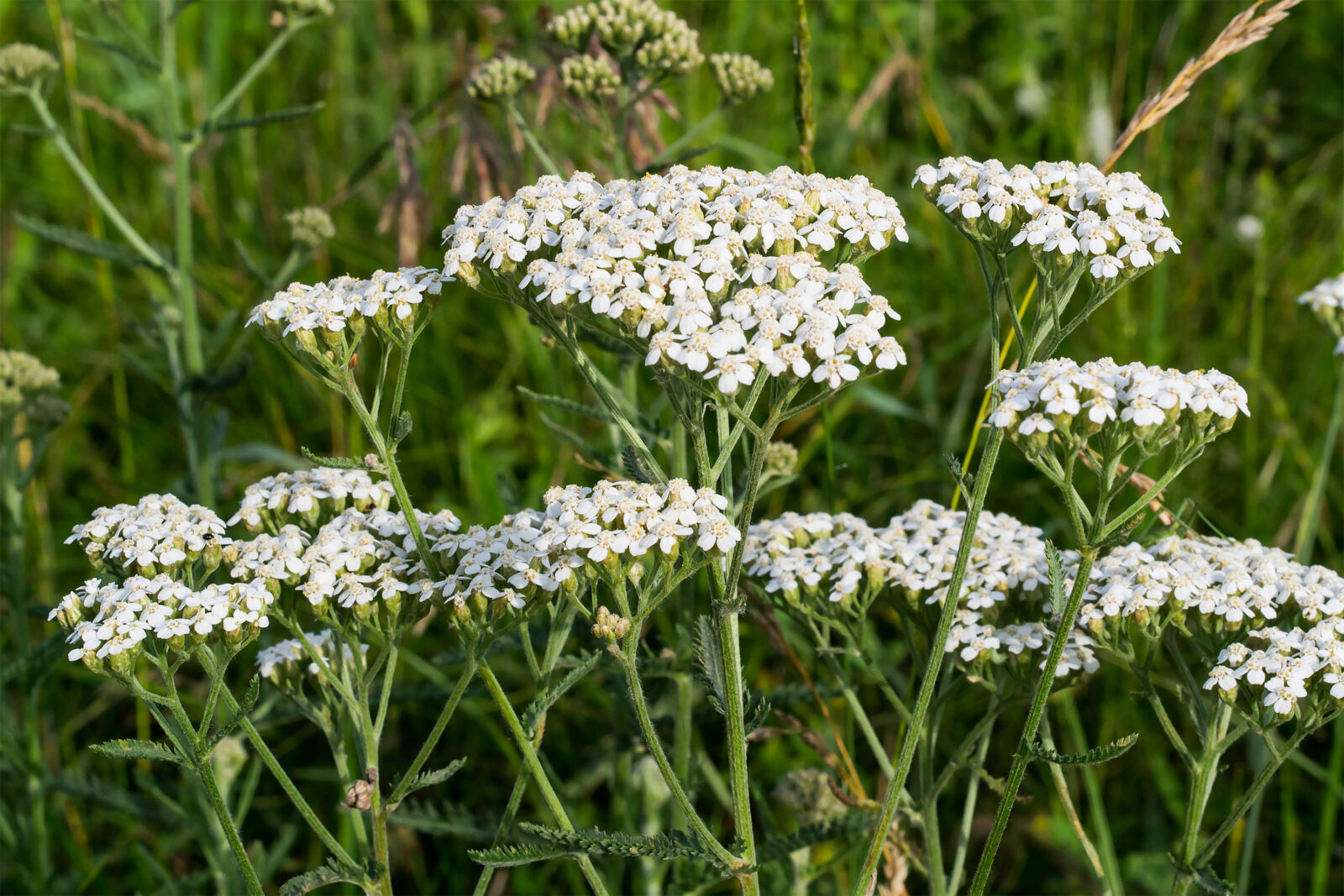
Do you have a dry, stony spot where the sun beats down from morning to evening and ordinary perennials quickly give up without water? Common yarrow (Achillea millefolium) copes with those conditions surprisingly well. It forms low, dense mats of finely cut foliage that cover the soil so thoroughly that other weeds struggle to push through.
It flowers for a long time, usually from June through September, producing flat-topped clusters. Besides the traditional white, you can also find cultivars in salmon, rich yellow, or brick-red shades. It’s ideal by south-facing walls, on dry banks and rock edging, and in poorer, sandy soils.
Meadow cranesbill as dependable ground cover for part shade
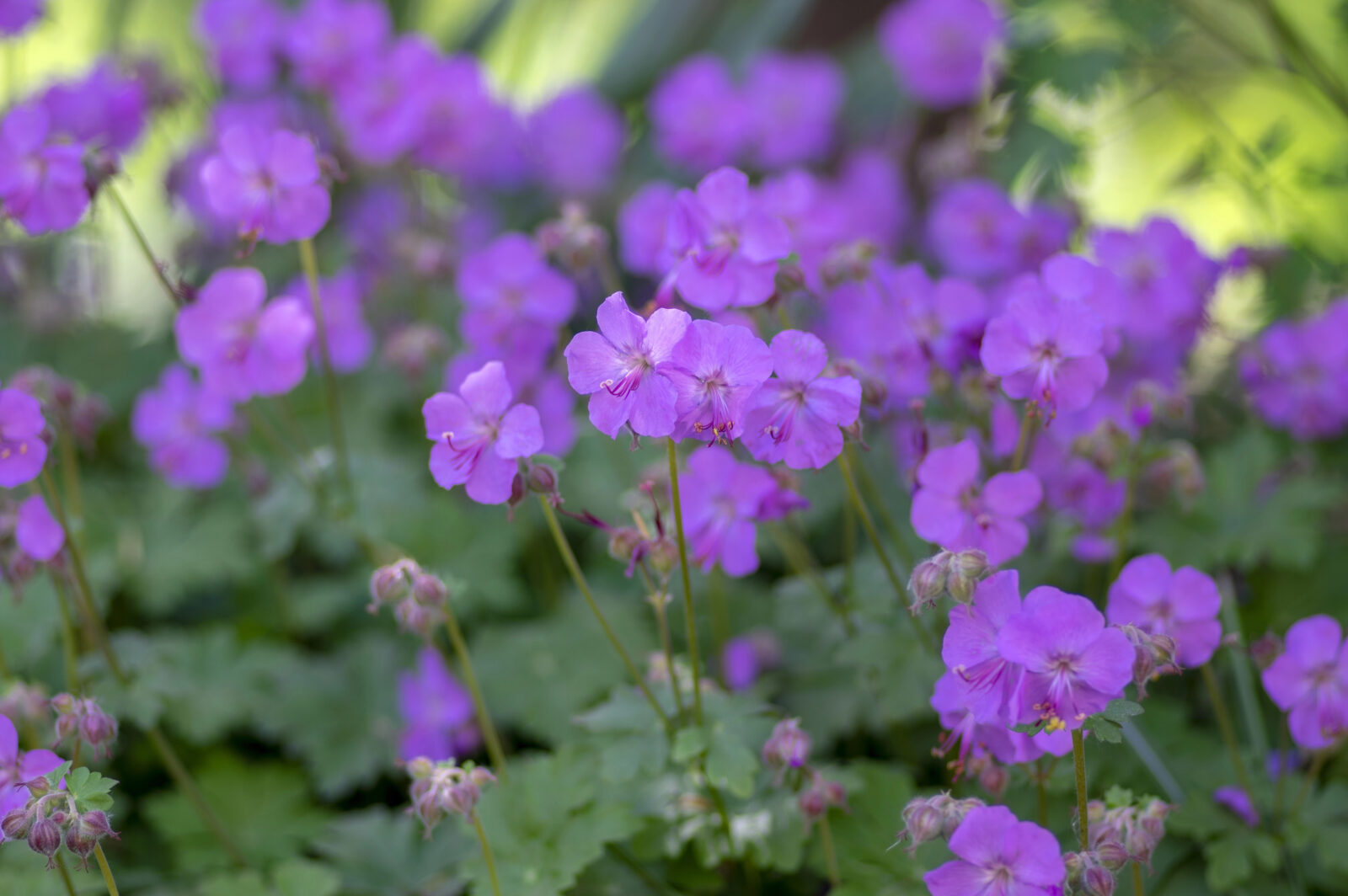
Under trees, by a fence, or beside the compost heap you often get part shade and, quite often, higher moisture too. That’s exactly where nettles can take over. Meadow cranesbill (Geranium pratense) is a great choice if you want to green up the ground quickly and “close it in” so weed seeds don’t stand a chance. It spreads into sturdy clumps and creates a continuous cover that naturally shades the soil.
In summer it rewards you with masses of small blue-violet or pink flowers. In autumn the leaves often colour up in bronze and red tones, so it stays attractive even after flowering. It does best in slightly damper, part-shaded corners, for example under tree canopies or along fences.
Lamb’s ear and its soft silver carpet
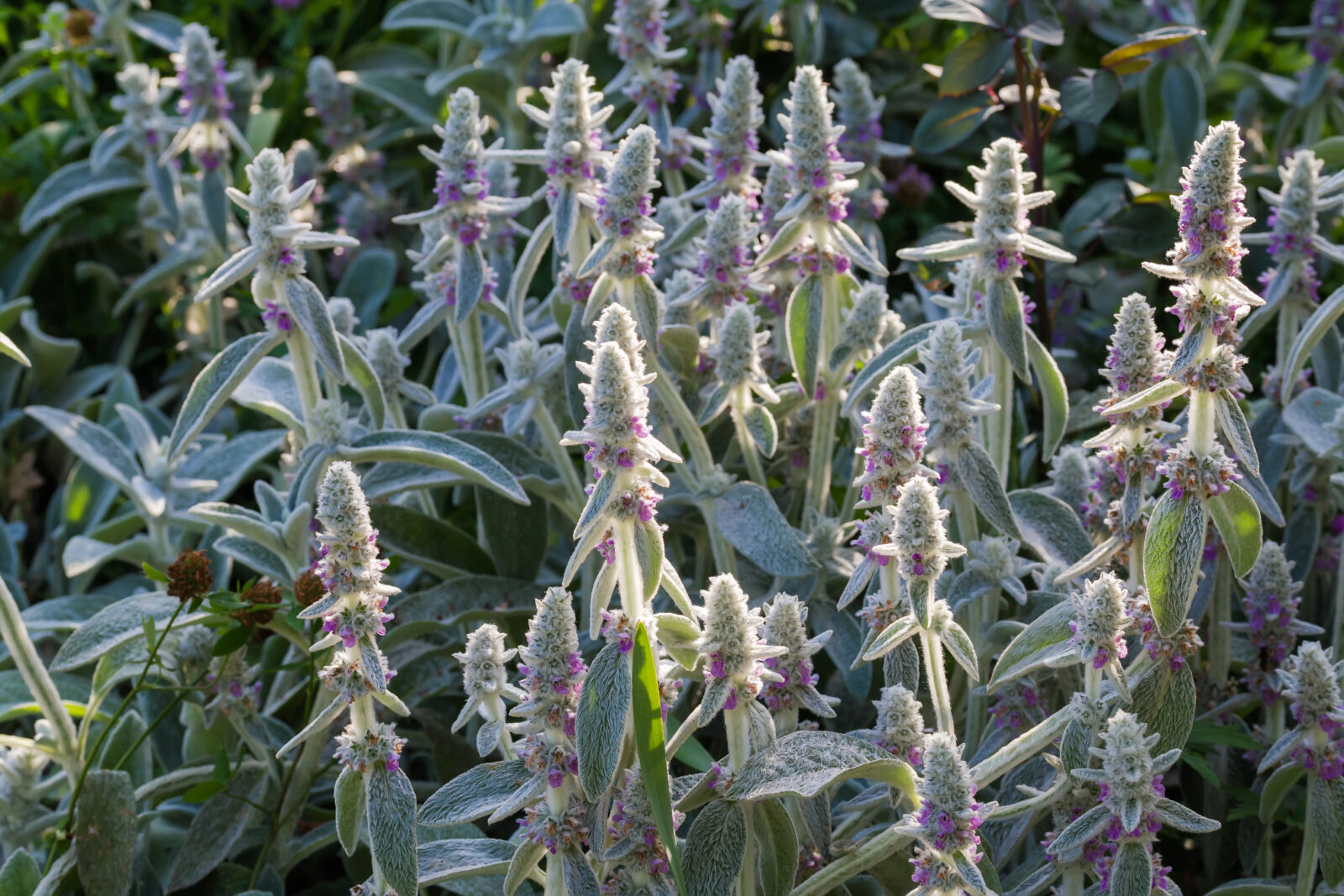
Lamb’s ear (Stachys byzantina) is known to many people by its nickname for good reason. The leaves are densely felted, silvery grey, and velvety to the touch. Its big advantage is its ability to form a very compact, difficult-to-penetrate mat that can suppress even more persistent weeds.
The silver colour also visually brightens spots that feel dull or dark. In summer it sends up taller spikes with purple flowers that strongly attract bumblebees. Plant it along path edges, on dry slopes, and in sunny positions with leaner soil.
Field poppy for wild summer romance
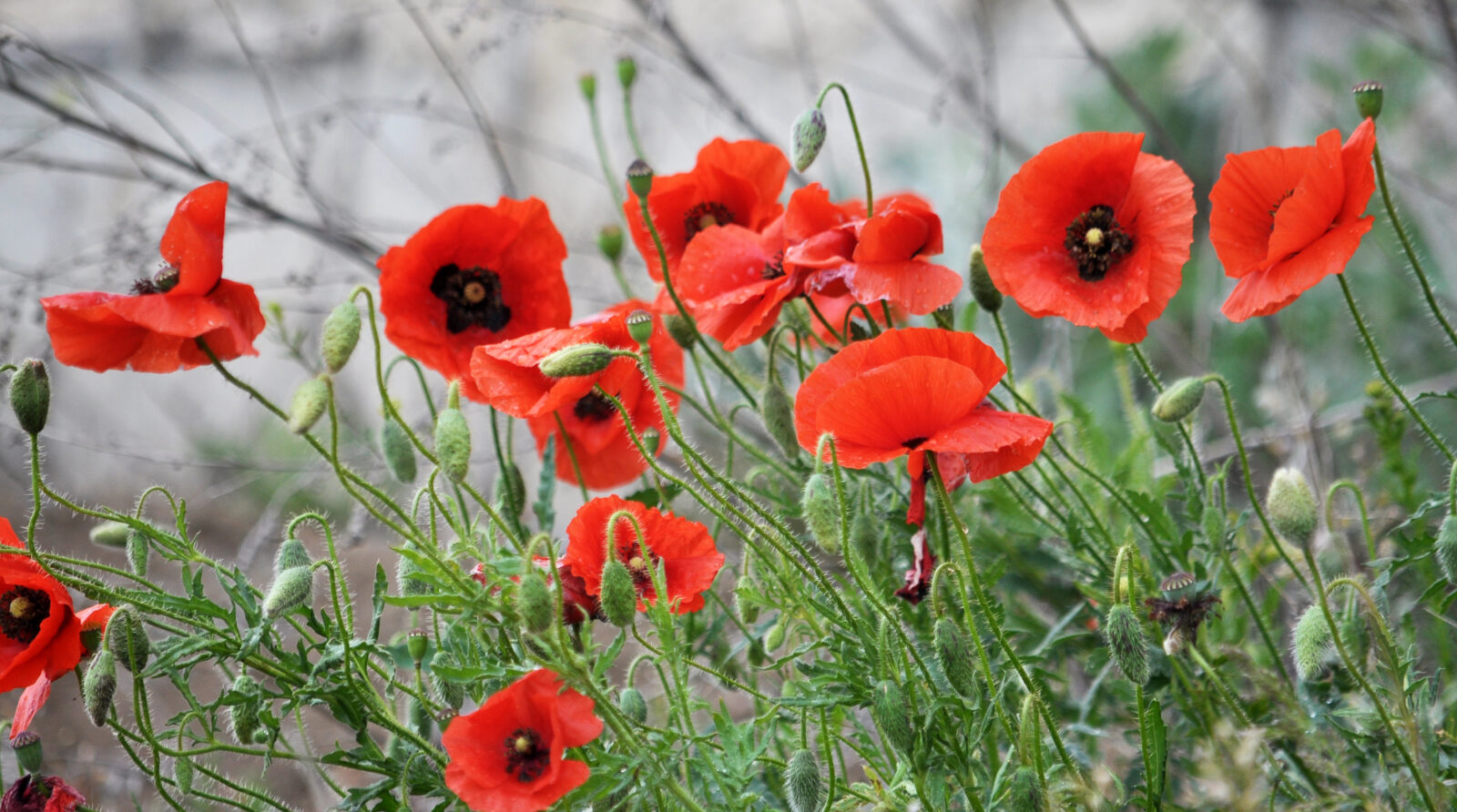
If you have a newly disturbed patch of soil, an empty area after building work, or a part of the garden where only inconspicuous weeds have been hanging on, field poppy (Papaver rhoeas) can help. It’s a classic pioneer plant that loves freshly disturbed ground and quickly colonises open spaces. Simply scatter the seed in spring or autumn and let nature do the work.
Its fiery red flowers look untamed and airy, like a piece of meadow carried into the garden. After flowering, decorative seed pods remain, which also work nicely in dried arrangements. It suits property edges, banks, unmanaged strips, and anywhere you want a natural meadow feel.
Common mallow as a tall screen along the fence
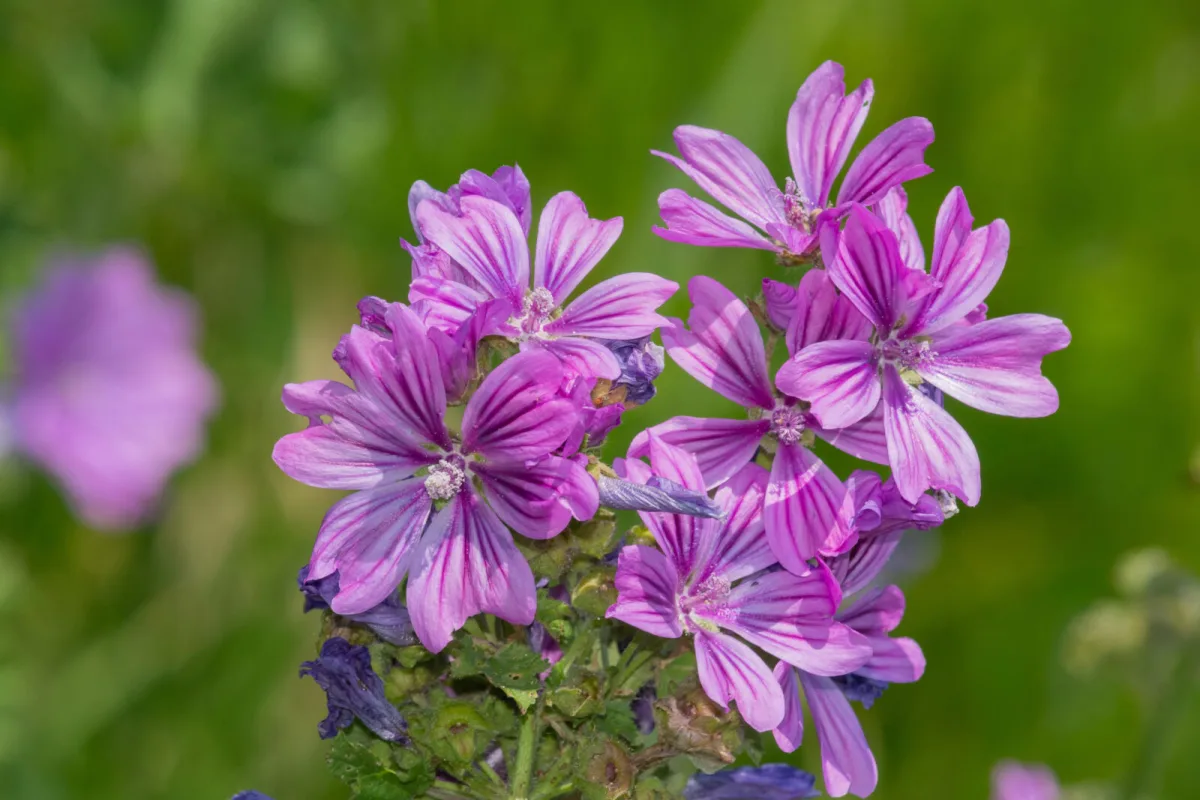
Need to quickly disguise an old fence, an unattractive shed wall, or even stored pallets? Common mallow (Malva sylvestris) is a wild biennial to short-lived perennial that can grow to well over 1 m. It has sturdy stems and large leaves, so it works as a green screen.
From early summer into autumn it produces large numbers of showy flowers with deep purple veining. They look a bit like an exotic hibiscus, yet it’s a tough, low-maintenance plant. Plant it toward the back of borders, by walls and fences, or anywhere you want extra height and vertical structure.
A weekend method for creating a wild corner
You don’t have to dig over half the yard at once. Choose a clearly defined spot, for example a strip along the fence or a corner by the garden shed. Loosen the soil roughly as a one-off and remove the biggest clumps of grass and the obvious roots of perennial weeds. Then plant so the species help each other: put meadow cranesbill in part shade, common yarrow and lamb’s ear in full sun, you can sow field poppy onto more open disturbed patches, and add common mallow at the back.
Temporarily cover the bare gaps between young plants with bark or fine gravel until the planting thickens up. Once the individual plants knit together into a continuous cover, weeds will break through far less, and the corner will start to look cared for, even while staying naturally wild.
Source: Urob si sám, The Spruce, Pestrazahrada.cz

A lover of nature, gardens, and everything that moves, blooms, or grows. He literally grows everything, from herbs to rare species, and he enjoys caring for animals just as much. In his work, he connects modern technology with tried-and-tested grandmotherly methods and is happy when both paths lead to the same goal.
Related articles
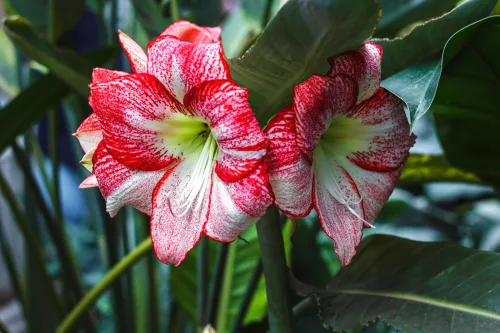
The Christmas Amaryllis That Can Bloom for Years but Most People Throw It Away After Flowering
Hippeastrum is a spectacular winter-blooming bulb that, with the right care, will flower again year after year. Learn how to plant it correctly, look after it after flowering, and bring it into dormancy so it reliably reblooms.
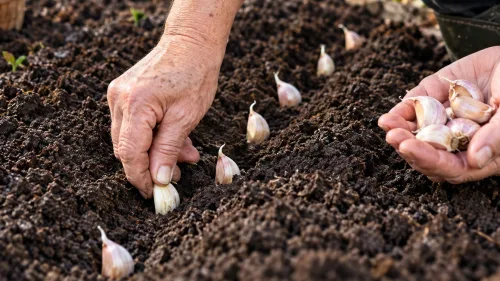
How to Grow Winter Garlic for a Much Bigger Harvest
Autumn planting is the key to strong, healthy winter garlic, but the details make all the difference. With the right timing, bed choice, seed-clove treatment and a simple bicarbonate trick, you can noticeably boost yield.
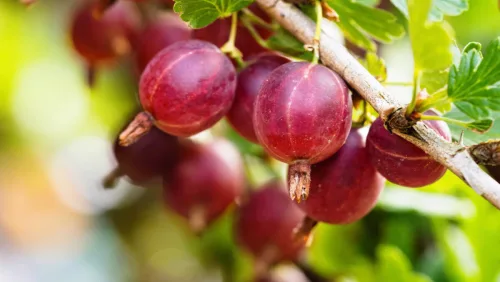
A tree or shrub planted properly in autumn can outpace spring stock and improve fruiting
Many fruit trees and soft-fruit shrubs establish better when planted in autumn, because roots keep growing while the top is dormant. Done well, this head start means stronger spring growth, less watering, and a healthier first year.
Comments (0)
Be the first to comment.