
 English
  Polski
  Deutsch
  Nederlands
  Svenska
  Norsk
Norsk  Dansk
Dansk  Français
  Italiano
  Español
  Português
  Slovenčina
  Suomi
Suomi  Gaeilge
 Don’t Ignore Raspberries After Harvest, You’re Deciding Next Year’s Crop
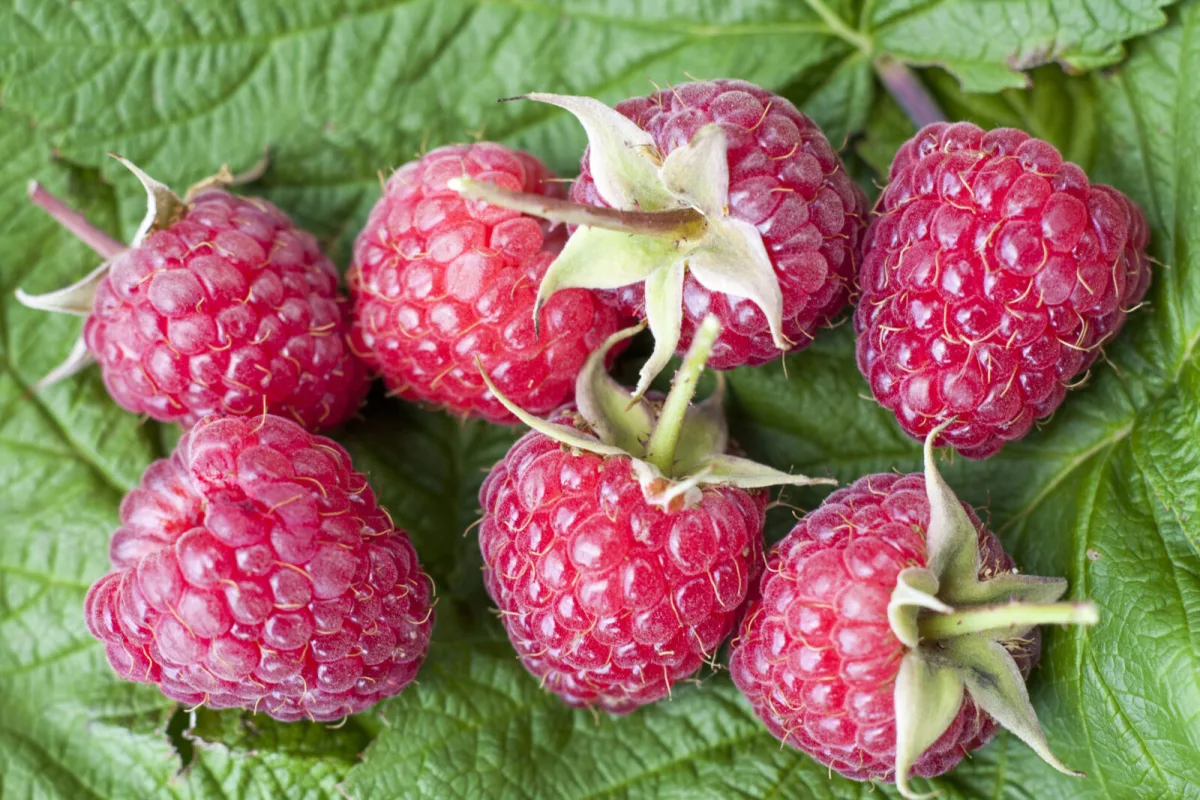
Raspberries have become increasingly scarce in recent years, and their shop prices reflect that. If you grow them in your garden, you can enjoy your own harvest—but only if you keep caring for the canes after picking. This is exactly when many growers make a mistake, leaving the plants untouched until autumn or the following spring.
Summer pruning after harvesting is essential for raspberries. Without it, the bushes age quickly, waste energy, and the planting gradually becomes so dense that the canes start competing with one another. A raspberry patch like that produces less and is more likely to succumb to diseases and pests.
What exactly to remove on summer-fruiting raspberries
With traditional varieties that crop once a year, the rule is simple: the canes that fruited this year will not fruit again next year. That’s why they should be removed right after harvest, cut out hard as low to the ground as possible. This relieves the plant and creates space for young replacement canes.
Old canes are cut right down after harvest so the plants don’t waste energy and the patch doesn’t become choked.
How to handle new canes for next season
After cutting out the old canes, look at the new canes produced this year. These are the ones that will carry next year’s crop. That doesn’t mean you should keep every single one. If they grow too densely, they will interfere with each other, air flow will worsen, and the risk of fungal problems will increase.
In practice, it’s recommended to leave no more than 12 of the strongest, healthiest canes per square metre of row. It’s better to cut out the rest—weak, damaged, or poorly placed canes—so the plant’s energy goes into the most promising ones.
Tying canes to a wire improves both yield and plant health
A simple support system works well, too. When you tie individual canes to a wire or support, you improve light penetration, make harvesting easier, and reduce lodging and cane breakage in wind or rain.
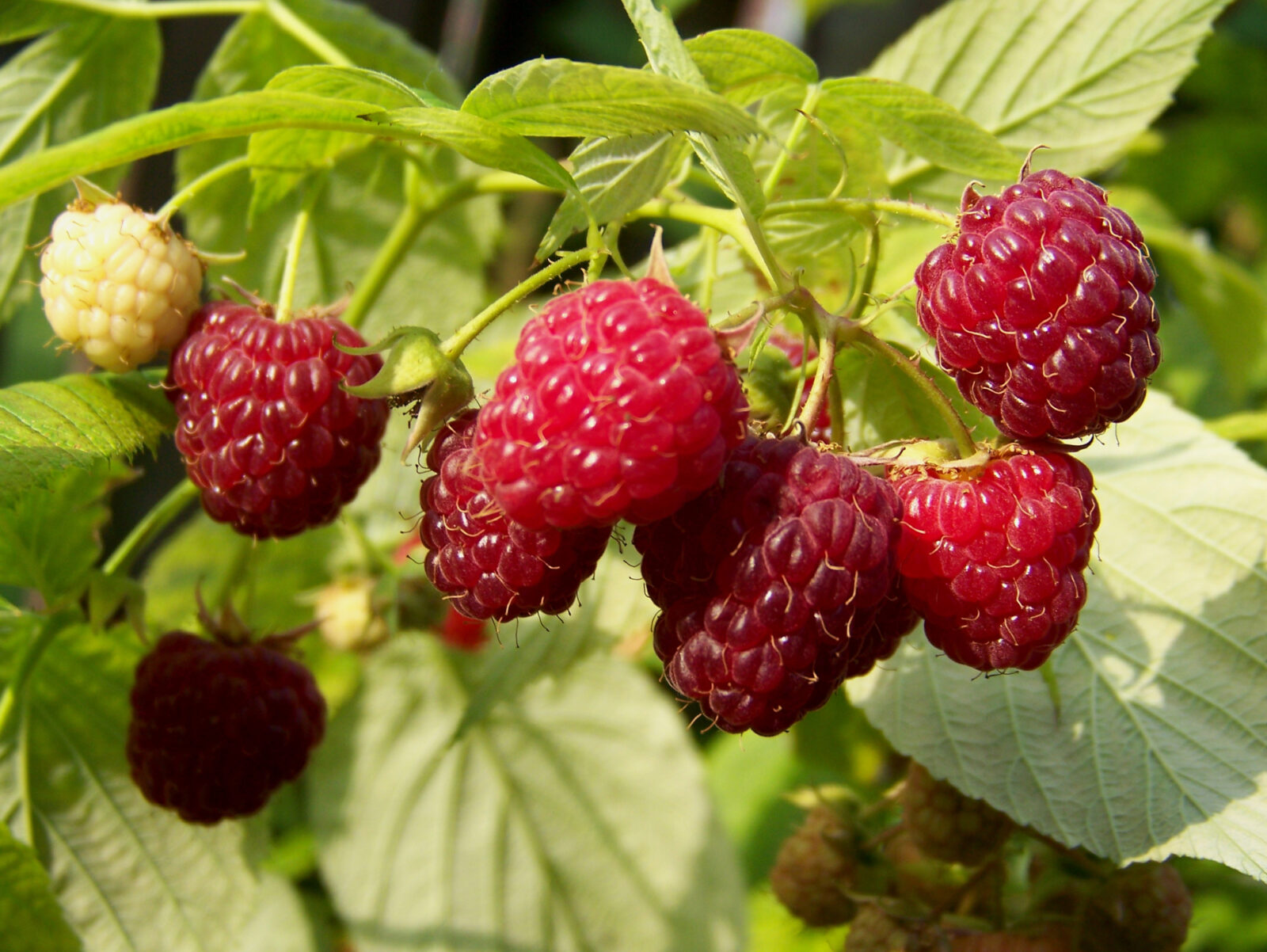
Primocane (everbearing) raspberries that crop twice a year follow different rules
With so-called primocane (everbearing) varieties, the situation is different. These raspberries can produce an autumn crop on the upper part of the canes, typically in the top third. After the autumn harvest, that fruiting portion—roughly one third of the cane—is often removed.
There’s also a second option: after the autumn harvest, you can cut the canes right down to ground level. In spring, new shoots will emerge, but under this approach they usually produce just one crop, in summer. The choice depends on whether you want two harvests, or prefer one heavier crop with simpler care.
A small job now, a big difference in next year’s harvest
Summer pruning after harvest only takes a moment, but it can significantly extend the life and vigour of your raspberry patch. It’s also one of the easiest ways to reduce disease and pest pressure, because you remove old, overcrowding growth. If you stick to this routine, you’ll have a much better chance of your plants filling up with juicy berries again next year.
Source: To je nápad, Gardening Know How, Pestrazahrada.cz

A lover of nature, gardens, and everything that moves, blooms, or grows. He literally grows everything, from herbs to rare species, and he enjoys caring for animals just as much. In his work, he connects modern technology with tried-and-tested grandmotherly methods and is happy when both paths lead to the same goal.
Related articles
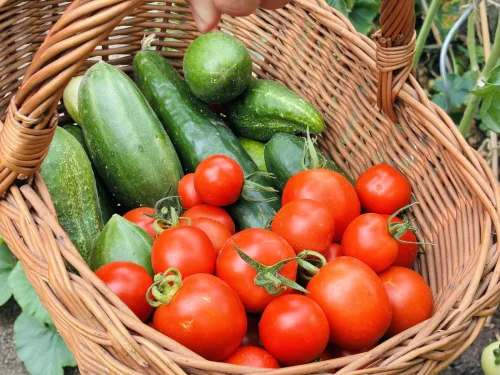
The More Often You Harvest, the Longer Plants Keep Cropping
With fruiting vegetables, frequent picking keeps plants flowering and producing for longer. A few crops, such as aubergines, are tastiest when harvested slightly earlier rather than fully mature.
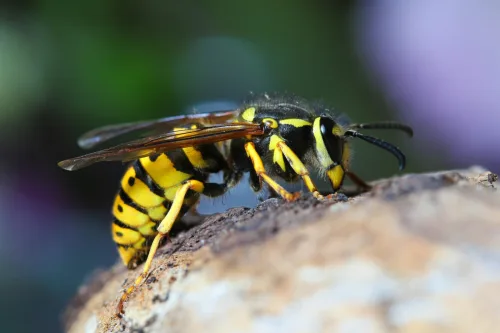
Wasps Aren’t Just a Barbecue Menace They Can Ruin Your Garden Woodwork Too
Weathering isn’t always the main culprit behind damaged outdoor timber. Wasps can scrape fibres from boards and beams surprisingly fast, leaving grooves that soak up water and accelerate decay.
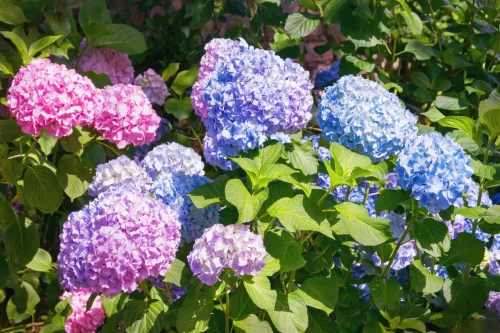
Why hydrangeas wilt in summer even when watered and how to save them fast
Hydrangeas can look limp in hot weather even if you’ve been watering faithfully. The key is to check what’s happening in the root zone, then adjust watering, shade and mulching so the plant can actually use the moisture available.
Comments (0)
Be the first to comment.