
 English
 Polski
 Deutsch
 Nederlands
 Svenska
 Norsk
 Dansk
 Français
 Italiano
 Español
 Português
 Slovenčina
 Suomi
 Gaeilge
Blueberries Overwinter Better with a Protective Layer, but One Popular Autumn Habit Can Seriously Harm Them
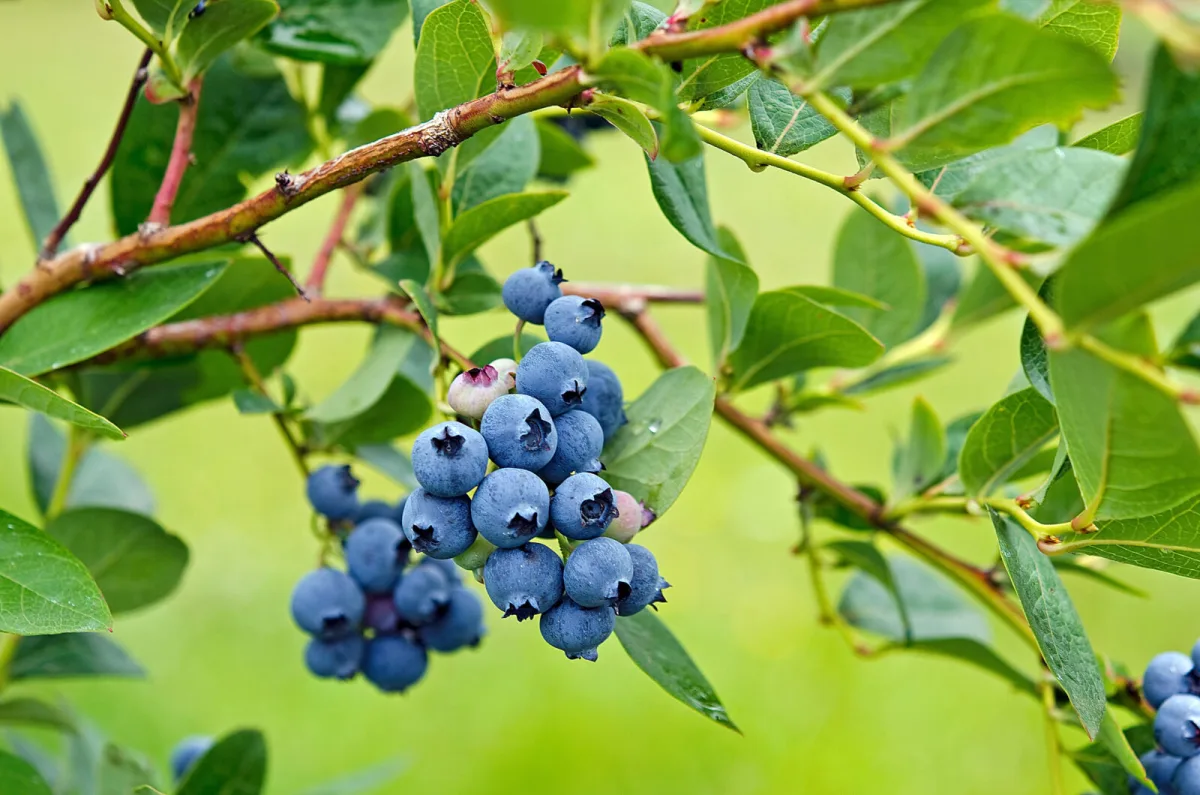
Blueberries are among the shrubs that are sensitive to both soil conditions and the way winter unfolds. Their roots spread shallowly just below the surface, so they can suffer in harder frosts, sharp temperature fluctuations, and during prolonged drying of the soil. That’s exactly why autumn is the right time to focus not on encouraging more growth, but on protecting the root zone. The biggest help is a properly chosen mulch that creates an insulating layer while also keeping much-needed moisture in the soil.
Mulch as protection from cold and moisture loss
A layer of mulch has several jobs for blueberries. Above all, it helps prevent the upper part of the soil from freezing solid, where the finest feeder roots are found. At the same time, it slows water evaporation, so the ground doesn’t become unnecessarily dry even during the cold months. Its effect on temperature stability is also important. When milder and freezing days alternate, unprotected soil reacts far more quickly, which can stress and damage roots. Mulch cushions these swings and creates a more favourable environment for shrubs to overwinter.
How thick the layer should be
In autumn, it’s a good idea to spread a mulch layer about 5 to 8 centimetres deep around blueberries. If there’s already mulch under the shrubs from earlier, it’s worth checking its condition first. Over the season it often partly breaks down or settles, so it no longer protects as well as it did at the start. The best approach is to spread fresh material evenly across the whole area where the roots naturally extend. This gives the shrub continuous protection from winter stress.
Which materials are suitable for blueberries
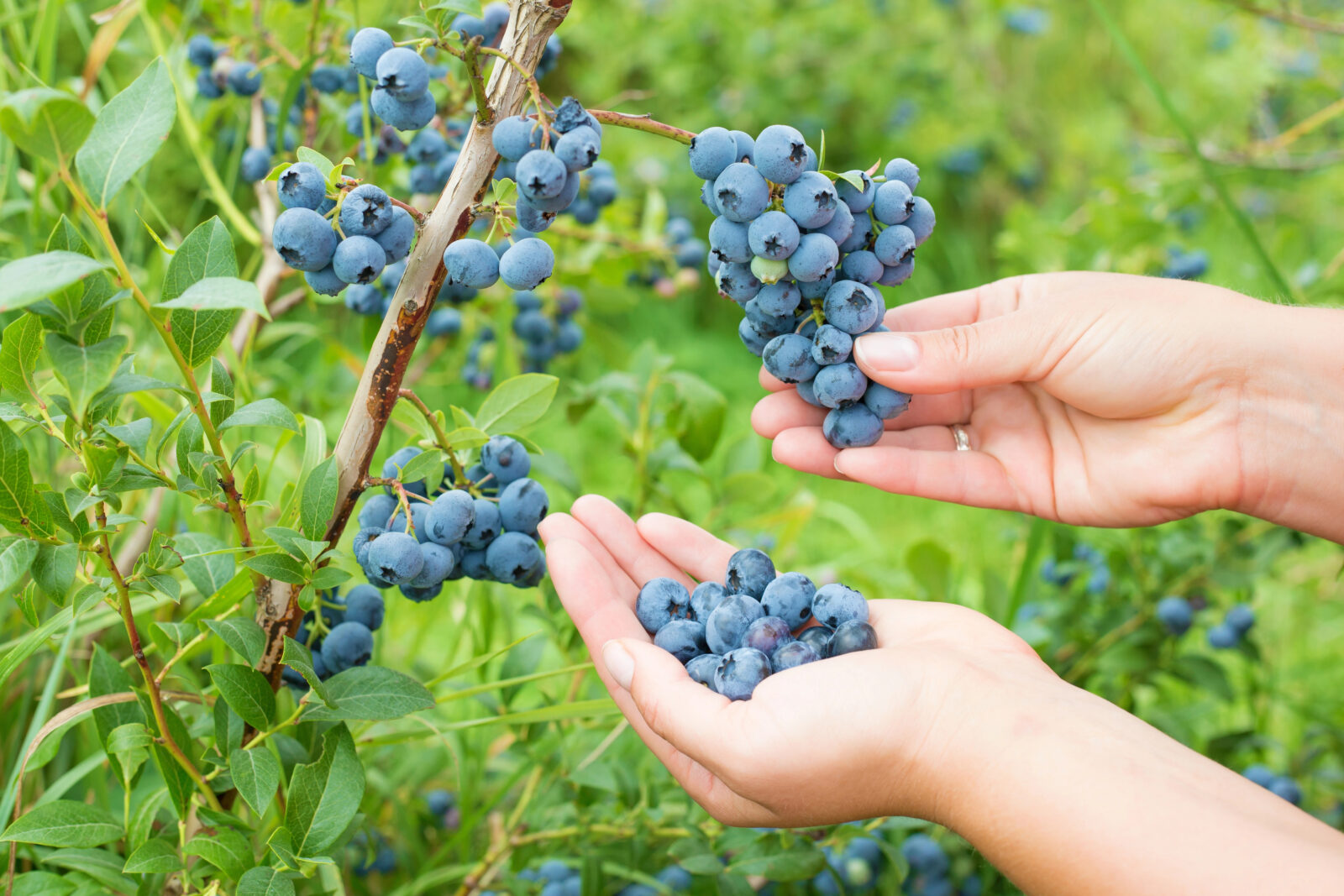
Blueberries do best with materials that respect their need for acidic soil. Pine or spruce bark is an excellent choice, as are pine needles and sawdust from untreated wood, ideally aged or partly composted. You can also use ready-made mulches formulated for acid-loving plants. Blueberries thrive best in soil with a pH of roughly 4 to 5, so it’s important to choose materials that won’t disrupt those conditions. If your shrubs have been underperforming for a long time, it’s sensible to check the soil pH with a test rather than relying on mulch alone.
What to do before mulching
Before you add a fresh layer, remove weeds around the shrubs as well as any plant debris that could carry disease. It’s also very important to assess soil moisture. If the ground is dry, give the blueberries a thorough watering before mulching. Only then should you spread the cover layer. This approach is much more effective, because the mulch helps seal moisture into the soil and prevents it from disappearing too quickly.
What to avoid in autumn care
A common mistake is late feeding with nitrogen. In autumn, blueberries should no longer be encouraged to produce new shoots, because they may not harden off in time and frost can damage them easily. Using lime or wood ash is also unsuitable. These raise the soil pH and make conditions worse for blueberries. When caring for them, it’s also important to think about correct mulch placement.
Don’t pile mulch tight against the stems and don’t bury the crown. Leave a small gap immediately around the shoots so excess moisture doesn’t linger there and increase the risk of rot.
A post-winter check matters just as much as autumn preparation
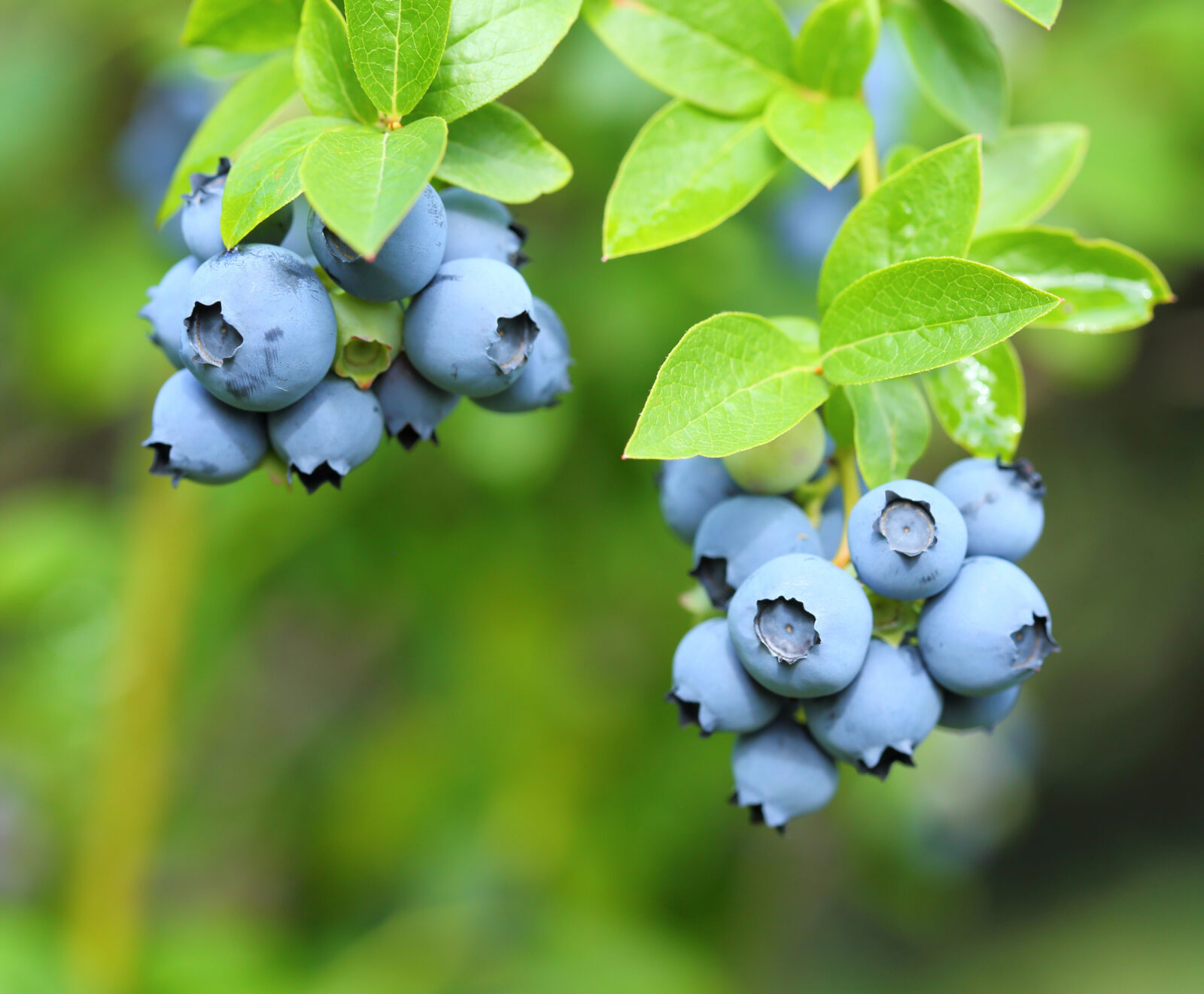
Mulching isn’t a one-off job done only at the end of the season. In spring, it’s worth checking whether the layer still covers the soil well and hasn’t broken down too much or settled. If protection is thin, top it up with fresh material. Don’t dig the mulch deeply into the ground, though, because blueberries have fine roots close to the surface and they’re easily damaged. A regularly maintained layer helps all year to suppress weeds, hold moisture, and create conditions in which the shrubs will be stronger and better prepared for the next season.
Proper autumn mulching, then, isn’t a small detail but a key step that can determine the condition your blueberries come through winter in and how readily they put on new growth in spring.
Source: Homes and Gardens, Gardener’s Corner, Pestrazahrada.cz

A lover of nature, gardens, and everything that moves, blooms, or grows. He literally grows everything, from herbs to rare species, and he enjoys caring for animals just as much. In his work, he connects modern technology with tried-and-tested grandmotherly methods and is happy when both paths lead to the same goal.
Related articles
Healthy Roses Start in Autumn, Collect Fallen Buds and Plan Your First Spring Spray Early
Roses will reward you with stronger growth and better flowering if you start protecting them before problems take hold. Autumn clean-up, timely spring sprays, sensible feeding and deep watering are the keys to hardy, healthy plants.
Why Leave Old Plant Roots in the Bed Instead of Pulling Them Out
Instead of yanking out healthy spent plants, cut them off at soil level and leave the roots to break down in place. It improves soil structure, feeds soil life, and saves time with no downside in most beds.
Experienced gardeners don’t throw leaves away and use them in six smart ways
Fallen leaves are a valuable, free resource that feeds soil life, improves structure, and protects plants. Use them as mulch, compost, leaf mould, lawn feed, winter insulation, and wildlife habitat.
Comments (0)
Be the first to comment.