
 English
  Polski
  Deutsch
  Nederlands
  Svenska
  Norsk
Norsk  Dansk
Dansk  Français
  Italiano
  Español
  Português
  Slovenčina
  Suomi
Suomi  Gaeilge
 A Favourite Trick Seasoned Gardeners Use to Keep Tomatoes Healthy Until Harvest
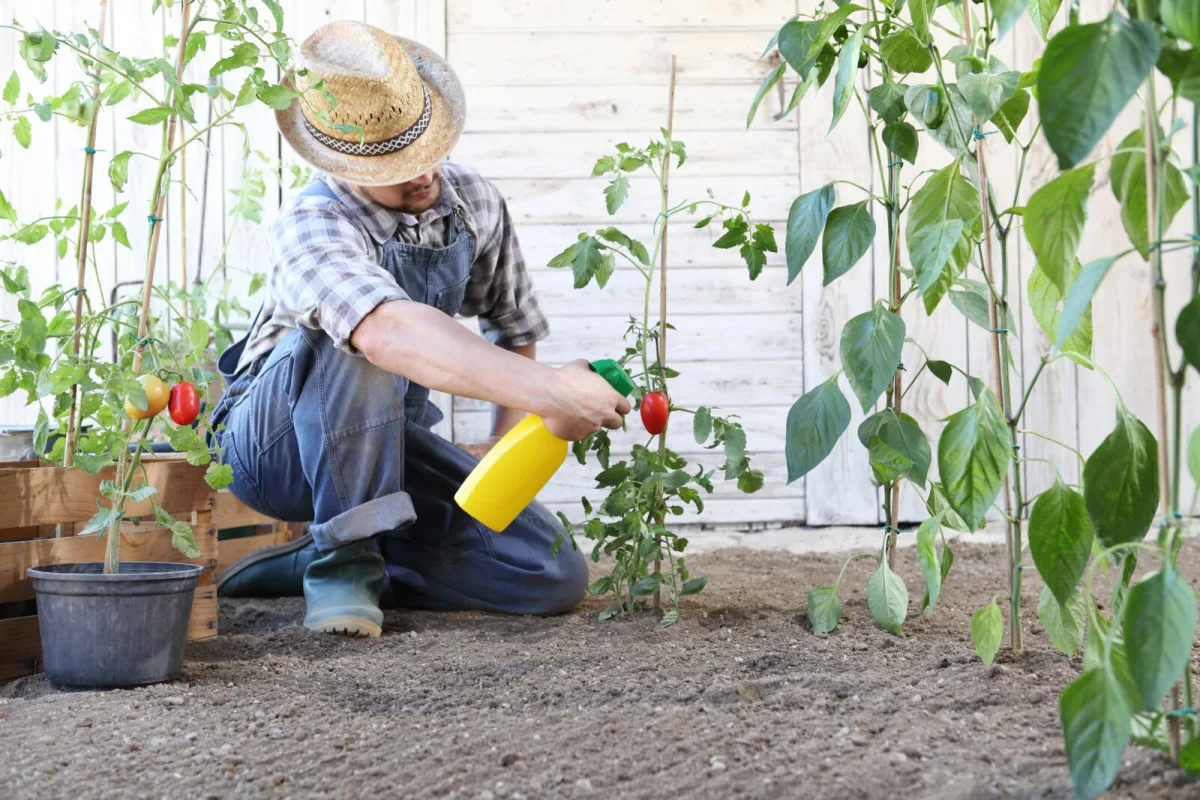
Baking soda is a common household staple, but it has its place in the garden too. Used sensibly, it can create conditions on tomato leaves in which some fungal diseases struggle to thrive. It’s not a miracle product that will deliver a record harvest on its own, but it can complement prevention and routine plant care very well.
The key is sticking to the correct dosage. A solution that’s too strong can do more harm than good, so it pays not to fall for the idea that a higher concentration means a stronger effect.
Why baking soda works and what it’s most often used for
Baking soda, technically sodium bicarbonate, is mildly alkaline. When applied in a weak concentration as a spray, it leaves a fine film on the leaf surface that can make it harder for certain pathogenic fungi to multiply. It isn’t a conventional chemical fungicide, but a simple way to tweak conditions on the leaves so they’re less favourable for disease.
In practice, baking soda is most often mentioned as a support in preventing problems such as late blight, powdery mildew, and some types of leaf spot. It works best when used early and regularly, not as a last-ditch rescue when infection is already severe.
How to make a baking soda spray
For a general spray, a simple ratio works well. Dissolve 1 tablespoon of baking soda in 10 litres of lukewarm water and add 1 teaspoon of liquid potash soap or a natural liquid soap. The soap has a practical role in the mix: it helps the solution cling to the leaves so the protective film stays in place longer.
The method is straightforward. First dissolve the baking soda thoroughly in the water, then add a small amount of soap and mix again. It’s best to use the solution immediately after making it, because if it stands for too long it gradually loses effectiveness and can be harder to apply.
When to apply the spray and how often to repeat
Ideally, spray tomatoes early in the morning or in the evening after sunset. Choose a dry day without strong wind so the solution doesn’t dry too quickly or drift away from the plants. As a preventive measure, repeating once every 10 to 14 days is usually enough, depending on the weather and the level of risk in your area.
If heavy rain follows the spray, the protective film may be washed off the leaves. In that case, it makes sense to repeat the application once the plants have dried, to restore the best possible effect.
What to avoid so your tomatoes don’t suffer
The most common mistake is increasing the dose to try to boost the effect. A more concentrated solution can cause leaf scorch, disrupt the plant’s natural processes, and weaken tomatoes overall. On more sensitive plants, excessive concentration can lead to spotting, browning leaf edges, or slowed growth.
It’s also a bad idea to treat plants during hot, sunny days, especially at the peak of afternoon heat. The combination of warmth and wet leaves can increase the risk of tissue damage, so it’s better to stick to morning or evening applications.
What supports the harvest just as much as spraying
No natural spray can replace sound growing habits. If you want big, healthy, tasty fruit, it’s essential to water at the roots and keep the foliage as dry as possible. Prolonged wet leaves are one of the main reasons fungi can take off so easily on tomatoes.
In a greenhouse, regular ventilation helps because good air circulation prevents humidity from building up. With outdoor plantings, sensible spacing matters too—tomatoes shouldn’t be planted too close together, so they dry faster after dew or rain. It’s also practical to remove lower yellowing leaves as you go, which improves airflow around the stem and reduces the risk of infections spreading.
Bed hygiene is just as important. Regularly remove weeds and old plant debris, which can act as a reservoir for disease and attract pests. The combination of these steps often does more for tomato health than any one-off intervention.
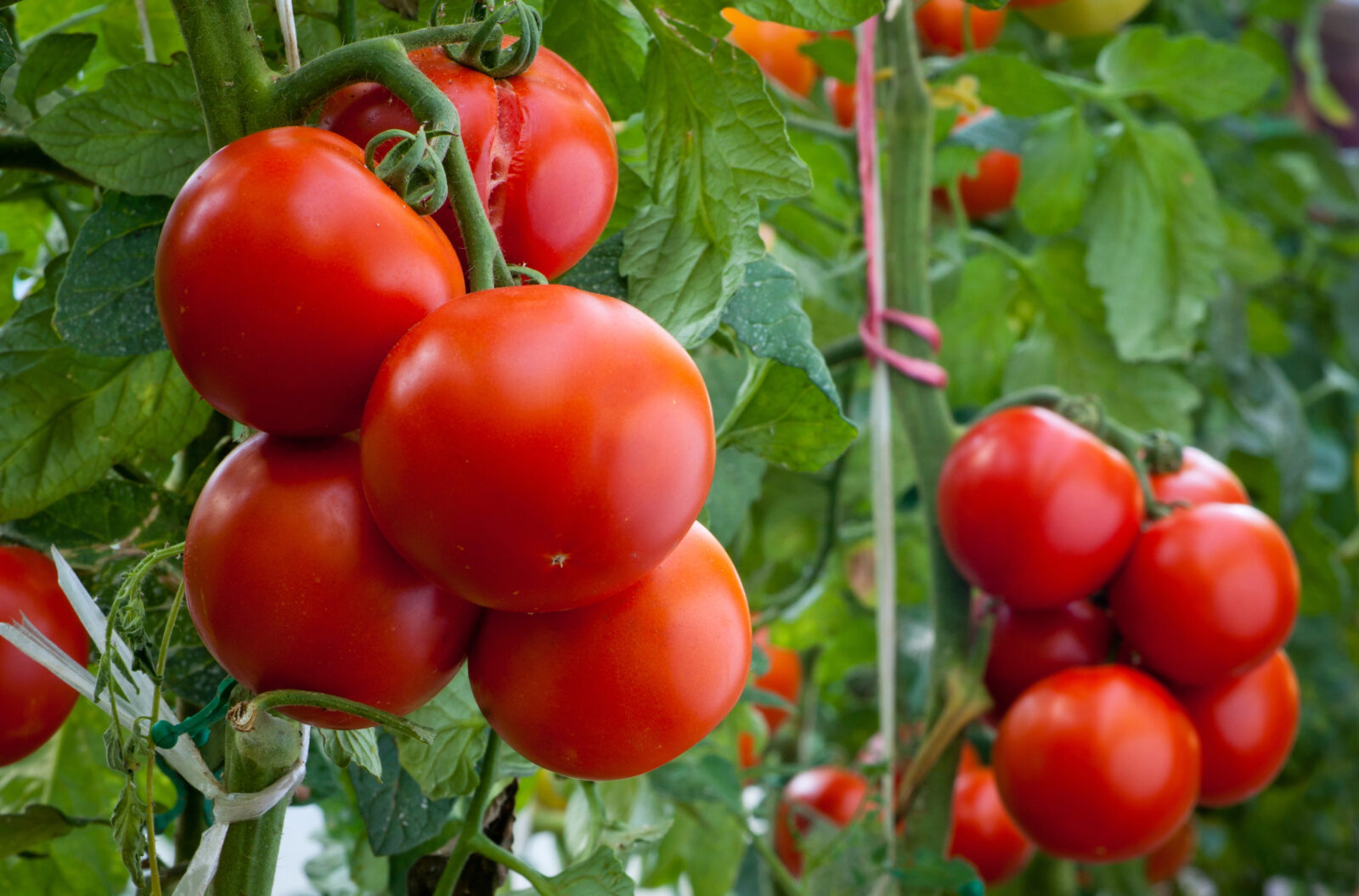
A simple preventive step that makes sense
Baking soda is a cheap, readily available, and—when used correctly—fairly safe option to help tomatoes in the fight against fungal diseases. It won’t cure heavily infected plants on its own and it’s not a substitute for thoughtful care, but it can be a useful addition to prevention. When you combine it with proper watering, good ventilation, enough space between plants, and a clean bed, you increase the chance that your tomatoes will stay healthy right through to the end of the season and reward you with a steady harvest.
The most important rule is simple: stick to a mild concentration, spray at the right time, and treat baking soda as support—not a cure-all.
Source: To je náapad, The Spruce, Pestrazahrada.cz

A lover of nature, gardens, and everything that moves, blooms, or grows. He literally grows everything, from herbs to rare species, and he enjoys caring for animals just as much. In his work, he connects modern technology with tried-and-tested grandmotherly methods and is happy when both paths lead to the same goal.
Related articles
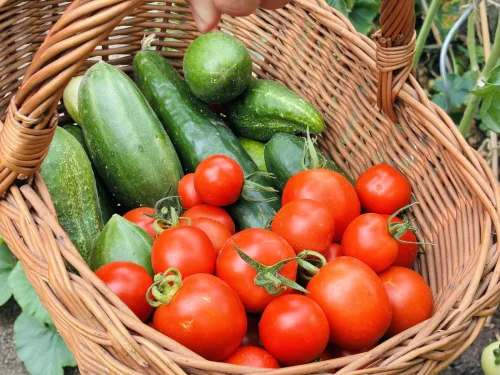
The More Often You Harvest, the Longer Plants Keep Cropping
With fruiting vegetables, frequent picking keeps plants flowering and producing for longer. A few crops, such as aubergines, are tastiest when harvested slightly earlier rather than fully mature.
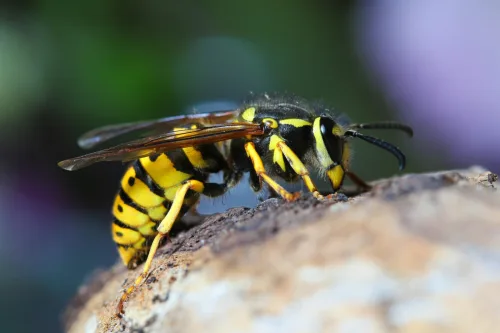
Wasps Aren’t Just a Barbecue Menace They Can Ruin Your Garden Woodwork Too
Weathering isn’t always the main culprit behind damaged outdoor timber. Wasps can scrape fibres from boards and beams surprisingly fast, leaving grooves that soak up water and accelerate decay.
Why hydrangeas wilt in summer even when watered and how to save them fast
Hydrangeas can look limp in hot weather even if you’ve been watering faithfully. The key is to check what’s happening in the root zone, then adjust watering, shade and mulching so the plant can actually use the moisture available.
Comments (0)
Be the first to comment.