
 English
  Polski
  Deutsch
  Nederlands
  Svenska
  Norsk
Norsk  Dansk
Dansk  Français
  Italiano
  Español
  Português
  Slovenčina
  Suomi
Suomi  Gaeilge
 Yew Turns Brown and Dries Out
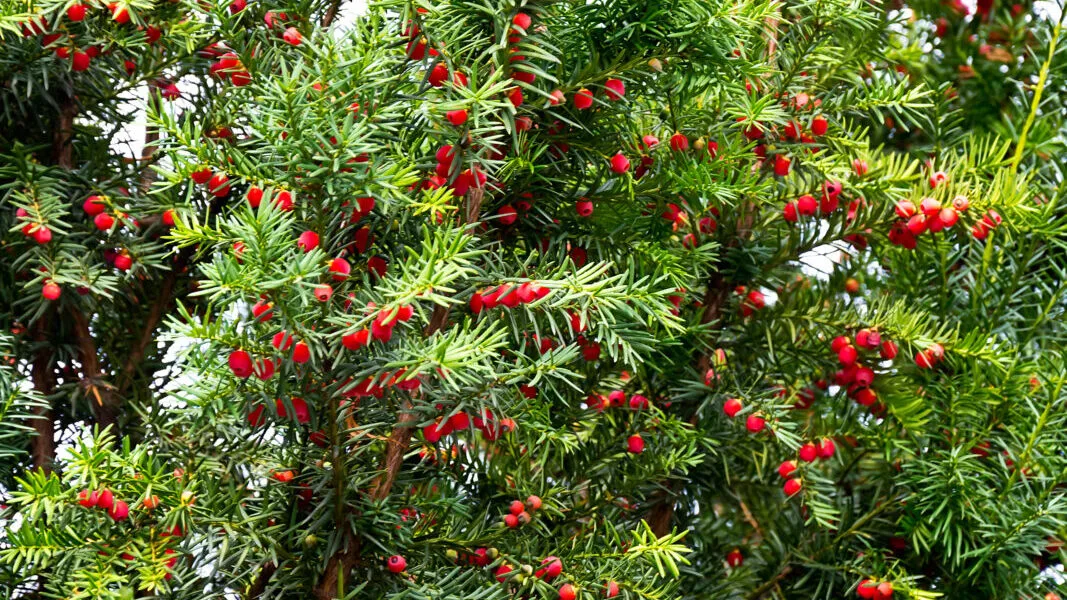
Yew (Taxus) is a long-lived evergreen that tolerates pruning well and is often used to make dense hedges. That’s exactly why gardeners are caught off guard when a yew begins to turn brown, the needles dry out, and gradually fall. Before you reach for “something to spray,” it’s important to work out whether it’s a reaction to the site and care, or a true disease. With yew, the two problems very often overlap: the plant is weakened by unsuitable conditions and only then does a fungal disease take hold more easily.
The most common non-infectious causes of browning and drying
Waterlogged soil and lack of oxygen to the roots
Yew does not tolerate a bed that stays waterlogged for long periods. In heavy soil the roots suffocate, lose function, and the plant starts to decline. A typical sign is general yellowing to browning of needles, an overall “tired” look, and the gradual dieback of individual branches. If water sits around the base after rain or the soil feels sticky and smeary, waterlogging is very likely.
Winter desiccation from wind and sun
In exposed sites, yew can turn brown during winter and early spring because the needles lose water, but the roots cannot replace it from frozen ground. Browning is usually worse on the side exposed to wind or sun. The plant often re-sprouts, but repeated winter stress weakens it and increases the risk of infection.
Root damage and stress after heavy pruning
Sudden dieback of part of a yew sometimes appears after digging, deep cultivation nearby, or building work. It can respond similarly to overly hard pruning, especially if drought follows, or conversely prolonged wet conditions. Weakened tissue then becomes an easy target for pathogens.
Could it be a fungal disease? Yes, especially on weakened plants
Needle spot and needle dieback caused by Cryptocline taxicola
One of the typical diseases associated with browning needles is yew needle spot caused by the fungus Cryptocline taxicola. It shows up more often on weakened plants, for example after hard pruning, in an overly dense hedge, or in an unsuitable, damp site. The first symptoms are subtle: small, irregular brown spots appear on the needles of young growth and quickly enlarge. Needles above the infected area gradually yellow, turn brown, dry out, and drop. With heavy infection, whole shoot tips can die back as well.
If the yew is browning mainly on new growth and spots are visible on the needles, it’s worth suspecting fungal needle spot. In dense hedges, even simple thinning to let in air will help the needles dry faster after rain, advises a gardener.
Phytophthora root rots as a hidden culprit
A major issue is root rot caused by pathogens in the genus Phytophthora. They thrive in heavy, consistently damp soils. From the outside you’ll see needles yellowing, loss of vigour, and gradual branch dieback, often without obvious spots on the needles. If the problem worsens despite watering and the plant looks “overwatered,” it’s sensible to check drainage and the condition of the root zone.
What to do right away: санитарy pruning, remove infected parts, and improve airflow
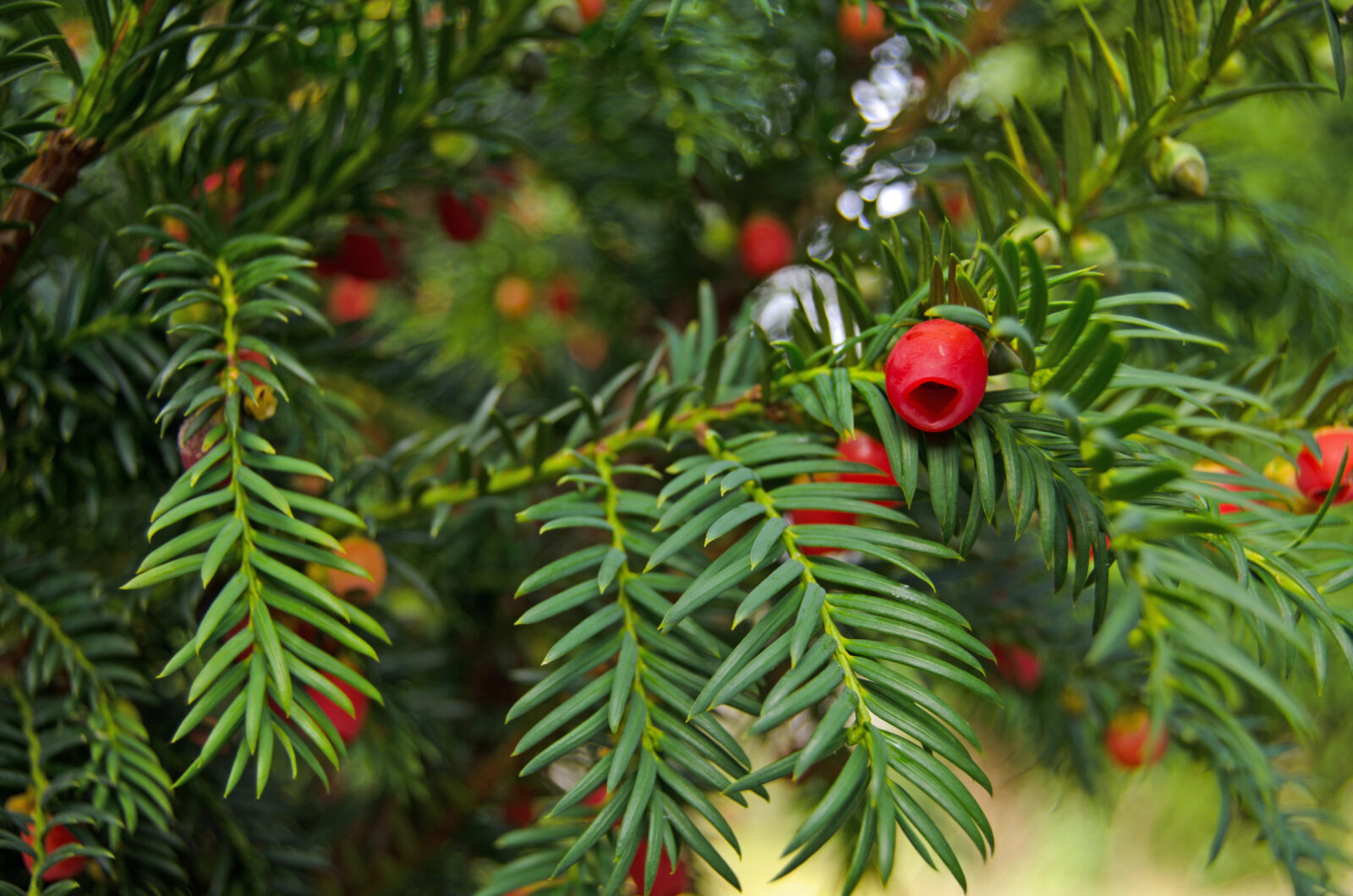
The first step is to remove and dispose of affected needles and branches. Don’t leave prunings under the shrub and don’t put them into a regular compost heap if you’re not sure about plant health. With hedges, opening them up and thinning also helps so moisture doesn’t linger inside. The faster the needles dry after rain, the harder it is for fungi to thrive.
When a fungicide makes sense and what to address at the same time
With heavy infection, especially if spotting keeps recurring and new growth continues to brown, a fungicide treatment with a product labelled for conifers is appropriate, always following the manufacturer’s instructions. However, spraying alone often won’t solve the issue if the cause of weakening remains. At the same time, adjust watering, check drainage, and in heavy soil consider improving structure or diverting water away from the root zone.
How to prevent problems in the future
The best prevention is the right site: yew appreciates free-draining, evenly moist soil, not ground that stays wet. Prune dense hedges regularly so air can move through them, and avoid extremely hard pruning when drought or prolonged rain is likely. Watch for the first colour changes in the needles and respond early. The sooner you intervene with hygienic pruning and improved conditions, the better the chance the yew has to regenerate and remain stable long term.
Source: Best All, Gardening Know How, Hopes Grove Nurseries, Pestrazahrada.cz

A lover of nature, gardens, and everything that moves, blooms, or grows. He literally grows everything, from herbs to rare species, and he enjoys caring for animals just as much. In his work, he connects modern technology with tried-and-tested grandmotherly methods and is happy when both paths lead to the same goal.
Related articles
An Orchid That Only Grows but Won’t Bloom Has Three Common Causes You’ll Never Fix with Fertiliser
If your orchid looks healthy but refuses to bloom for months, the cause is usually not a lack of fertiliser. Light, watering habits, and temperature patterns are far more often to blame.
Winter is crucial for raised beds and most people skip the pest prevention step
Your raised beds don’t go dormant just because winter arrives. A few quick, well-timed tasks now will protect the soil, discourage pests, and set you up for a smoother, more productive spring.
When to Mow the Lawn for the Last Time Before Winter
There’s no universal date for the season’s final mow—your lawn and the weather will tell you. Time it just ahead of hard frost and leave the grass slightly higher to help it overwinter healthier and bounce back faster in spring.
Comments (0)
Be the first to comment.