
 English
  Polski
  Deutsch
  Nederlands
  Svenska
  Norsk
Norsk  Dansk
Dansk  Français
  Italiano
  Español
  Português
  Slovenčina
  Suomi
Suomi  Gaeilge
 Yellowing Cucumber Leaves as a Warning, Timely Care Prevents Crop Losses
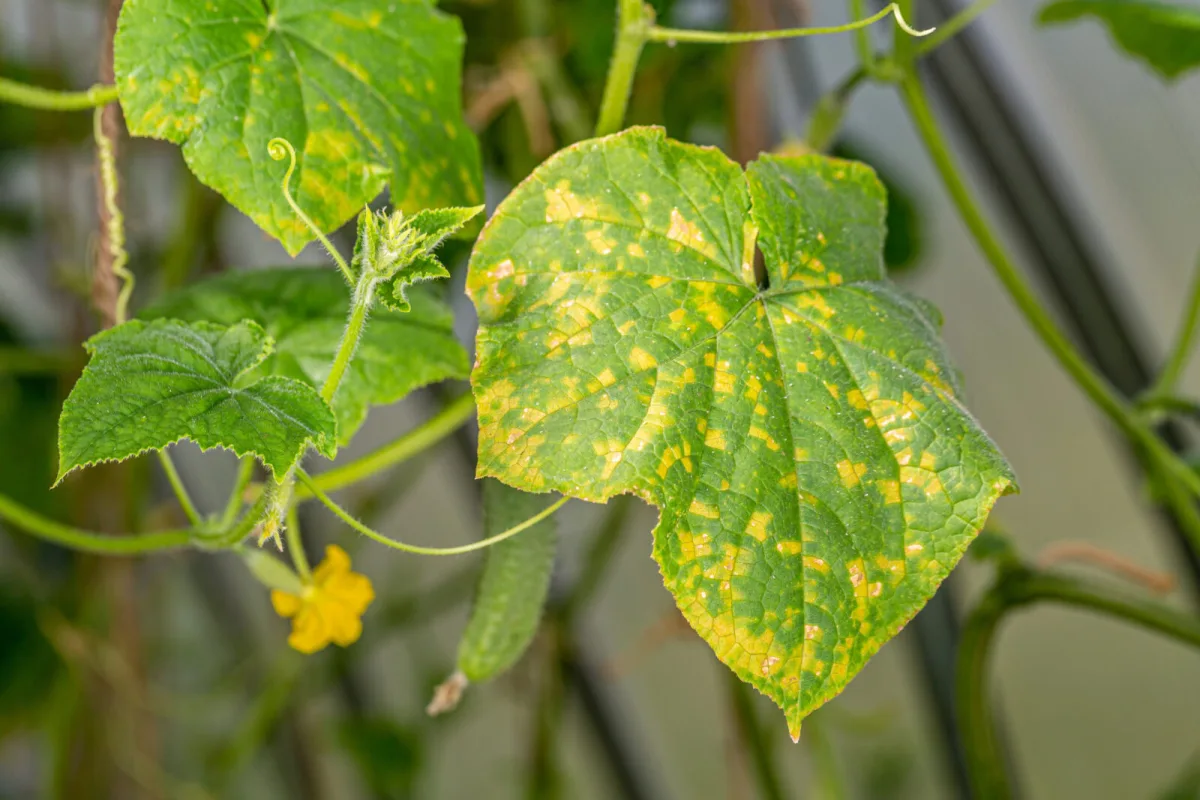
Cucumbers are one of those vegetables even beginners can grow successfully—provided the plants have warmth, light, regular watering and enough nutrients. But as soon as the leaves begin to fade and turn yellow, it’s a sign the seedlings aren’t happy. Yellowing can start on the windowsill during raising, but it often shows up shortly after planting out in a bed or greenhouse. If you miss the problem, the plant will slow down, set fruit less readily, and may become more vulnerable to diseases and pests. That’s why it’s important to find the cause and act as early as possible.
Insufficient or irregular watering
The most common reason for yellow leaves is water. Cucumbers like the soil to stay consistently lightly moist, but they don’t tolerate a cycle of drying out followed by heavy watering. When the compost repeatedly dries, the plant responds with stress and the leaves start to lose their colour. On the other hand, constantly waterlogged soil increases the risk of root rot and fungal problems, so the yellowing can look similar even though the cause is the opposite.
On warm days, cucumbers often need water daily, ideally in the evening and directed at the roots. Watering the leaves—especially in a greenhouse—encourages disease. The aim is even moisture with no puddles and no long dry spells.
When plants lack nutrients, most often nitrogen
Another common culprit is a lack of nutrients. Cucumbers grow quickly and can use up what’s in the soil in a short time, especially if the soil is light or you water frequently. The typical symptom is paling and yellowing leaves, often starting on the older parts of the plant. In practice, the most frequent issue is a low supply of nitrogen, which is essential for leafy green growth.
A quick feed with a liquid fertiliser can help. Homemade options can work well too, such as a chicken-manure fertiliser or a soak made from pelleted chicken manure dissolved in water. You can also use nettle feed or a fermented herbal brew if you have one ready. The key is not to overdo the dose so you don’t scorch the roots, and to water normally after feeding.
Pests: aphids and spider mites
Yellowing may also appear when plants are attacked by sap-sucking pests—typically aphids or spider mites. The cucumber then weakens, leaves turn yellow, may curl, and gradually dry out. It’s worth checking the leaves regularly, including the undersides, where pests most often congregate.
If you spot an infestation early, a homemade spray is often enough, or you can use a product from a garden centre. It’s better to act immediately, because pests multiply fast and a weakened plant gives in to other problems more easily.
Downy mildew starts subtly with yellow spots
Fungal diseases are tricky because at an early stage they don’t look dramatic. The first symptoms are usually yellow patches that gradually turn into brown spots and the leaves die back. Once this pattern starts, you need to respond almost immediately, otherwise the mildew spreads across the whole plant and into nearby plantings.
Remove affected leaves as soon as possible and dispose of them—don’t leave them lying on the bed. Then a spray treatment is appropriate. A gentle option is a horsetail tea. If you have 3% hydrogen peroxide at home, you can make a simple solution at a ratio of one part peroxide to four parts settled water, applied to the plant as needed.
Prevention that saves the most work
The most reliable way to limit yellowing and the losses that follow is prevention. Water at the roots and keep sensible spacing so leaves dry quickly and air can move between plants. With long cucumbers, training them up netting helps, because the leaves aren’t packed together and moisture is less likely to linger. In a greenhouse, ventilate regularly—especially after warm days and when humidity is high. And don’t forget balanced feeding: a well-nourished plant is usually in better condition and copes with disease and pest pressure far more effectively.
Source: The Spruce, RHS, Pestrazahrada.cz

A lover of nature, gardens, and everything that moves, blooms, or grows. He literally grows everything, from herbs to rare species, and he enjoys caring for animals just as much. In his work, he connects modern technology with tried-and-tested grandmotherly methods and is happy when both paths lead to the same goal.
Related articles
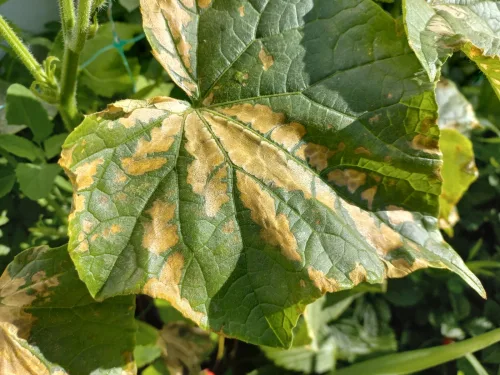
Yellowing cucumber leaves have a clear cause and with the right response plants recover quickly
Cucumber leaves turn pale and yellow when the plant is under stress—most often from watering mistakes, nutrient imbalance, or sudden temperature swings. Spot the pattern early and you can restore growth and protect your harvest fast.
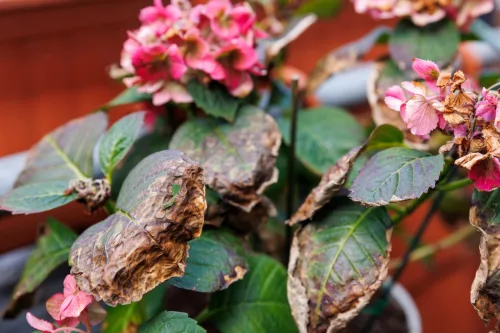
How to Get Browning Hydrangeas Back on Track Without Chemicals
Brown leaf edges or spots on hydrangeas usually point to a simple mismatch in light, watering, or airflow rather than a lost cause. Learn how to read the symptoms and restore your shrub quickly with gentle, practical fixes.
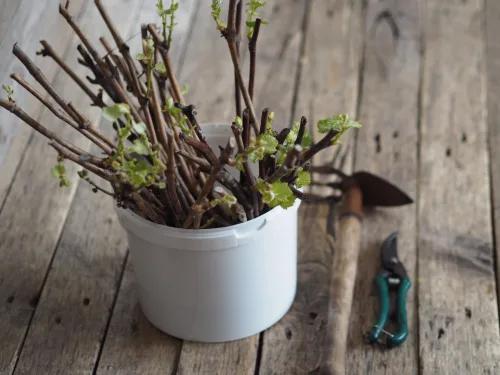
Turn Ground Cinnamon Into a Secret Weapon for Stronger, Tougher Plants
Ground cinnamon isn’t just for baking—it can help protect houseplants and garden plants from mould and fungal issues, support cuttings, and even act as quick first aid for minor wounds. Used lightly, it’s an affordable, gentle, natural add-on to good growing practice.
Comments (0)
Be the first to comment.