
 English
  Polski
  Deutsch
  Nederlands
  Svenska
  Norsk
Norsk  Dansk
Dansk  Français
  Italiano
  Español
  Português
  Slovenčina
  Suomi
Suomi  Gaeilge
 The Worst Spots for Cucumbers Where Mildew Can Wipe Out the Whole Crop

Cucumbers are among the most rewarding and fairly easy plants to grow, but success is often derailed by a badly chosen site. Persistently damp foliage, cooler soil and weak sunlight create conditions in which fungal diseases spread faster, while the plants also set fewer fruits. Add restricted airflow and cucumbers can lose vigour in a short time, with a small harvest, sometimes even with an unpleasant bitterness.
Most common mistakes aren’t in day-to-day care, but in picking the spot. The following three situations are among the riskiest, and it’s worth avoiding them when planning your beds.
The north side of a house or shed is a trap for cucumbers
Planting cucumbers right up against a building wall is tempting mainly because it offers support, but the north side or any long-shaded side of a building is noticeably cooler. Morning dew lingers longer on the leaves there, and the sun that would dry the plants in time reaches them only briefly, if at all. The combination of cool and damp is ideal for mildew, so the first spots often appear by walls and the infection spreads quickly.
If you have no other option, it helps to move the planting further away from the wall and grow cucumbers vertically on a sturdy support. Training plants upward improves leaf drying and reduces the crop’s contact with wet soil. To encourage fruiting, it pays to concentrate growth into the main stem and regularly remove side shoots in the leaf axils so the plant stays more open and airy.
Enclosed corners of the garden with no airflow
Cucumbers need steady air circulation. In garden corners, by fences overgrown with brambles, or in spots surrounded by taller plants, the air barely moves. Moisture hangs between the leaves, the canopy dries slowly after rain or watering, and the risk of mildew rises sharply. A cold retaining wall or a bed set too close to a wall can be similarly troublesome, because it creates a damp microclimate.
It’s a mistake to rely on dappled shade under tree canopies to prevent the soil from drying too fast. The soil may lose water more slowly, but cucumber leaves in such a spot don’t dry adequately and disease gains the upper hand. The best choice is an open, sunny site where the foliage dries quickly in the morning and after rain.
Unsuitable neighbours from the squash family increase disease pressure
A less obvious, but very common problem is growing cucumbers in close proximity to other cucurbit crops. Courgettes, pumpkins and pattypan squash share similar pests and fungal diseases, so when trouble appears on one plant, it can easily spread to the others. The bed then becomes a direct highway for infection, and instead of dealing with isolated outbreaks, you’re facing a whole-area problem.
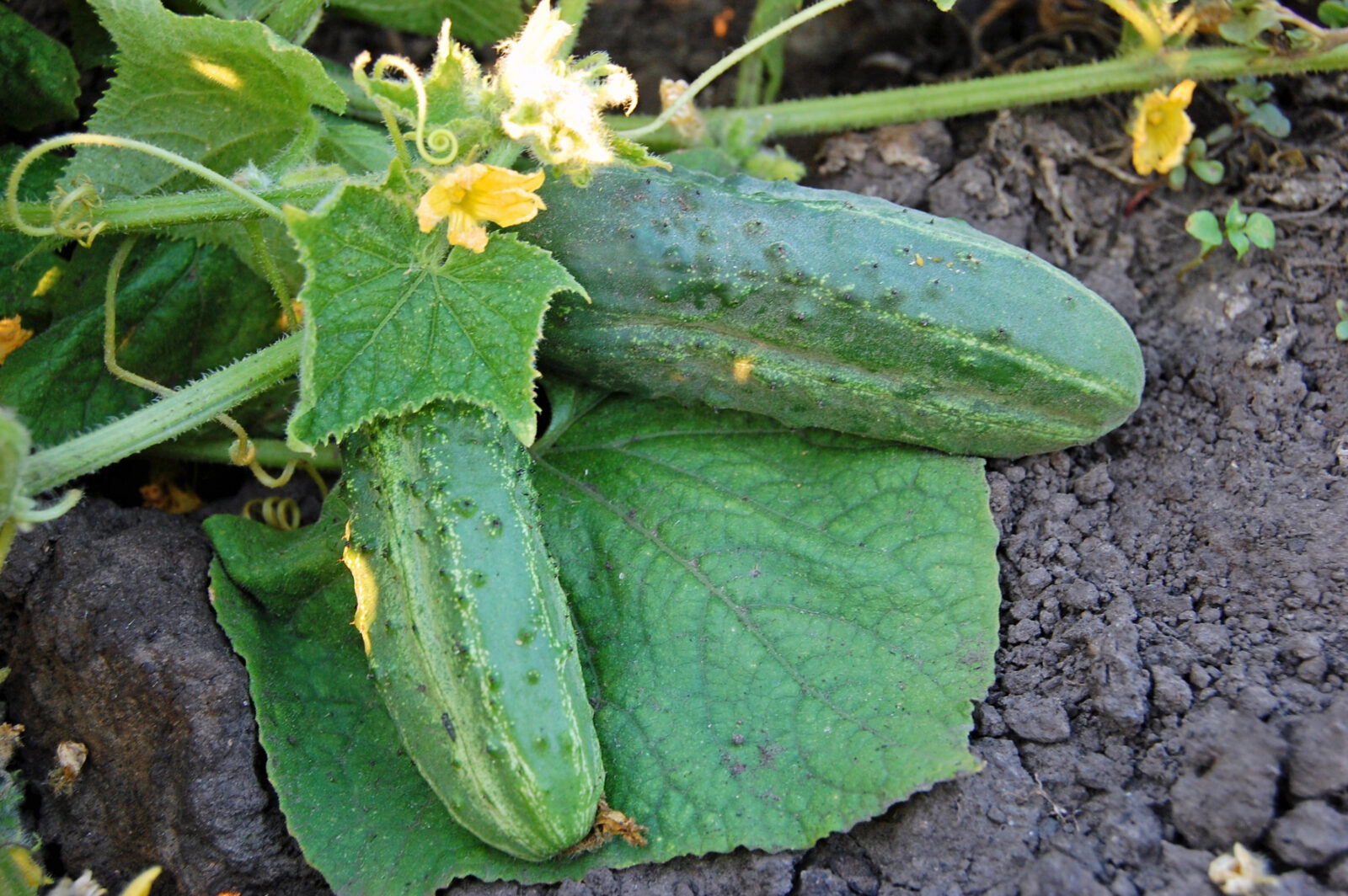
It’s safer to give cucumbers some distance from their cucurbit relatives and choose companion herbs alongside them. Nasturtium and basil work well; marjoram, parsley or chives can also be suitable. With better neighbour choices and the right site, cucumbers have a much better chance of staying healthy and rewarding you with a steady, abundant harvest.
What to remember for full baskets without mildew
The biggest risk is long-term shade, cool conditions and moisture lingering on the leaves. Avoid north-facing sides of buildings, tight corners with no breeze, and planting next to courgettes or pumpkins. If you give cucumbers sun, space and airier training on a support, you’ll greatly reduce the chance that mildew will destroy the plants before you even start harvesting regularly.
Source: Gardening Zone, Gardenia, Pestrazahrada.cz

A lover of nature, gardens, and everything that moves, blooms, or grows. He literally grows everything, from herbs to rare species, and he enjoys caring for animals just as much. In his work, he connects modern technology with tried-and-tested grandmotherly methods and is happy when both paths lead to the same goal.
Related articles
Next year you can harvest better if you don’t sow carrots where they won’t thrive
Carrot root fly can ruin carrots, parsley and celery from the inside out, often without obvious warning until harvest. Better site choice, rotation, later sowing and simple physical barriers can dramatically cut damage next season.

How to Propagate Roses from Cuttings at Home and Fill Your Garden with Blooms Almost for Free
Want more roses without paying for new plants? With a few healthy cuttings and a simple plastic-bottle mini greenhouse, you can root new bushes at home in just a few weeks.
Heathers can cope where other plants won’t, but one soil detail decides everything
Heathers and heaths are tough evergreen shrubs that can flower across the seasons when you choose the right types. Success hinges on matching the plant to your soil pH and ensuring free drainage.
Comments (0)
Be the first to comment.