
 English
  Polski
  Deutsch
  Nederlands
  Svenska
  Norsk
Norsk  Dansk
Dansk  Français
  Italiano
  Español
  Português
  Slovenčina
  Suomi
Suomi  Gaeilge
 Why You Shouldn’t Cut Tulips Back After Blooming and When to Lift the Bulbs
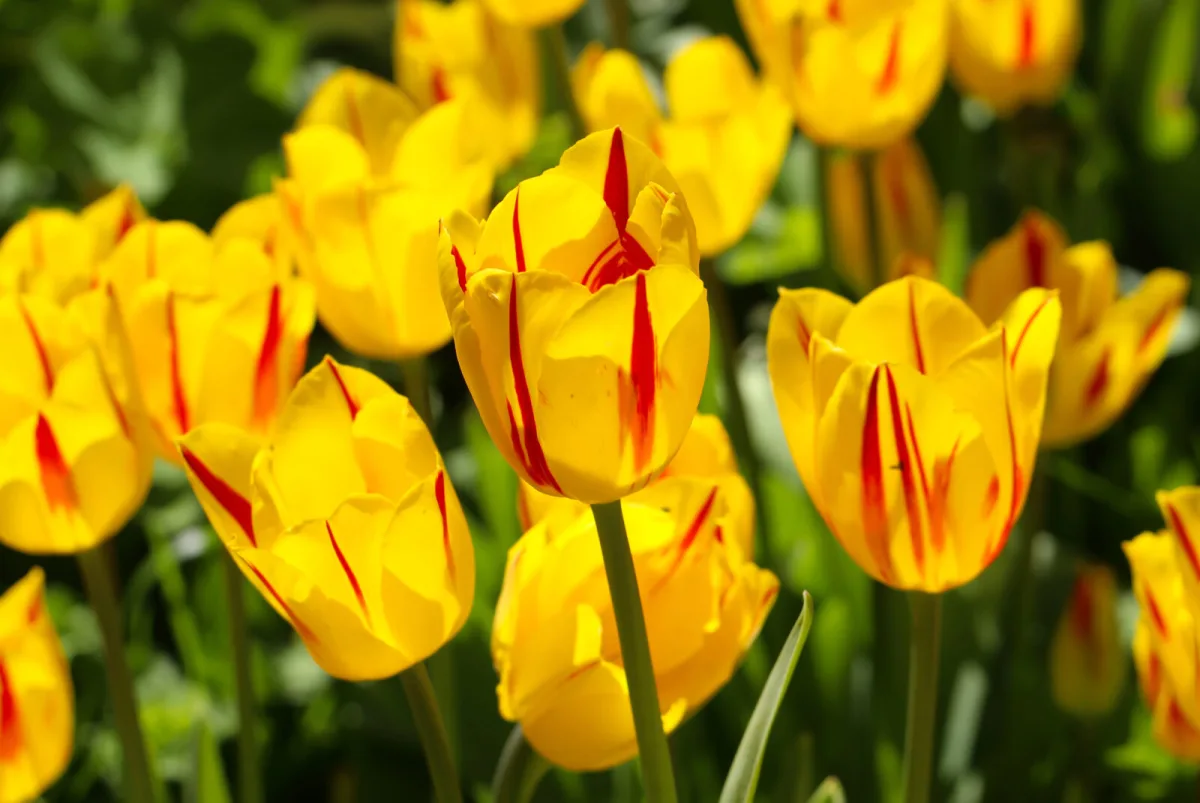
Tulips are among the most popular spring flowers, but it’s the period after flowering that decides how they’ll look next season. Many people, with the best intentions, cut the plants back right away to keep the bed looking tidy. But this often robs tulips of the chance to build a strong bulb, and the next year they may flower weakly, briefly, or not at all.
After flowering, tulips are still hard at work. The leaves and stem continue feeding the bulb and help it store reserves for next year. That’s why it doesn’t pay to rush the cutting back.
Why leaves and stems shouldn’t be cut off straight away
The basic rule is simple: as long as the leaves are green and firm, leave them in place. This is how the plant captures energy and sends it back down into the bulb. If you remove the top growth too early, that process stops and the bulb remains weak and immature, or it breaks up into small offsets that will spend several years just growing to size.
Cutting back too soon after flowering can mean fewer blooms, smaller blooms and a shorter flowering period next year.
What you can remove right away
Once the flower has fully finished and the petals have dropped, you can remove only the spent flower head. This prevents seed formation, which needlessly drains the plant. The stem and leaves, however, must stay until they naturally yellow and begin to die back.
Watering and feeding after flowering
Even after flowering ends, it’s worth not leaving tulips completely to their own devices. Keep the soil lightly moist, but don’t waterlog it, so the bulbs don’t start to rot. A feed can also help, especially a mix with phosphorus and potassium, which supports bulb ripening and stronger tissues. Nitrogen-heavy fertilisers are less suitable at this stage, as they encourage leafy growth rather than building reserves in the bulb.
When to cut the whole plant back
Tulips should only be cut back once most of the leaves have yellowed and are dry. That’s a clear signal the bulb has taken what it needs and has ripened. If you’re unsure, wait a few more days. Natural die-back is the best indicator of the right timing.
When to lift the bulbs and why to do it every year
With tulips, lifting the bulbs every year is often recommended. It helps reduce disease, improves flower size, and prevents overcrowding, where bulbs compete with one another. Lifting is done only after the leaves have yellowed and the top growth has withered, usually at the end of July.
A trial lift tells you more than the calendar
Before you lift them all, dig up two or three bulbs as a test. If they have brown, papery outer skins and the roots are well developed, it’s the right time. When you work, push the spade in a little deeper to avoid damaging or slicing through the bulbs.
What to do with damaged and healthy bulbs
Discard any rotten or soft bulbs without hesitation. Healthy bulbs are best treated in a potassium permanganate solution, roughly five percent, and then dried thoroughly. After that, place them in a crate and store them in a dry, dark, well-ventilated place.
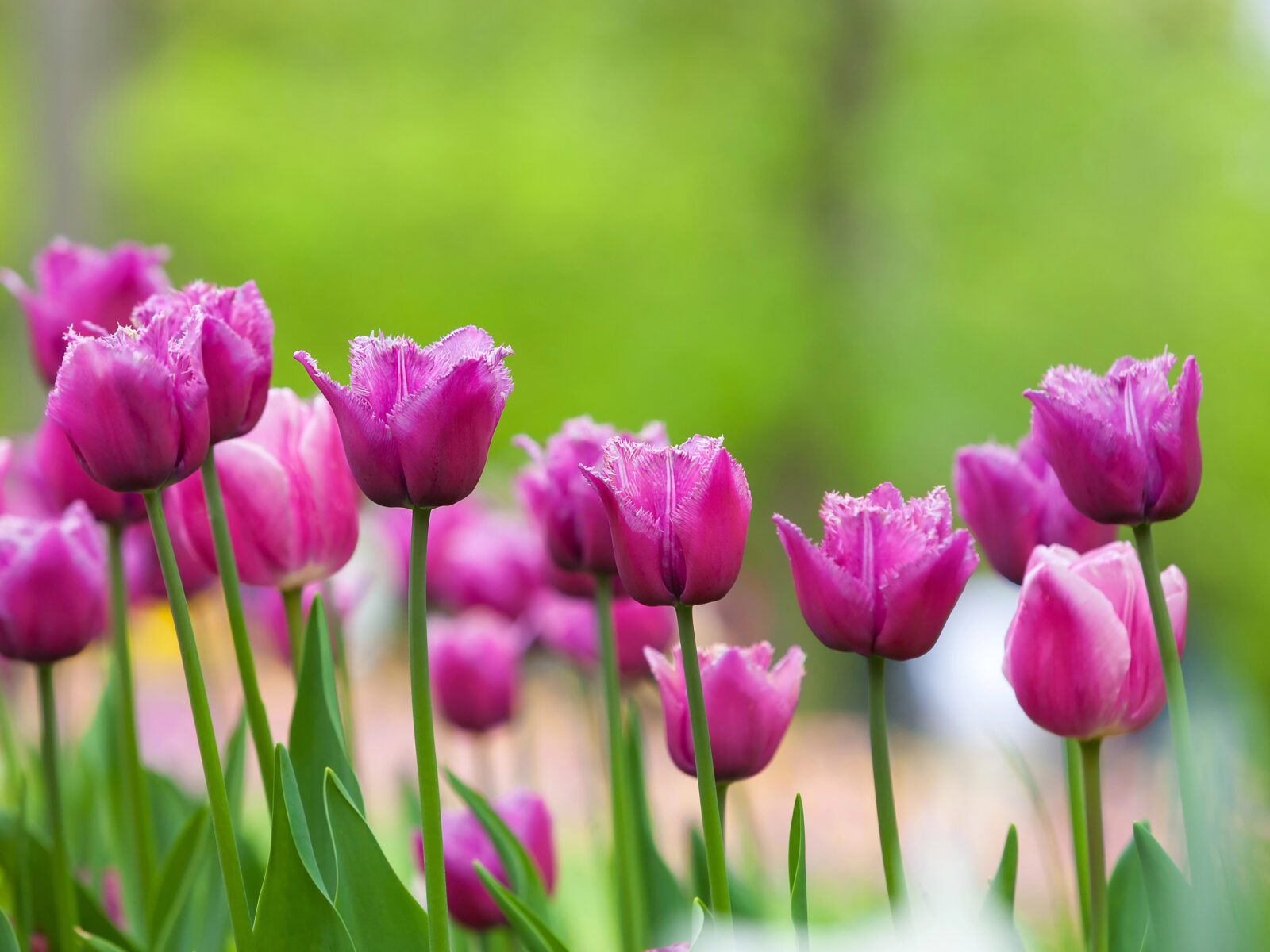
How to store bulbs so they don’t lose strength before planting
For the first weeks after lifting, a temperature around 23 °C is recommended so the bulbs can dry properly. Then it’s best to reduce the temperature to about 20 °C, and a few days before planting lower it again to roughly 17 °C. Good air circulation and dryness are crucial, because damp conditions increase the risk of mould.
When and how to plant tulips again
Tulips are planted once the average daytime temperature drops to around 7 °C. The bulbs need time to root before the first frosts, so they can get going in spring without delay and to reduce the risk of fungal diseases or pest problems.
Soil preparation and checking the bulbs
Prepare the bed a few weeks before planting. Loosen and dig over the soil and add a mineral fertiliser. Before planting, inspect the bulbs carefully again and, to be safe, give them one more brief treatment with potassium permanganate.
Depth and spacing make the difference
Plant bulbs to a depth of about three times their height. Keep spacing of roughly 10 to 15 cm between bulbs, with the rule that larger bulbs need more room. Correct spacing helps limit disease and ensures space for offsets to develop.
A simple routine that pays off in spring
If you let the leaves yellow naturally after flowering, limit cutting back to the spent flower head, provide light watering and suitable feeding, and lift the bulbs in time, treat them, store them and replant correctly, your tulips will reward you with sturdy stems and abundant flowering next season too.
Source: To je nápad, The Spruce, Pestrazahrada.cz

A lover of nature, gardens, and everything that moves, blooms, or grows. He literally grows everything, from herbs to rare species, and he enjoys caring for animals just as much. In his work, he connects modern technology with tried-and-tested grandmotherly methods and is happy when both paths lead to the same goal.
Related articles
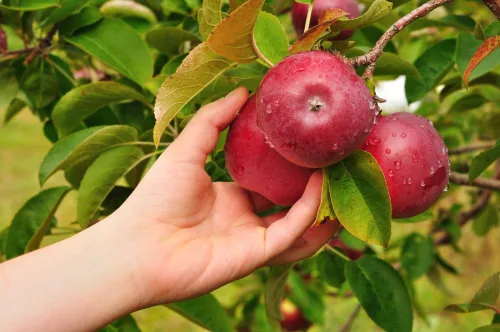
Picking Apples Without Mistakes Helps Keep Your Harvest Fresh and Rot-Free for Longer
How you handle apples at harvest has a huge impact on how long they keep. Gentle picking, careful sorting and the right storage conditions will help prevent rot and unnecessary losses.
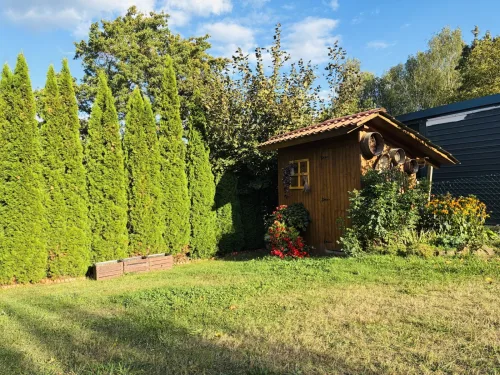
A Lawn Without Bare Patches Depends on Two Things People Rarely Mention
Sowing a lawn from seed is affordable and flexible, but success hinges on careful soil preparation, the right seed mix, and patient aftercare. Follow proven timing and sowing techniques to get a dense, even sward without bare patches.
September Pruning Can Be Fatal for Shrubs Leave These Types Alone
Early autumn can tempt you to tidy shrubs with the secateurs, but September pruning can trigger soft new growth, weaken plants for winter, and cost you next spring’s flowers. For many shrubs, waiting until after flowering or until spring is the safer choice.
Comments (0)
Be the first to comment.