
 English
  Polski
  Deutsch
  Nederlands
  Svenska
  Norsk
Norsk  Dansk
Dansk  Français
  Italiano
  Español
  Português
  Slovenčina
  Suomi
Suomi  Gaeilge
 Which Birch Tree Suits Your Home Practical Species Choice and Foolproof Care
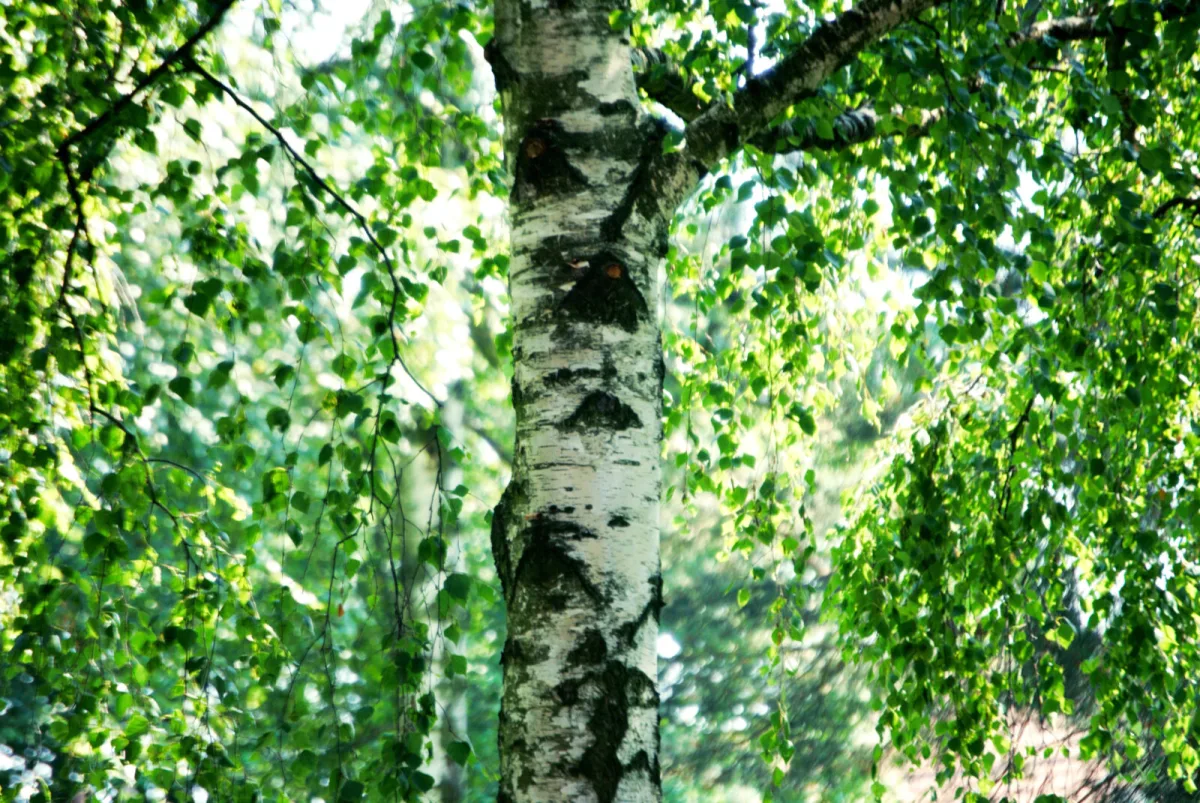
Birch is one of those trees that can transform a garden even when most plants are losing their appeal. Its greatest magic lies in the bark, which can be brilliant white, creamy, pink-tinged to cinnamon-brown and often peels away in fine strips. Paired with yellow autumn foliage it creates a bold contrast, and in winter it becomes a natural “light” feature against the dark backdrop of conifers, hedging or shade-loving shrubs.
In garden design, birch works as a specimen in a lawn, as a multi-stem tree with a light, airy habit, and as an element that helps link open space smoothly to a woodland edge or a more natural part of the plot. Its thin, open crown also lets plenty of light through, so a well-planned underplanting often performs well beneath birch.
The most common species and cultivars suitable for gardens
The genus Betula is surprisingly diverse, and the choice of species or cultivar is what decides whether a birch will be a joy or a source of headaches. Alongside the classic tall trees there are smaller cultivars suitable for front gardens, narrow spaces or even large containers on a terrace.
Silver birch and its garden forms
Silver birch (Betula pendula, sometimes also listed as Betula verrucosa) is the most common here. It’s characterised by white bark with dark scars and fine, drooping twigs. For smaller gardens, choose cultivars with restrained growth or a distinctive crown shape, such as weeping forms or more compact types. Another interesting option is cultivars with strongly coloured foliage, which can act as a colour focal point throughout the season.
Himalayan birch for lovers of dazzling white bark
Himalayan birch (Betula utilis, often grown as ‘Doorenbos’) is valued for its exceptionally pale, gradually even brilliant white bark that peels decoratively. It tends to grow more slowly and in gardens usually reaches a medium height, which makes it easier to use in residential settings. You’ll get the best effect if you place it so the bark is visible in winter from the house or along the main garden sightline.
River birch and Chinese red birch as striking specimens
River birch (Betula nigra) stands out for its warmer bark tones, which can shift to pink or cinnamon and again peel in strips. Weeping forms look elegant and suit water features or naturalistic plantings. Chinese red birch (Betula albosinensis, often sold as red birch) is a true collector’s gem thanks to its pink to copper bark with translucent edges, but it needs more space and is usually not ideal for small gardens.
Where birch will thrive and what to avoid
Birches are pioneer trees and look undemanding, yet they have clear preferences. In general, they love sun and fresh, rather cool soils where summer heat doesn’t overwarm the roots. In practice, this means they may struggle in an exposed, scorching spot without irrigation, while they’ll grow willingly where there is natural moisture and good drainage.
With some species, for example North American paper birch (Betula papyrifera), it’s often stressed that it copes poorly with urban conditions involving heat, drought and pollution. For heat-trapping courtyards and extremely dry front gardens, it’s therefore sensible to choose tougher trees, or plan for regular watering and mulch to hold moisture in the soil.
The most common cause of birch problems isn’t “bad soil”, but the combination of heat, drought and stress, which then increases susceptibility to pests.
Planting and basic care for a long-lived tree
Birch is best planted in full sun or light partial shade. The soil should be moist but not permanently waterlogged, ideally free-draining. After planting, a thorough watering and a layer of organic mulch will help stabilise soil temperature and reduce drying out. In the first years it’s crucial not to underestimate watering during hot spells, because the young tree is still building its root system.
Prune only when necessary. Birches “bleed” heavily after pruning, releasing sap, and fresh wounds can attract pests. If you need to remove damaged or poorly placed branches, choose a gentle timing and make clean cuts. With multi-stem forms, it pays to monitor spacing between stems and their angles while young, to minimise the risk of splitting later in wind or under the weight of snow.
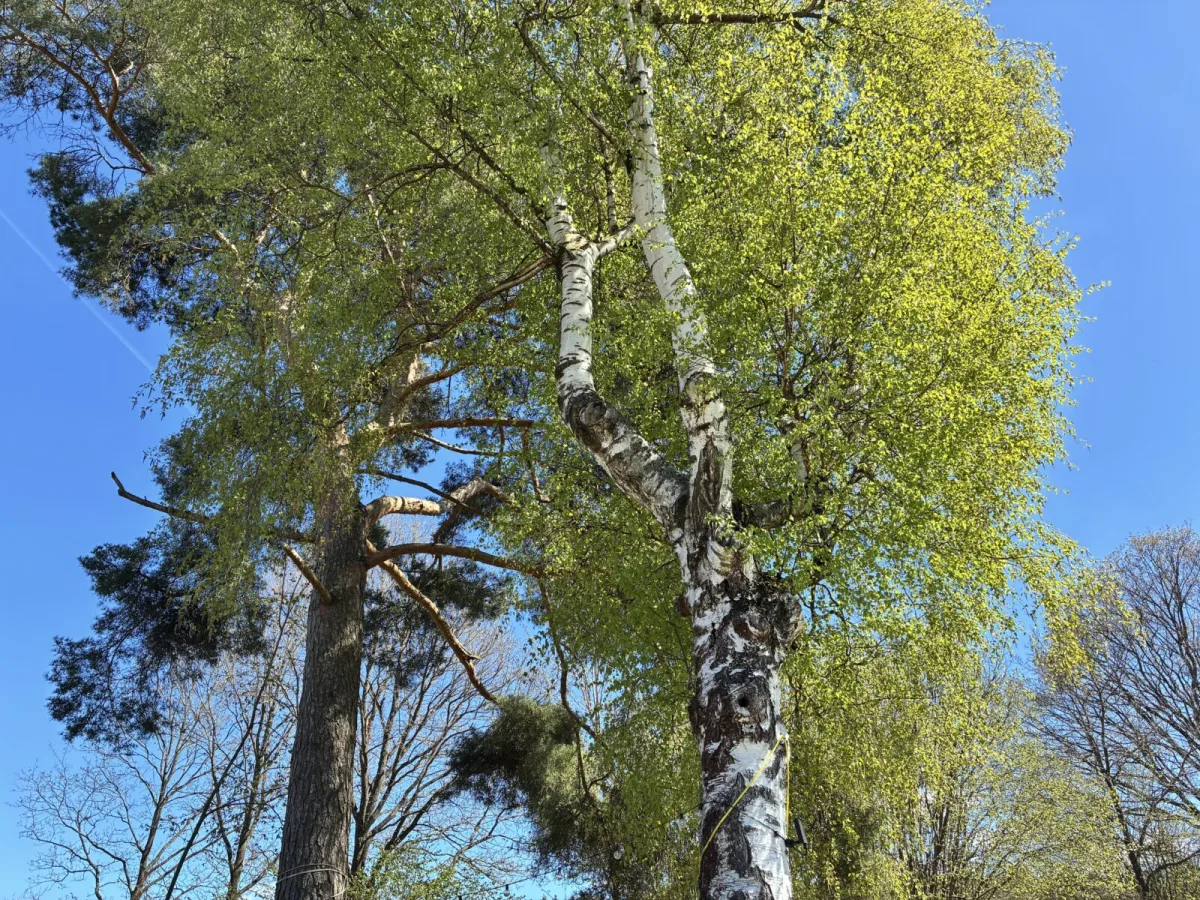
Pests, health risks and practical prevention
Birches can suffer from various insects and, when weakened, also from diseases. Particularly dangerous are wood-boring pests, which more often attack stressed trees. The best defence is prevention: keep the birch in good condition with sensible spring feeding, protect the soil with mulch, and water during dry periods. A tree that isn’t suffering from overheated roots and prolonged drought copes far better with pest pressure.
Birch and allergies why it can be a problem
One important topic is pollen allergy. Birch flowers in catkins and is among the major sources of highly allergenic pollen. If you know you react to birch, consider planting very carefully, especially in a smaller garden where you’ll spend a lot of time during flowering. The season is typically from March to May, and pollen spreads easily even from nearby trees, so sometimes it doesn’t help even if you don’t have a birch on your own plot.
What to pair with birch so it stands out all year
Birch looks best in plantings that play to its lightness and bark colour. It pairs beautifully with ornamental grasses with a fine texture, such as Miscanthus, fountain grass, sedges or feather grass, because together they create an airy composition. For winter impact, shrubs with colourful stems work well, typically dogwoods with red or green bark, which create a strong contrast with birch even without leaves. In partial shade beneath the open crown, shade-tolerant perennials come into their own, such as hostas or heucheras, as well as low-maintenance groundcovers that help keep the soil cooler.
How to choose the right birch for your space
When choosing, watch two things: the eventual size and the site conditions. For a small garden, select more compact cultivars or multi-stem forms with moderate growth so the birch doesn’t become a problem within a few years. In larger gardens, you can opt for species with striking bark and a higher crown that will read from a distance. But the rule always holds: birch will be at its most beautiful where it has plenty of light, roots in cooler soil, and where you’re not forcing it to survive long-term in a parched, overheated corner.
A well-chosen birch then isn’t just “another tree”, but a long-term structural backbone of the garden, offering changing beauty from spring catkins through summer shade to the winter tracery of bark and branches.
Source: Gardening Know How, Naše krásná zahrada , Pestrazahrada.cz
Related articles

Next year you can harvest better if you don’t sow carrots where they won’t thrive
Carrot root fly can ruin carrots, parsley and celery from the inside out, often without obvious warning until harvest. Better site choice, rotation, later sowing and simple physical barriers can dramatically cut damage next season.
How to Propagate Roses from Cuttings at Home and Fill Your Garden with Blooms Almost for Free
Want more roses without paying for new plants? With a few healthy cuttings and a simple plastic-bottle mini greenhouse, you can root new bushes at home in just a few weeks.
Heathers can cope where other plants won’t, but one soil detail decides everything
Heathers and heaths are tough evergreen shrubs that can flower across the seasons when you choose the right types. Success hinges on matching the plant to your soil pH and ensuring free drainage.
Comments (0)
Be the first to comment.