
 English
  Polski
  Deutsch
  Nederlands
  Svenska
  Norsk
Norsk  Dansk
Dansk  Français
  Italiano
  Español
  Português
  Slovenčina
  Suomi
Suomi  Gaeilge
 When and How to Sow Pumpkins Directly Outdoors for Fast Germination and a Heavy Crop
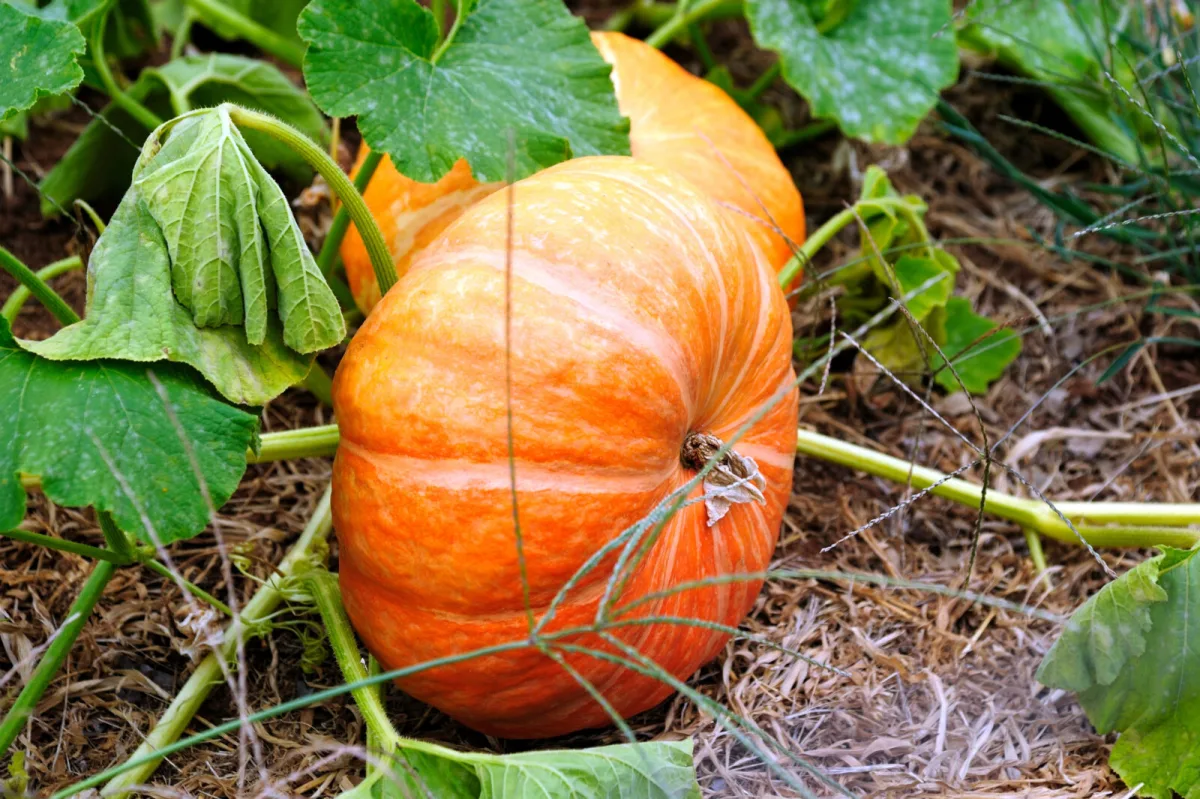
Pumpkins are among the warm-season fruiting vegetables grown here in many species and varieties. Although you can start them in pots, from late April into May it’s often best to sow them directly outdoors. The plants then suffer less from transplanting, establish a strong root system faster, and with good care will crop from summer right through autumn. The harvest can be used for cooking, baking, soups, purées, as well as for decorations or carving.
Site and soil determine success
Pumpkins thrive in full sun, where they get plenty of warmth all day. The soil should be fertile, loose and slightly moist, but not waterlogged. A common mistake is sowing into cold ground or into a bed that’s exhausted and lacking organic matter. Pumpkins are heavy feeders, so it helps to work in well-rotted compost or aged manure. It’s also worth remembering that roots can reach roughly 40 cm deep, so the bed needs proper preparation below the surface too.
Space is the other key condition. Standard trailing varieties need room for their vines; giant types need even more. If you’re short on space, you can train shoots toward the edge of the bed, and with smaller varieties it can sometimes help to grow them up a sturdy support—though you’ll need to secure the developing fruits so they don’t snap off.
When to sow pumpkins so seeds don’t rot and plants don’t get chilled
Pumpkins are sensitive to cold. Don’t rush sowing outdoors until the risk of frost has passed and the soil has genuinely warmed. In practice, that’s usually late April through May, and in cooler areas easily later. If you have a short season, start seeds 2 to 4 weeks before the last frost and then harden off the seedlings before planting out.
It’s also worth thinking about when you want to harvest. Each variety has a different growing period, often about 75 to 100 frost-free days, and significantly more for giant pumpkins. For varieties grown for autumn decorations or carving, it helps to count back from when you want ripe fruit.
Preparing the bed step by step
Weeding and loosening
First, thoroughly clear the chosen spot of weeds. Then loosen the soil to about 10 to 15 cm so it’s airy and the seeds have good conditions for germination. With pumpkins, careful bed preparation is especially important because early growth determines how quickly the plant builds strength and how well it will set fruit later.
Incorporating compost and making sowing pockets
Work well-rotted compost, or alternatively aged manure, into the soil. Then create sowing pockets. Think of a pocket as a spot where you sow a small group of seeds, either on level ground or on a slight mound. A gently raised spot warms faster and drains surplus water better, reducing the risk of rot.
Watering before sowing
Before you put the seeds in, it’s practical to water the pockets. Moisture around the seeds speeds up germination, especially if the soil surface is dry. Water thoroughly, but not so much that you create mud where the seeds struggle to breathe.
How to sow seeds outdoors correctly
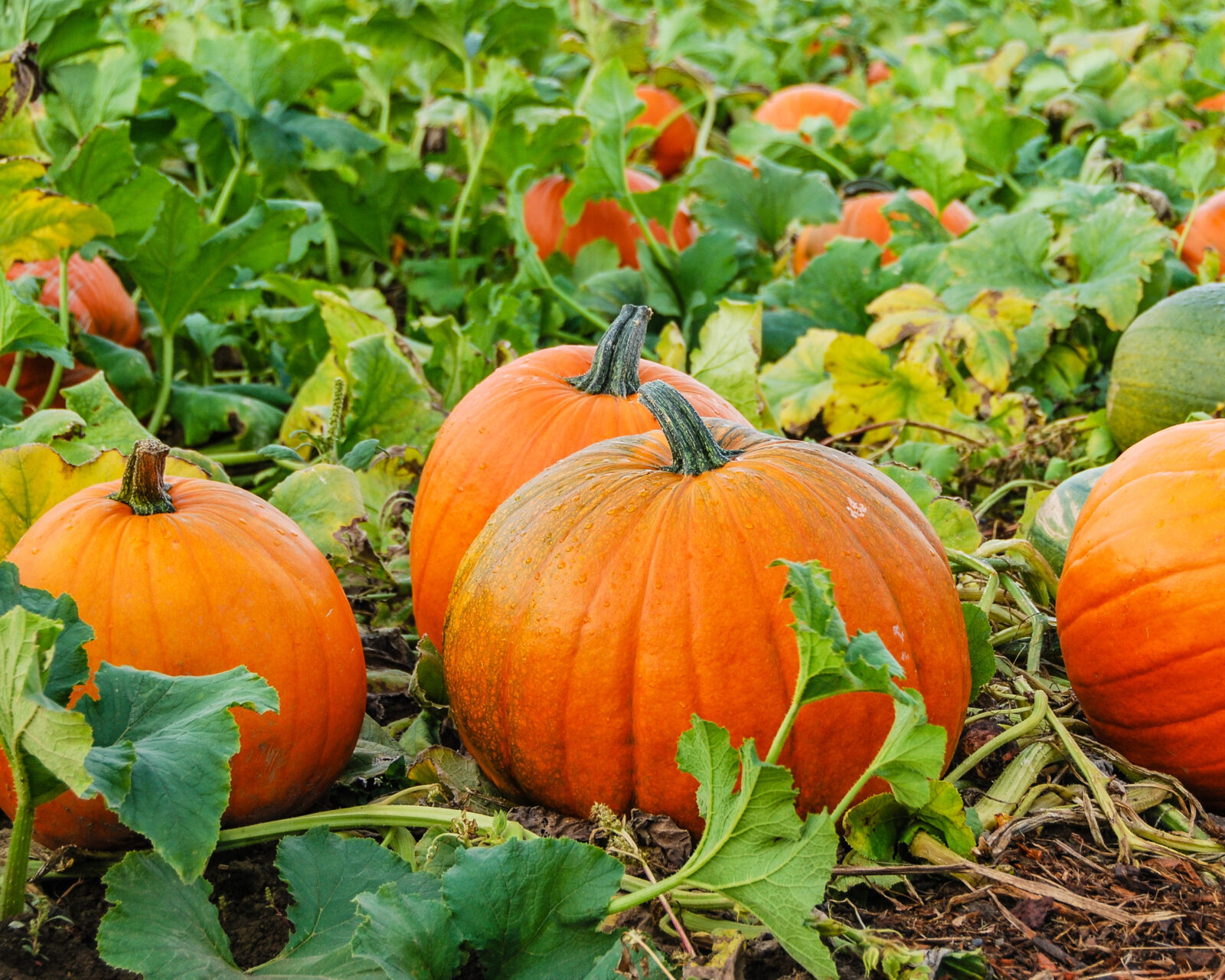
In a prepared pocket, you typically sow two to three seeds about 2 to 3 cm deep. Some gardeners sow more and later keep the strongest plants, but a smaller number also works if you have quality seed and good conditions. After covering, gently firm the soil so the seeds contact moist earth, and keep the spot evenly moist until emergence.
Once the plants have grown a little, it’s best to thin them. Keep the strongest individuals and remove the weaker ones, ideally by snipping them off at soil level so you don’t disturb the roots of the plants you’re keeping.
Watering and care through the season
Pumpkins need regular water, especially when fruits are setting and swelling. In general, they do better with deeper watering less often than frequent light sprinkling. Water ideally in the morning, or on very hot days also in the afternoon, but try not to wet leaves and fruits unnecessarily, as prolonged surface moisture encourages rot and fungal diseases. Mulch helps by holding moisture, suppressing weeds, and keeping fruits from sitting directly on wet soil.
Be careful when weeding. Pumpkins have relatively shallow roots and they’re easy to damage. Protect the vines as well, because their condition directly affects fruit quality.
Feeding and supporting fruit set
Pumpkins are classic heavy feeders, meaning they use a lot of nutrients. Besides compost at bed preparation, feeding during growth helps too—for example with compost tea. Early on, when the plant is building mainly leafy growth, it responds well to nutrition with a higher nitrogen share. Before and during flowering, feeding aimed at flowering and fruit set makes more sense, with an emphasis on phosphorus. Overfeeding, however, can cause the plant to grow lushly at the expense of fruit.
It’s common for the first flowers not to set fruit right away. Pumpkins produce male and female flowers, and successful cropping depends on them appearing at the right time and being pollinated. Without pollinators, fruit set is often poor, so it’s worth taking a bee-friendly approach. If you must treat for pests, applying products in the evening is usually better, when flowers are closed and bees aren’t flying.
How to get bigger, more even pumpkins
If you want to encourage larger fruit, you can limit further vine growth after a few pumpkins have formed. Gardeners sometimes pinch out the shoot tips so the plant focuses energy on ripening fruit. With some varieties it can also pay to leave only a limited number of fruits per plant and remove the other small embryos.
Fruits lying on the ground can rot easily, especially in rainy weather. Rest them on a board, stone, or a breathable mat so moisture doesn’t sit underneath. If you need to turn a fruit during growth for shape, do it very carefully to avoid damaging the stem or vine.
Harvest at the right time
Pumpkins store best when they’re truly mature. Don’t harvest by size alone—look for ripeness signs. The skin should be hard and coloured to the rich, characteristic shade of the variety, and the stem gradually turns corky and tough. If you press a fingernail into the skin, it shouldn’t puncture easily. Harvest in dry weather, ideally when the foliage is declining and losing vigour.
Cut the fruit with a sharp knife or pruners—don’t pull it off. Leave a longer stem, roughly a few centimetres, because this improves keeping quality. Handle pumpkins gently; bruises later become spots prone to rot. Never carry them by the stem.
Curing and storage
For longer keeping, it’s important to cure pumpkins after harvest—allow the skin to harden and small surface wounds to heal. A warm, dry, well-ventilated place is ideal, where they can finish drying for several days up to about ten days. Only then move them to a cooler, dry room, such as a cellar. The right conditions can extend storage to weeks or months, depending on the variety and the health of the fruit.
The longest-lasting pumpkins are those harvested fully ripe, with healthy skin and a section of stem left on.
Most common problems and how to prevent them
Poor fruit set is often caused by lack of light, cold or rainy weather during flowering, overfeeding with nitrogen, or low pollinator activity. Disease-wise, you may see various leaf spots and powdery mildew, which are encouraged by muggy conditions and poor airflow through the foliage. It helps not to overwater, to reduce wetting the leaves, to give plants enough space, and to regularly remove heavily infected parts.
As for pests, pumpkins can be attacked by aphids and other insects that damage leaves and flowers. Early monitoring and gentle interventions are more effective than late fixes. If you want to be preventative, keep the bed tidy, reduce weeds, mulch, and remove plant debris after the season so pests and pathogens don’t overwinter there.
How to choose a variety based on use
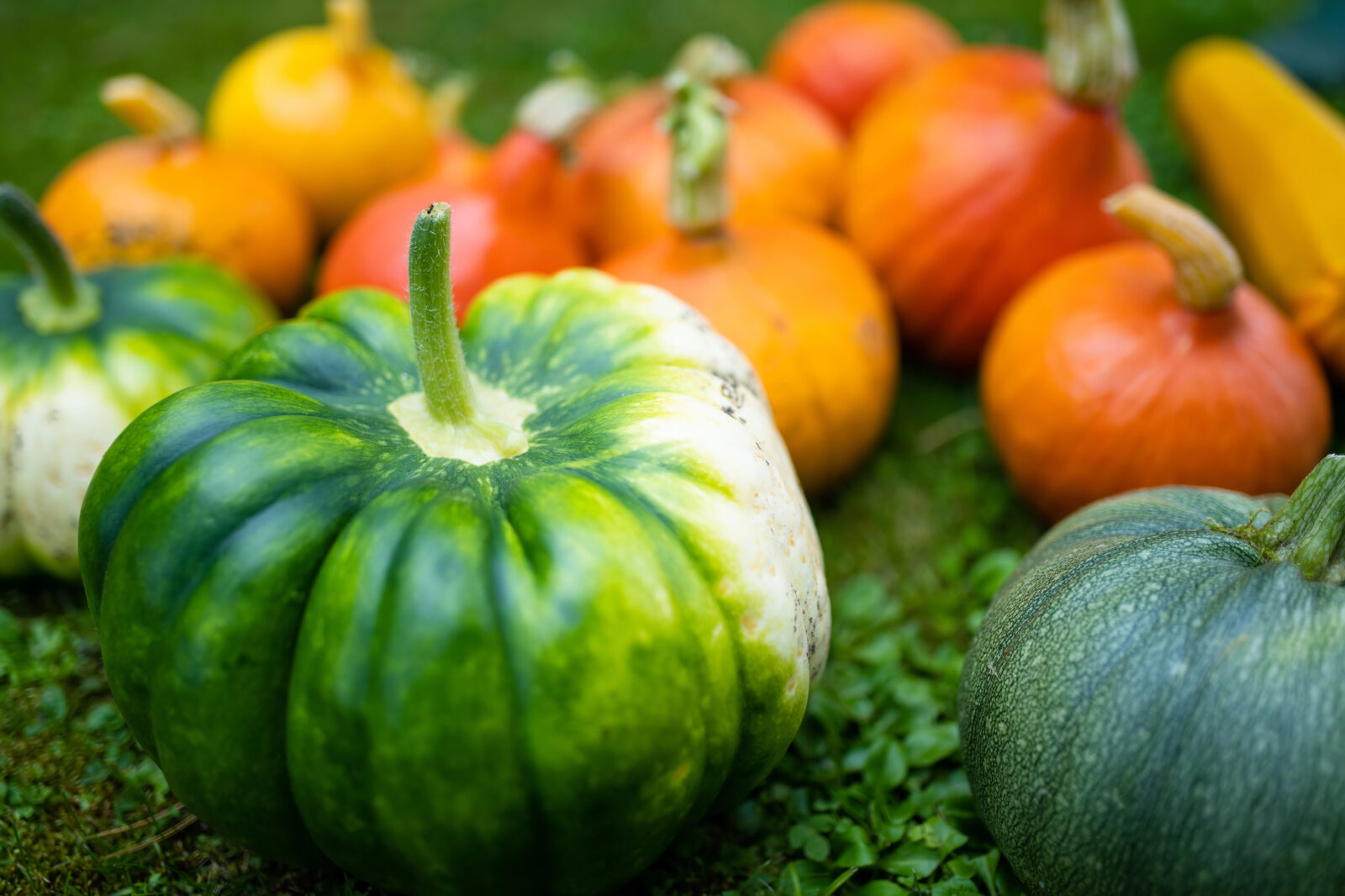
When choosing a variety, it helps to know what you want the pumpkins for. Some types are best for the kitchen thanks to sweet flesh, others are ideal for carving because of their shape and firm skin, and others are grown mainly for colour and decorative effect. Miniature pumpkins can be very productive and a single plant may carry a larger number. Giant varieties, on the other hand, need a long season, plenty of space, and systematic feeding if the fruit is to reach truly impressive size.
What to remember before sowing
Success with pumpkins usually comes down to a few points: a warm, sunny spot; soil rich in organic matter; sowing only once the soil has warmed; sensible spacing; and regular, deeper watering—especially while fruits are forming. Add mulch, careful weeding, and support for pollinators, and you’ll get healthy plants and a harvest that lasts not only on the plate, but often for a long time in storage too.
Source: BHG, Almanac, Gardenly, Pestrazahrada.cz

A lover of nature, gardens, and everything that moves, blooms, or grows. He literally grows everything, from herbs to rare species, and he enjoys caring for animals just as much. In his work, he connects modern technology with tried-and-tested grandmotherly methods and is happy when both paths lead to the same goal.
Related articles
The Christmas Amaryllis That Can Bloom for Years but Most People Throw It Away After Flowering
Hippeastrum is a spectacular winter-blooming bulb that, with the right care, will flower again year after year. Learn how to plant it correctly, look after it after flowering, and bring it into dormancy so it reliably reblooms.
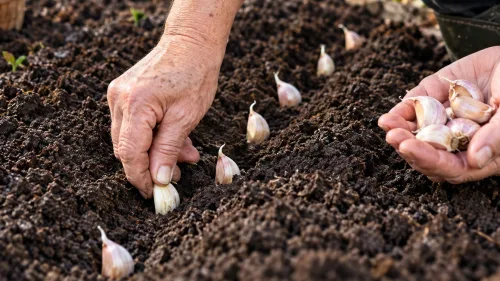
How to Grow Winter Garlic for a Much Bigger Harvest
Autumn planting is the key to strong, healthy winter garlic, but the details make all the difference. With the right timing, bed choice, seed-clove treatment and a simple bicarbonate trick, you can noticeably boost yield.
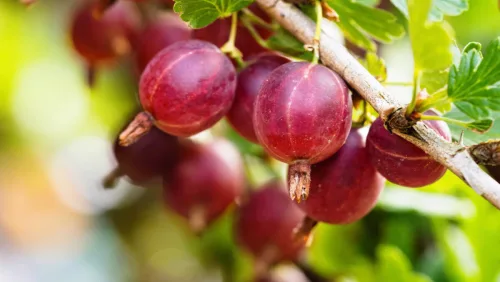
A tree or shrub planted properly in autumn can outpace spring stock and improve fruiting
Many fruit trees and soft-fruit shrubs establish better when planted in autumn, because roots keep growing while the top is dormant. Done well, this head start means stronger spring growth, less watering, and a healthier first year.
Comments (0)
Be the first to comment.