
 English
  Polski
  Deutsch
  Nederlands
  Svenska
  Norsk
Norsk  Dansk
Dansk  Français
  Italiano
  Español
  Português
  Slovenčina
  Suomi
Suomi  Gaeilge
 When and how to prune wisteria so it flowers fully and doesn’t wreck its support or your walls
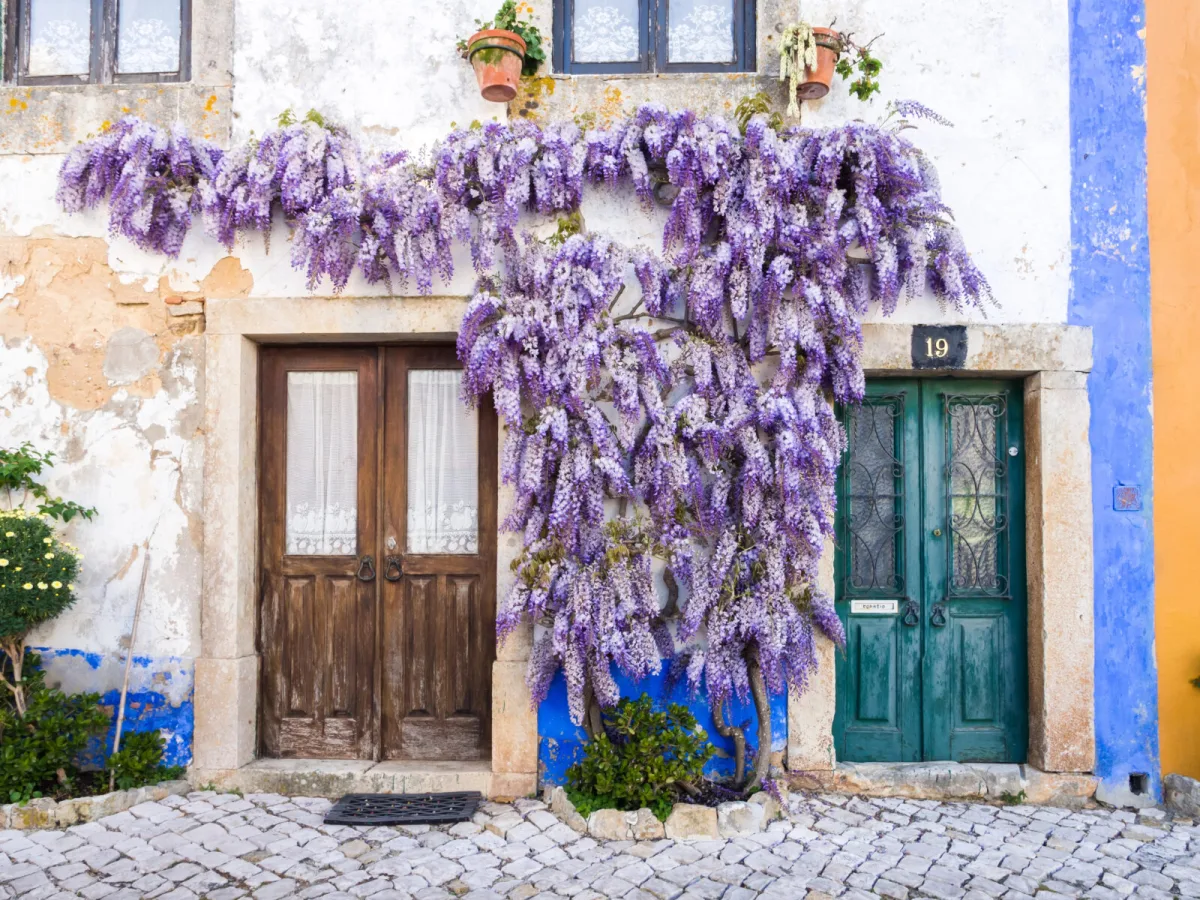
Wisteria (Wisteria spp.) is one of the most spectacular long-lived woody climbers. In spring and early summer it produces cascading clusters of blue-purple, white, or pink flowers with a wonderful fragrance, turning a pergola or arch into a living floral canopy. At the same time, it’s notorious for growing very fast, building up serious weight, and being utterly uncompromising with its surroundings and any structure in its reach. Plant it without a plan and, a few years later, you may find your wisteria treating the fence, the guttering, and even nearby shrubs as perfectly acceptable supports.
A key rule is this: wisteria flowers mainly on new wood. That matters not only for the number of blooms, but also for getting the timing of pruning right. After flowering, the plant often carries brown, bean-like pods that can persist into winter and can be quite decorative.
Safety and toxicity
It’s wise to handle wisteria with care. All parts of the plant contain toxic compounds that can cause digestive upset in people and animals, and in larger amounts may lead to serious complications. The seeds and pods are especially risky, because they don’t look particularly off-putting and a child or pet may eat more than is safe.
Practical tip: If children or dogs spend time around the pergola, consider removing the pods regularly after flowering and make sure prunings aren’t left within reach.
Types and choosing the right wisteria
In gardens, Asian species are most commonly grown—especially Chinese wisteria (Wisteria sinensis) and Japanese wisteria (Wisteria floribunda). Both can produce very long shoots and, in good conditions, grow to impressive size. In general, Asian wisterias tend to be more vigorous and forceful. For smaller gardens, or for gardeners who don’t want a constant “wrestling match,” more restrained types and cultivars are often recommended.
A useful clue can be when the flowers appear: some wisterias bloom before the leaves fully expand, while others flower only after leaf-out in late spring. For most gardeners, though, even more important than botanical detail is the plant’s origin. Choose a strong plant grown from cuttings or a grafted specimen—seed-grown plants can take a very long time to flower.
Where to place wisteria so it thrives
Sun is the foundation of flowering
Wisteria will tolerate partial shade, but then it often flowers poorly or not at all. For reliable flowering it needs as much light as possible—ideally full sun for most of the day. If the upper part of the structure is shaded, the plant may produce long green whips with few or no blooms.
Soil and moisture
It does best in fertile soil that stays moist yet drains well. In typical garden soil it usually grows without issues; on poorer ground, working in compost helps. In the first years after planting, don’t underestimate watering during prolonged dry spells—later on the plant is relatively drought tolerant.
Distance from the house and vulnerable areas
Strong shoots can thread into gaps, wrap around anything, and gradually exert pressure. That’s why it’s not recommended to plant wisteria right up against a facade, gutters, timber cladding, or flimsy fences. Give it room and direct it onto a freestanding support.
The support must be genuinely robust
One of the most common mistakes is an underbuilt support. Wisteria becomes woody over time, trunks thicken, and the whole plant can be extremely heavy—especially after rain. A pergola, trellis, or arch should be made from substantial timber or metal and anchored to withstand both pull and weight. Wisteria can also be trained along wires on a wall or fence, but even there you need to allow for the fact that lightweight cable systems can be distorted over time.
Planting step by step
The best time is spring or autumn, when the plant is dormant. Dig a hole roughly as deep as the rootball and about two to three times wider, so the roots have room to spread. If you’re planting more than one, leave generous spacing, because they need both space and air movement.
After planting, water thoroughly and decide straight away which shoot will be the main leader and where you will train it. The sooner you establish a clear framework, the less work you’ll have later.
Year-round care and feeding
Each spring, a layer of compost around the root area and a mulch to conserve moisture and suppress weeds are beneficial. Don’t overdo fertilising, especially with nitrogen. Excess nitrogen often results in lush foliage while flowers fail to appear. Some growers encourage flowering with phosphorus, but more important than any “miracle” product are light levels and correct pruning.
Pruning is the secret to abundant flowering
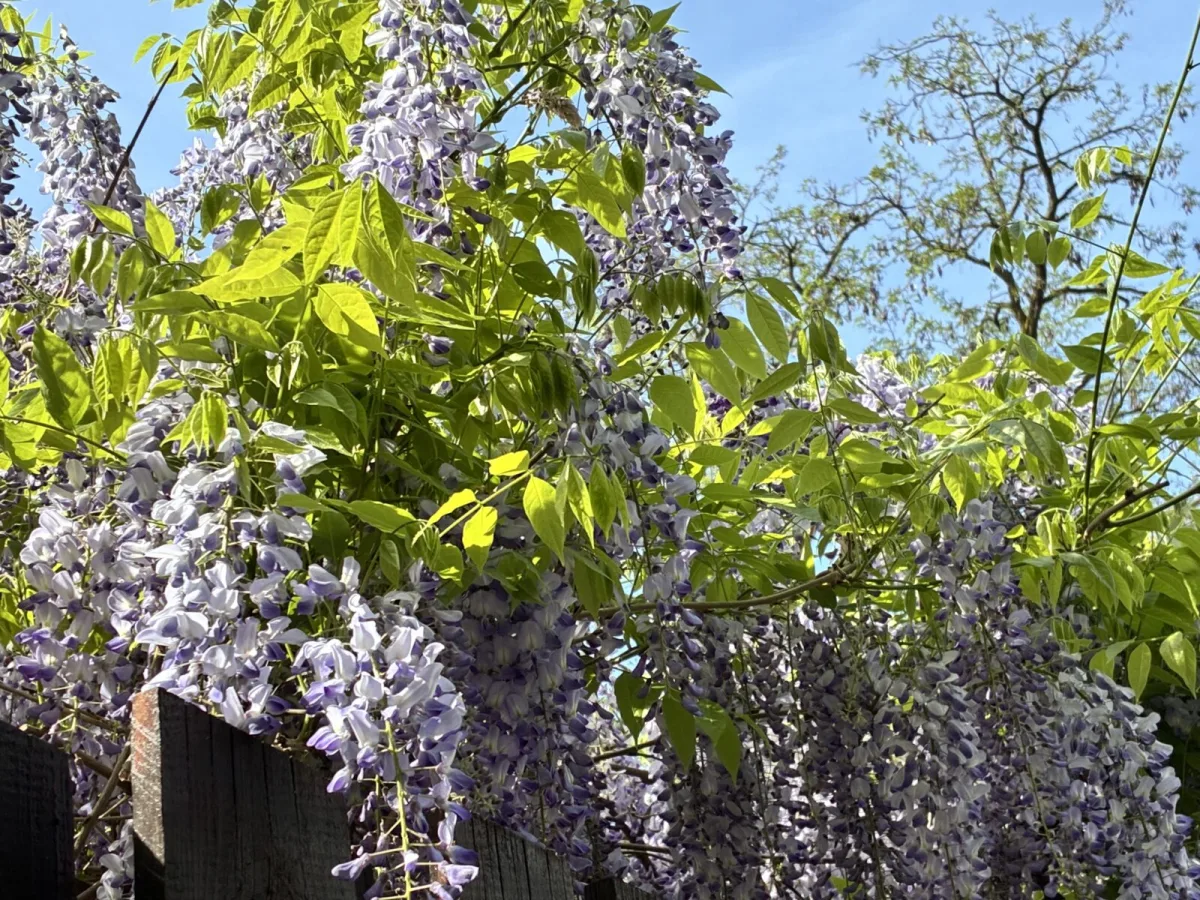
If you take just one thing from this article, let it be this: without pruning, wisteria is often beautifully green—but with few flowers. Pruning is usually done in two phases. In summer, after flowering, side shoots are shortened to form short flowering spurs along the main framework. In late winter, those same side shoots are shortened again, usually to a few buds, which encourages flower production on new wood.
With an overgrown, neglected wisteria, a more drastic intervention and a gradual rebuild of the framework is sometimes needed. It’s normal that after hard pruning the plant throws out lots of long, vegetative whips. Be patient and keep directing them; if needed, shorten them through summer so the plant’s energy is gradually redirected into flowering.
Why wisteria doesn’t flower and what to do about it
The most common reason is the plant’s age and origin. Young plants—especially seedlings—may take a long time to bloom. Other frequent causes are shade, too much high-nitrogen feed, or incorrect pruning. Sometimes flower buds are damaged by late frost, and then the season is weaker even on an otherwise well-managed plant.
Practical advice: To improve your chances of flowers, give wisteria maximum sun, don’t overfeed with nitrogen, and stick to regular summer and winter pruning. A healthy, well-trained plant will reward you more reliably over time than one left “to its own devices.”
Flowers for a vase and small garden uses
Wisteria flower clusters look exceptional in a vase. Cut the racemes when the flowers are freshly open, shorten the stem with a clean, sharp cut, and remove most of the leaves so they don’t transpire water unnecessarily. In a vase they typically last about a week, depending on room temperature.
Diseases and pests
Wisteria is generally resilient, but leaf spots, shoot dieback, viral diseases, or problems around the crown can occur. Among pests, it may sometimes be bothered by aphids, scale insects, and other sap-suckers that weaken young growth. Good airflow, sensible watering, and regular pruning are the best prevention, keeping the plant vigorous and reducing disease pressure.
Wisteria is a commitment for decades
Wisteria isn’t a “quick one-season decoration,” but a long-term project. Give it the right site, a solid support, and a clear pruning routine, and it can become the showpiece of your garden for many years. But plant it too close to buildings and neglect regular restraint, and you may discover that the most beautiful climber can easily turn into a tireless conqueror. Properly trained, though, wisteria is one of the greatest spring spectacles a garden can offer.
Source: Almanac, Garden Design , Pestrazahrada.cz
Related articles
The Christmas Amaryllis That Can Bloom for Years but Most People Throw It Away After Flowering
Hippeastrum is a spectacular winter-blooming bulb that, with the right care, will flower again year after year. Learn how to plant it correctly, look after it after flowering, and bring it into dormancy so it reliably reblooms.
How to Grow Winter Garlic for a Much Bigger Harvest
Autumn planting is the key to strong, healthy winter garlic, but the details make all the difference. With the right timing, bed choice, seed-clove treatment and a simple bicarbonate trick, you can noticeably boost yield.
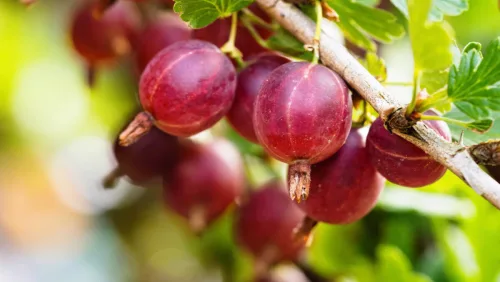
A tree or shrub planted properly in autumn can outpace spring stock and improve fruiting
Many fruit trees and soft-fruit shrubs establish better when planted in autumn, because roots keep growing while the top is dormant. Done well, this head start means stronger spring growth, less watering, and a healthier first year.
Comments (0)
Be the first to comment.