
 English
  Polski
  Deutsch
  Nederlands
  Svenska
  Norsk
Norsk  Dansk
Dansk  Français
  Italiano
  Español
  Português
  Slovenčina
  Suomi
Suomi  Gaeilge
 An Unusual Kitchen Fertiliser for Raspberries for a Bigger, Sweeter Crop
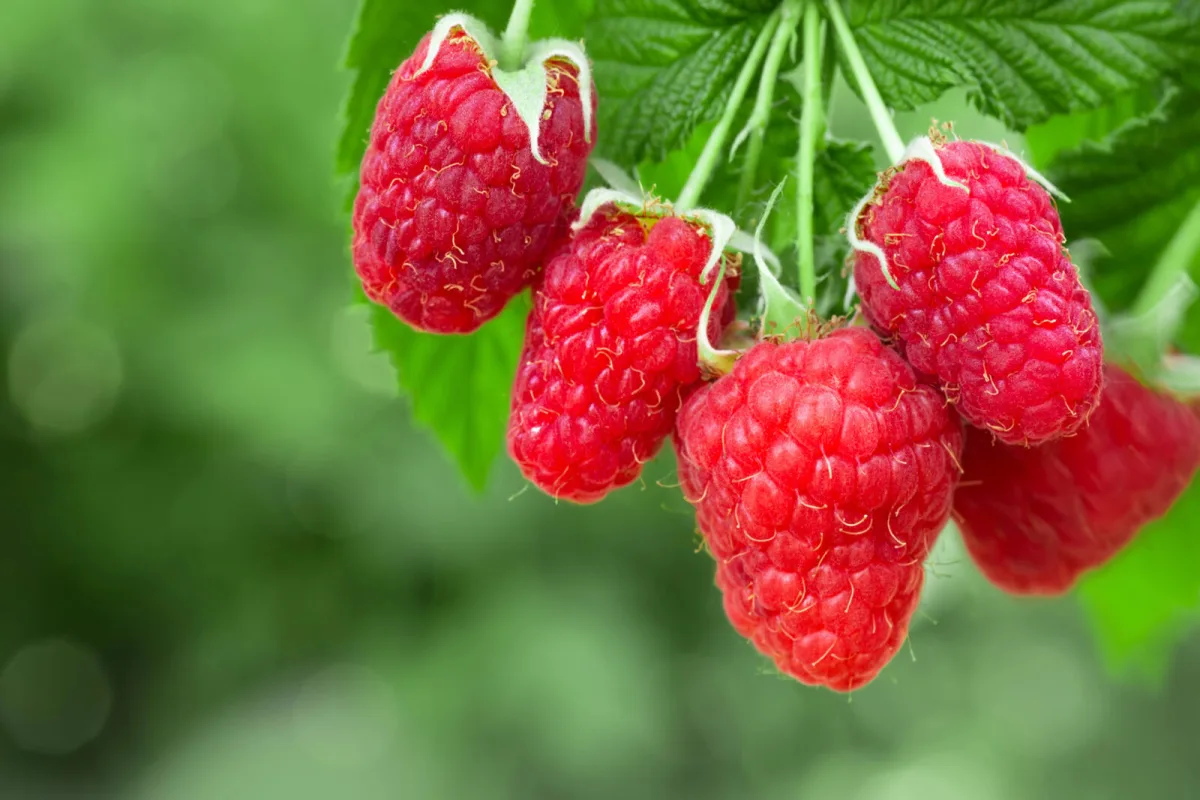
Raspberry bushes are often considered low-maintenance, which can lead us to let them grow with almost no intervention. Then it’s easy to end up with berries that are small, less fragrant and rather bland. If you want canes that produce plenty of raspberries and, importantly, sweet ones, it pays not to skimp on the basics: light, watering, feeding, pruning and pest protection. A lot also depends on how quickly the plant recovers after carrying a heavy crop and whether it has the strength to produce new canes for next season.
Rice-water feed from the kitchen as a gentle fertiliser
A simple helper can be found at home. Rice water can serve as a mild natural feed that supplies raspberries with substances that support growth and overall vigour. Rice contains B vitamins and a range of minerals, for example magnesium, phosphorus, potassium, calcium, manganese, copper and selenium. It also naturally contains starch and antioxidants. This combination of components can help keep bushes in better condition, support their resilience, and improve the size and taste of the fruit.
Spring is the ideal time for the first feed, because the plant is starting the new season and can make good use of available nutrients.
How to prepare rice fertiliser for raspberries
Put rice into a container and cover it with water. Leave it to stand for about an hour, stirring gently now and then so more valuable substances are released into the water. Then strain the rice into another container and add one tablespoon of sugar to the resulting liquid. Mix well until the sugar dissolves. Pour about 1 litre of this liquid directly onto the roots of each plant.
Alternatively, you can use rice flour. In that case, whisk 1 teaspoon of rice flour into 1 litre of water and use it in the same way as a root drench.
Eight steps that will help you harvest more raspberries
Sun is essential; shade reduces fruit set
Raspberries need plenty of light. A short spell of morning shade is usually fine, but if the plant sits in shade for most of the day, you’ll see it in a smaller crop and poorer ripening. Moving it to a sunnier spot often brings a noticeable improvement as soon as the next season.
Watering needs to be thorough, but never waterlogged
Consistent watering can significantly affect the number of berries, especially in dry periods. At the same time, it’s important that the roots don’t sit in constantly wet soil, where they can rot. The goal is to keep the soil evenly moist according to the weather, not alternately bone-dry and swampy.
Organic feeding is a reliable route to strong growth
Raspberries appreciate compost or well-rotted organic matter. A common recommendation is about 10 kg of organic material per 1 m². Other organic fertilisers can work well too, such as poultry manure, provided it’s properly processed and not used in excessive amounts. After flowering and during ripening, a nitrogen boost is sometimes used, or carefully applied mineral fertilisers. The key is not to overfeed and always time nutrients so they help the plant rather than harm it.
Ongoing pruning keeps the plant productive
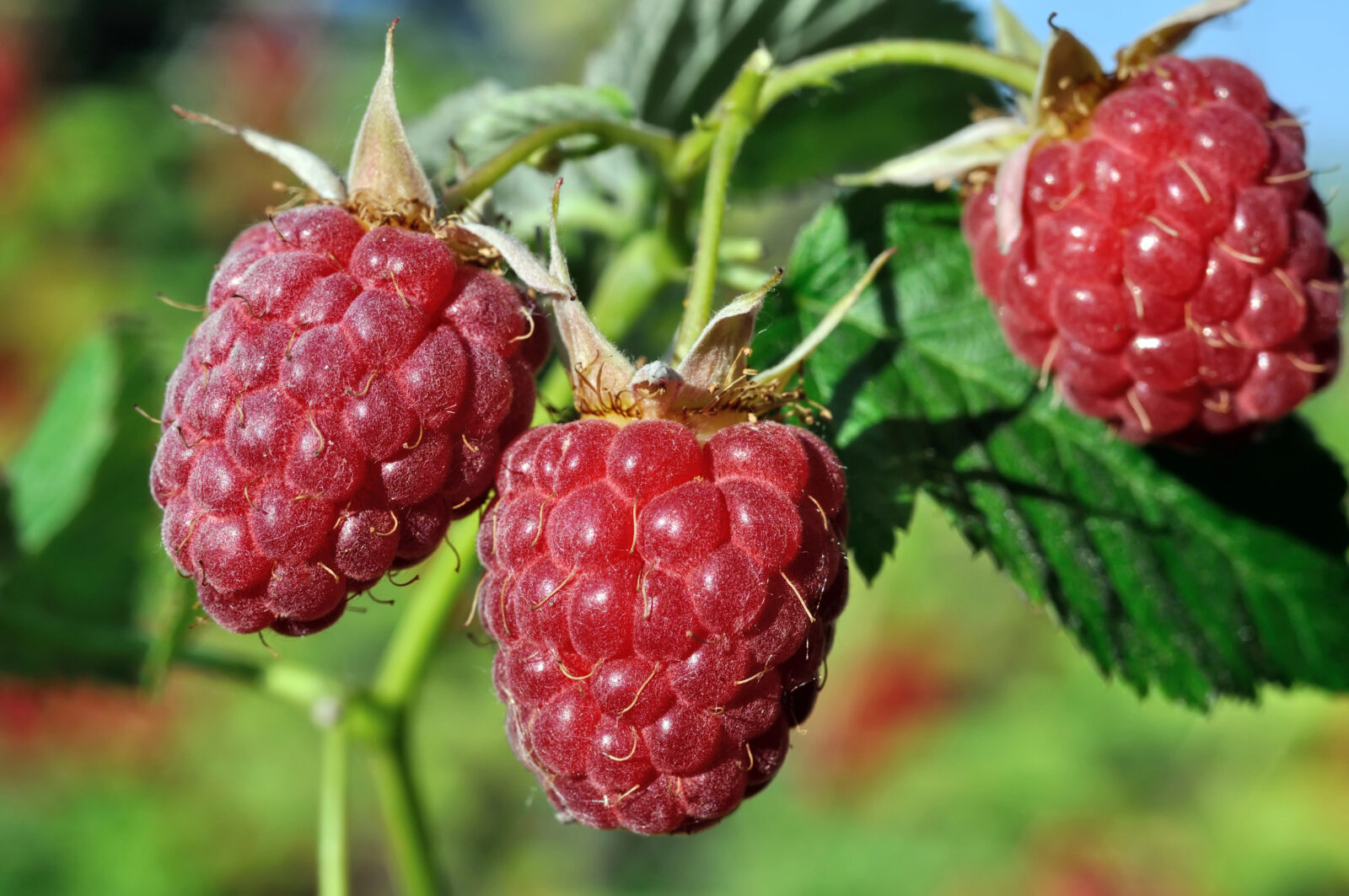
Young or excess shoots that thicken the plant or grow where they get in the way steal nutrients and can weaken the crop. That’s why it’s worth removing them in good time, either by carefully digging them out with their roots or by cutting them off. Raspberries grow quickly, and without pruning they can easily turn into an impenetrable thicket. Most commonly, pruning is done in spring and autumn.
Mulch protects moisture and improves the soil
Mulching is especially useful in summer, when soil dries out quickly. A layer of sawdust, straw or peat helps retain moisture, reduce overheating and suppress weeds. You can also use grass clippings, but take care they don’t contain seeds that could spread through the bed.
Thinning and tying in prevents crop losses
As the plant becomes denser, lower branches lose access to sun and fruit on them often won’t ripen. Shoots can also bend to the ground under the weight of the crop, where berries get dirty and are easily damaged. Regular thinning plus a simple support or tying in gives better access to light and air, leading to a healthier, cleaner harvest.
Pests without chemicals: mustard and onion skins
If you don’t want to use chemical sprays, you can try gentler options. One is a mustard powder solution: mix about 100 g into 10 litres of water and apply it to the leaves. Another proven homemade spray can be made from onion skins: pour 10 litres of warm water over about 200 g of skins, leave to steep for roughly 4 days, then strain and use to treat the plants.
After harvest, remove spent canes quickly
As soon as you’ve picked the raspberries, it’s a good idea to cut out the canes that have already fruited. They would unnecessarily shade the new growth, on which berries may still ripen, and before winter they would also draw nutrients away. Next year, the crop is carried mainly on young canes, while the old ones gradually die back. Removing them in time therefore simplifies care and supports next season’s harvest.
Source: RHS, To je nápad, Gardening Know How, Pestrazahrada.cz

A lover of nature, gardens, and everything that moves, blooms, or grows. He literally grows everything, from herbs to rare species, and he enjoys caring for animals just as much. In his work, he connects modern technology with tried-and-tested grandmotherly methods and is happy when both paths lead to the same goal.
Related articles
Next year you can harvest better if you don’t sow carrots where they won’t thrive
Carrot root fly can ruin carrots, parsley and celery from the inside out, often without obvious warning until harvest. Better site choice, rotation, later sowing and simple physical barriers can dramatically cut damage next season.

How to Propagate Roses from Cuttings at Home and Fill Your Garden with Blooms Almost for Free
Want more roses without paying for new plants? With a few healthy cuttings and a simple plastic-bottle mini greenhouse, you can root new bushes at home in just a few weeks.
Heathers can cope where other plants won’t, but one soil detail decides everything
Heathers and heaths are tough evergreen shrubs that can flower across the seasons when you choose the right types. Success hinges on matching the plant to your soil pH and ensuring free drainage.
Comments (0)
Be the first to comment.