
 English
 Polski
 Deutsch
 Nederlands
 Svenska
 Norsk
 Dansk
 Français
 Italiano
 Español
 Português
 Slovenčina
 Suomi
 Gaeilge
Throwing Away Apple Peels and Leftovers You Might Not Realise What Treats Youre Missing
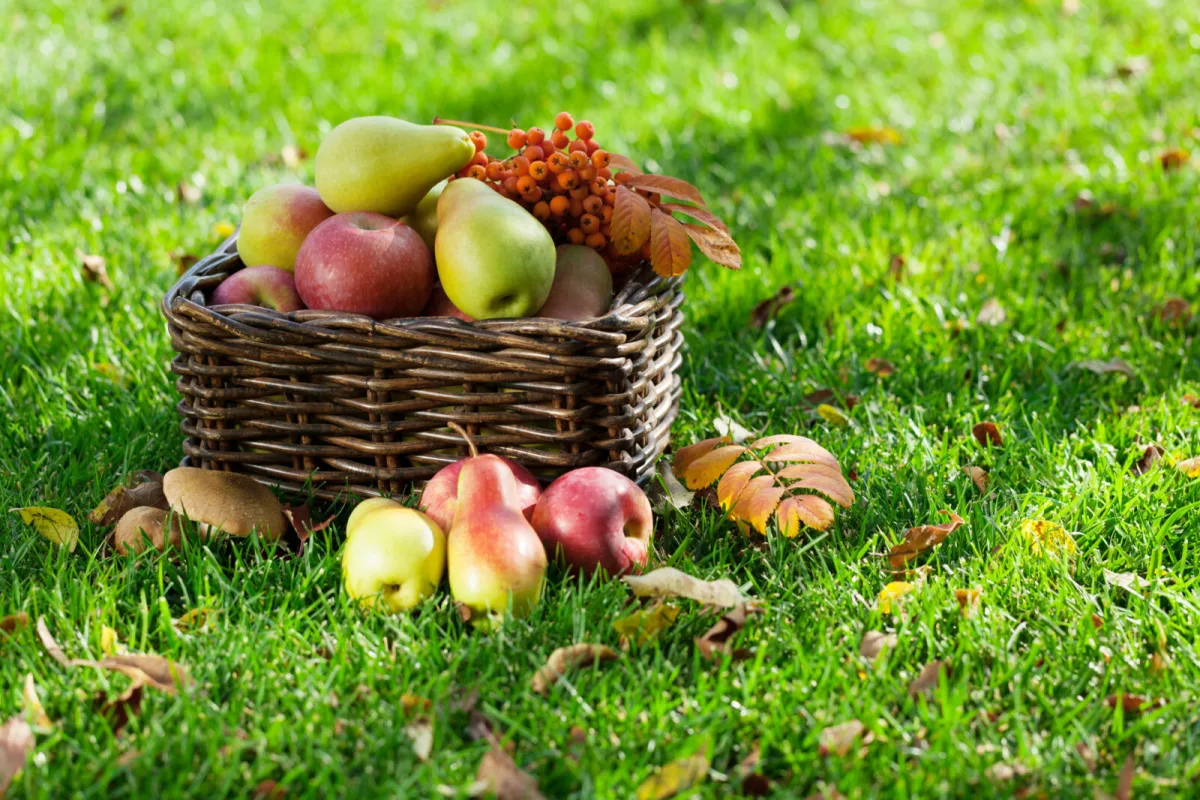
Apples and pears are the kind of fruit that often pile up at home faster than we can eat them. It only takes a bumper crop from the garden, a trip to an orchard, a good market bargain, or a few pieces forgotten in a bowl. That’s exactly when it pays to know how to use the fruit from peel to core. Instead of throwing anything away, you can turn every part into something useful and delicious.
The best fruit is, of course, ideal eaten fresh. Crisp apples and firmer pears are perfect as they are, for lunchboxes and salads. But as soon as they start to soften, there’s room for baking, stewing, blending and preserving. Even slightly overripe fruit can be put to excellent use.
Using the flesh, from raw snacking to baking
Freshly sliced apples are great in cabbage and beetroot salads, where they add sweetness and juiciness. Pears work beautifully with leafy salads or cheese. Fruit that’s no longer perfectly firm is brilliant in cakes, crumbles, tarts, traybakes or fruit compotes.
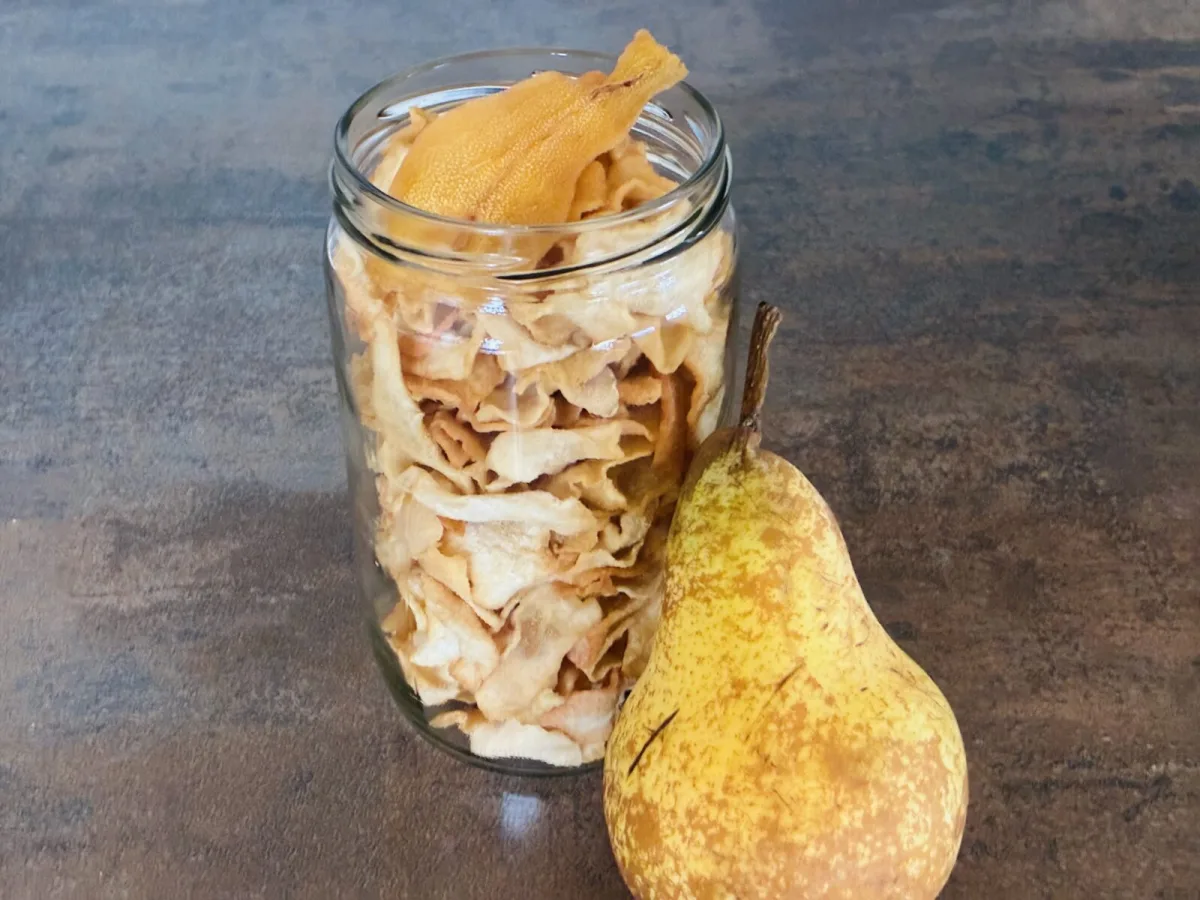
Drying is another practical solution. Simply slice apples and pears as thinly as possible, leave the skin on, and remove only the seeds and any tough bits as needed. In a low oven, they turn into a crisp stash for snacking within a few hours. They’re also excellent stirred into granola, desserts or porridge.
Another option is homemade purée or apple sauce. It’s not only a side dish but also a handy egg substitute for vegan baking. Simmer the fruit with a pinch of cinnamon, add a squeeze of lemon, then blend or mash to the texture you like. It keeps for several days in the fridge and freezes well too.
Chutney, compotes and sweet preserves
If you end up with a larger amount of fruit at home, it’s worth getting into preserving. Apples and pears are ideal for chutney, jams, fruit butters and jellies. The result is not only a well-stocked pantry, but also a lovely edible gift. Pears pair nicely with vanilla, while apples shine with warming spices or berries.
Sitting on the line between dessert and rescuing overripe fruit are fruit purées and compotes. Softer pieces that are no longer ideal for eating out of hand can be gently stewed and turned into a fragrant topping for yoghurt, porridge, pancakes, or a base for other bakes.
Peels aren’t waste, they’re a valuable ingredient
Many recipes work perfectly well with the peel on, which is the simplest way to avoid waste. But when you do need to peel the fruit, there’s no reason to throw the skins away. They contain fibre and plenty of flavour, and they’re easy to use up.
Fresh peels can be turned into a simple warm drink. Just pour over boiling water or simmer briefly, then add cinnamon, a little sugar, or a squeeze of lemon juice. You’ll get a fragrant tea that tastes great hot or chilled over ice.
Baked peel crisps are also very good. Toss the peels with a little sugar and ground cinnamon, then bake briefly until crisp and sweet. They’re lovely for nibbling and make a great addition to homemade granola. You can also mix small pieces of peel straight into the granola before baking, so they cook along with it.
Another interesting route is flavouring alcohol. Apple or pear peels can be used for homemade infusions, adding a gentle fruity aroma. The result can be an original gin or vodka with an unusual character.
What to do with cores and trimmings
Cores are often seen as waste, but they can be useful too. Just keep in mind that the seeds shouldn’t be eaten in larger quantities. If you collect whole cores, peels and other trimmings in the freezer, you can later use them to make homemade vinegar or syrup.
Homemade apple or pear fruit vinegar is made by fermenting scraps with water and a little sugar. The mixture is left to work in a clean jar for several weeks, stirred regularly, and covered with a breathable cloth. At first it starts to taste like a light cider; later it develops a sharper, vinegary bite. This method takes patience, but the reward is your own ingredient for dressings, marinades and cooking.
Even the parts of fruit that usually end up in the bin can become a useful kitchen staple. All it takes is a shift in perspective about what’s still an ingredient and what’s already waste.
Baking whole apples as an easy dessert
If you have whole apples to hand, baked stuffed apples are a wonderfully simple solution. Remove the core, then fill the cavity with a mixture of raisins, brown sugar, cinnamon, chopped ginger and a little syrup to bind it together. Add a small piece of plant-based fat on top, then bake until soft.
You can also add other leftover fruit, peels or finely chopped flesh that might otherwise be left aside to the baking dish. Once baked, you’ll have a fragrant dessert that’s best served warm, perhaps with vanilla plant-based ice cream. It’s an easy way to use up even ordinary apples without any complicated prep.

More ideas for everyday cooking
Apples and pears work in plenty of other dishes too. They’re great in muffins, moist sponge cakes, crumble bakes and rustic tarts. Pears can also be roasted with vegetables, for example with parsnips, where they beautifully enhance the dish’s natural sweetness. They’re excellent in smoothies with spinach or kale as well.
If the fruit is only lightly bruised or too soft to bite into, it can still be perfect for baking or blending. Sorting by the fruit’s condition is what helps reduce waste. Eat the best fresh, use softer pieces for bakes, and turn the ripest fruit into purée, compote or preserves.
How to set up a less wasteful approach at home
The simplest strategy is not to wait until the fruit has completely spoiled. As soon as you see your supply building up, it’s worth drying some, freezing some, and turning some straight into ready-to-eat food. It also helps to keep a tub in the freezer for peels and cores, which you can process all at once later.
Apples and pears show that a thrifty kitchen doesn’t have to be complicated or boring. On the contrary, it brings more flavour, better use of ingredients and less waste. With a few simple habits, an ordinary fruit bowl becomes the starting point for a whole range of sweet and savoury recipes.
Source: Moral Fibres, In Search of Golden Pudding, Pestrazahrada.cz

A nurse by profession, she is passionate about healthy living, nature, and everything that benefits both people and the world around them. In her free time, she enjoys gardening, cooking, sewing, and caring for her family. In her articles, she loves combining professional expertise with practical experience from the garden and everyday life.
Related articles

Healthy Roses Start in Autumn, Collect Fallen Buds and Plan Your First Spring Spray Early
Roses will reward you with stronger growth and better flowering if you start protecting them before problems take hold. Autumn clean-up, timely spring sprays, sensible feeding and deep watering are the keys to hardy, healthy plants.
Why Leave Old Plant Roots in the Bed Instead of Pulling Them Out
Instead of yanking out healthy spent plants, cut them off at soil level and leave the roots to break down in place. It improves soil structure, feeds soil life, and saves time with no downside in most beds.
Experienced gardeners don’t throw leaves away and use them in six smart ways
Fallen leaves are a valuable, free resource that feeds soil life, improves structure, and protects plants. Use them as mulch, compost, leaf mould, lawn feed, winter insulation, and wildlife habitat.
Comments (0)
Be the first to comment.