
 English
  Polski
  Deutsch
  Nederlands
  Svenska
  Norsk
Norsk  Dansk
Dansk  Français
  Italiano
  Español
  Português
  Slovenčina
  Suomi
Suomi  Gaeilge
 The secret to a heavy blueberry crop lies in a few key rules
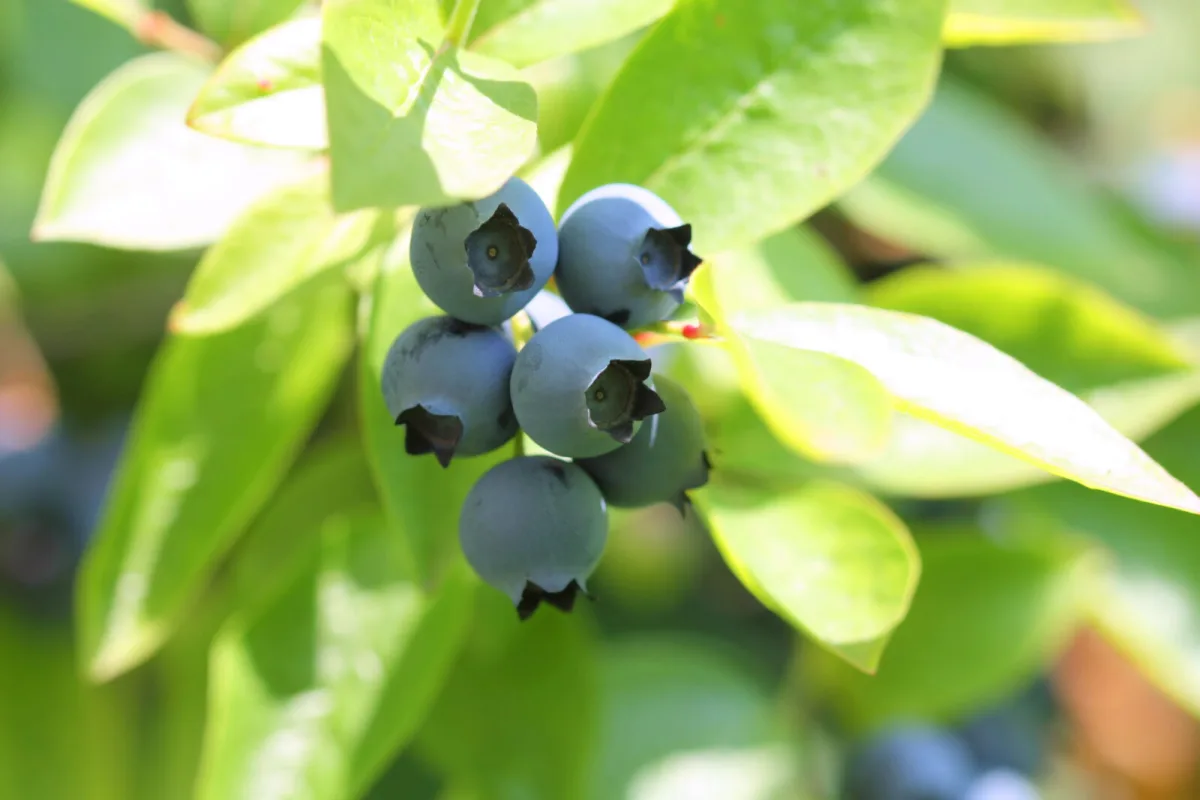
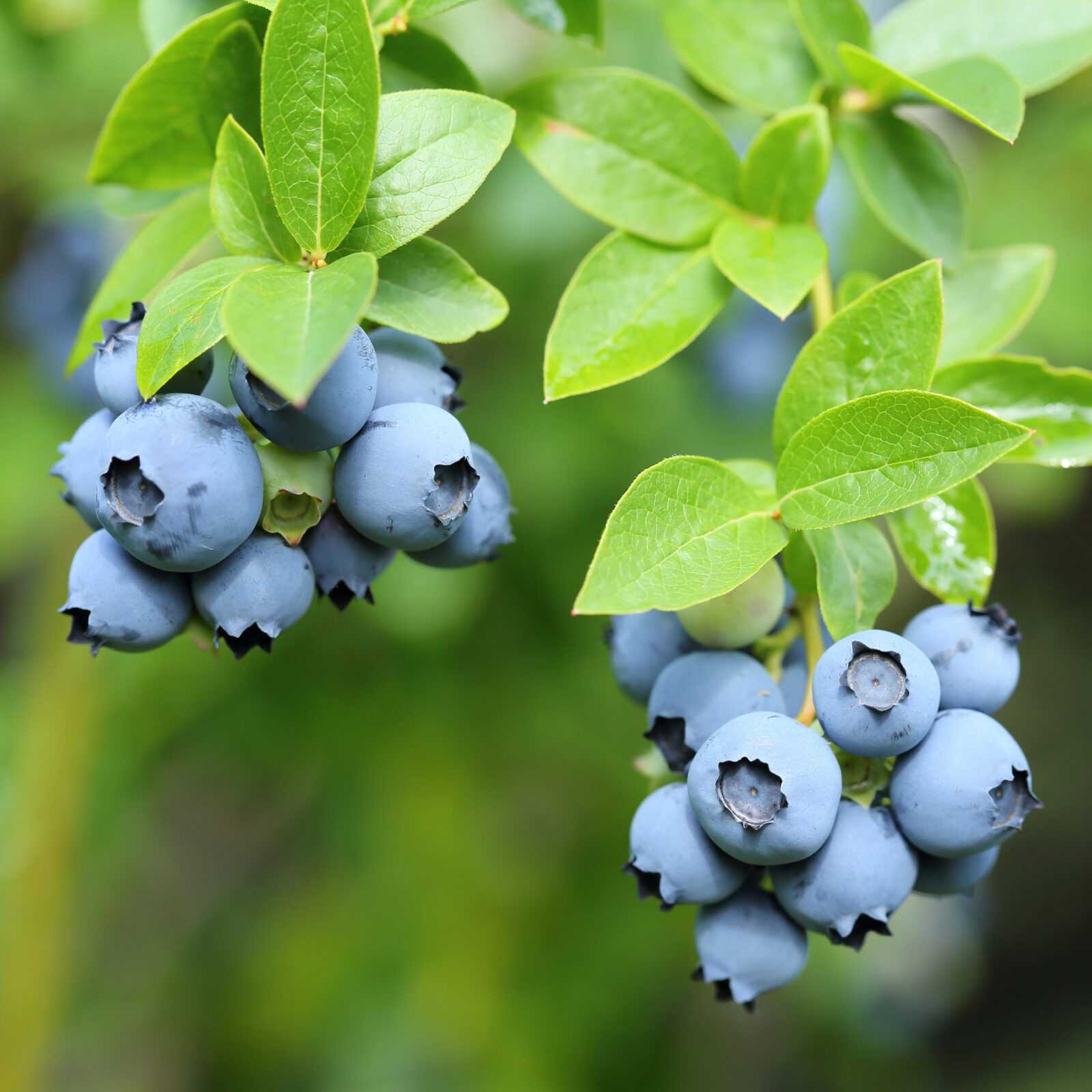
Highbush blueberries have made their way into many gardens in recent years because they combine excellent flavour with impressive health benefits. The blue-purple berries are naturally rich in antioxidants, which help protect the body from the effects of free radicals. They also contain vitamins C, K and E, as well as fibre and important minerals such as manganese, potassium, calcium and iron. Regular blueberry consumption is linked with supporting healthy digestion, brain and heart function, may help maintain blood pressure, and generally supports immunity and bone health. That makes a home harvest even more satisfying—provided you give the bushes the right conditions.
Site selection determines both flavour and yield
One common mistake is assuming blueberries prefer shade or part shade. In reality, it’s the opposite. For abundant flowering and good fruit set, they need as much sun as possible. If the bushes are shaded by a wall, a tree canopy, or taller surrounding plants, they typically flower less, the fruit ripens more slowly, and the flavour tends to be more tart. A sunny spot is therefore the foundation for a successful season.
Acidic soil is essential for blueberries, not a minor detail
Blueberries are acid-loving plants, and ordinary garden soil is usually not enough for them. If you plant them into neutral soil without adjusting it, they often struggle, grow poorly, and the crop is weak. The ideal soil reaction is roughly in the range of pH 4.4 to 5.0. Before planting, it’s a good idea to amend the soil by adding peat or another suitable acidic substrate intended for ericaceous plants.
The size of the planting hole matters too. A small hole where the roots barely fit leads to slow establishment and a weaker bush. A generously sized hole, on the other hand, allows the root system to spread both outward and downward, helping the plant cope more easily with drought and weather swings.
Pruning isn’t optional—it’s the key to long-term cropping
Another frequent mistake is skipping pruning altogether, or only shortening branches timidly without a clear purpose. On a young, newly planted bush, it makes sense to keep roughly three of the strongest shoots so the plant can focus on building a solid framework. More substantial pruning is done once the bush is stronger, typically after a few years of growing. A good time is early March, when the worst frosts are over but the plant hasn’t started active growth.
When pruning, remove primarily old, weak, and unpromising shoots. Younger, vigorous branches should be kept, because they are the ones that carry the best-quality crop. A well-aerated, well-lit bush also matures its wood better and is less prone to issues caused by overcrowding.
Fertilise correctly, without unnecessary experiments
With blueberries, keep in mind that standard all-purpose fertilisers or certain home mixes can do more harm than good. Products that change the soil pH or are too harsh are especially unsuitable. A typical example is poultry manure, which is generally not recommended for blueberries. A safer approach is to use a fertiliser formulated specifically for blueberries and other ericaceous plants, as it’s designed to support growth while maintaining the acidic conditions they need.
If you’d like a gentler home option, used coffee grounds are sometimes used to lightly support acidity and add organic matter. It’s always best to be moderate, though, because even natural materials can throw the soil out of balance when overused.
Watering must be regular, but never waterlogged
Blueberries need a steady supply of moisture, especially during growth and as the fruit is setting. At the same time, they can’t tolerate roots sitting in water. Waterlogging can weaken the plant, cause root problems, and generally reduce the bush’s vigour. Watering should therefore be done thoughtfully and adjusted to the weather, not on autopilot.
Good prevention starts at planting: set things up so excess water can drain away. A drainage layer in the planting hole can help improve drainage and reduce the risk of water collecting in the root zone. When you balance consistent moisture with good permeability, bushes grow more strongly and reward you with fruit that’s sweeter and more evenly ripe.
The most reliable route to a heavy blueberry harvest comes down to three things: sun, acidic soil, and balanced care—without waterlogging and without unsuitable fertilisers.
Source: Joe Garden, RHS, Pestrazahrada.cz

A lover of nature, gardens, and everything that moves, blooms, or grows. He literally grows everything, from herbs to rare species, and he enjoys caring for animals just as much. In his work, he connects modern technology with tried-and-tested grandmotherly methods and is happy when both paths lead to the same goal.
Related articles
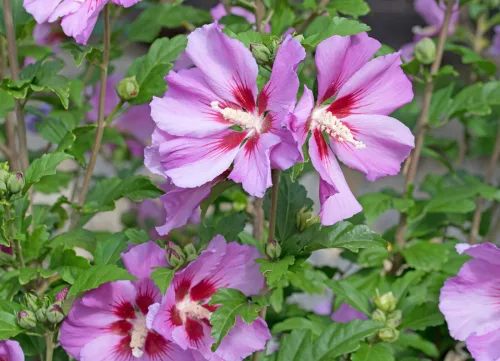
A Simple Autumn Trick Will Protect Your Hibiscus Over Winter and Bring a Flush of Flowers
A thick mulch layer in autumn can be the deciding factor in whether hardy hibiscus comes through winter unscathed. Combine root protection with smarter watering and feeding, and you’ll be rewarded with stronger growth and heavier flowering next season.
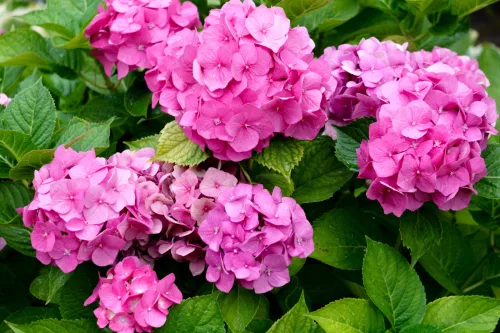
Be careful with hydrangeas in autumn or one mistake will cost you blooms
Tidying up hydrangeas in autumn can be tempting, but cutting at the wrong time can remove next year’s flower buds. Everything depends on whether your hydrangea blooms on old wood or new wood.
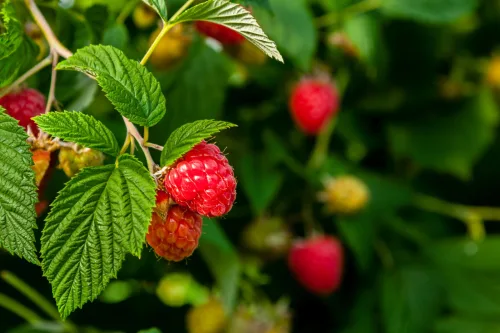
Raspberries Need Gentle Feeding or You Can Damage Roots and Lose Up to a Third of the Crop
Raspberries have very shallow roots and don’t respond well to heavy, nitrogen-rich feeding worked into the soil. Choose a potassium-forward fertiliser and apply it gently on the surface to protect roots and improve flavour and yield.
Comments (0)
Be the first to comment.