
 English
  Polski
  Deutsch
  Nederlands
  Svenska
  Norsk
Norsk  Dansk
Dansk  Français
  Italiano
  Español
  Português
  Slovenčina
  Suomi
Suomi  Gaeilge
 Shade Without Structures or a Parasol Created by the Garden Itself and It Can Handle Wind Too
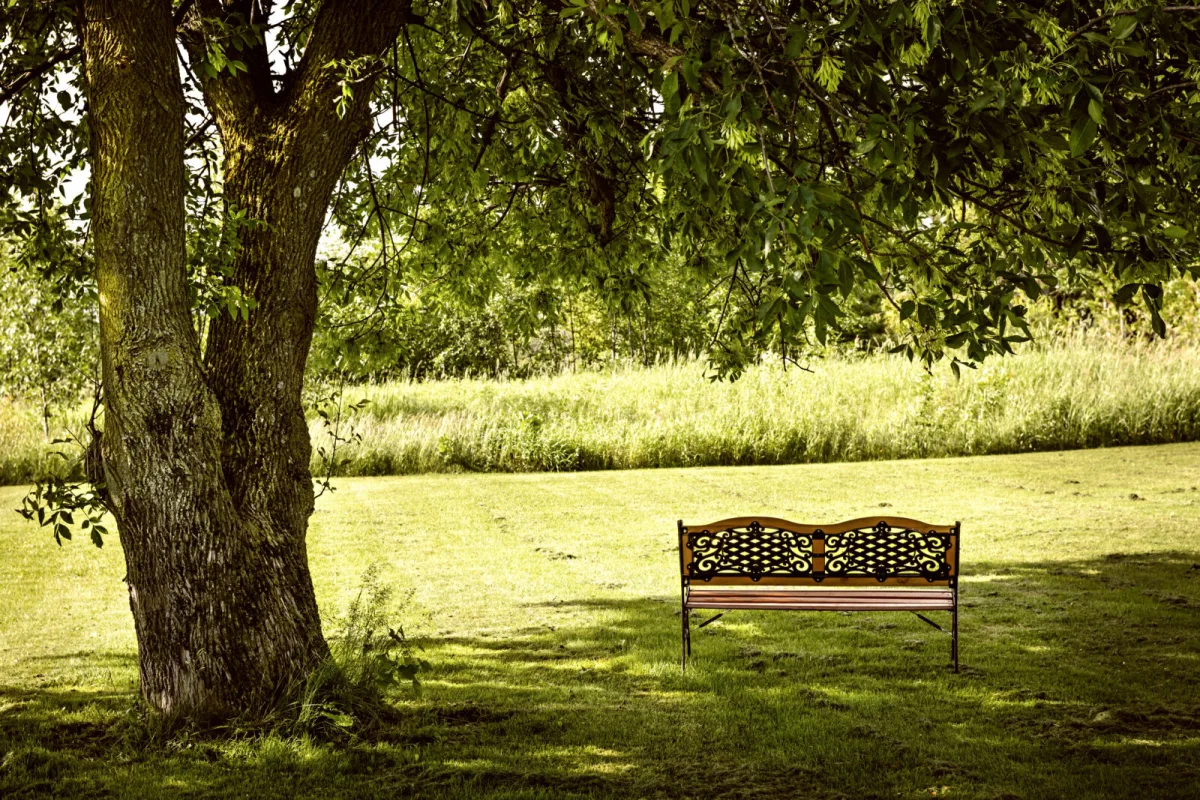
Summer heat can make time outdoors uncomfortable in no time, but not everyone wants to build a gazebo right away or worry whether a shade sail and parasol will survive the first stronger gust of wind. A more natural route is to let the shade grow. Well-chosen plants can, over time, create pleasant coolness, improve the microclimate, and at the same time give the garden structure and privacy. The key is patience, sensible plant choices, and also the spot where you place the planting.
Trees as the most reliable source of stable shade
The most dependable shade comes from a tree, but you do need to expect it to change over time and to require space. If you want a quicker effect, choose fast-growing species such as box elder (ash-leaved maple), white willow, or tree of heaven. These trees can put on more than a metre a year, so shade arrives soon, but you also have to think ahead about the eventual size of both the crown and the roots.
For smaller gardens, species with a more manageable canopy are a better fit, such as ornamental cherry or sweetgum. They grow more evenly, respond well to formative pruning, and don’t feel as aggressive. In the first years after planting, what matters most is consistent watering, mulching to hold moisture, and timely crown training so the tree shades where you want it to, not where it gets in the way.
Climbers when you need shade fast
If you don’t have room for a large tree or you want results within one or two seasons, climbing plants are ideal. All you need is a pergola, trellis, or sturdy wire, and a green roof or wall starts to form surprisingly quickly. Among the fastest is Virginia creeper (five-leaved ivy), often known as wild vine, and it also turns striking colours in autumn. Ivy is excellent for shade and cooler spots; it takes a while to bulk up, but once established it’s extremely persistent.
With climbers, a solid support and enough moisture, especially at the start, are essential. Once they’ve taken hold, they can shade very reliably, but without occasional pruning they can grow into gutters, onto the roof, or into windows. Regular shortening of shoots keeps the growth dense and safe, and also prevents the plant from putting more load on the façade or structure than is appropriate.
Shrubs as a green screen and a shady corner
Shrubs aren’t just low planting under windows. Some reach 3 to 4 m and can create pleasant shade as well as shelter from wind. Guelder rose also offers showy flowering and stays decorative for much of the year. Similarly, lilac can form a denser mass if it gets enough sun and an occasional thinning prune so it doesn’t become too woody.
If you want shade beyond the main season, you can opt for evergreen species such as cherry laurel. These plants are often slower, but they provide a steady green backdrop and don’t lose their effect in winter. With shrubs, it pays to feed in spring, keep an eye on watering during the growing period, and add mulch in dry spells, because lack of water is often what holds back thickening.
Bamboo as a dense screen that grows quickly
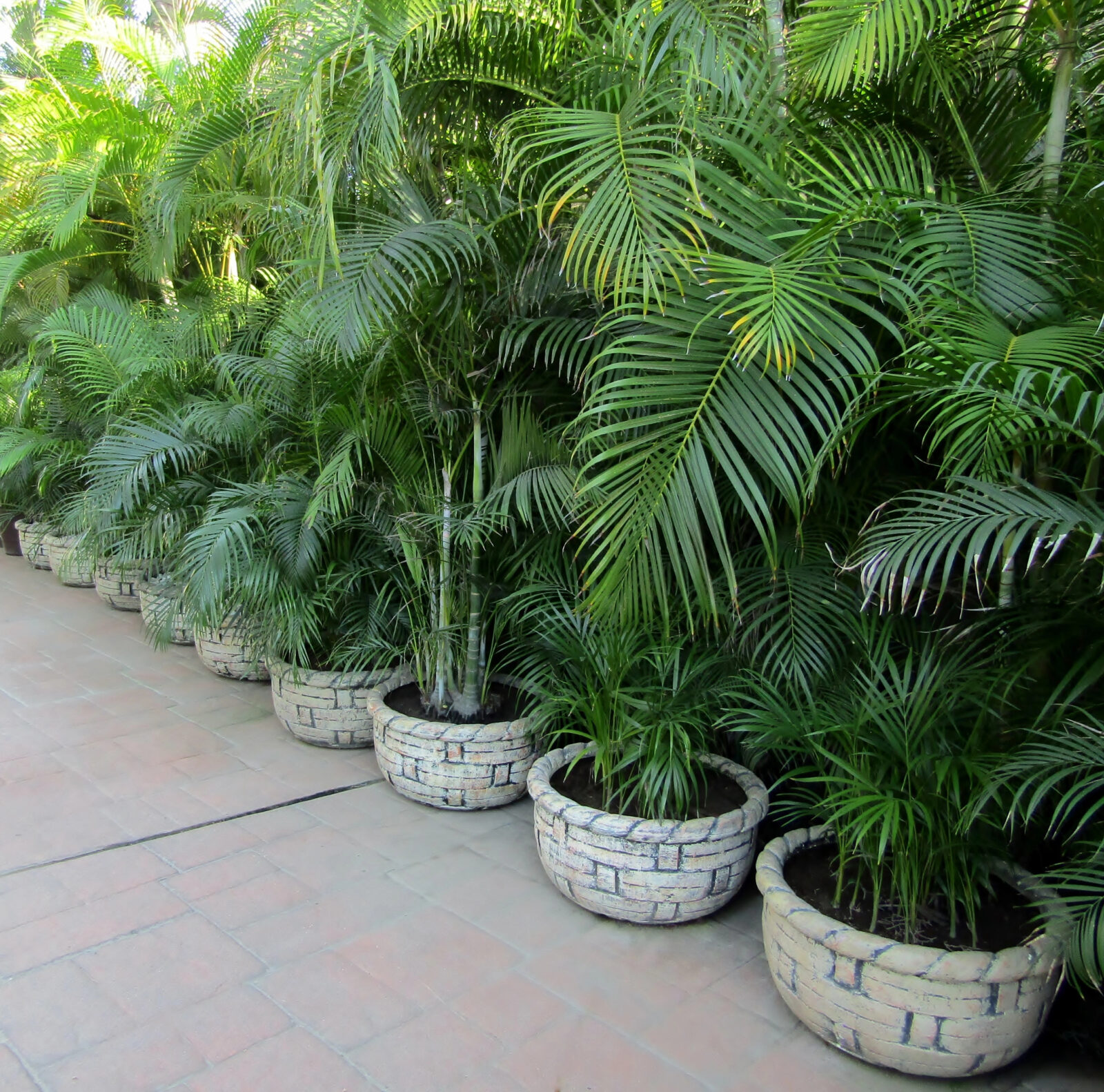
Bamboo has an exotic look and can create a tall green wall that shades like a living screen. The crucial point is to choose a non-invasive type, such as clump-forming bamboo in the genus Fargesia, which doesn’t run aggressively into the surrounding area. Even so, it’s wise to plan the boundaries of the planting and give the plant room, because in good conditions it can grow very quickly.
Bamboo appreciates regular watering, mulching, and keeping the soil around the roots from overheating. If the site is too dry and scorching hot, the leaves can dry out and the stand will thin. A well-chosen spot and good care in the first seasons often deliver impressive shade sooner than you’d expect.
Edible shade fruit trees and berrying shrubs
Shade can be practical too. Columnar fruit trees or fruiting shrubs such as chokeberry, serviceberry, or sea buckthorn add productivity to the garden while also creating a pleasant place to sit. One plant on its own won’t make a dense screen straight away, but a row planting will gradually grow into a shady nook that also provides a crop.
These species generally need a sunny site to fruit well, and regular watering, especially while they are establishing and when the fruit is setting. In spring, compost or a light feed helps them thicken up and create the desired effect faster.
What to clarify before you plant
Before you pick up a spade, consider where the fiercest summer sun comes from and where you want the shade to fall at the time you’ll use it most. Think about future size too, because a small sapling can become a dominant feature within a few years and affect light across the whole garden. If you want shade as soon as possible, it often works best to combine solutions, for example pairing a climber on a pergola with shrubs or a smaller tree.
Care in the first years is also decisive. Regular watering, protecting young plants from frost, and timely pruning often make the difference between weak growth and a dense green ceiling. Once the planting establishes well, you’ll gain shade that lasts for years, withstands wind better than fabric add-ons, and looks natural and attractive.
Source: RHS, Gardener’s World, Pestrazahrada.cz

A lover of nature, gardens, and everything that moves, blooms, or grows. He literally grows everything, from herbs to rare species, and he enjoys caring for animals just as much. In his work, he connects modern technology with tried-and-tested grandmotherly methods and is happy when both paths lead to the same goal.
Related articles

Fighting moles tempts you into a quick fix that can put you on the wrong side of the law
Fresh molehills can ruin a lawn, but the common mole is a protected species and lethal control can be illegal. Learn how to tell a mole from a vole and which lawful, effective methods actually encourage it to move on.
Why the Tree That Feeds a Family for Generations Is Disappearing from Czech Gardens
The English walnut used to be a staple of larger gardens and farmyards, valued for its nutritious nuts and many practical uses. With the right site and variety, it remains one of the most rewarding long-lived trees you can plant.

How to Get Rid of Mice and Rats in the House, Loft and Garden Effectively
Mice and rats don’t leave quietly—scratching sounds, droppings and gnaw marks are clear warnings. A lasting solution comes down to three steps: block entry points, remove food sources, then use traps or professional control.
Comments (0)
Be the first to comment.