
 English
  Polski
  Deutsch
  Nederlands
  Svenska
  Norsk
Norsk  Dansk
Dansk  Français
  Italiano
  Español
  Português
  Slovenčina
  Suomi
Suomi  Gaeilge
 Seasonal Care Plan for Fruit Bushes in the Garden for Healthy, Vigorous Plants
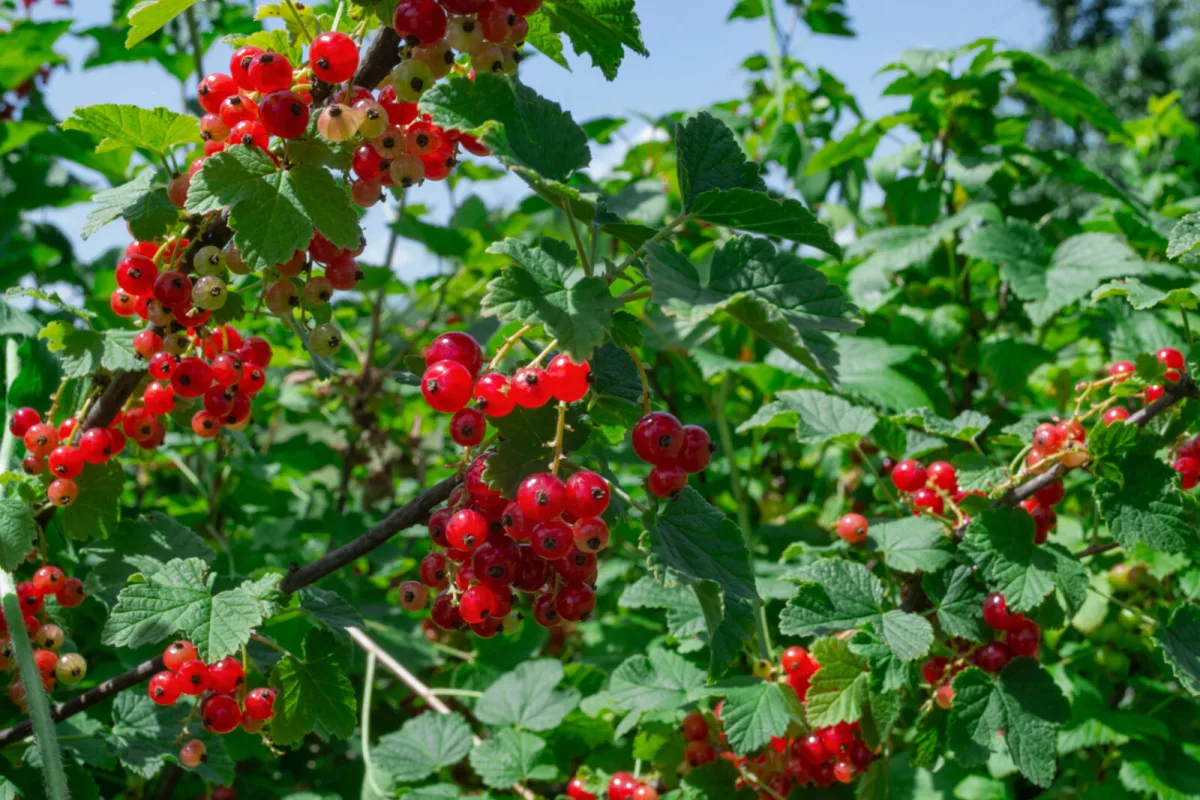
Fruit bushes are among the most rewarding plants for an edible as well as an ornamental garden. In bloom they draw in pollinators, in summer and autumn they pay you back with harvests, and for the rest of the year they provide pleasing structure in borders. Unlike many fruit trees, they’re easier to keep to a sensible size, come into bearing sooner, and with the right care will crop reliably even in smaller gardens. Although they aren’t overly demanding, you’ll get the best results when you tailor care to the season and the plant’s growth cycle.
Follow the seasons and the plant’s growth
The basic principle is simple: in the colder part of the year, bushes direct energy mainly into roots and “framework”, while in spring and summer they invest in leaves, flowers, and fruit. When you understand when a plant is building its root system and when it needs support for fruit set, you greatly reduce the risk of a weak crop, small fruit, or disease pressure. Autumn and winter are for planning, planting, and sensible shaping; spring is the start of feeding and protection; summer is about water and harvesting; and late summer into autumn is for recovery and preparing for the next year.
Planning planting and choosing the right spot
You can plan anytime, but winter is easiest, when the garden is “clean” and you can clearly see its structure. Watch where the sun falls, where wind funnels through, where water lingers in spring, and which corners dry out. Most fruit bushes appreciate a sunny position and soil rich in organic matter. Blueberries are a notable exception: they need acidic soil and will not tolerate limey ground.
It’s also worth thinking ahead: bushes will thicken over time, spread out, and need room for good airflow. Tight plantings may look impressive, but they encourage fungal diseases and reduce fruit quality. If you’re short on space, consider growing in containers, which makes it easier to manage watering and control the potting mix.
When to plant fruit bushes so they root well
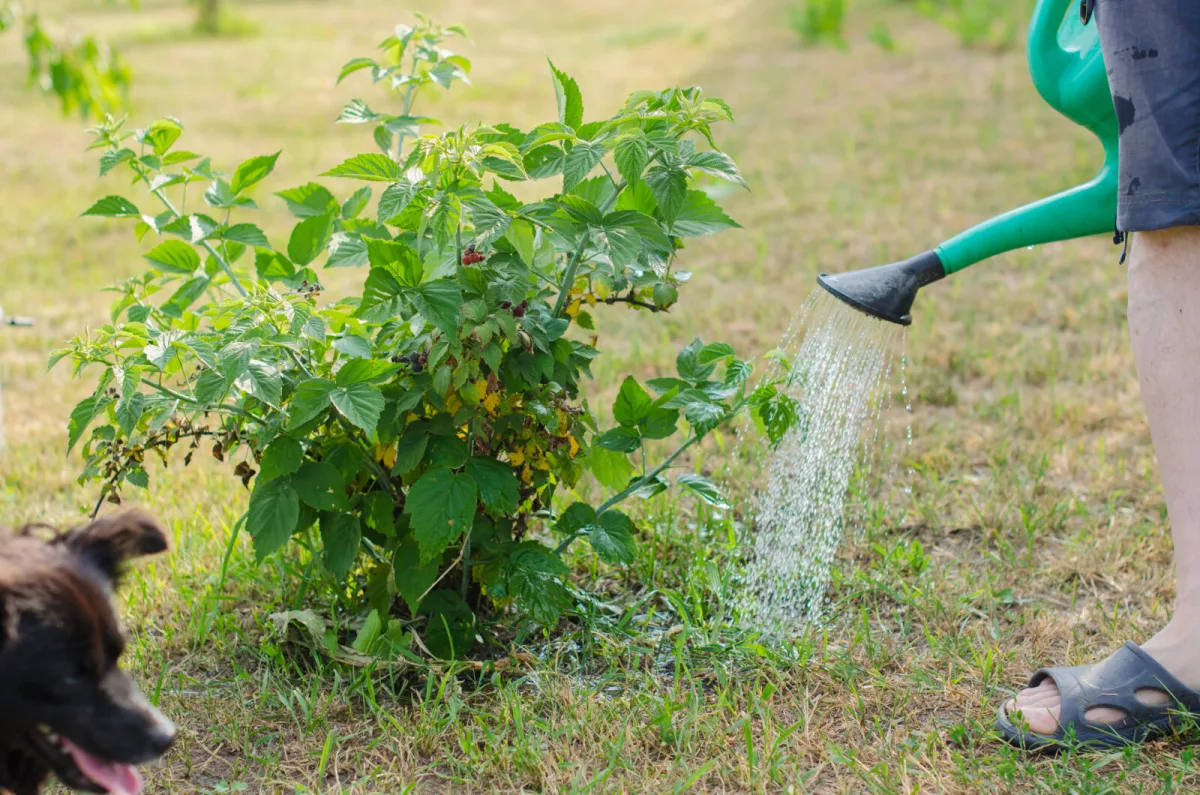
The best time to plant is when the plants are dormant and not exposed to extremes of heat and drought. Autumn is ideal, or early spring, when the soil holds moisture and the bush can focus on establishing roots. Autumn planting has a big advantage: roots often continue growing long after leaf fall, so the bush gets a head start in spring.
If you buy a plant in season when it’s being sold “in full swing” (for example while fruit is ripening), you can still plant it, but you must be diligent with watering and watch for stress in the first few weeks. With newly planted bushes, it can make sense to remove some of the flowers so energy goes into roots and strong shoots—something that pays back as higher yields in later years.
Watering as the foundation for this year’s crop and next year’s buds
Fruit bushes often have shallower roots, so they cope poorly with dry spells. Blueberries are especially sensitive. For the first two years after planting, consistent watering is crucial—particularly in summer and early autumn, when rainfall can be patchy. In this period, many species are forming buds for the next season, so prolonged drought can reduce not only current vigour but also the future harvest.
A common guideline is roughly 25 mm of water per week during the growing season, but in practice it’s better to read the soil: it should be evenly moist, not waterlogged. Water in the morning and try to keep foliage dry, as wet leaves encourage disease. Drip irrigation or a soaker hose saves water and keeps moisture where it’s needed.
Mulching and weed suppression without unnecessary chemicals
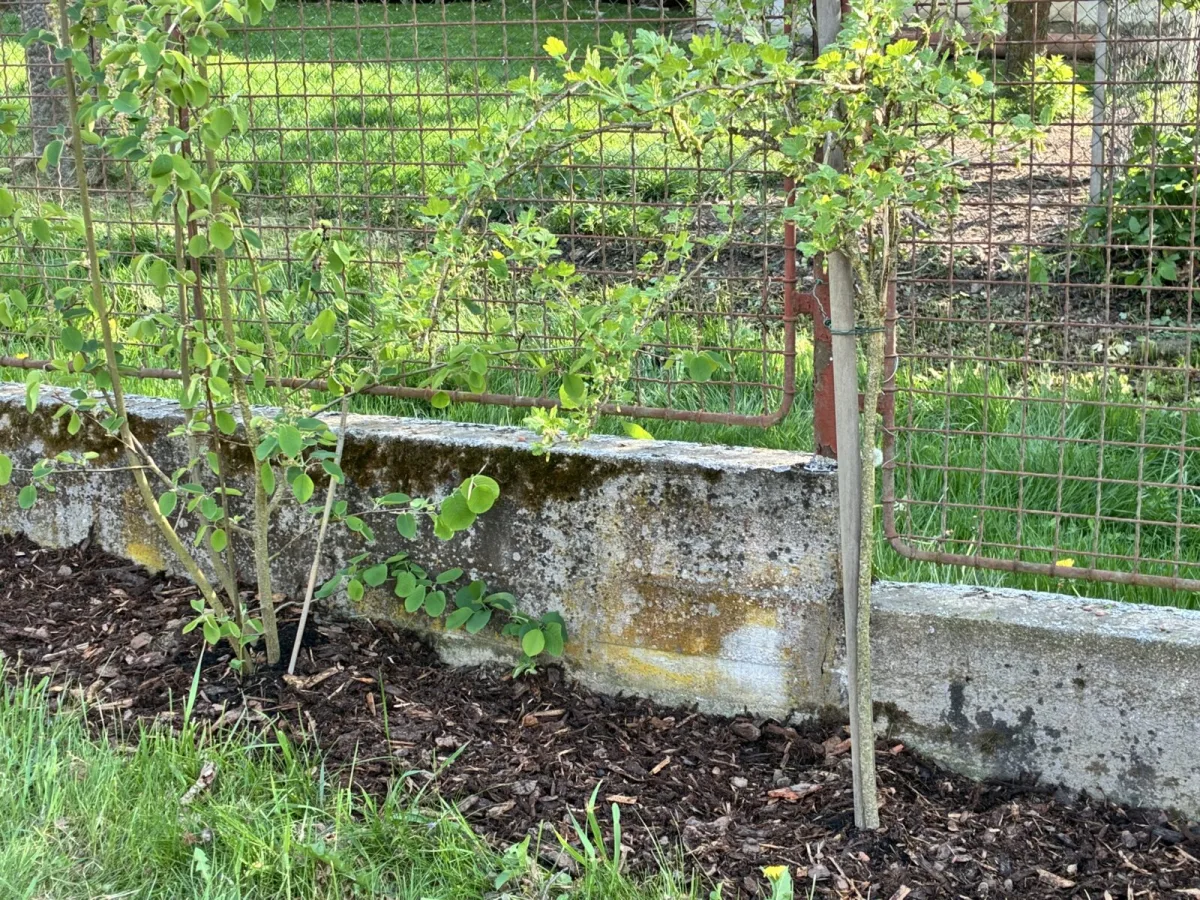
Weeds and lawn compete with bushes for water and nutrients. A well-chosen organic mulch can create a weed-free zone, stabilise soil temperature, and gradually improve soil structure. Woodchip, leaf mould, or well-rotted compost are proven choices. Keep mulch in a layer of a few centimetres and top it up as it breaks down.
An important rule: don’t pile mulch right up against the base of the bush. The crown and root collar need air, and too much moisture at the base increases the risk of rot as well as rodent damage in winter.
Feeding fruit bushes so they “feed” you too
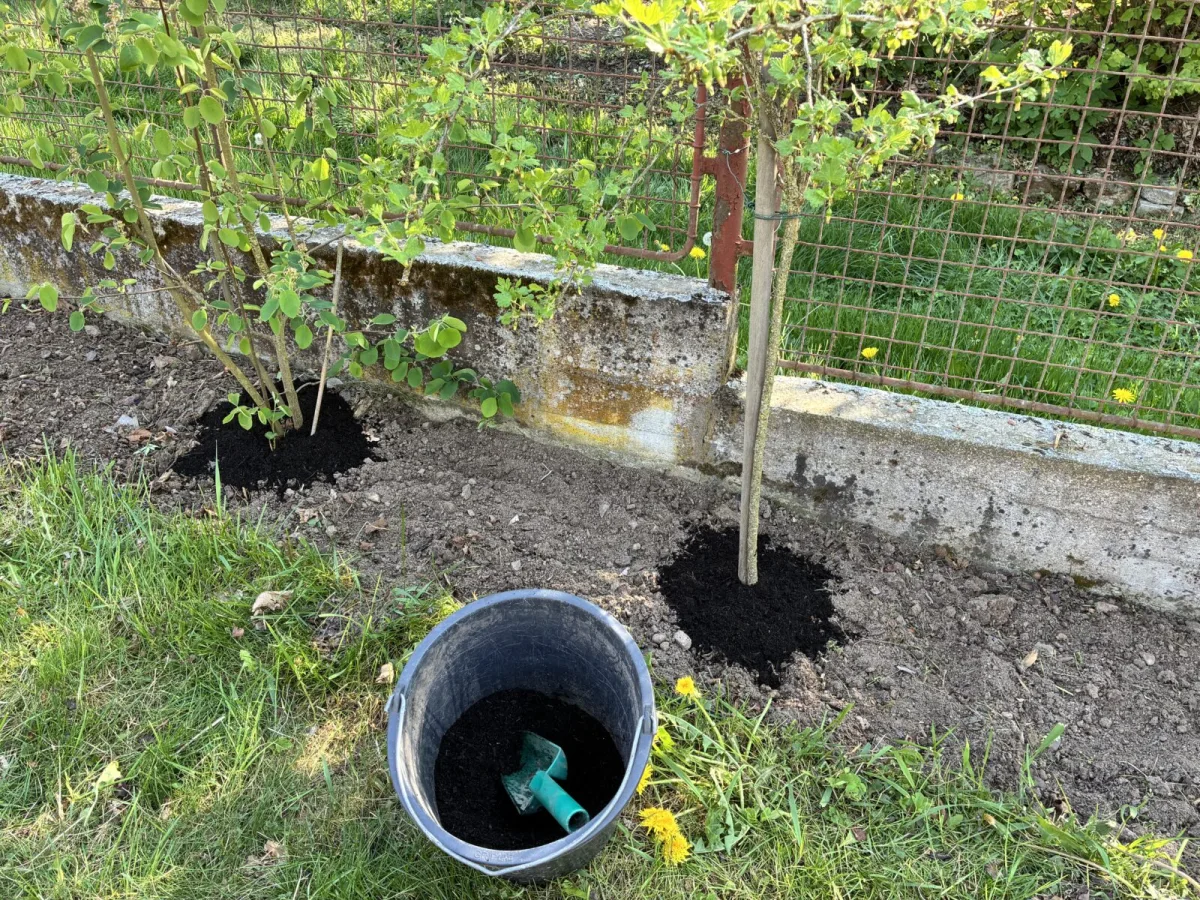
Nutrition should be targeted and moderate. Too much nitrogen can lead to lush leafy growth at the expense of fruit and make plants more prone to disease. Ideally, work from a soil test, but even without one, most bushes appreciate a spring application of a balanced, slow-release fertiliser. A further feed can be useful after harvest, when the plant replenishes reserves and sets buds for the following year.
Blueberries are specific: they require acidic conditions and often respond better to fertilisers formulated for rhododendrons and azaleas, with nitrogen in ammonium form. If you give blueberries the right pH and steady moisture, they’ll reward you with noticeably better fruit size and quality.
Pruning as the healthiest habit in a fruit garden
Pruning isn’t just “cosmetic”. It renews fruiting wood, removes damaged or diseased branches, improves light penetration and airflow, and makes harvesting easier. Time and tailor cuts to the species and whether it fruits on one-year or two-year wood.
With blueberries, it’s often recommended to cut the bush back by about a third after planting to encourage root establishment and strong new shoots. With blackberries, it’s essential to know the type: some varieties fruit on this year’s canes, others on last year’s. As a simple rule, remove spent canes after harvest so they don’t crowd the plant or drain energy from new growth. With figs (grown in warmer areas or against sheltered walls), pruning is usually done in late winter or early spring once hard frosts have passed—mainly to remove damaged parts and shorten overly long shoots.
Harvest that starts with the right care
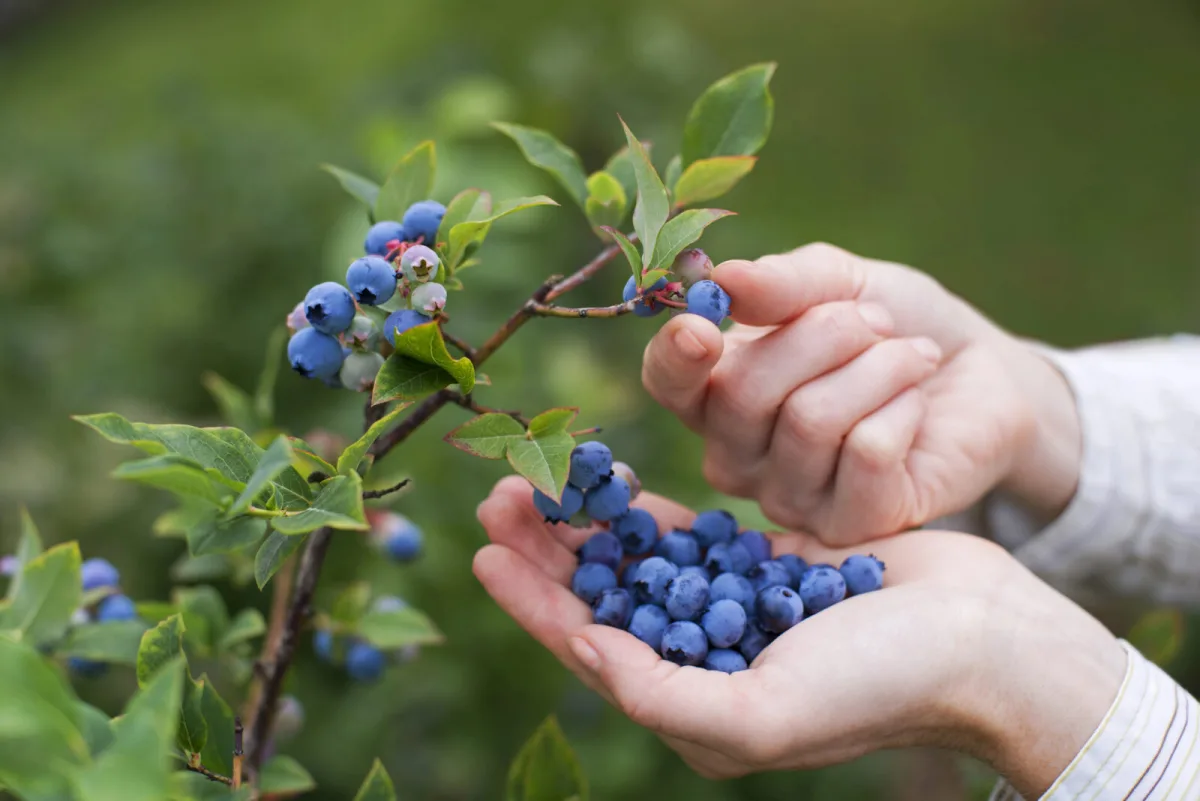
Harvest is the finale of year-round work, but also a test of whether the bush had enough water, light, and nutrients at the right time. Pick blueberries only when they are fully coloured with the characteristic dusty bloom; otherwise they’ll be sour and less aromatic. Blackberries should be plump, glossy, and detach easily with a gentle touch. For less common species such as pineapple guava in warmer conditions, ripeness is often signalled by fruits dropping naturally from the branches.
After harvest, care doesn’t stop. This is exactly when the number of flower buds for next season is decided. If conditions are dry, keep watering, refresh the mulch, and for species where it makes sense, consider a recovery feed.
Preventing pests and diseases without unnecessary panic
Fruit bushes can be affected by aphids, caterpillars, sawflies, as well as various leaf spots and mildews. The key is regular checking and early action, because a small issue can spread quickly in warm, humid weather. Proper spacing, thinning cuts for light and air, watering at the roots, and keeping the area under bushes tidy all help. Don’t forget wildlife either: birds, deer, or rodents can damage crops or bark in a short time. Netting, wire mesh, or simple barriers are often more effective than last-minute rescue measures.
A year-round rhythm that pays off
Fruit bushes aren’t just about planting once and forgetting. The biggest difference between an average crop and an excellent one is calm, regular, well-timed care spread across the year: planting and mulching in autumn, planning and checking shape in winter, feeding and starting irrigation in spring, consistent watering and harvesting in summer, then recovery and ongoing, species-appropriate pruning after harvest. When you learn to recognise when a bush is building roots and when it’s building fruit, you’ll harvest not only more, but better-tasting fruit too.
Final tip: If you’re not confident with pruning, follow the rule of air and light. A bush you can “see into” and that dries quickly after rain tends to have fewer diseases and better-quality fruit.
Source: Southern Living Plants, Extension UMD , Pestrazahrada.cz
Related articles
The Christmas Amaryllis That Can Bloom for Years but Most People Throw It Away After Flowering
Hippeastrum is a spectacular winter-blooming bulb that, with the right care, will flower again year after year. Learn how to plant it correctly, look after it after flowering, and bring it into dormancy so it reliably reblooms.
How to Grow Winter Garlic for a Much Bigger Harvest
Autumn planting is the key to strong, healthy winter garlic, but the details make all the difference. With the right timing, bed choice, seed-clove treatment and a simple bicarbonate trick, you can noticeably boost yield.
A tree or shrub planted properly in autumn can outpace spring stock and improve fruiting
Many fruit trees and soft-fruit shrubs establish better when planted in autumn, because roots keep growing while the top is dormant. Done well, this head start means stronger spring growth, less watering, and a healthier first year.
Comments (0)
Be the first to comment.