
 English
  Polski
  Deutsch
  Nederlands
  Svenska
  Norsk
Norsk  Dansk
Dansk  Français
  Italiano
  Español
  Português
  Slovenčina
  Suomi
Suomi  Gaeilge
 Raspberries Need Gentle Feeding or You Can Damage Roots and Lose Up to a Third of the Crop
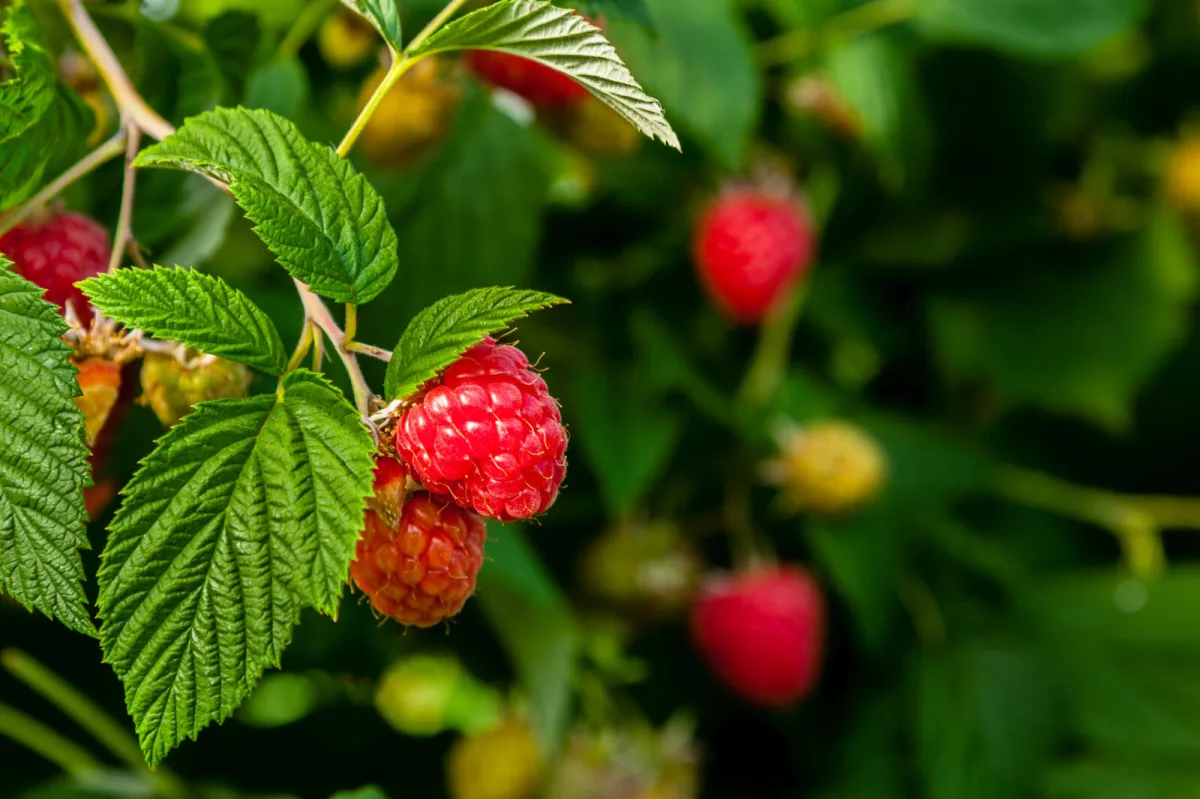
Raspberries are one of the small fruits with a very shallow root system, and they also have slightly different nutrient needs than, say, tomatoes or a lawn. Yet the same scenario repeats in gardens: a universal fertiliser high in nitrogen is tipped around the canes and then worked into the soil with a hoe or spade. That creates two problems at once. The plant gets a nutrient mix that’s poorly suited to producing flavoursome fruit, and at the same time the fine roots just below the surface are mechanically damaged. The result is often disappointing harvests that feel weak, berries with less character, and canes that frequently shoot upwards at the expense of fruiting.
Why potassium matters more for raspberries than yet another dose of nitrogen
Nitrogen is the nutrient that drives leafy growth, but for raspberries it’s potassium that largely determines fruit quality. It plays a key role in water regulation within the tissues and strongly influences sugar formation, aroma, and how firm and well-keeping the berries will be. At harvest, substantial amounts of both nitrogen and potassium are also removed from the soil, so it makes sense to replace them in a ratio that matches what raspberries actually need when fruiting. Fertilisers formulated for berries therefore tend to have an NPK ratio where potassium is higher than nitrogen, often something like 7-3-10 or 6-4-10.
Universal mixes often have it the other way round. A typical “garden” fertiliser may contain several times more nitrogen than potassium, which can be suitable for lawns, but on raspberries it leads to overly vigorous cane growth and poorer ripening and flavour. Horn meal can be similarly problematic: as a slow-release nitrogen source it can be useful as an add-on, but on its own it doesn’t address the need for potassium. If it’s used as the main fertiliser, you end up boosting the element raspberries often already get too much of under routine feeding, while the key potassium is left on the sidelines.
What excess nitrogen does to canes and berry flavour
Too much nitrogen in raspberries doesn’t just show up as a lush-looking plant. On the canes you’ll typically see longer distances between nodes, slim shoots that stretch upwards, but fewer sites where fruit is later formed. Such canes also tend to be less stable and bend down to the ground more easily under the weight of the berries. This can mislead growers, because the planting may look very vigorous, yet it yields less than it could.
On the fruit, poor fertilising is often even more obvious. Raspberries can seem more watery and the flavour is often less full, because the proportion of compounds contributing to sweetness and overall aroma drops. When someone searches for the cause of bland raspberries in the variety or the weather, sometimes it’s enough to check the fertiliser analysis. A warning sign is conspicuously tall canes with long “gaps” between leaves that look like textbook growth, but reality shows up at harvest.
Shallow raspberry roots and why digging fertiliser in is a risk
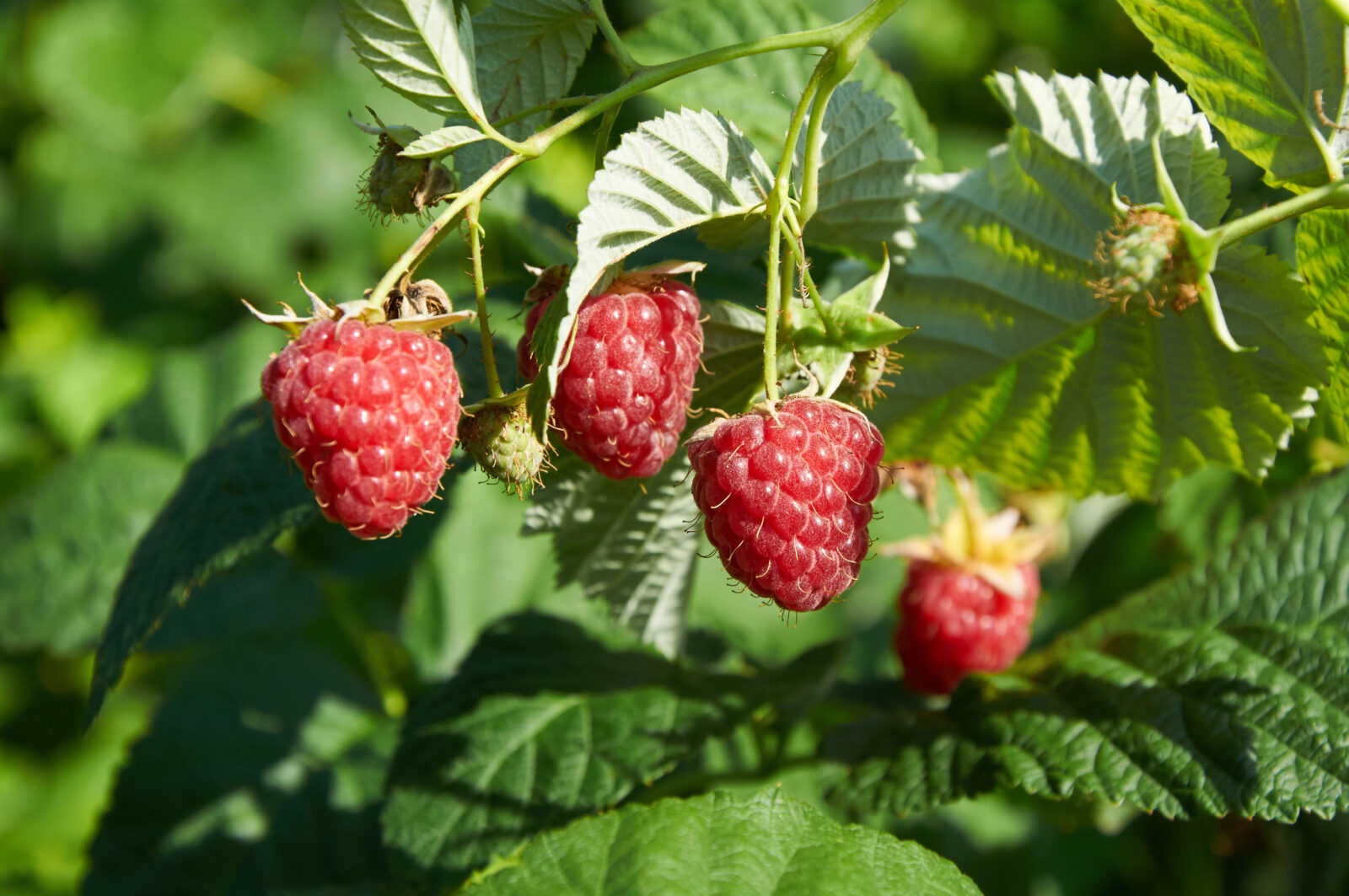
Raspberry roots are concentrated very close to the surface, often in roughly the top 0 to 15 centimetres of soil. This is exactly the layer most often disturbed with a hoe when weeding or with a spade when digging fertiliser in. Once those fine roots are cut, the plant loses part of its ability to take up water and nutrients right when it needs them most—during growth and as the fruit is swelling. Deeper cultivation can then slow growth and reduce productivity, because damaged roots can’t supply the above-ground growth adequately.
A gentler approach is straightforward. It’s best to scatter granules evenly on the surface in a band beneath the bushes, or at most lightly mix them into the very top layer with your fingers or a rake, and then water thoroughly. Water carries nutrients down to the roots more safely than mechanical incorporation at depth, which in raspberries often does more harm than good.
Which fertiliser analysis to choose and how to make sense of the options
When choosing, it pays to watch the NPK ratio and prioritise fertilisers intended for strawberries and soft fruit, where potassium is usually set higher than nitrogen. On the market you’ll find, for example, granular blends for soft fruit with ratios around 6-4-10, organic options built on the same nutritional logic, or products for strawberries and berries that keep nitrogen more restrained. By contrast, universal mixes high in nitrogen, typically around 18-6-12, push raspberries towards lush growth rather than bold flavour and a reliable crop.
In practice, the form matters too. Granular fertilisers with a longer-lasting effect work well as the backbone of seasonal feeding, because they release nutrients gradually and the plant uses them over time. Liquid feeds are better as a quick fix when you need to temporarily correct nutrition, but their effect is short and often requires repeat applications. Whatever brand you choose, the key is that the fertiliser shouldn’t be built mainly around nitrogen, and the application should be gentle on the surface roots.
When to feed through the year and how to set rates for different types of varieties
Timing is best guided by when raspberries start growing and when they are gearing up to fruit. The first application usually pays off about a week before new shoots break, in warmer areas often at the turn of March and April. A second application is useful roughly a month before harvest begins, typically around the turn of May and June. In cooler sites, timings shift by about two to three weeks. With organic granules it’s sensible to plan ahead, because nutrients are released more slowly, so they’re applied earlier than fast-acting mineral blends.
Autumn-fruiting varieties (primocane raspberries) that crop on this year’s shoots right into autumn have a longer period of demand. With these, it’s often practical to add a third, smaller application as flowering begins, so the plant has enough potassium for ongoing fruit set and colouring. But the principles don’t change: potassium should dominate the ratio, fertiliser should not be worked in deeply, and you should always water after application.
How to spot potassium deficiency and when analysis makes sense
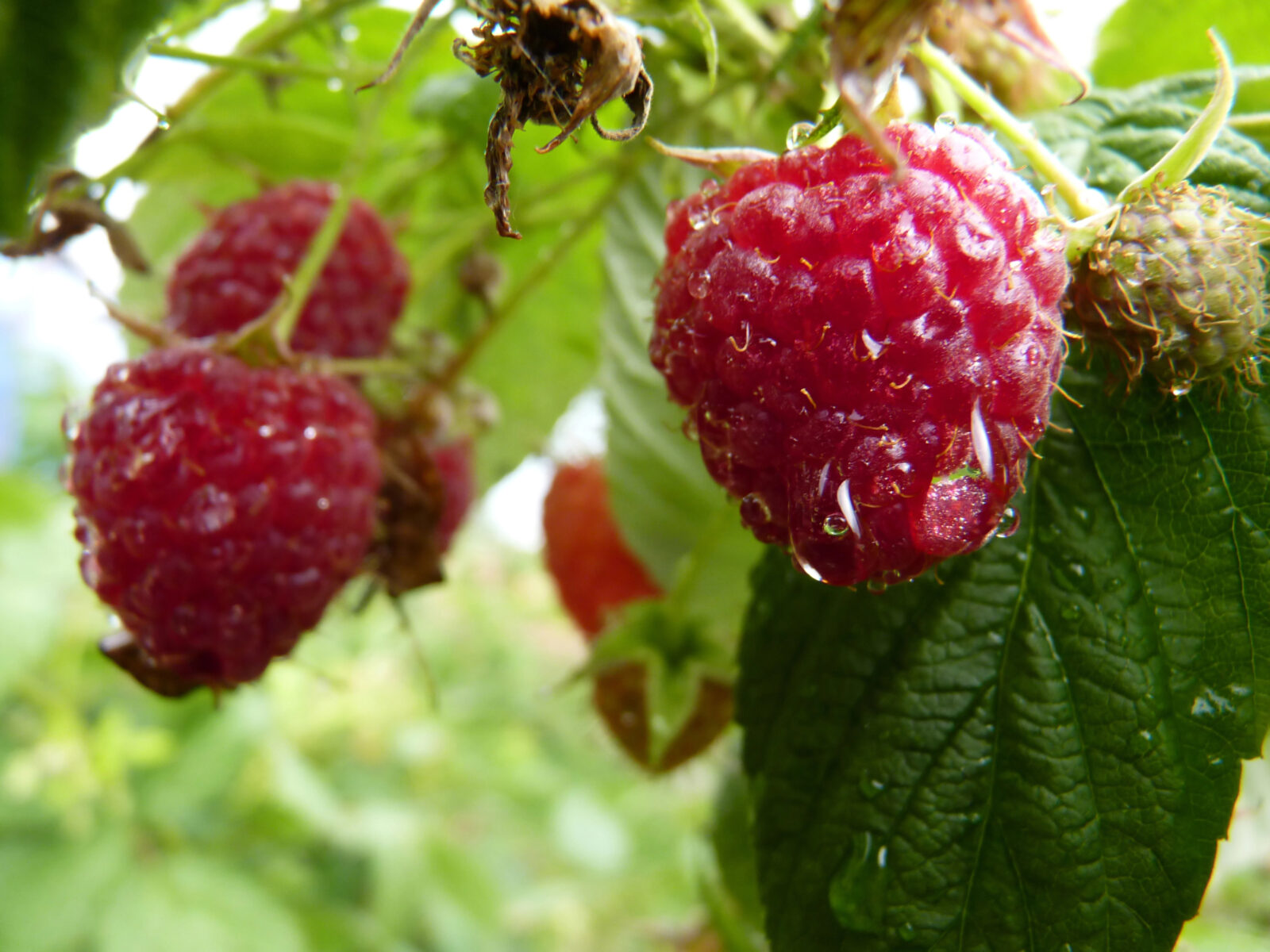
Potassium deficiency on raspberries can show up most clearly on older leaves. You’ll often see scorching at the edges, darkening of the leaf blade, and a decline in the condition of the leaf stalks. But these symptoms aren’t definitive, because drought stress, certain diseases, or even a magnesium issue can look similar. If you want certainty, the most reliable option is a laboratory soil or leaf test. That allows you to fine-tune feeding and avoid a situation where you add yet more nitrogen when the plant is actually short of potassium.
With raspberries, it’s often more effective to change the nutrient balance and the application method than to keep adding more doses of universal fertiliser. Potassium for flavour and firmness, gentle surface application, and no digging are among the simplest steps that usually show up quickly in the quality of the harvest.
Source: MDPI, Wiki Farmer, Plantura, Pestrazahrada.cz

A lover of nature, gardens, and everything that moves, blooms, or grows. He literally grows everything, from herbs to rare species, and he enjoys caring for animals just as much. In his work, he connects modern technology with tried-and-tested grandmotherly methods and is happy when both paths lead to the same goal.
Related articles
Next year you can harvest better if you don’t sow carrots where they won’t thrive
Carrot root fly can ruin carrots, parsley and celery from the inside out, often without obvious warning until harvest. Better site choice, rotation, later sowing and simple physical barriers can dramatically cut damage next season.
How to Propagate Roses from Cuttings at Home and Fill Your Garden with Blooms Almost for Free
Want more roses without paying for new plants? With a few healthy cuttings and a simple plastic-bottle mini greenhouse, you can root new bushes at home in just a few weeks.
Heathers can cope where other plants won’t, but one soil detail decides everything
Heathers and heaths are tough evergreen shrubs that can flower across the seasons when you choose the right types. Success hinges on matching the plant to your soil pH and ensuring free drainage.
Comments (0)
Be the first to comment.