
 English
  Polski
  Deutsch
  Nederlands
  Svenska
  Norsk
Norsk  Dansk
Dansk  Français
  Italiano
  Español
  Português
  Slovenčina
  Suomi
Suomi  Gaeilge
 Ornamental grasses in the garden, how to choose the right kinds and grow them without fuss
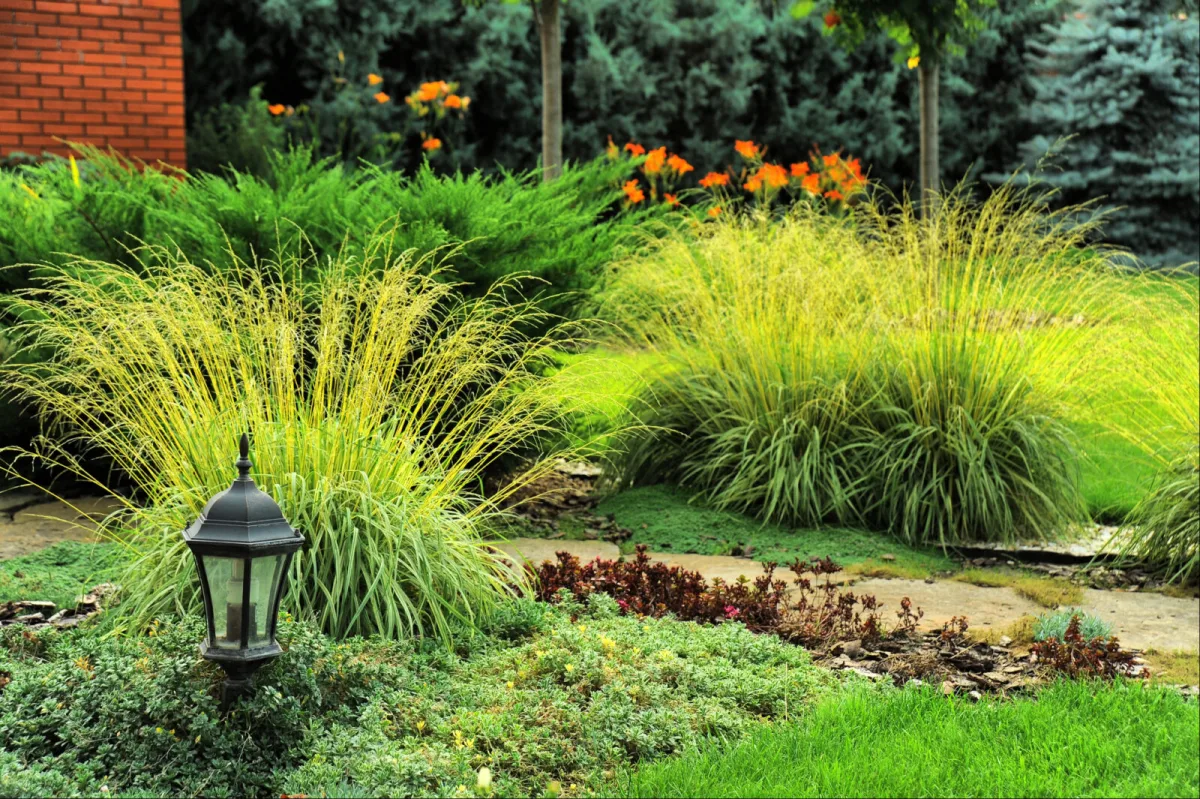
Ornamental grasses are among the most rewarding plants for both modern and traditional gardens. They form soft fountains of foliage, bold upright clumps, or airy plumes of flower heads that sway in the breeze and add movement to planting schemes. A major advantage is their long season of interest: many grasses look good from spring right through winter, when dry stems and seed heads catch frost and snow. Grasses also knit different planting styles together, soften hard path edges, highlight perennials, and often work well as container specimens.
How to choose the right grass: by site and appearance
First, it pays to be clear about what you want from your grass. Differences between species are significant, and the right choice determines whether the plant will thrive or struggle. Check the eventual height and spread: some low growers neatly fill bed edges, while others reach several metres and need room. Growth habit matters too, whether strictly upright or arching and cascading.
Another key point is the foliage type. Some grasses are evergreen and keep their look through winter; others are deciduous, turning yellow to straw in autumn before reshooting from the base in spring. Also note leaf colour: alongside greens you’ll find blue and steel tones, coppery tints and bright yellow cultivars. It’s useful to know how vigorous a plant is as well. Clump-formers hold their shape, while running types can spread quickly to cover ground, but in some gardens they need keeping in check.
Cool-season, warm-season and evergreen grasses
For care, it’s essential to know when a grass begins growth. Cool-season grasses break dormancy early, often from late winter into spring, while warm-season grasses start later in spring to early summer and peak in hot weather. Evergreen grasses and grass-like plants such as sedges don’t die back completely and should be tidied more gently. Once you know which group your plant belongs to, it’s easy to time planting, cutting back and dividing.
When and where to plant ornamental grasses
Most ornamental grasses prefer an open, sunny position and a free-draining soil that stays lightly moist but not waterlogged, with moderate fertility. There are exceptions for partial shade, but as a rule, lack of light is the most common cause of poor flowering and thin, open clumps. When choosing a spot, consider airflow too: tightly crowded clumps are more likely to suffer from fungal issues.
The right planting time by grass type
Cool-season grasses are best planted in autumn so they can root in before winter and start strongly in spring. Warm-season types are better planted in late spring, once the soil has warmed and plants are actively growing. In general, spring or early autumn planting is also safe, but plan on more attentive watering in the first year, especially in heat and wind.
Grasses in containers
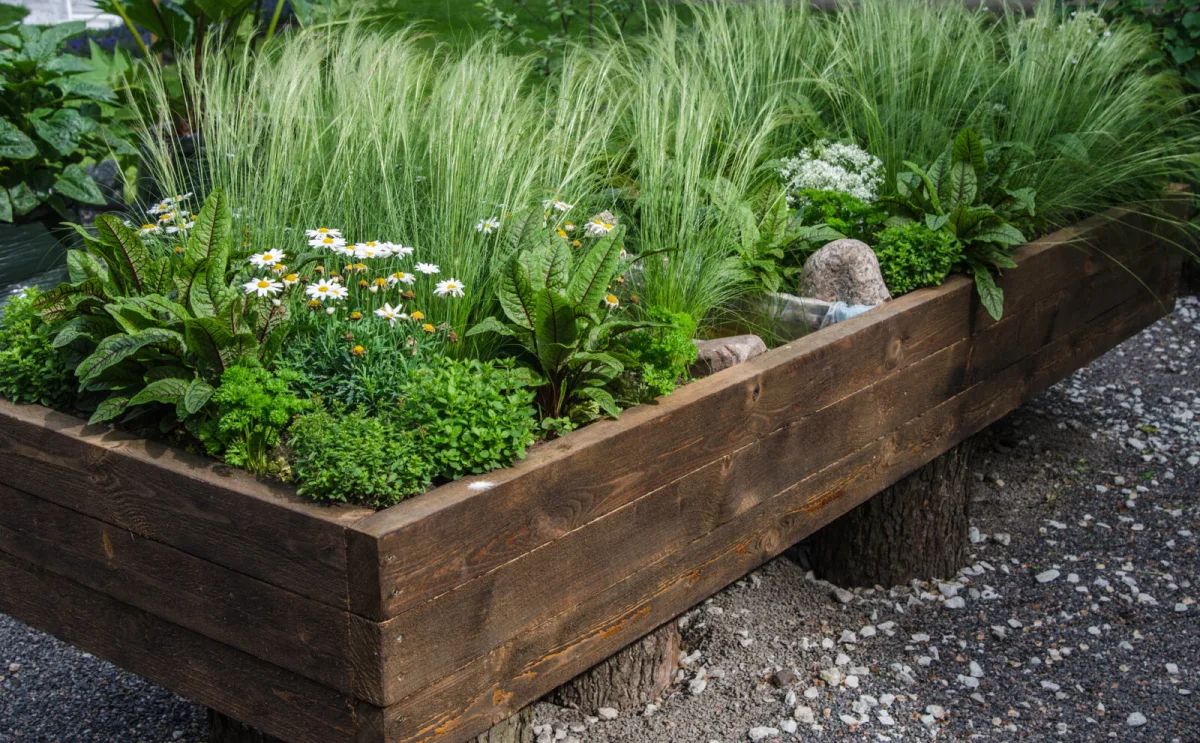
Ornamental grasses are excellent in pots, where their texture and form really stand out. In containers, however, they dry out faster and have limited access to nutrients. Use a high-quality, loam-based compost that holds its structure while still draining well. For mixed container planting, finer grasses work well as companions to flowering perennials; for winter displays, evergreen sedges are especially useful.
Watering, feeding and ongoing maintenance
After planting, regular watering is crucial for at least the first growing season. Once grasses are well established, they’re often surprisingly drought-tolerant in the ground and generally only need watering during extended dry spells. In containers it’s the opposite: regular watering is essential, because even a brief dry-out can cause brown, crispy leaf tips.
Don’t overdo feeding. Grasses often come from leaner habitats, and too many nutrients encourage lush leaf growth at the expense of flowers, and can also cause flopping. In borders, a modest spring top-dressing of compost around the clumps is usually enough. In pots, you can apply a weak dose of a general liquid feed from spring to autumn, as nutrients leach out more quickly.
Grasses usually suppress weeds well thanks to dense growth, but a spring mulch of compost, bark or gravel helps reduce weed seedlings. With some more vigorous spreaders, you’ll need to watch for expansion and, if necessary, restrict the edges of the clump.
Cutting back ornamental grasses and why not to rush in autumn
With deciduous grasses it’s tempting to tidy everything up in autumn, but it’s often worth leaving the dry foliage and flower heads through winter. They add structure, catch frost and provide shelter for small wildlife. Cut back in late winter or early spring, just before new shoots emerge. For grasses with sharp-edged leaves, wear sturdy gloves, as the blades can give painful cuts.
Deciduous grasses
Deciduous grasses are usually cut back low to the ground, often leaving just a few centimetres. It helps to tie the dry foliage into a sheaf first, making the cut quicker and the clean-up neater. If you’ve delayed cutting until spring, don’t leave it too late, as old material starts to mix with new growth and the clump can look messy.
Evergreen grasses and sedges
Evergreen types shouldn’t be cut back hard. In spring, you typically remove spent flower stems and gently comb out dead or damaged leaves with your fingers or a gloved hand. This preserves healthy foliage and the plant quickly regains a neat, compact appearance.

Dividing clumps and propagating for stronger plants
Older clumps can gradually become congested, die out in the centre, or outgrow their allotted space. Roughly once every five years, it’s a good idea to lift and divide grasses. You’ll get a more vigorous plant and also new divisions for other parts of the garden. Divide when the grass is actively growing but not yet in flower, so it establishes more easily.
Divide cool-season grasses from late winter to early spring, or in early autumn. Divide warm-season grasses in late spring once they’ve genuinely started into growth. The method is straightforward: dig up the clump, split it into several sections with healthy roots, and replant immediately so the roots don’t dry out. After dividing, consistent watering is important until plants re-establish.
Propagation from seed is possible, but variable, and with some species it can lead to unwanted self-seeding. If you want to collect seed, cut mature flower heads just before they fully ripen, let them dry in a paper bag, and sow in autumn or spring. For grasses that self-seed readily, it’s better to remove the flower heads in time if you don’t want them taking over the bed.
Most common problems and how to prevent them
Ornamental grasses are generally healthy when grown in the right place. Occasionally, rust can appear as rusty spots on leaves. Thinning the planting, improving airflow and dividing overgrown clumps all help. Poor flowering is usually linked to too little sun or overfeeding, which pushes leafy growth. In some gardens, rabbits or voles may nibble grasses; protecting young plantings and choosing tougher species can help.
Ornamental grasses as a long-term investment in the garden
Once grasses are planted correctly, they reward you with minimal effort and maximum impact. Stick to the best planting time for the type, avoid excessive feeding, keep an eye on watering in the first year, and time cutting back to show off the winter beauty of dry clumps. You’ll gain planting that looks attractive from spring through winter and improves year after year.
Source: Proven Winners, Rhs , Pestrazahrada.cz
Related articles

Next year you can harvest better if you don’t sow carrots where they won’t thrive
Carrot root fly can ruin carrots, parsley and celery from the inside out, often without obvious warning until harvest. Better site choice, rotation, later sowing and simple physical barriers can dramatically cut damage next season.

How to Propagate Roses from Cuttings at Home and Fill Your Garden with Blooms Almost for Free
Want more roses without paying for new plants? With a few healthy cuttings and a simple plastic-bottle mini greenhouse, you can root new bushes at home in just a few weeks.
Heathers can cope where other plants won’t, but one soil detail decides everything
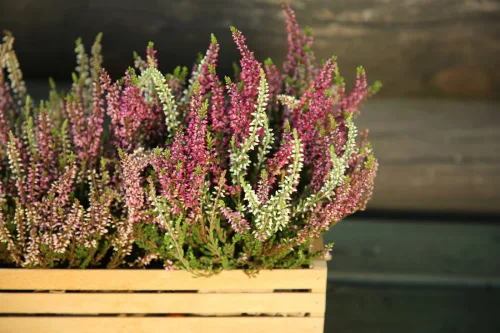
Heathers and heaths are tough evergreen shrubs that can flower across the seasons when you choose the right types. Success hinges on matching the plant to your soil pH and ensuring free drainage.
Comments (0)
Be the first to comment.