
 English
  Polski
  Deutsch
  Nederlands
  Svenska
  Norsk
Norsk  Dansk
Dansk  Français
  Italiano
  Español
  Português
  Slovenčina
  Suomi
Suomi  Gaeilge
 No Garden of Your Own but Want to Grow Plants Community Gardening Will Win You Over
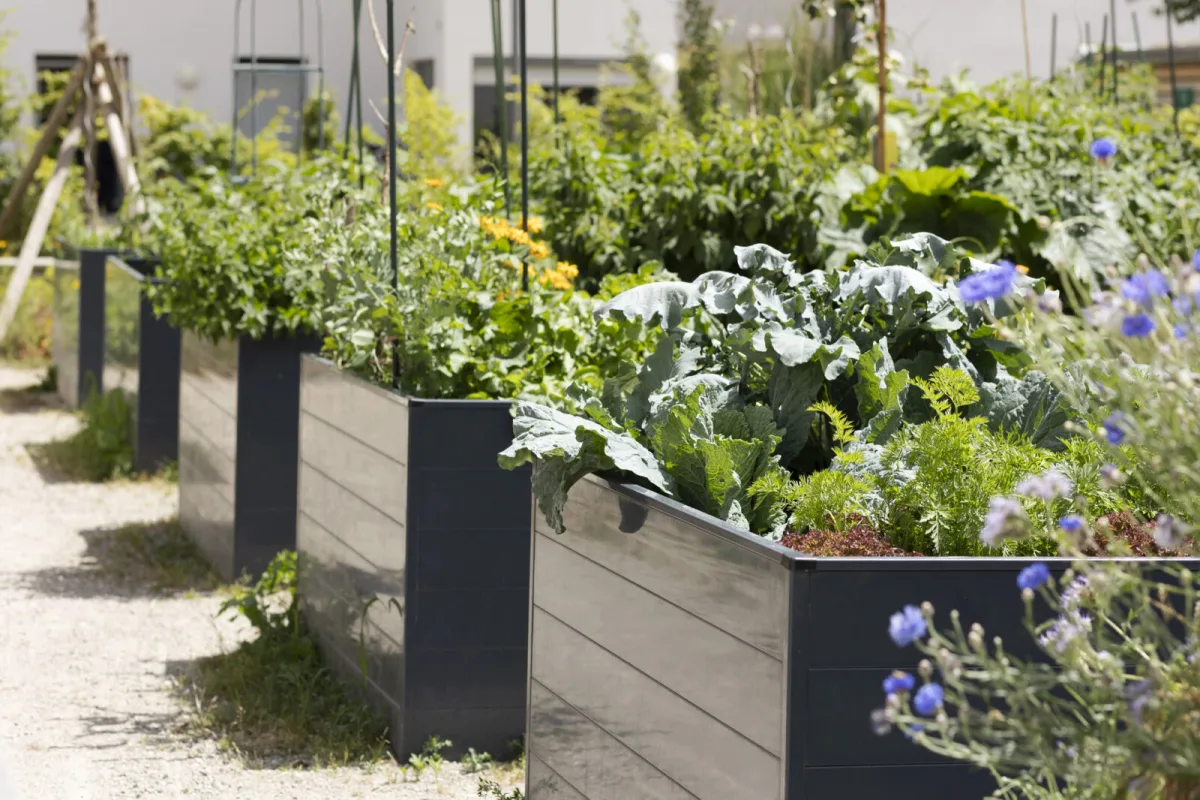
A community garden is a shared patch of green cared for by a group of people, most often from the immediate neighbourhood. Typically, it’s residents of apartment buildings who don’t have a garden of their own but still want to grow vegetables, herbs, small fruit, and ornamental plants. The garden can be created on unused land, in gaps between buildings, on former brownfield sites, and sometimes even on a rooftop. Alongside growing, however, a community garden has an even more important dimension: it becomes a place for meeting and cooperation that brings a human scale back to the city.
It’s important to understand it’s not only about beds and harvests. A community garden is often also an attractive, restful space. Seating, shade, a safe corner for children, or a shared barbecue area often decide whether an idea turns into a long-term, lively place people enjoy visiting, not just somewhere they come “for their shift” to hoe a bed.
What a community garden brings to people and the neighbourhood
The benefits of community gardens can be described on several levels. Socially, they create an informal space where neighbours meet across generations. People share experience regardless of education or profession, children naturally see where food comes from, and relationships form that later help in everyday neighbourly life too.
The educational role is often underestimated. Gardens host workshops on growing, composting, water management, or how to improve the city’s microclimate. Even a small garden can be a hands-on “classroom” for ecology that is easy to understand and based on real experience.
The recreational side is straightforward: greenery calms and offers a place to unwind. For many people, growing is also good for mental wellbeing, a return to the rhythm of the seasons, and a counterbalance to the digital world.
Environmental benefits are increasingly important in cities. Plants hold water in the soil, cool the surroundings through evaporation, and help reduce the urban heat island effect. The garden also supports biodiversity by providing shelter and food for pollinators and other small wildlife. When kitchen and garden waste is composted and food is grown where it’s eaten, it also saves energy and materials associated with transport and packaging.
A well-run community garden isn’t just a production space, but a living neighbourhood place that improves the climate, relationships, and how people experience public space.
How to start a community garden step by step
The beginning isn’t about soil, but about people. The first step is to find a group that shares similar expectations: one person mainly wants to grow, another prefers to relax, someone else wants to teach children. The sooner these expectations are named, the fewer conflicts will arise later. Next comes choosing a location. It may be a lease, a loan agreement, an arrangement with the municipality, or even land owned by one of the members, but it must always be clear who owns what and who is responsible for what.
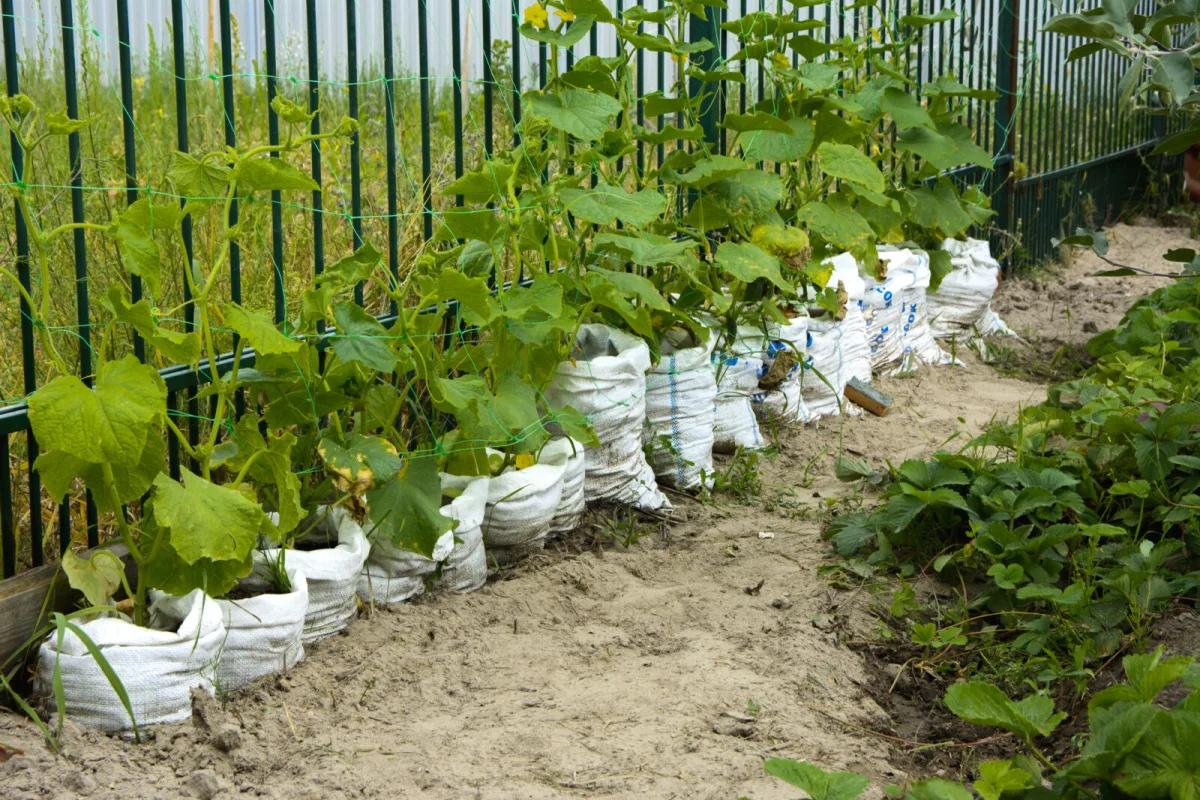
It’s essential to verify access to water, sunlight, and the site’s safety. In areas with frequent vandalism, it’s hard to establish an open, unsupervised space; sometimes a fence helps, other times strong neighbourly ties and natural oversight. There’s no need to start big. A garden can be launched in mobile containers or grow bags filled with compost, which is useful where the future of the site is uncertain or where the community’s interest is still being tested.
Management, rules, and money decide whether the project survives
The most common reason community gardens fail isn’t drought or pests, but poorly set management and an unfair division of work. That’s why it pays to agree on basic rules in writing: how running costs are covered, who has keys, how work rotas are planned, how damage is handled, what happens when a member leaves, and how new members are accepted. A garden usually also involves shared property: tools, compost bins, water barrels, and possibly a greenhouse.
It works best when the project has a clear coordinator approved by the community and regularly checked at agreed meetings. Financial transparency is essential, so a shared account and a simple budget make sense. Costs include water, compost, seed, materials for raised beds, tool repairs, and small investments in facilities. In many cities you can use grants and subsidies, but even with support, it can’t be “free”: everyone needs to contribute either time or money, ideally both in a reasonable amount.
What to grow at the beginning and how to plan the harvest
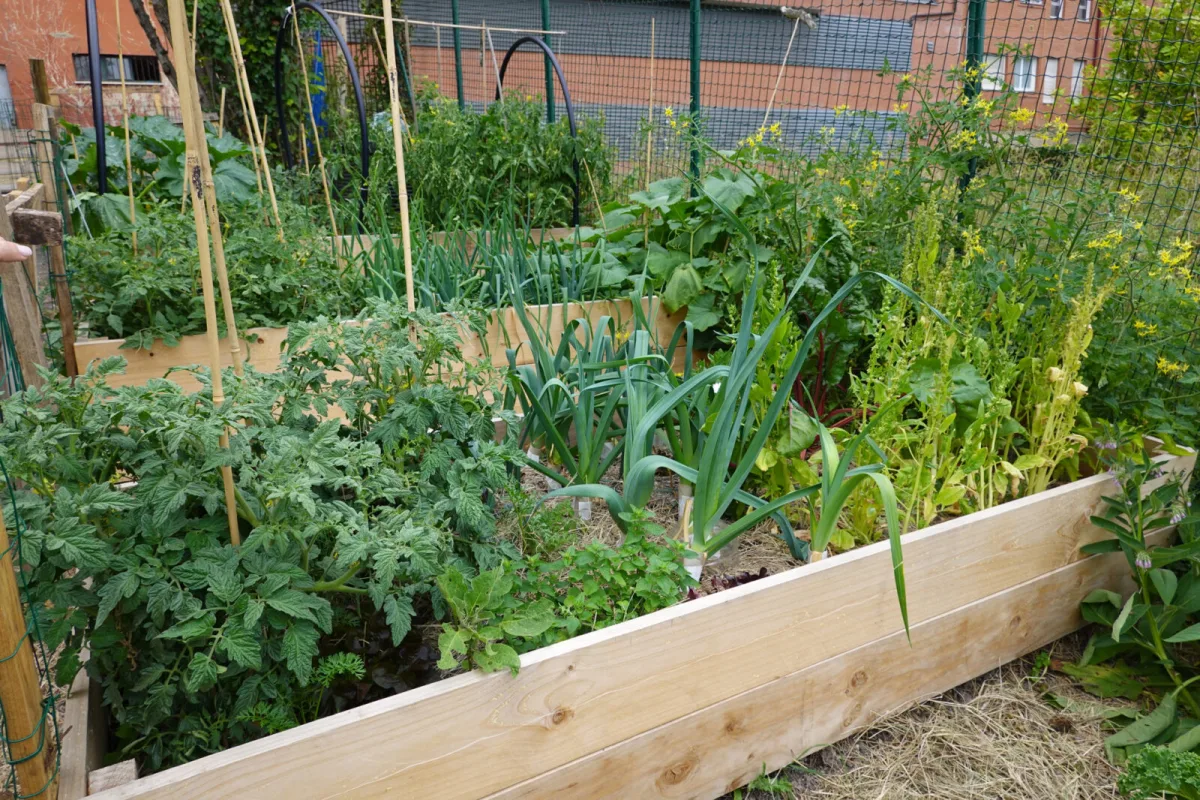
Only once the group is agreed and the rules are in place does it make sense to decide on crops and the scale of growing. For a start, “vegetable garden classics” work well: tomatoes, peppers, cucumbers, garlic, onions, radishes, lettuces, courgettes, carrots, and herbs. They’re familiar, they motivate beginners, and they can be shared among several people. More experienced growers can add soft fruit or cut flowers, which bring beauty to the garden and attract pollinators.
It’s practical to decide in advance how the harvest will be divided. In some gardens, communal harvests work; in others, each person has their own bed and part of the space is communal. What matters is that the rule is clear and fair, because the harvest is the moment when it becomes obvious whether the cooperation holds together.
When the garden belongs to someone and the community is a guest
A special situation arises when a community garden is initiated by an owner who no longer wants to, or can’t, care for their garden alone but doesn’t want to sell or rent it out. This can be a wonderful solution for both sides, but it requires extra caution around ownership. The land remains the owner’s property and, after their death, becomes part of inheritance proceedings, while jointly purchased items such as a mower, greenhouse, or tools may have been paid for from community funds. That’s exactly why it’s wise to agree in advance what will happen to investments if conditions change.
Community gardens in the Czech Republic and why their numbers are growing
In the Czech Republic, the number of community gardens is rising especially where the city or borough supports them with guidelines, grants, and a willingness to look for suitable plots. Gardens are no longer only the domain of big cities; they are also appearing in smaller towns, because demand for meaningful neighbourhood space is similar everywhere. A community garden is becoming a practical way to transform an unused corner into a place that delivers benefit, beauty, and relationships.
If you want to start, look for people first and soil second. A good community can work through difficult conditions, while without functioning rules even an ideal plot won’t help. At its best, a community garden is a small proof that cooperation can work in a concrete, visible way, every single day.
Source: Wikipedia, Ceskestavby , Pestrazahrada.cz
Related articles

In September, One Simple Step Decides Whether Your Christmas Cactus Blooms in Winter
With Christmas cactus, winter flowering isn’t mainly about watering or feeding—it’s about uninterrupted darkness after dusk. Start in September to trigger bud set and enjoy a full display in December.
A Simple Trick to Help Geraniums Survive Winter Without Water or Soil
Store geraniums bare-root in a cardboard box over winter—no watering, no pots, and hardly any space needed. With the right cool, frost-free spot, they’ll wake up quickly in spring and flower strongly again.
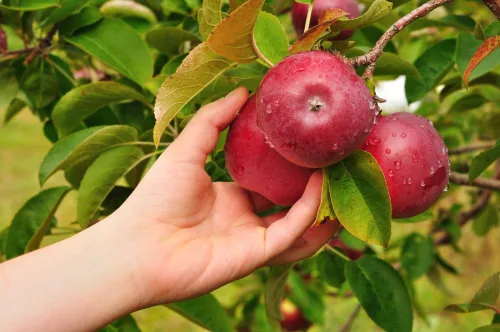
Picking Apples Without Mistakes Helps Keep Your Harvest Fresh and Rot-Free for Longer
How you handle apples at harvest has a huge impact on how long they keep. Gentle picking, careful sorting and the right storage conditions will help prevent rot and unnecessary losses.
Comments (0)
Be the first to comment.