
 English
  Polski
  Deutsch
  Nederlands
  Svenska
  Norsk
Norsk  Dansk
Dansk  Français
  Italiano
  Español
  Português
  Slovenčina
  Suomi
Suomi  Gaeilge
 Nine Common Vegetable Growing Mistakes That Quietly Cut Your Harvest
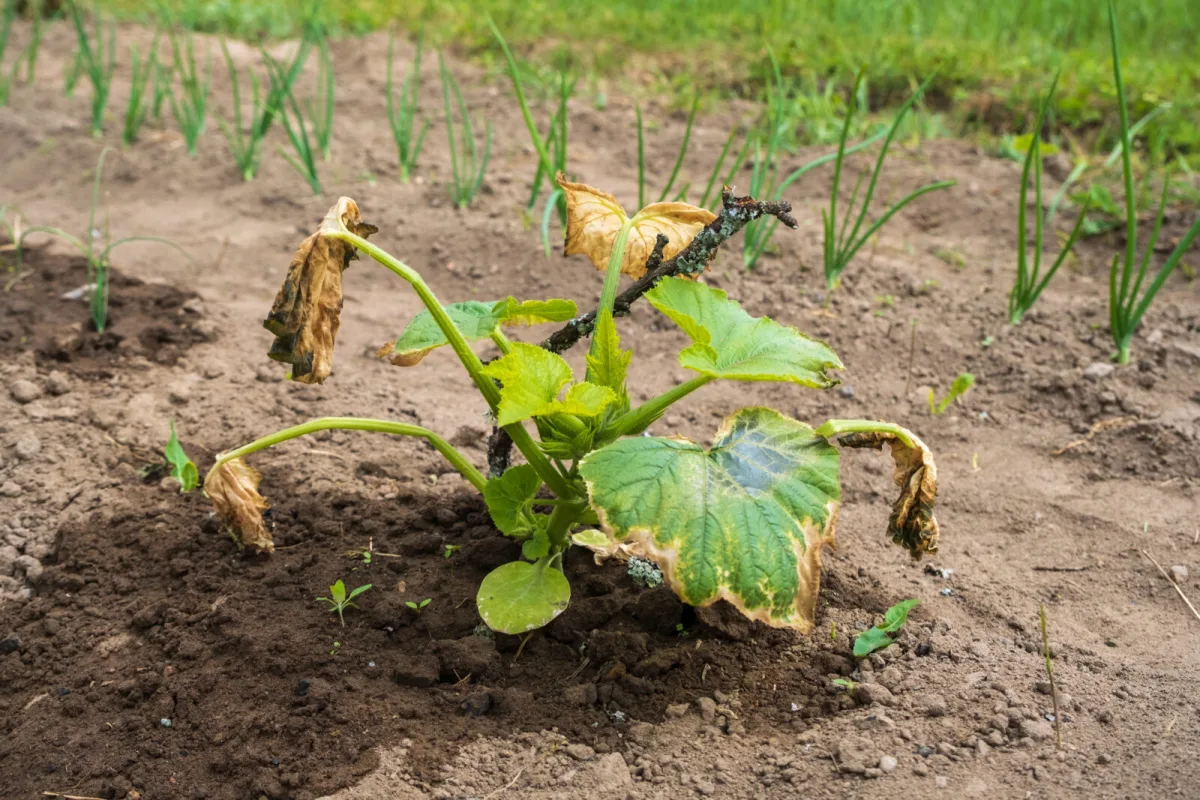
Almost everyone has had a disappointing season in the vegetable patch. When plants grow poorly, set too few fruits, or succumb to disease more often, the culprit isn’t always the weather, pests, or bad seed. Very often it’s a combination of small growing decisions that add up over the season. The result can look like one big problem, but in reality it may be several subtle mistakes that are fairly easy to adjust.
Sowing and planting too densely
Trying to use every centimetre of a bed often ends with plants crammed too close together. In dense growth, vegetables compete for light, water and nutrients, air movement is poorer, and the risk of mildew and other fungal problems rises. Plants stretch, weaken, and harvests are smaller. With root crops it shows especially quickly. If you don’t thin carrots or parsley in time, the roots have no room and the crop stays skinny and misshapen.
Missing, or on the contrary unsuitable, interventions during growth
Some crops need regular attention, while others dislike unnecessary interference. With tomatoes, it’s important to pinch out side shoots in good time, because they drain the plant and slow both fruit set and ripening. With celeriac, on the other hand, it doesn’t pay to keep removing leaves, because the foliage is what produces the energy the bulb needs to grow. Cauliflower can suffer if you don’t protect the curd from harsh sun; it yellows easily and the quality declines. With watermelons, pinching back helps encourage more fruit. Similarly, salad cucumbers often stop setting well if you don’t pinch out the shoot tips early enough.
Relying only on synthetic fertilisers
Mineral fertilisers can supply nutrients quickly, but with frequent or heavy-handed use they can do more harm than good. Overfed plants are often more prone to disease and pests, and in the long run soil life suffers too. Without it, soil loses structure and its ability to manage water properly. A gentler approach is compost, well-rotted manure, and sensible dosing to match the needs of each crop. Mulching beds with organic material such as grass clippings or straw also helps by reducing evaporation and gradually enriching the soil.
A garden bigger than your time allows
Another common mistake is being too ambitious with the area. Big beds sound tempting, but the reality is that regular weeding, watering, pinching and harvesting take time and energy. When maintenance starts to slip, the garden is easily neglected and results are worse than from a smaller, well-kept plot. The size should reflect how many vegetables your household actually eats, and whether you have space for storing or preserving. As a rough guide, it’s sometimes said a family of four may need several hundred square metres, but for everyday use a much smaller area can be enough if you grow thoughtfully.
Poor watering routines
The problem isn’t only drought, but also waterlogging. Watering too often keeps the soil constantly wet, roots get less oxygen and can rot. It’s far better to water less frequently but thoroughly, so the water penetrates deeper. That encourages plants to build a stronger root system and cope better with hot days. Daily light sprinkling, by contrast, promotes shallow roots and greater sensitivity to weather swings.
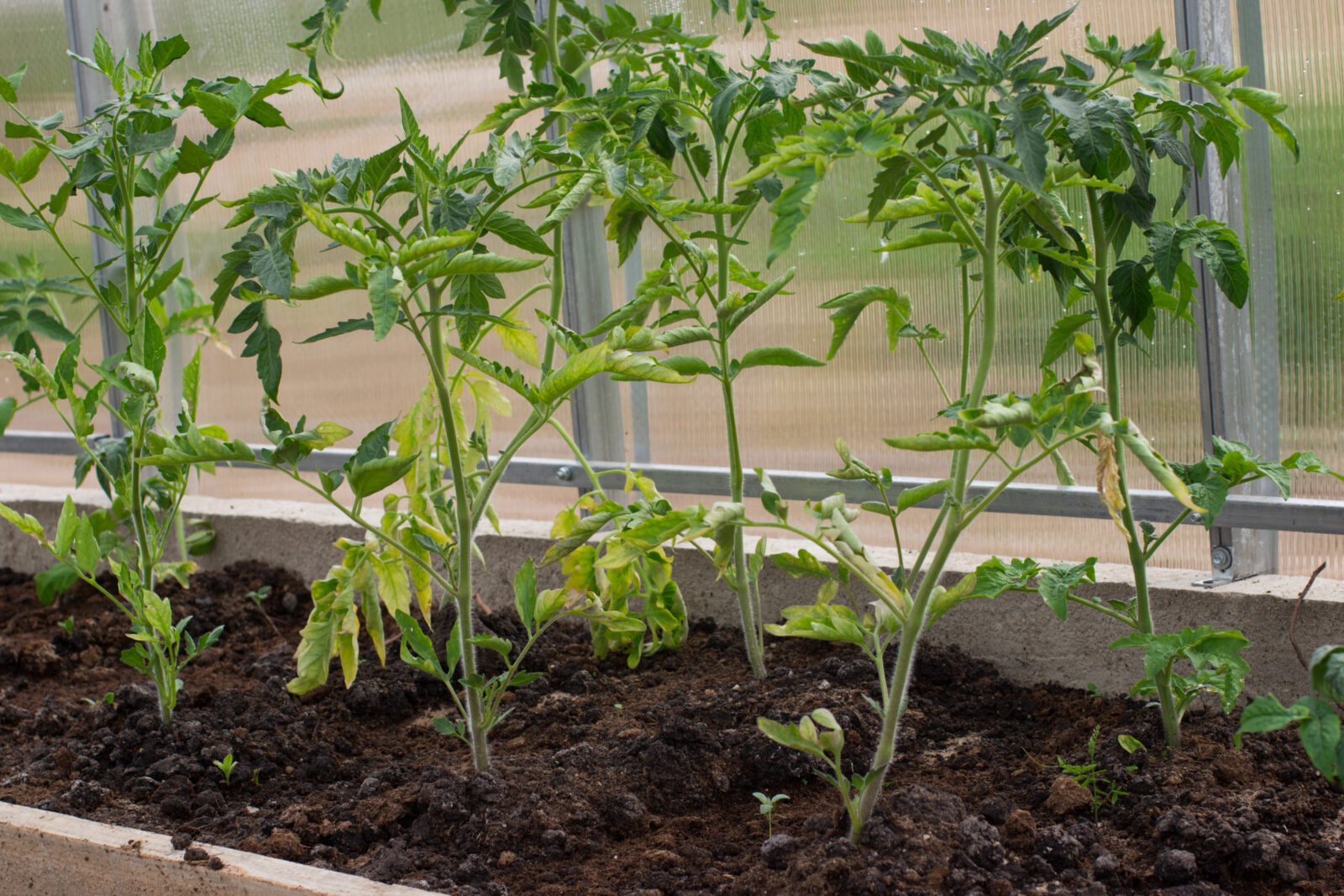
Watering the leaves instead of the roots
Watering from above in hot weather can damage leaves, because droplets on the surface can intensify the sun’s effect. Even more often, though, the issue is that wet foliage creates ideal conditions for fungal diseases. The safest approach is to direct water straight to the roots and water in the morning or evening. Also watch out for very cold water, for example straight from a well, which can stress plants unnecessarily.
Soil washing down on a slope
On sloping ground it’s easy for a heavy watering or rainfall to wash away the most fertile top layer of soil and compost. Beds then lose fertility quickly and plants struggle. Drip irrigation can help, as can hoses laid directly along the beds, running rows along the contour, and simple slope reinforcement so water doesn’t rush down in a single stream and the soil has a chance to absorb it.
Poor plant neighbours
It pays to plan bed combinations ahead, because some pairings support each other while others get in each other’s way. Mixed plantings can reduce pest pressure and contribute to a more resilient crop. Tomatoes often benefit from being near celeriac or basil, carrots do well with onions, lettuce pairs nicely with radishes, and cucumbers often appreciate dill. With brassicas, calendula can help, for example, and beans are often grown alongside corn. Choosing the right neighbours reduces the need for interventions and improves plant health.
Weeds as strong competition
Weeds steal water, nutrients and space from vegetables, and can quickly overtake young seedlings. Once they spread, the work multiplies and the vegetables lose strength in the meantime. That’s why it’s worth removing weeds regularly while they’re still small. In the kitchen garden, mechanical weeding is the most reliable approach, because chemicals in beds often aren’t worth it and can upset the soil’s balance.
It’s not about perfection, but consistency. If you adjust spacing, watering, feeding and ongoing care, vegetables often bounce back surprisingly fast.
Source: Zahrádkár, GrowVeg, Almanac, Pestrazahrada.cz

A lover of nature, gardens, and everything that moves, blooms, or grows. He literally grows everything, from herbs to rare species, and he enjoys caring for animals just as much. In his work, he connects modern technology with tried-and-tested grandmotherly methods and is happy when both paths lead to the same goal.
Related articles
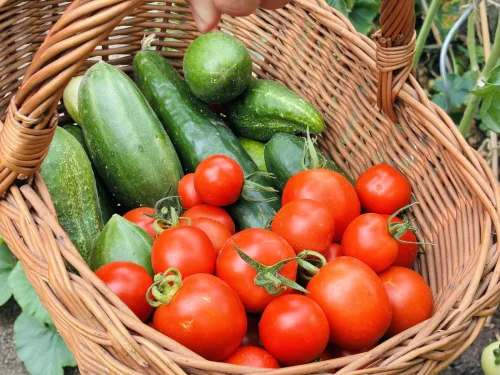
The More Often You Harvest, the Longer Plants Keep Cropping
With fruiting vegetables, frequent picking keeps plants flowering and producing for longer. A few crops, such as aubergines, are tastiest when harvested slightly earlier rather than fully mature.
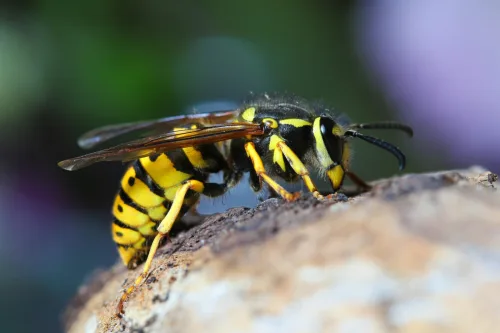
Wasps Aren’t Just a Barbecue Menace They Can Ruin Your Garden Woodwork Too
Weathering isn’t always the main culprit behind damaged outdoor timber. Wasps can scrape fibres from boards and beams surprisingly fast, leaving grooves that soak up water and accelerate decay.
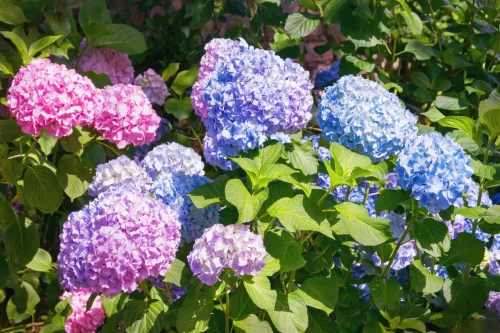
Why hydrangeas wilt in summer even when watered and how to save them fast
Hydrangeas can look limp in hot weather even if you’ve been watering faithfully. The key is to check what’s happening in the root zone, then adjust watering, shade and mulching so the plant can actually use the moisture available.
Comments (0)
Be the first to comment.