
 English
  Polski
  Deutsch
  Nederlands
  Svenska
  Norsk
Norsk  Dansk
Dansk  Français
  Italiano
  Español
  Português
  Slovenčina
  Suomi
Suomi  Gaeilge
 Natural Ways to Get Rid of Slugs and Protect Your Plants
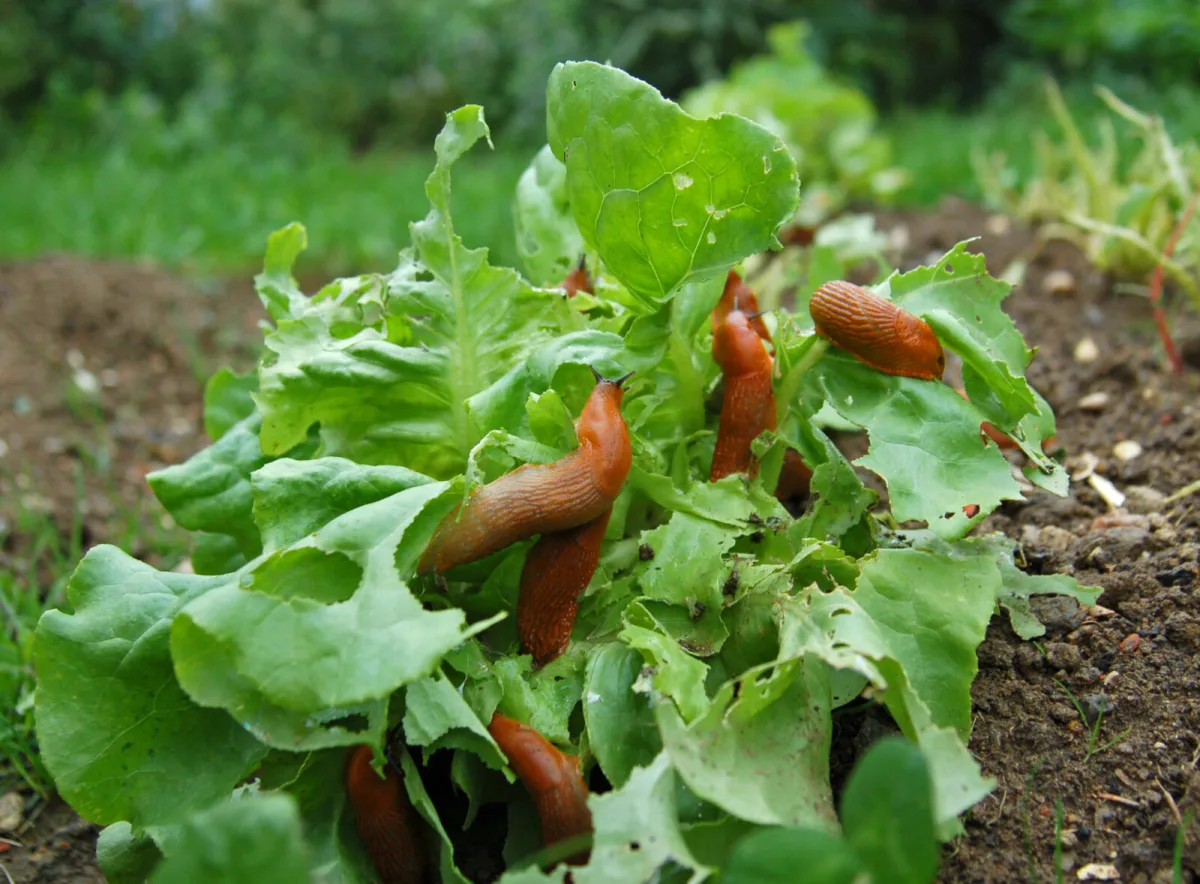
Slugs are among the most frustrating pests gardeners have to deal with. In a single night they can destroy newly planted seedlings, chew leaves and flowers, and they often go for stems and even tubers. Beyond the direct damage, they leave behind tell-tale slimy trails on plants and soil. If you want to keep both your harvest and ornamental borders in good shape, it pays to combine several gentle methods that won’t burden the soil or harm beneficial wildlife.
When slugs are most likely to appear
Slugs are active for much of the year, but they usually do the worst damage in spring, when young growth is at its most tender and appetising. They most often come out in the evening and at night, especially when it’s warm and damp. During the day they retreat to shelter, underground or into shade so they don’t lose moisture and dry out. After rain and during warm nights their activity can spike, so it’s worth stepping up bed inspections at those times.
A healthy ecosystem is the foundation of success
In the long term, the best results come from a garden that isn’t sterile, but instead makes room for slugs’ natural enemies. Planting shrubs, trees and hedges helps, because birds are more likely to visit and many will actively hunt slugs. Even a small wildlife pond can make a big difference by attracting amphibians. Toads, frogs and newts can noticeably reduce slug numbers in the surrounding area at night.
Reptiles can help too, especially slow worms. If you provide safe refuges, they may settle in and assist with slug control. A simple trick is to place a flat stone or a piece of slate at the edge of a bed—slow worms like to hide underneath. The more diverse and natural your garden is, the less pest pressure you usually face.
How to create a slug-free protected zone
It’s hard to defend an entire garden 100%, but you can secure the most important spots—cold frames, raised beds, or pots and planters with sensitive plants. Plant out young crops only once they’ve put on some strength, because tiny seedlings are what slugs demolish fastest. With containers, it’s also worth blocking access from below, for example by placing mesh or a sturdy fabric under the pot so slugs can’t crawl in through drainage holes.
Fertilising matters as well. If you overfeed newly planted crops, they often produce soft, very juicy growth that attracts slugs. It’s wiser to encourage steady strengthening and focus on overall plant health rather than forcing rapid growth at any cost.
Hand picking is simple and often the most effective
One of the most reliable methods is an evening slug patrol. All you need is a torch and a container to collect them safely—salt water is commonly used. The best time is usually about two hours after dusk, when slugs are most active. With regular picking you can significantly reduce the population within days to weeks, especially in small gardens or around the most vulnerable beds.
If you want to make collection easier, you can lure slugs to a spot where they’ll gather. Leaf trimmings, animal feed pellets, bits of bread or bran can work. In the morning they’re often easier to pick up, as some will remain hiding close to the bait.
Where to look for slugs during the day and how to spot the eggs
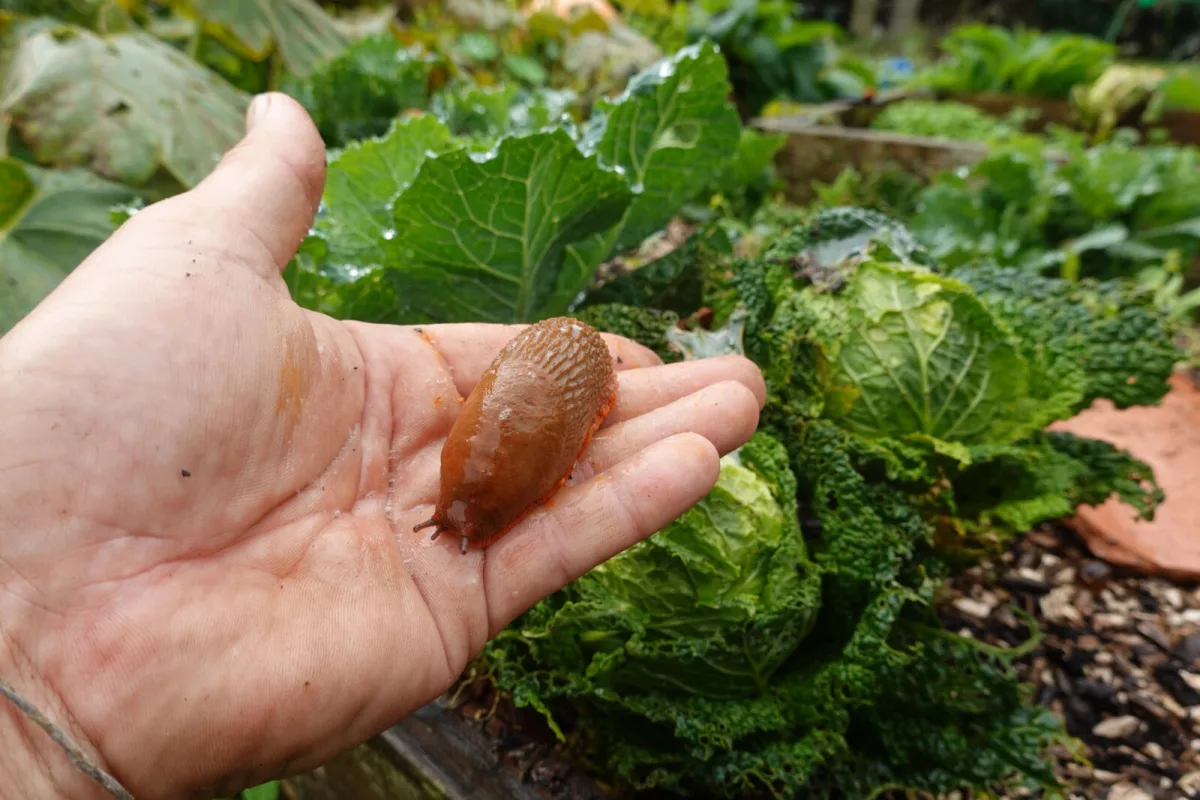
During the day, slugs hide where it’s cool and damp—typically under pots, boards, bricks, stones, or beneath a layer of wet leaves. These are exactly the places worth checking regularly, because you can often find several at once. Besides adults, watch for clusters of eggs, which look like tiny white to translucent pearls grouped together. If you find them, destroy them or leave them as food for birds, which can quickly peck them up.
Biological control with parasitic nematodes
A gentle option is a biological treatment containing microscopic nematodes that infect slugs and gradually kill them. Timing is important. Application is usually done in the evening, when the soil is warm enough and also moist, because effectiveness drops in dry ground. Protection typically lasts several weeks, after which the treatment needs repeating—especially if slugs are moving back in from nearby areas.
Organic pellets as a kinder choice
If you opt for pellets, choose ones based on ferric phosphate. These are considered more wildlife-friendly than older metaldehyde products, which are problematic and unsuitable in many situations. Even organic pellets should be used sparingly and in a targeted way, mainly around the most sensitive plants, to avoid unnecessary impact on the surrounding environment.
Trusted homemade tricks and barriers
Copper protection
Copper tape, strips or collars around containers and raised beds can stop slugs from crossing. Contact with copper is unpleasant for them, so they often turn back. For this to work, the tape must be continuous and clean, without gaps or bridges that would let slugs get across easily.
Coarse, sharp mulch
As a physical barrier, you can use gravel, sand, sawdust or crushed eggshells. Slugs dislike crawling over a dry, loose, abrasive surface. The effect is best when the barrier is wide enough and stays as dry as possible, which after rain means maintenance and topping up.
Garlic spray
The strong smell of garlic discourages slugs. It’s best applied in the evening and again after rain, as rainfall quickly washes the active compounds away. This works best as a supporting measure to reduce pressure in the most at-risk areas.
Slippery barriers on the rims of containers
On pots and containers, you can use a slippery film on the rim that makes it difficult for slugs to gain purchase. The coating needs renewing regularly, because dust and moisture reduce its effect. Always make sure the product doesn’t get onto leaves or into the soil in large amounts.
Beer traps work, but they must be placed correctly
Beer traps are among the best-known methods. The principle is simple: pour beer into a dish sunk into the soil so the rim sits just above ground level. It’s a good idea to loosely cover the container so rain doesn’t dilute it. The scent draws slugs in and they drown in the liquid. Placement matters—set the trap away from your main bed, because it can attract slugs from the surrounding area, and they may help themselves to your plants on the way.
Choosing more resistant plants can reduce slug pressure
If slugs repeatedly destroy the same plants, it can sometimes be more practical to adjust part of your planting. Some plants are generally unappealing to slugs or simply don’t attract them as much. Commonly mentioned examples include agastache, eryngiums, verbenas and sedums. In practice, it helps to combine tougher plants with more susceptible ones so the most vulnerable crops have more obstacles around them and are checked more often.
The best results come from combining several methods
Successful slug control rarely comes down to one single trick. The most effective approach is to link together support for natural predators, regular hand picking, clearing daytime hiding spots, and targeted barriers around the most delicate seedlings. If you work systematically—especially during high-risk periods—slugs won’t disappear entirely, but damage in your beds can be greatly reduced.
Source: English Garden, Green Side Up, Pestrazahrada.cz
Related articles
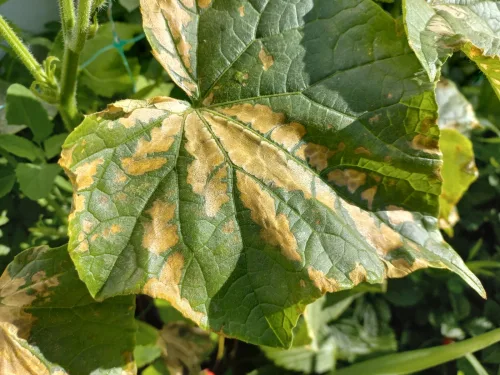
Yellowing cucumber leaves have a clear cause and with the right response plants recover quickly
Cucumber leaves turn pale and yellow when the plant is under stress—most often from watering mistakes, nutrient imbalance, or sudden temperature swings. Spot the pattern early and you can restore growth and protect your harvest fast.
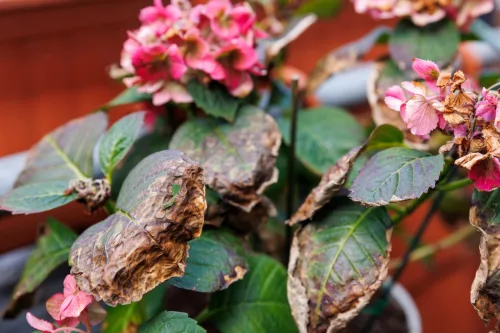
How to Get Browning Hydrangeas Back on Track Without Chemicals
Brown leaf edges or spots on hydrangeas usually point to a simple mismatch in light, watering, or airflow rather than a lost cause. Learn how to read the symptoms and restore your shrub quickly with gentle, practical fixes.
Turn Ground Cinnamon Into a Secret Weapon for Stronger, Tougher Plants
Ground cinnamon isn’t just for baking—it can help protect houseplants and garden plants from mould and fungal issues, support cuttings, and even act as quick first aid for minor wounds. Used lightly, it’s an affordable, gentle, natural add-on to good growing practice.
Comments (0)
Be the first to comment.