
 English
  Polski
  Deutsch
  Nederlands
  Svenska
  Norsk
Norsk  Dansk
Dansk  Français
  Italiano
  Español
  Português
  Slovenčina
  Suomi
Suomi  Gaeilge
 Moss Ruins Your Lawn, but There Are Ways to Get Rid of It for Good
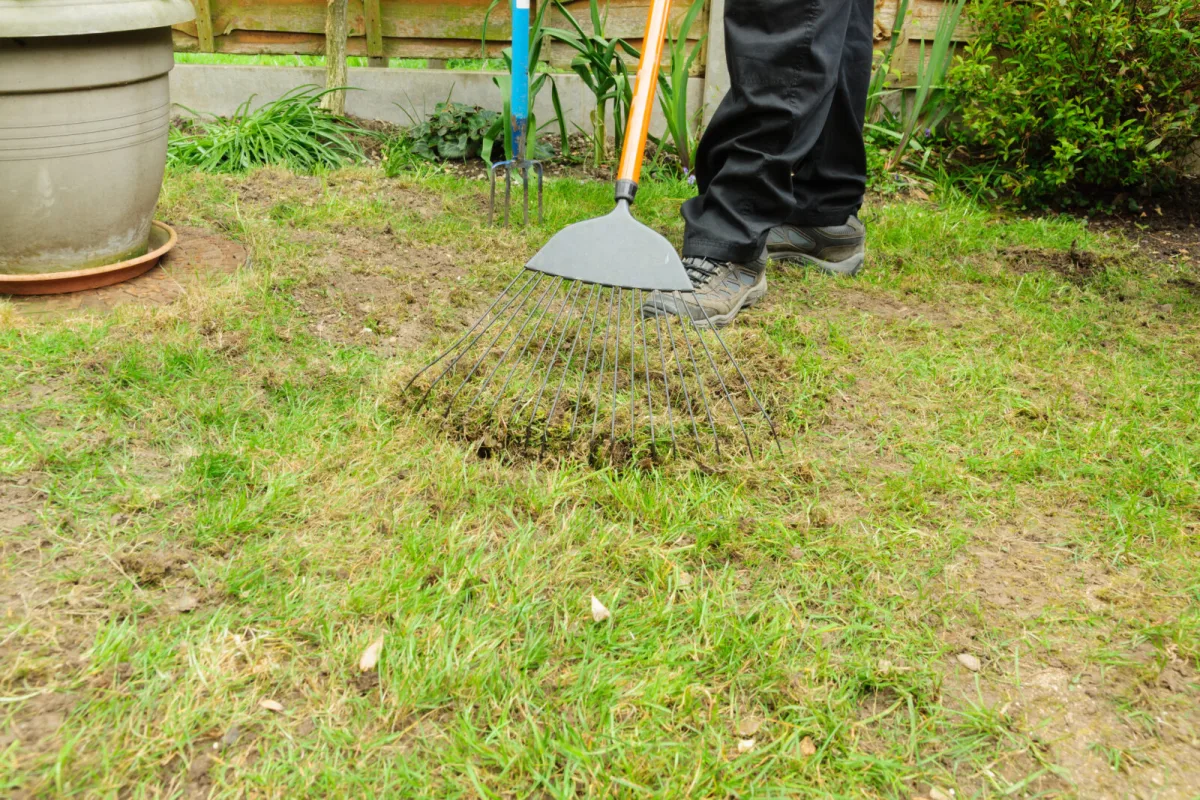
Moss can look like a soft green coating at first glance, but in a lawn it’s almost always unwanted. It not only spoils the look, it also steals space, light and nutrients from the grass. The result is thin turf that regenerates poorly, scuffs and compacts easily, and dries out faster or, conversely, starts to rot. The key is to understand that moss is usually not the root cause of the trouble; it simply takes advantage when the lawn is weakened and the soil conditions don’t suit grass.
Why moss appears and where we most often go wrong
Moss thrives wherever grass loses its competitive edge. It’s often a combination of several factors that reinforce each other. Typically, moss spreads in the shade of trees, along north-facing walls of the house, or in spots where dew lingers for a long time. A lack of sun slows grass growth, while moss copes well with poorer conditions.
Another common reason is waterlogged soil and inadequate drainage. If water soaks in slowly after rain, grass roots suffer from a lack of air and the sward weakens. Moss, on the other hand, takes advantage of the moisture in the top layer and begins to creep outwards.
Soil acidity also plays a major role. When pH drops too low, grass struggles to take up nutrients and starts to decline. Moss gains the upper hand without anyone doing a thing for it. Irregular lawn care contributes as well, especially poor feeding and the wrong mowing regime. A lawn that lacks the strength to thicken can’t naturally push moss out.
How to remove moss effectively so it doesn’t come back
A lasting result usually doesn’t come from a single quick fix. It’s the combination of mechanical removal, any targeted treatment, and then renovation of weak areas that works. The goal isn’t just to remove moss, but above all to improve conditions for the grass.
Scarifying as the starting line for renovation
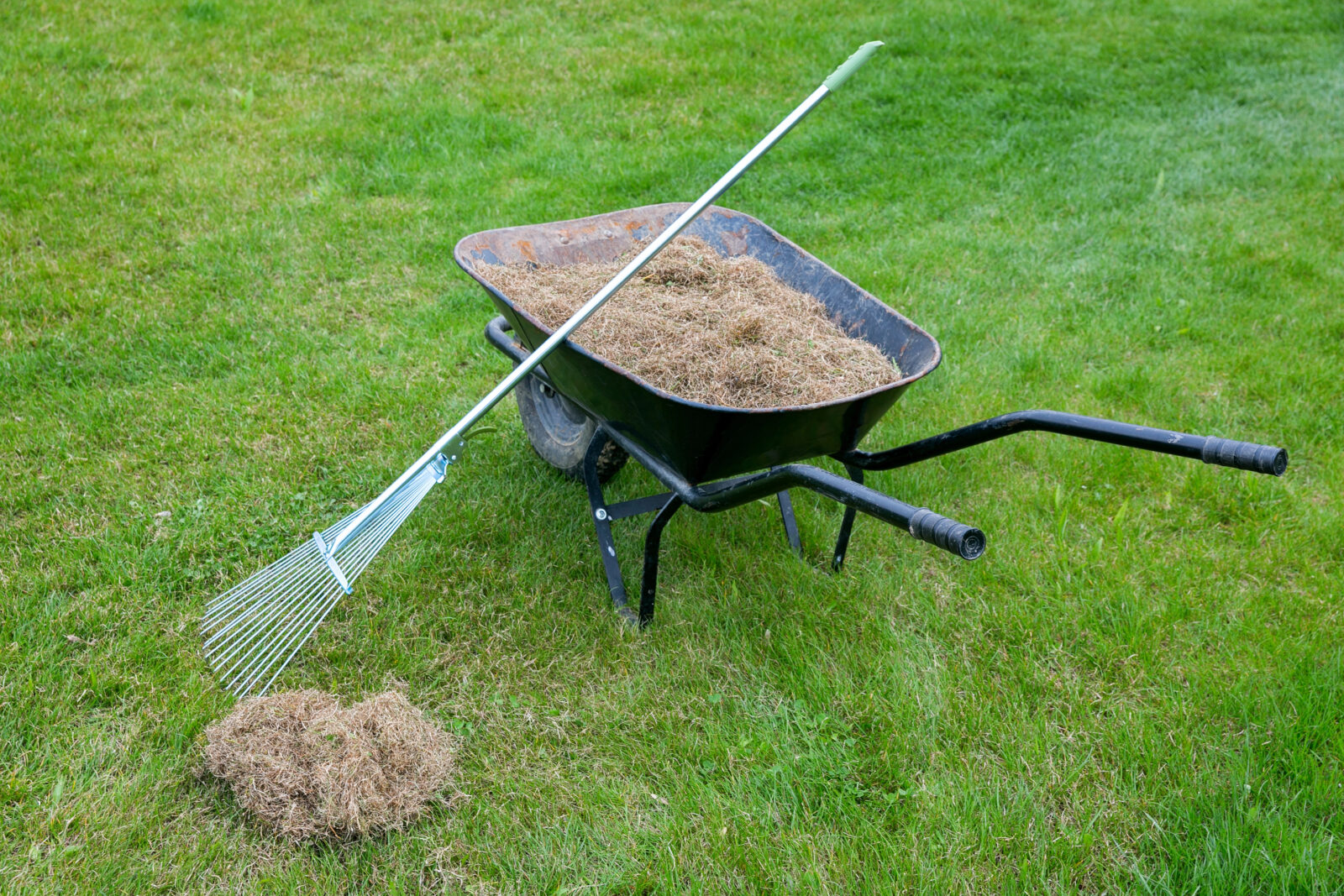
The first step is usually scarifying, which means slicing into the turf and removing thatch, dead grass and moss. This allows more air, water and nutrients down to the soil, giving roots a better environment to recover. Scarifying is best done when the grass can grow quickly, most often in spring or autumn. If the lawn is heavily clogged, it’s better to proceed gently so you don’t tear the turf out unnecessarily. After scarifying it’s normal for the lawn to look worse for a few days, but that’s part of the recovery process.
Iron-based treatments to knock moss back quickly
If moss has spread over larger areas, a targeted moss control product can help. These often contain ferrous sulphate, which scorches the moss so it darkens. It can then be raked out and removed more easily. It’s important to follow the label rate and application conditions, because too strong a concentration can stress the grass and stain surrounding surfaces. Treatment works best in suitable weather: no immediate heavy rain, but also not during extreme heat.
The best results come from disturbing the moss mechanically first, and only then boosting the grass so the bare patches fill in quickly.
Overseeding and repairing bare patches so moss has nowhere to return
After removing moss, bare soil or thin strips often remain. If you leave them untouched, moss or weeds will quickly move back in. That’s why it makes sense to overseed immediately with a suitable grass seed mix. A light feed can also help kick-start growth. The key is to keep the soil evenly moist until the seed germinates and establishes. At this stage, gentle use pays off so young seedlings aren’t damaged.
Adjusting soil pH when it’s too acidic
If the problem is long-term and moss keeps returning, it’s wise to check the soil pH. A simple test kit will tell you whether your soil is too acidic. When pH is low, liming can help, for example with dolomitic limestone. This shifts the pH into a range where grass performs better and nutrients are more available. Ideally, aim for roughly 6 to 7. Don’t overdo the rate and lime thoughtfully, because extremes are just as unhelpful for a lawn as acidity.
Prevention is the cheapest way to keep a lawn moss-free
Once the lawn thickens and its growing conditions improve, moss loses its advantage. Preventive care is usually easier than repeated interventions every year. The foundation is regular mowing so the grass isn’t left long and rank for weeks, but also isn’t cut too short and weakened. Occasional aeration is just as important, especially where the lawn gets heavy foot traffic and the soil becomes compacted.
A lawn also needs feeding. A quality lawn fertiliser supplies nitrogen and other nutrients for density and colour, helping the grass knit into a continuous carpet more easily. It’s also worth keeping an eye on soil acidity and correcting it as needed. And if water sits in the garden, drainage must be addressed, because a permanently soggy lawn will be prone to moss regardless of fertiliser.
It’s worth it when you combine intervention with proper care
Moss can be persistent, but with the right approach it can be brought under control. The biggest difference comes from combining a thorough clean-out of the turf, any targeted treatment, then overseeding, and improving the conditions in the soil. Give your grass light, air, nutrients and balanced moisture, and it will naturally strengthen and gradually crowd moss out. The reward is a dense, springy lawn that looks great, copes better with wear, and brings pleasure all season long.
Source: RHS, Love the Garden, Gardenly, Pestrazahrada.cz

A lover of nature, gardens, and everything that moves, blooms, or grows. He literally grows everything, from herbs to rare species, and he enjoys caring for animals just as much. In his work, he connects modern technology with tried-and-tested grandmotherly methods and is happy when both paths lead to the same goal.
Related articles
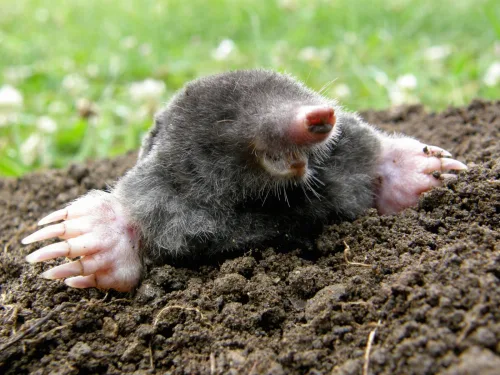
Fighting moles tempts you into a quick fix that can put you on the wrong side of the law
Fresh molehills can ruin a lawn, but the common mole is a protected species and lethal control can be illegal. Learn how to tell a mole from a vole and which lawful, effective methods actually encourage it to move on.
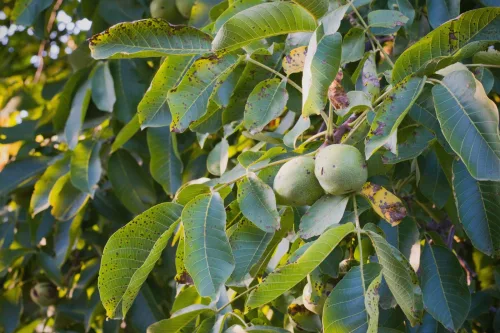
Why the Tree That Feeds a Family for Generations Is Disappearing from Czech Gardens
The English walnut used to be a staple of larger gardens and farmyards, valued for its nutritious nuts and many practical uses. With the right site and variety, it remains one of the most rewarding long-lived trees you can plant.
How to Get Rid of Mice and Rats in the House, Loft and Garden Effectively
Mice and rats don’t leave quietly—scratching sounds, droppings and gnaw marks are clear warnings. A lasting solution comes down to three steps: block entry points, remove food sources, then use traps or professional control.
Comments (0)
Be the first to comment.