
 English
  Polski
  Deutsch
  Nederlands
  Svenska
  Norsk
Norsk  Dansk
Dansk  Français
  Italiano
  Español
  Português
  Slovenčina
  Suomi
Suomi  Gaeilge
 Lavender fragrance indoors and in the garden all year round
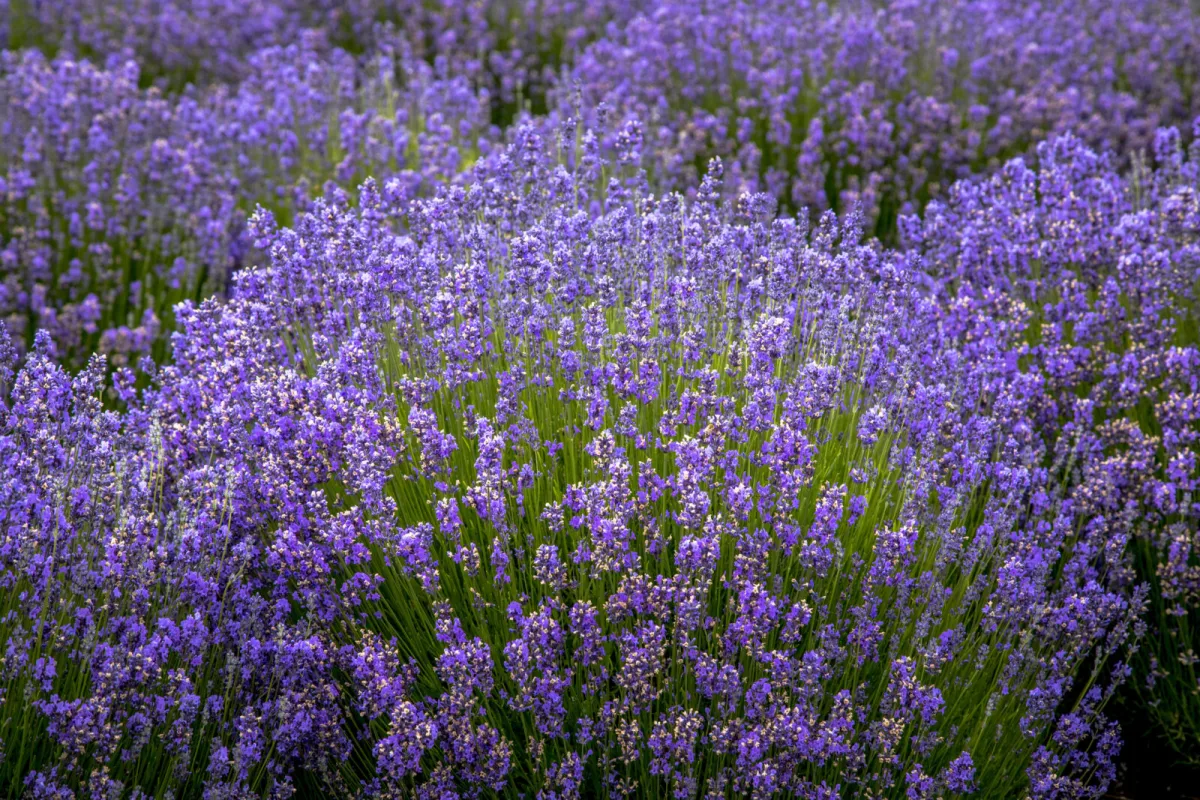
Lavender is one of the most popular aromatic plants in the garden. Its silvery-green leaves, spike-like flowers in shades of purple, pink and white, and its distinctive, clean fragrance make lavender both a beautiful border plant and a practical herb for the home. The most commonly grown type is English lavender, Lavandula angustifolia, which is fairly hardy even in cooler areas when sited correctly. Beyond its beauty, it also plays an important ecological role: it strongly attracts bees, bumblebees and butterflies, benefiting nearby fruit and veg plants too.
The name lavender is often linked to the Latin “lavare”, meaning “to wash”. No surprise there: lavender was traditionally added to baths and to this day is a staple in many soaps, shampoos and cosmetics. Its aromatic essential oils are also used in aromatherapy, where the scent is widely seen as calming and ideal for unwinding in the evening.
What conditions lavender needs
The basics of success are simple: plenty of sun and perfect drainage. Lavender loves a position with at least 6 to 8 hours of direct light a day. In shade it becomes thin, flowers less, and is more prone to problems. Soil is just as important: it can be poor and stony, but it must not stay wet for long. Standing water and heavy clay are the most common causes of root rot.
A slightly alkaline soil is ideal. If your soil is on the heavy side, lightening it and improving drainage makes a big difference. In practice, planting on a slight mound, in a raised bed, or on a slope works well. Around the plants, a mineral mulch (small stones or gravel) is often used; it suppresses weeds and doesn’t hold as much moisture as bark. Make sure the mulch is pulled back so it doesn’t sit directly against the crown of the plant.
When and how to plant lavender
The safest time to plant is in spring, once the soil has warmed and hard frosts are no longer likely. Autumn planting is possible too, but it’s worth choosing larger, well-rooted plants so they have time to establish before winter. For beginners, young plants from a good garden centre are usually the most reliable, because growing from seed is slow and germination can be uneven.
When planting, keep spacing at roughly 60 to 90 cm, depending on the variety and the expected width of the bush. Lavender needs good airflow so it dries quickly after rain and is less likely to suffer from fungal disease. Water after planting, then water sparingly and only once the top layer of soil has dried out.
Year-round care: watering, feeding and winter protection
Once established, lavender is surprisingly drought tolerant. A common mistake is overwatering, which can show up as yellowing leaves and general decline. Water young plants sensibly after planting; older bushes usually only need support in prolonged dry spells. Water at the roots, not over the foliage.
Feeding is usually needed only minimally. In overly rich soil, lavender often puts on lots of green growth but flowers less and loses its compact shape. If you want to give it a gentle boost, keep doses modest and avoid excess nitrogen.
In cooler locations, winter protection can help, especially against drying winds and temperature swings. You can use evergreen boughs or a light cover, but the same rule applies: don’t trap wetness. An alternative is growing in a container, which can be moved for winter to a bright, cool spot and watered only very lightly.
Pruning lavender so it doesn’t go leggy and woody
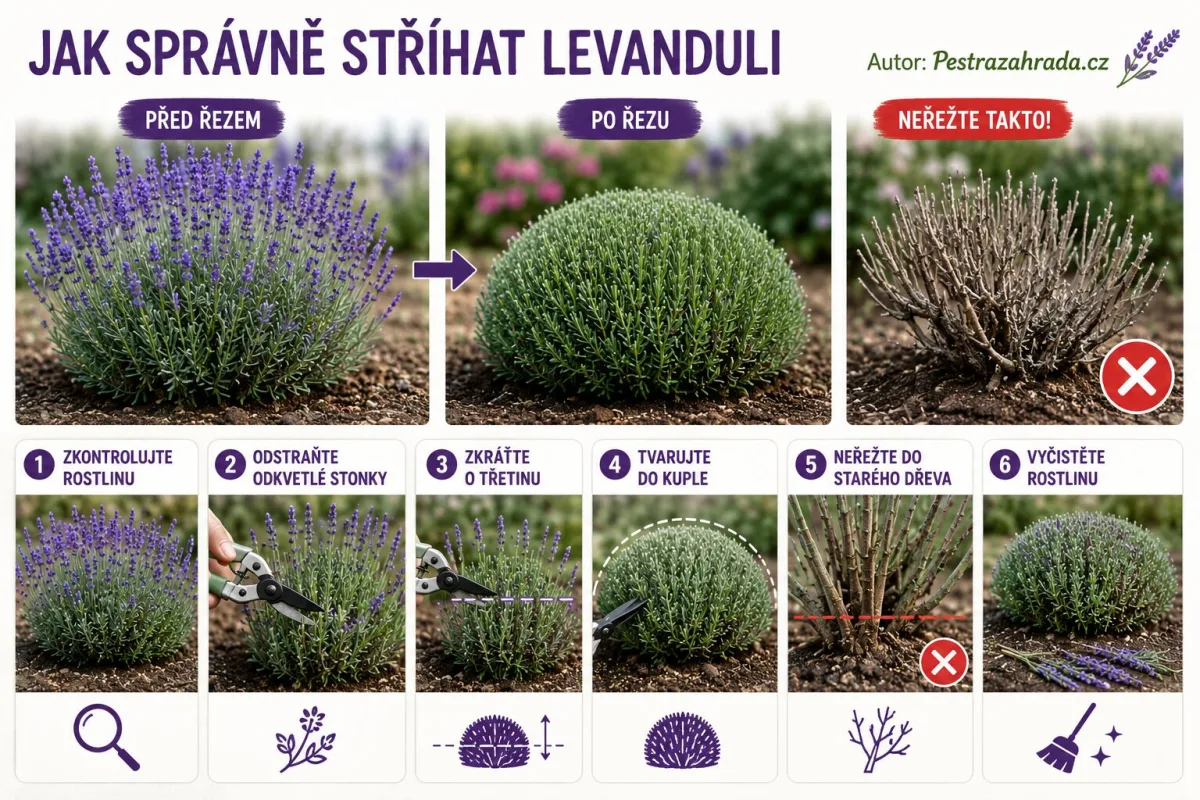
Regular pruning is the key to keeping lavender dense and long-lived. It’s most often pruned in spring as new growth starts, and sometimes lightly after flowering to maintain shape. A good general rule is to reduce it by about a third and shape it into a low dome.
Don’t cut deep into old wood with no green shoots. Lavender often won’t reshoot from very old wood, and the plant can remain permanently sparse.
You can snip off spent flower stems as you go to keep the plant looking tidy and to stop it putting energy into seed production. In warmer areas, some pruning is also done in autumn, but in frost-prone spots it’s safer to leave the main prune until spring.
Harvesting and drying flowers, for fragrance and other uses
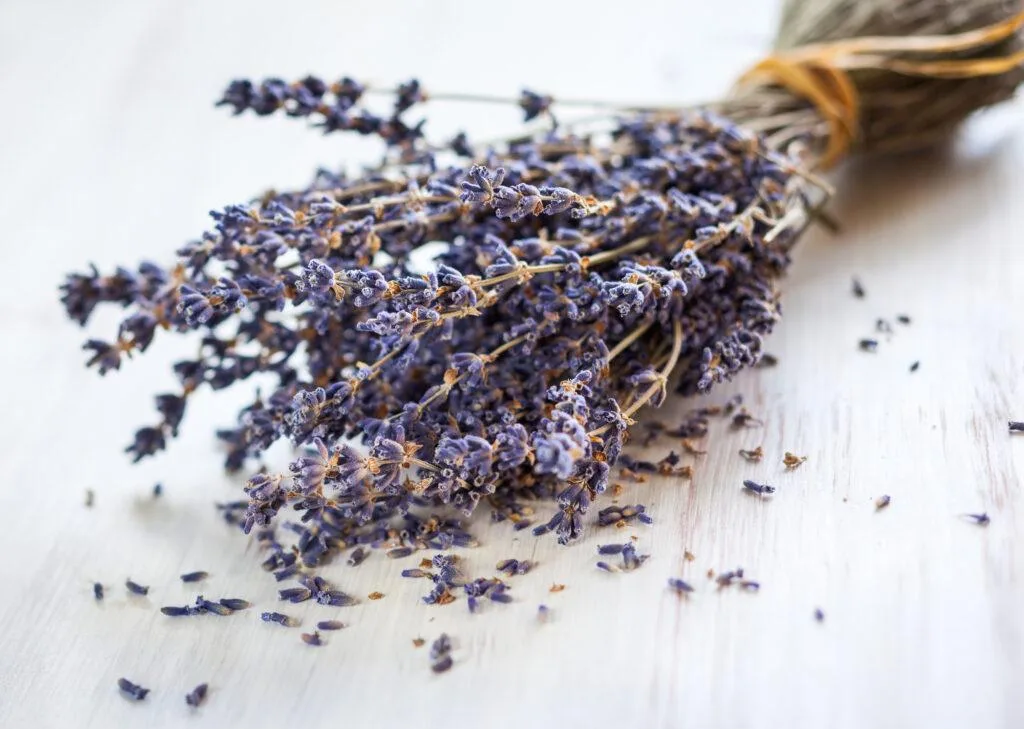
For drying, harvest the flower stems when roughly half the buds are open. Lavender tends to have the highest oil content in the morning in dry weather. Cut stems as long as possible, tie into small bunches, and dry hanging flower-side down in an airy, shaded, dry place. After a few weeks, the flowers will fall off easily, or you can gently rub them into a sealable container.
Properly dried lavender holds its scent for a long time when stored in the dark and dry. It’s ideal for scented sachets for wardrobes and linen, where it also helps deter clothes moths. It’s often added to baths, homemade bath salts, potpourri, or used as a decorative element in dried arrangements.
Propagating lavender: cuttings for new plants
The most reliable way to propagate lavender is from cuttings. After flowering, or from young non-flowering shoots, take a side shoot, strip the leaves from the lower section, and insert it into a light, free-draining potting mix. Higher humidity at the start helps rooting, but the compost must not stay constantly wet. Once the cutting holds in the soil and starts to produce new growth, you can harden it off gradually and pot it on or plant it out later.
Common problems and how to prevent them
Lavender is generally trouble-free if you meet two conditions: sun and drainage. In waterlogged soil, you’ll see root and crown rot; in overcrowded planting, pressure from fungal diseases can also increase. Among minor pests, aphids or thrips may appear, but they’re usually not a major issue if the garden is diverse and natural predators have room. It also helps not to overfeed and not to encourage soft, lush growth.
Types and varieties worth considering
For most gardens, the most versatile is English lavender (Lavandula angustifolia): it’s more cold-hardy and is often considered the best choice for the kitchen thanks to its gentler aroma. Compact varieties are also commonly grown and suit containers well. If you want noticeably longer flower spikes and a strong fragrance for sachets, many people choose lavandin (Lavandula × intermedia), which tends to be more robust and flowers a little later. In warmer regions, French lavender (L. dentata) or Spanish lavender (L. stoechas) with their distinctive “ears” on the flower heads are also appealing, but they tolerate frost less well.
How to use lavender: in the kitchen and around the home
In the kitchen, use lavender sparingly, as the flavour is intense. Most often, the buds of English lavender are used, as they’re more delicate. You can fragrance sugar for baking, add a pinch to biscuits, syrups or tea blends. Around the home, lavender has a long tradition in cosmetics and cleaning: scented sachets for laundry, bath salts, homemade soaps, or simple lavender-infused oils are among the most popular ways to keep a hint of summer through winter.
Source: Almanac, Garden Design , Pestrazahrada.cz
Related articles
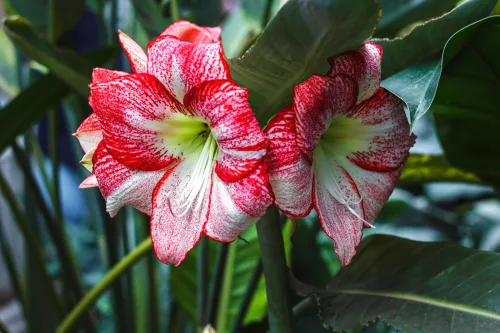
The Christmas Amaryllis That Can Bloom for Years but Most People Throw It Away After Flowering
Hippeastrum is a spectacular winter-blooming bulb that, with the right care, will flower again year after year. Learn how to plant it correctly, look after it after flowering, and bring it into dormancy so it reliably reblooms.
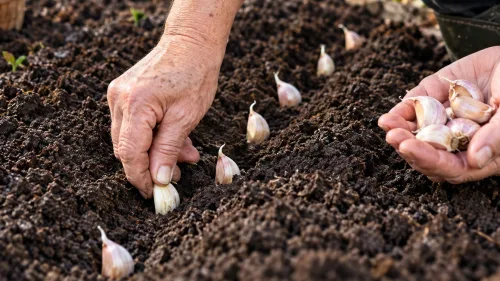
How to Grow Winter Garlic for a Much Bigger Harvest
Autumn planting is the key to strong, healthy winter garlic, but the details make all the difference. With the right timing, bed choice, seed-clove treatment and a simple bicarbonate trick, you can noticeably boost yield.
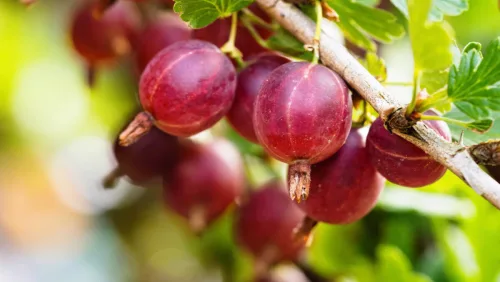
A tree or shrub planted properly in autumn can outpace spring stock and improve fruiting
Many fruit trees and soft-fruit shrubs establish better when planted in autumn, because roots keep growing while the top is dormant. Done well, this head start means stronger spring growth, less watering, and a healthier first year.
Comments (0)
Be the first to comment.