
 English
 Polski
 Deutsch
 Nederlands
 Svenska
 Norsk
 Dansk
 Français
 Italiano
 Español
 Português
 Slovenčina
 Suomi
 Gaeilge
Keeping hens, bees or a dog in your garden when a neighbour’s complaint holds up and when the law is on your side
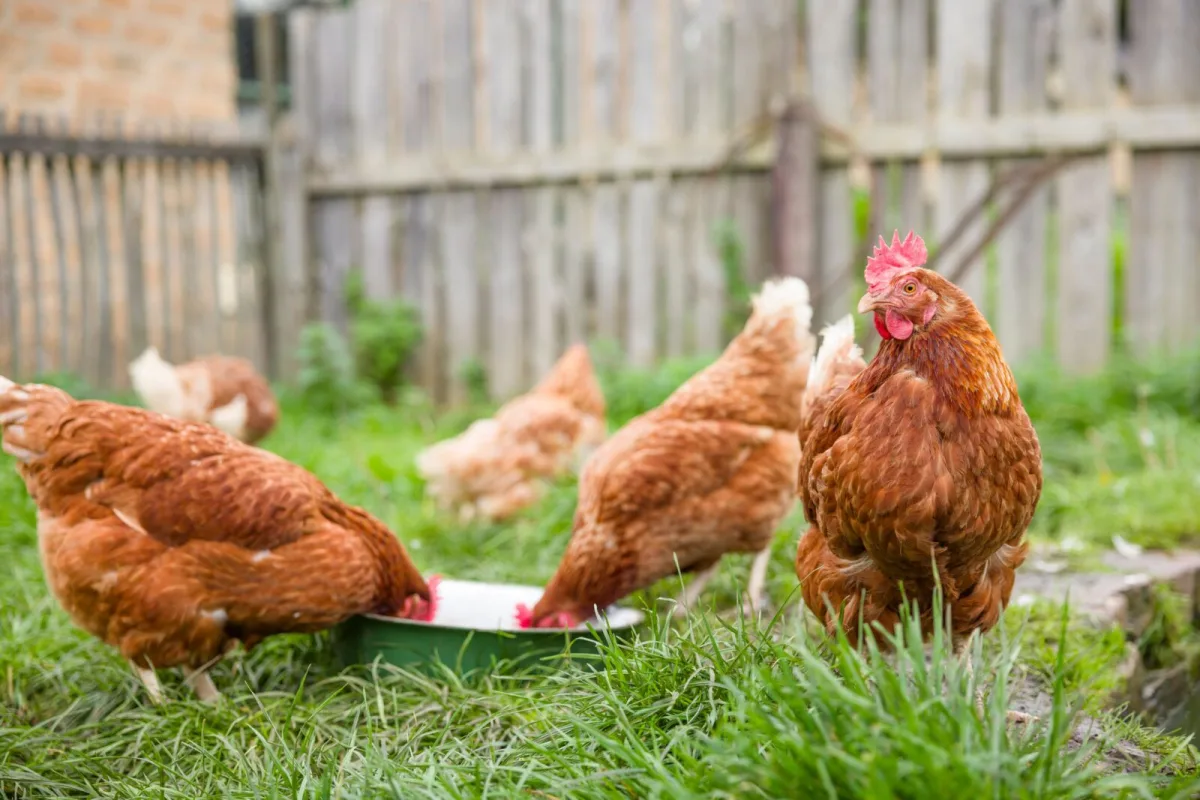
More and more people are getting hens, a dog or a beehive for the garden. For some it’s a route to home-produced eggs, honey and a greater sense of independence; for others it’s a source of noise, smells or worries about safety. A landowner may use their garden to keep animals, but that right is not without limits. Under Czech law, the key issues are whether the keeping of animals causes excessive disturbance to the surrounding area and whether veterinary, hygiene and local obligations are being met.
Disputes most often arise over early-morning crowing, persistent barking, smells from the run, or fears of bee stings. But not every neighbour’s complaint automatically means the law is being broken. What matters are the specific circumstances, the intensity of the nuisance, and the character of the place where the animals are kept.
The basic legal boundaries of living side by side
The key rule is the Civil Code, especially the provisions on so-called “immissions” (nuisance). An owner must refrain from anything that, beyond a degree proportionate to local conditions, would disturb other people or seriously endanger the exercise of their rights. This includes noise, odour, dust, insects and animals entering someone else’s land.
The phrase beyond a degree proportionate to local conditions is crucial. What is normal in a village with a traditional smallholding background may not be acceptable in dense suburban housing. At the same time, keeping animals in a municipality is not automatically banned. What is assessed is how long it lasts, whether it is repeated, how strong the disturbance is, and the real impact on neighbours.
Hens in the garden and what to watch out for
Hen house, smells and noise
Czech law does not generally prohibit keeping hens on your own land. Problems can arise, however, if the hen house is poorly sited or hygiene is neglected. There is no universal legal minimum distance for a hen house from the boundary of a neighbouring plot. It depends on local conditions and, in some cases, on whether the structure falls under building regulations.
It’s sensible to place the hen house and run to minimise odour, noise and any water runoff onto a neighbour’s land. Wind direction matters, as do the positions of windows, patios, or places where neighbours typically sit and relax. Regular cleaning, proper feed storage and prompt removal of droppings help prevent flies and rodents and avoid unnecessary conflict.
A rooster and early-morning crowing
Crowing is a natural behaviour, yet in a residential area it can become a flashpoint. The mere fact that a rooster crows early in the morning does not, by itself, mean the law has been broken. But if the noise is very frequent, loud and long-term, a neighbour may argue that it amounts to disproportionate nuisance under the Civil Code.
Good practical design of the hen house, its siting and overall flock management can help. There is no general rule requiring every rooster to be shut in until a specific time. If a dispute were to arise, the outcome would depend on the particular circumstances.
Registration and veterinary obligations
If hens are kept as livestock, registration and veterinary obligations may apply. It’s wise to verify current requirements with the State Veterinary Administration and the relevant Regional Veterinary Administration. Don’t rely on old advice or the assumption that a small number of birds always means complete freedom from formalities.
Bees in town and a responsible approach
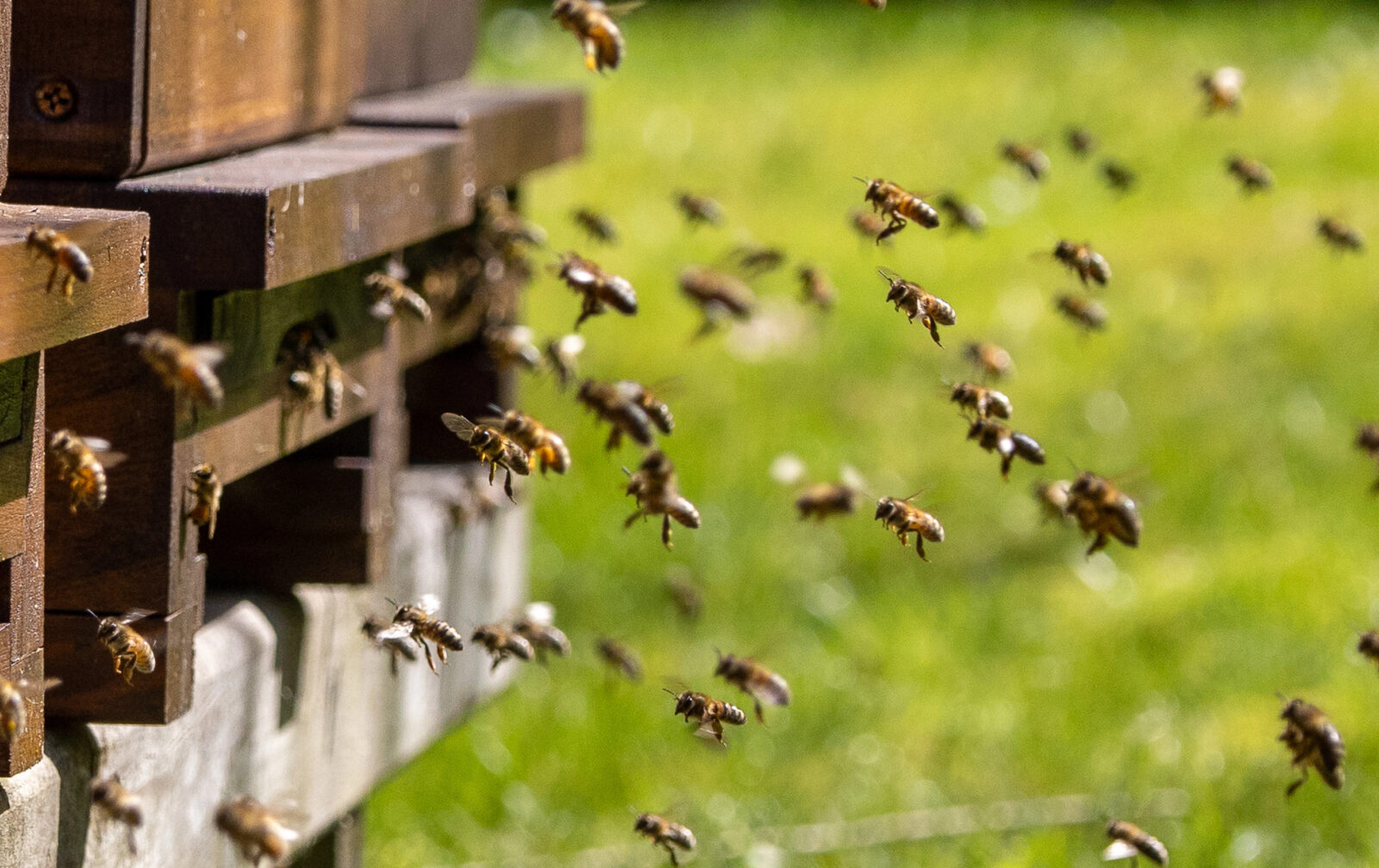
Where to place hives
Beekeeping is beneficial, but close to homes it needs thoughtful planning. It’s important that the bees’ flight path doesn’t lead directly over a neighbour’s patio, children’s play area or a frequently used footpath. The right orientation of the hive entrance, a hedge or another barrier can help by encouraging bees to gain height before they reach people.
There’s no simple rule that a certain number of metres from the fence will solve everything. Likewise, a taller fence on its own does not guarantee bees won’t bother the surroundings. The terrain, the colonies’ behaviour, the number of hives and the layout of neighbouring gardens all matter.
Water for bees and fears of stings
Bees need water, and they may seek it in a neighbour’s pool or pond. A properly set up water source on your own land reduces the risk that they’ll fly elsewhere for water. It should be safe and maintained regularly.
If a neighbour is allergic to bee venom, that is a serious factor, but it doesn’t automatically make beekeeping unlawful. What is assessed is the real risk, the placement of the hives and whether measures can be taken. In any dispute, expert evidence and the actual level of danger would matter, not just a general fear.
Obligations towards the veterinary authority
Keeping bees is also subject to registration and veterinary rules. A beekeeper should check what obligations apply to registering the apiary site, reporting changes and moving colonies. The State Veterinary Administration publishes practical, up-to-date information.
A dog in the garden and the limits of noise
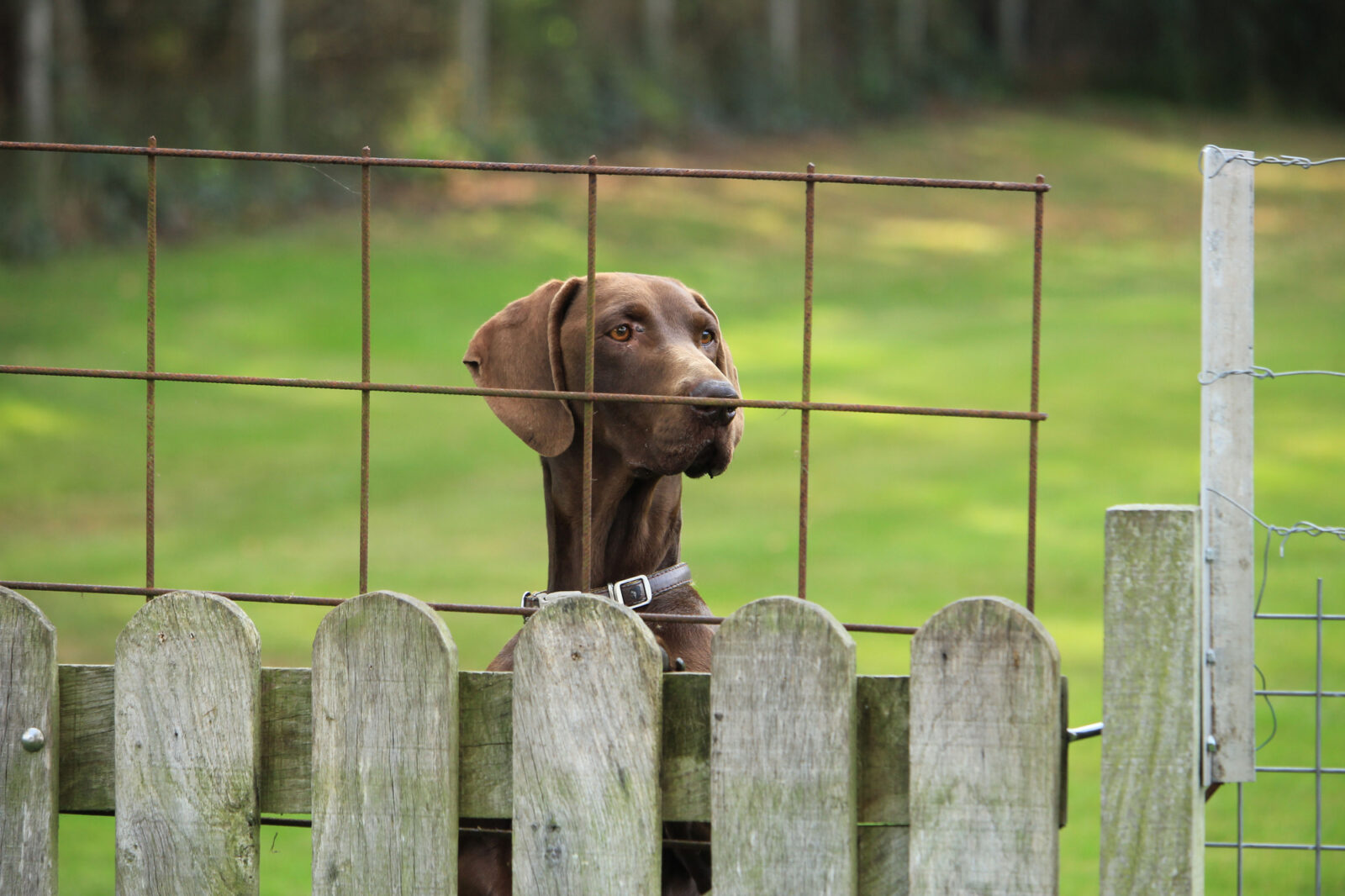
Dogs are a common part of family homes, but the keeper is responsible for ensuring the animal doesn’t endanger the surroundings and doesn’t disturb neighbours beyond what is tolerable. An occasional bark at the postman is natural. But if a dog barks for hours, repeatedly howls, or disturbs the area at night, it may infringe neighbours’ rights and may also constitute an offence.
Night-time quiet and offence proceedings
Disturbing the night-time quiet in the Czech Republic is dealt with under the Act on Certain Offences and under public order rules. Night-time quiet is generally considered to be from 22:00 to 6:00. However, not every sound after 10 pm automatically means a penalty. The intensity, duration and repetition of the disturbance matter, as does whether the situation can be sufficiently proven.
If the problem is recurring, it helps to keep records of dates, times and how long the barking lasts. During an incident, you can contact the municipal police where established, or the Police of the Czech Republic. But a complaint alone doesn’t mean a fine must always be imposed immediately.
Safety and the owner’s responsibility
The owner must ensure the dog does not escape onto other people’s land or into public spaces in breach of local rules. If the animal causes damage or injures someone, further legal consequences may follow, including compensation for damage. Alongside the Civil Code, veterinary regulations and legislation governing certain conditions of dog keeping may also apply.
Local by-laws and building rules
In addition to nationwide laws, it’s essential to check the generally binding by-laws of your municipality or town. These may regulate cleanliness, public order, off-lead movement of dogs or certain local conditions for keeping animals. Not every municipality has the same rules, and not every restriction can be introduced arbitrarily, so it’s important to read the exact wording of the by-laws.
If you’re planning to build a new hen house, shelter or other facilities for animals, it’s also worth checking the requirements of the building authority. For some structures, a notification or other formal steps may be needed.
How to prevent unnecessary disputes
Most problems don’t arise from keeping animals itself, but from the fact that the impacts only start being dealt with once neighbour relations are already strained.
The best prevention is early communication. When neighbours know in advance that you’re planning hens or hives, it’s often possible to identify sensitive points before conflict starts. Equally important are thoughtful siting, regular hygiene and a willingness to respond to reasonable concerns.
When keeping animals in the garden, what matters most is not only what the law expressly forbids, but also whether your actions exceed the usual level of nuisance in that particular place. Anyone who checks their legal obligations, follows veterinary rules and considers the neighbours has a much better chance of keeping animals without disputes or intervention by the authorities.
Source: Urob si sám, Právní linka, Gardenino, Zákony pro lidi, Pestrazahrada.cz

A lover of nature, gardens, and everything that moves, blooms, or grows. He literally grows everything, from herbs to rare species, and he enjoys caring for animals just as much. In his work, he connects modern technology with tried-and-tested grandmotherly methods and is happy when both paths lead to the same goal.
Related articles
A Hen’s Egg as a Small Miracle of Nature
A hen can lay with impressive regularity, but her egg production depends on breed, condition, and housing. Learn what happens inside her body, why shells matter, and what egg quirks can tell you.
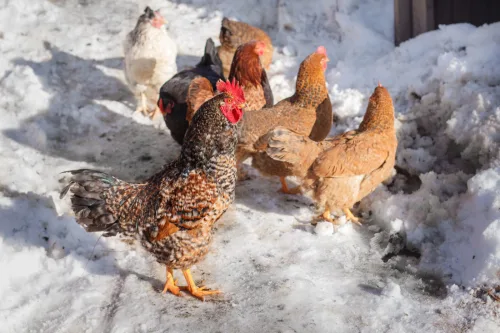
Want fresh eggs in winter Chickens need more than a warm coop
Short days and cold weather naturally slow egg production, but the right mix of light, housing, nutrition and water can keep layers going through winter. Here’s how to set up your flock for steadier winter laying without stressing the birds.
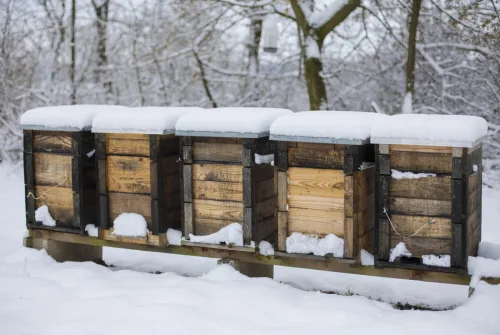
How to Keep a Hive Dry in Winter and Protect the Colony from Dangerous Damp
In winter, moisture—not cold—is often the biggest threat to a bee colony. Learn how condensation forms in the hive and what practical steps help keep bees dry and thriving until spring.
Comments (0)
Be the first to comment.