
 English
  Polski
  Deutsch
  Nederlands
  Svenska
  Norsk
Norsk  Dansk
Dansk  Français
  Italiano
  Español
  Português
  Slovenčina
  Suomi
Suomi  Gaeilge
 How to store garden vegetables properly so they last all winter
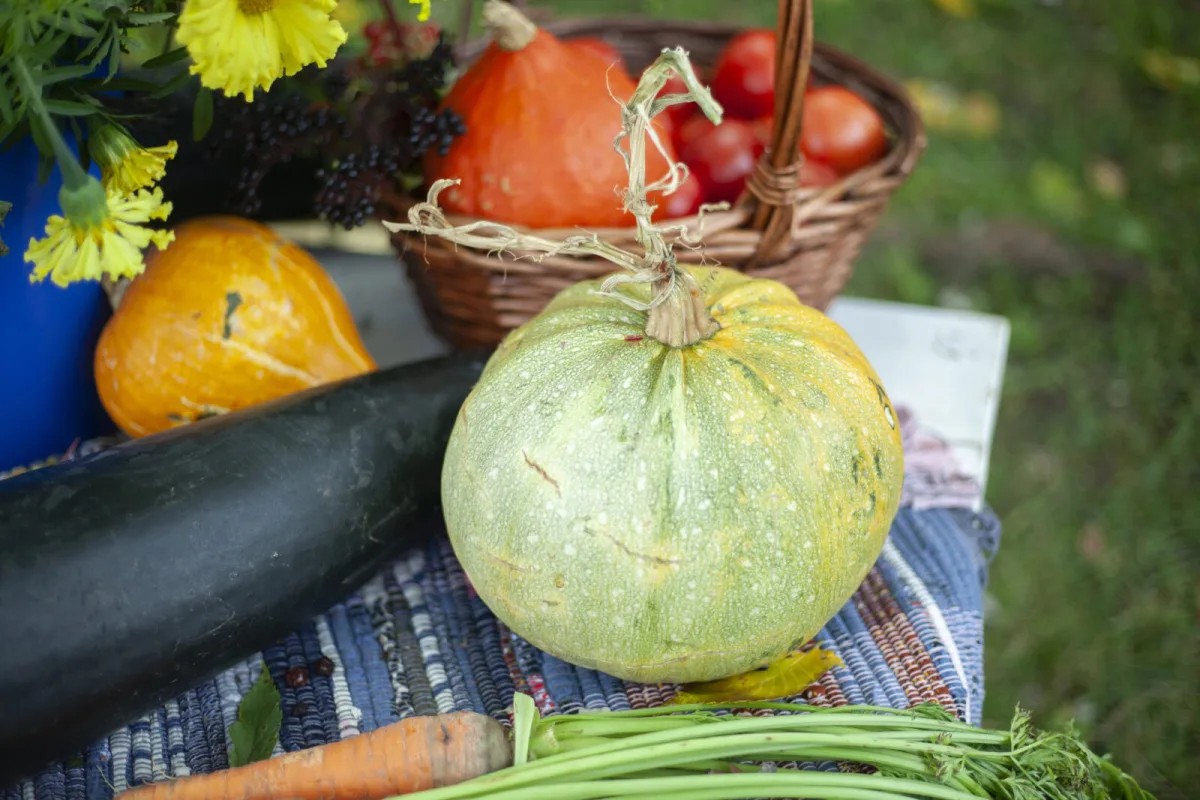
As cooler nights arrive, it’s time not only to harvest, but also to think through where and how you’ll store what you’ve grown. It’s not as simple as putting vegetables in the cellar or the fridge. Each crop has different needs for temperature and humidity, and getting that combination right often decides whether it will keep for weeks or for months. In modern homes, the ideal space like a traditional earth-floored root cellar is often missing, so you have to find a workable compromise and tailor what you grow and how much of it to your storage options.
Temperature and humidity are the two key variables
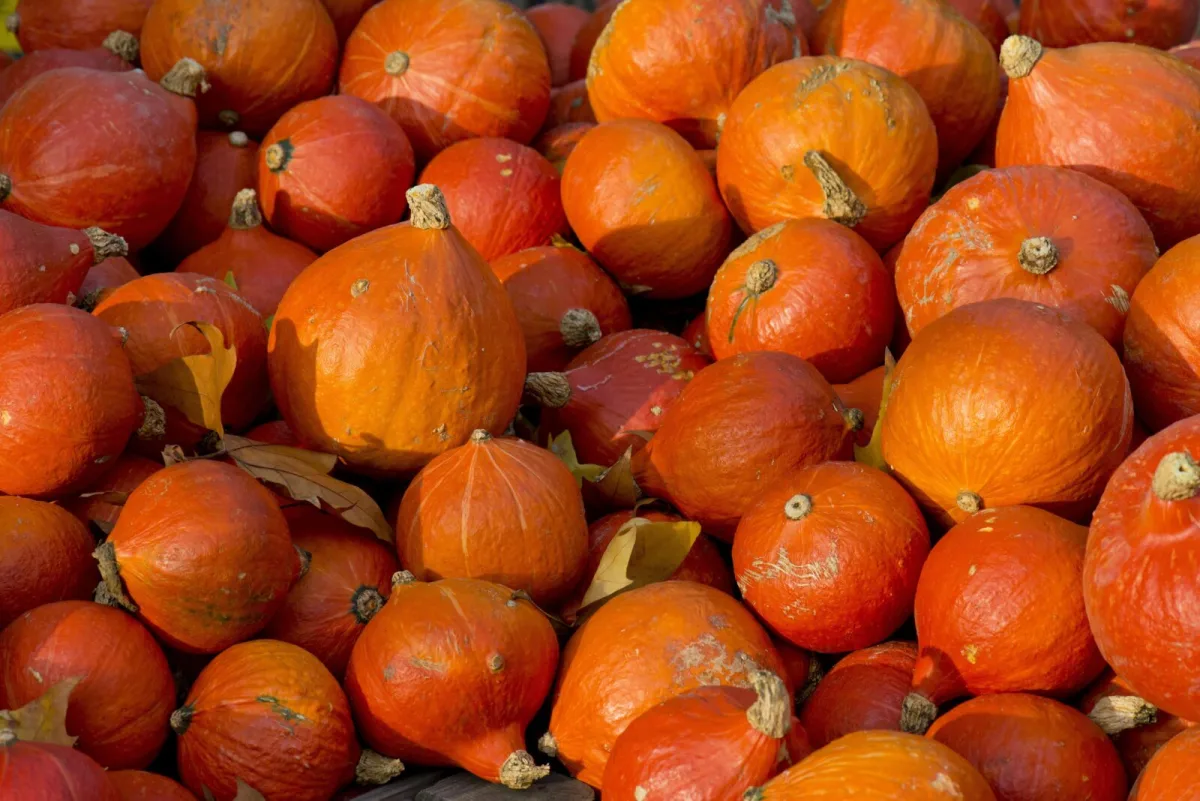
Most stored vegetables, surprisingly, do best at very low temperatures—roughly around 0 to 3 °C. That suits mainly root vegetables and potatoes. But there are important exceptions. Sweet potatoes need much warmer conditions, about 13 to 16 °C. Pumpkins and winter squash, after they’ve been cured, store best at around 10 to 13 °C.
Humidity matters just as much. Root vegetables and potatoes like a humid environment, even around 90% relative humidity, otherwise they dry out and go limp. Garlic, onions and winter squash, on the other hand, suffer in high humidity; they mould more easily and won’t keep as well. A typical household fridge is cold but relatively dry, which suits some crops and not others—so it’s worth planning for that in advance.
Harvesting principles that extend shelf life
Vegetables harvested at the right maturity are the best candidates for storage. Underdeveloped produce spoils sooner or loses quality faster; overripe produce tends to be softer and more prone to disease. If conditions allow, it can pay to delay harvesting—but not at the expense of damage, rot or pest feeding. Root crops can often sit in the ground longer, and leafy kale, curly kale, kohlrabi leaves or Brussels sprouts can handle several frosty nights.
Gentle handling at harvest is essential. Bruised, cut or otherwise damaged pieces should be set aside for quick use. Even a small nick is an entry point for rot. It’s also true that some of the harvest simply isn’t suited to long storage, even if it’s otherwise excellent. Tomatoes and peppers are classic examples—often it’s smarter to freeze, bottle/can, or cook them down into sauces or roasted mixes that freeze well.
Without the right variety, it won’t work
Genetics—your choice of variety—plays a major role in storage life. Some onions are great for quick use but don’t perform as a winter staple, while others are bred specifically as firm, long-keeping types. With winter squash, many of the best keepers are generally large-fruited types that, when properly matured, store for a long time. Summer courgettes simply can’t be turned into a winter store, no matter how well you keep them. So when buying seed, it helps to look not only at flavour and yield, but also at the stated keeping quality.
Pumpkins and winter squash need to ripen first
With pumpkins and winter squash, the rule is usually to harvest only when the stem starts to cork over or turn woody and the skin is hard and often less glossy. Cut fruits so the stem remains as intact as possible, because damage to it shortens storage life. Slightly underripe fruits can still finish ripening off the plant, but they shouldn’t be without a stem; you can even leave a short section of vine attached as extra protection.
A crucial step is so-called curing—drying down and maturing in a warm, dry, airy place at roughly 24 to 29 °C for one to two weeks. This greatly improves keeping quality, because the rind toughens and minor surface damage heals more effectively. After curing, the fruits don’t tolerate chilling below about 10 °C, so you need to make sure the storage area doesn’t get too cold.
Root vegetables last longer when they stay in the soil as long as possible
Carrots, beetroot, turnips, swedes, parsnips or rutabaga can stay in the bed for a long time in suitable weather. If the surface is mulched with straw or leaves, the soil can be insulated enough that you can harvest gradually even late in the season. Once you do need to lift the roots, it’s best to shorten the tops, but not cut away the crown of the root, so you don’t create an easy route for rot. Leaves from some crops can also be used in the kitchen—for example beet greens or turnip tops.
At home, root vegetables are often stored in the fridge drawers. It’s not ideal because of the lower humidity, but with limited options it’s often the best solution available. It helps keep vegetables clean, cold and fairly stable, though you should expect that some pieces may lose firmness over time.
Potatoes want peace, darkness and the right transition period
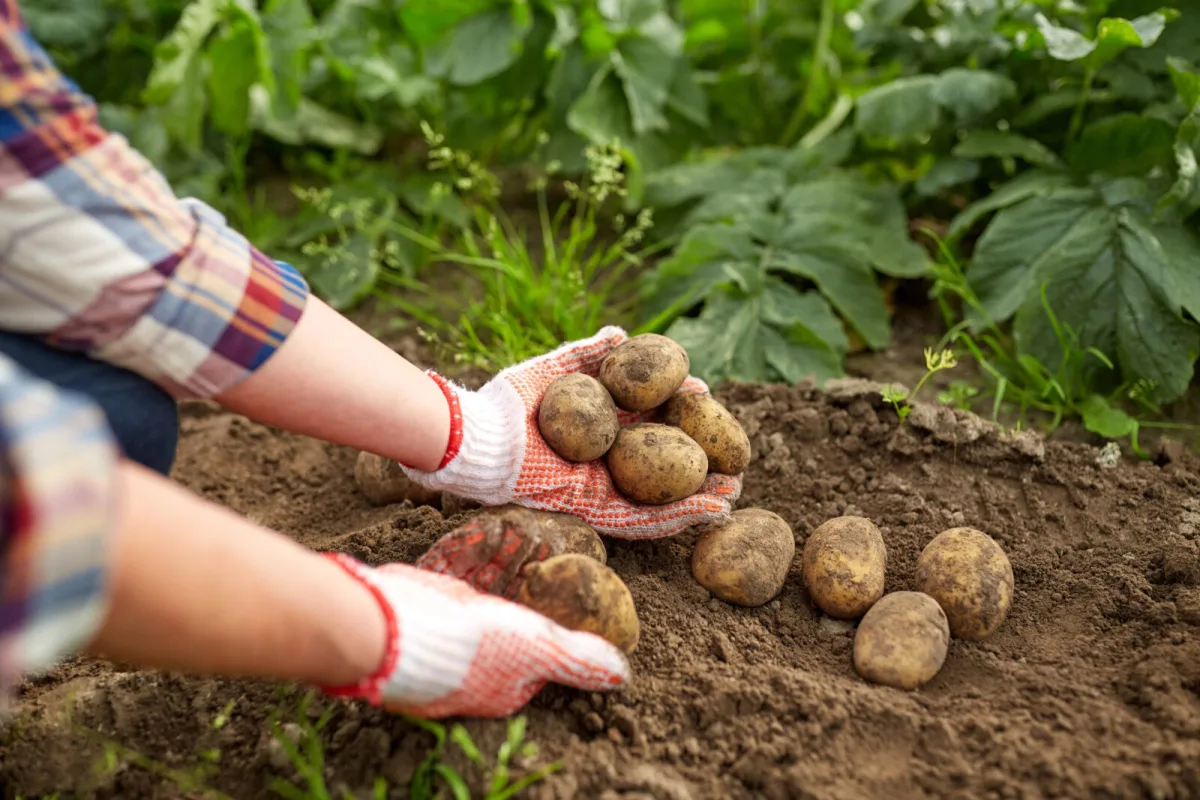
Potatoes are best harvested only after the haulm has died back. After lifting, they shouldn’t go straight into cold storage; first, allow about two weeks for the skins to heal and the tubers to dry at around 10 to 16 °C, ideally in the dark to prevent greening. Only then should they be moved to a cooler, more humid environment, roughly around 4 °C or a bit lower. Some growers wrap individual tubers in paper after curing to limit the spread of any rot between potatoes.
If potatoes start sprouting, it’s usually a sign that the storage is too warm. Lowering the temperature and checking that the tubers aren’t exposed to light will help.
Sweet potatoes are trickier, but curing helps a lot
Sweet potatoes are harder to store than regular potatoes, especially in cooler regions where the tubers often don’t mature to ideal keeping quality. Even so, their storage life can be improved by curing after harvest. The recommendation is about 5 to 10 days at around 27 °C with high humidity, roughly 80 to 90%. During this period, the skin toughens, small wounds heal better, and some starches convert to sugars, making sweet potatoes sweeter as well. Afterwards, store them at around 13 to 16 °C.
Onions and garlic need dryness and airflow
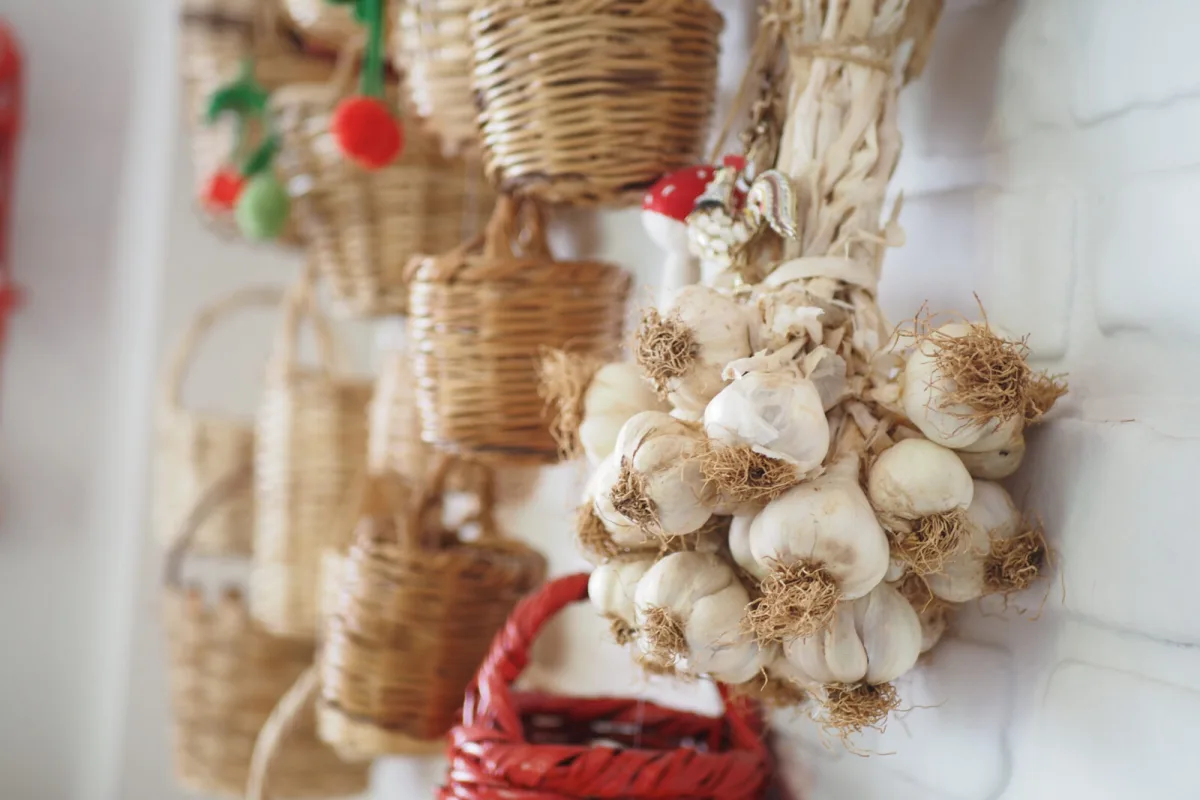
For garlic and onions, the most important thing is thorough drying after harvest. Bulbs are left for several weeks in the shade in a dry, warm place with good airflow. Direct sun isn’t suitable, because it can overheat them unnecessarily and reduce quality. Only once fully dried should you trim the roots and tops, then store everything in a cooler, dark, well-ventilated place.
Some garlic and onions can also be frozen for later use, which is especially handy at the point when stored bulbs would start sprouting and losing quality.
Handle herbs and other crops according to what your home allows
Herbs are often difficult to keep long-term in fresh form, but freezing works very well in various ways. With other vegetables, it’s best to follow their needs for cold and humidity while also taking a realistic look at the spaces you actually have. When you can align the right harvest timing, gentle handling, a suitable variety and sensible storage conditions, a home harvest can keep your kitchen supplied far longer than you might expect.
Source: A Way To Garden, Grow Veg , Pestrazahrada.cz
Related articles
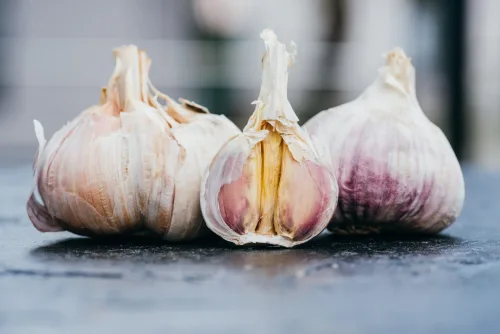
How to Safely Tell Czech and Chinese Garlic Apart in the Shop by Taste, Appearance and Quality
Czech and Chinese garlic can look similar at first glance, but they differ noticeably in flavour, aroma, bulb structure and keeping quality. Learn the quick visual and kitchen tests that help you choose the better bulb with confidence.
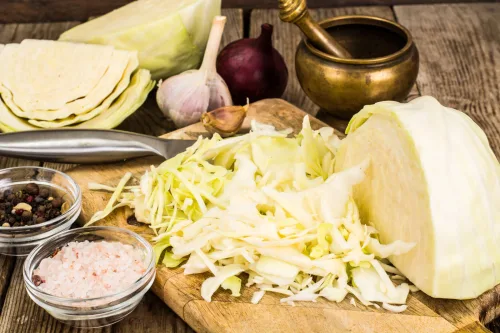
Three Mistakes When Packing Cabbage into a Crock That Can Turn Your Winter Stores into Waste
Traditional crock-fermented sauerkraut keeps for months and stays wonderfully crisp—if you avoid a few common missteps. Here are the three mistakes that most often lead to soft, grey, foul-smelling cabbage and how to prevent them.
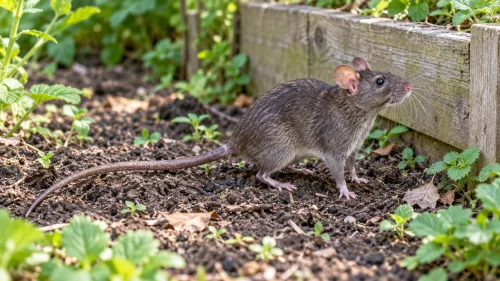
One Rat in the Garden Can Quickly Turn Into a Colony How to Prevent It Without Chemicals
A rat on your property is a warning sign that your garden is offering food and shelter. With a few practical, chemical-free changes, you can make the area far less attractive and stop a bigger infestation taking hold.
Comments (0)
Be the first to comment.