
 English
  Polski
  Deutsch
  Nederlands
  Svenska
  Norsk
Norsk  Dansk
Dansk  Français
  Italiano
  Español
  Português
  Slovenčina
  Suomi
Suomi  Gaeilge
 How to Stop Soil Crusting So Your Beds Don’t Set Like Concrete
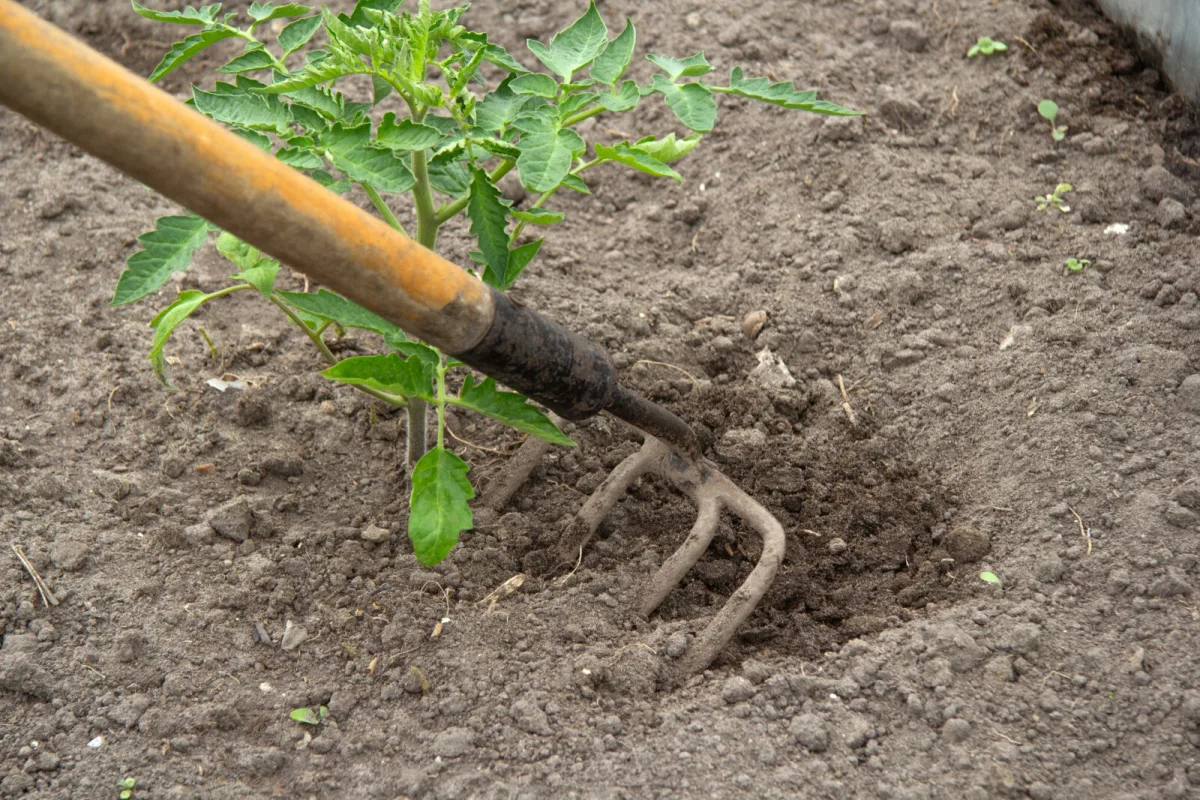
All it takes is a heavier rain or a strong watering, and within a few days a hard, almost impermeable layer can form on the bed’s surface. The top of the soil firms up, may crack in places, and plants begin to noticeably slow their growth. This is often called soil crusting, and it’s a clear sign the soil is losing its crumb structure and needs help.
Soil is easiest to work when it’s evenly moist. Too wet and it smears and compacts; too dry and it turns to dust and is hard to loosen. Timing your intervention is therefore just as important as the technique itself.
What a crust does to water and nutrients
Once the surface seals over with a hard crust, water infiltrates much more poorly. It often sits on top, spreads sideways, and evaporates quickly. Even if you water, the root zone can dry out again soon because moisture can’t reach where plants actually need it.
The problem isn’t only water. A sealed surface also restricts air entering the soil. Roots need oxygen for growth and for efficient uptake of water and nutrients. If you leave crusting unaddressed, plants start to struggle, weaken, and cope less well with stress and disease.
First aid after rain and how not to harm seedlings
If you’ve just sown seed and a crust forms before emergence, caution is essential. In that situation it’s better to gently water the surface so the crust softens and seedlings have an easier route out. Hoeing too early could damage germinating seedlings just below the surface, even if you can’t see them yet.
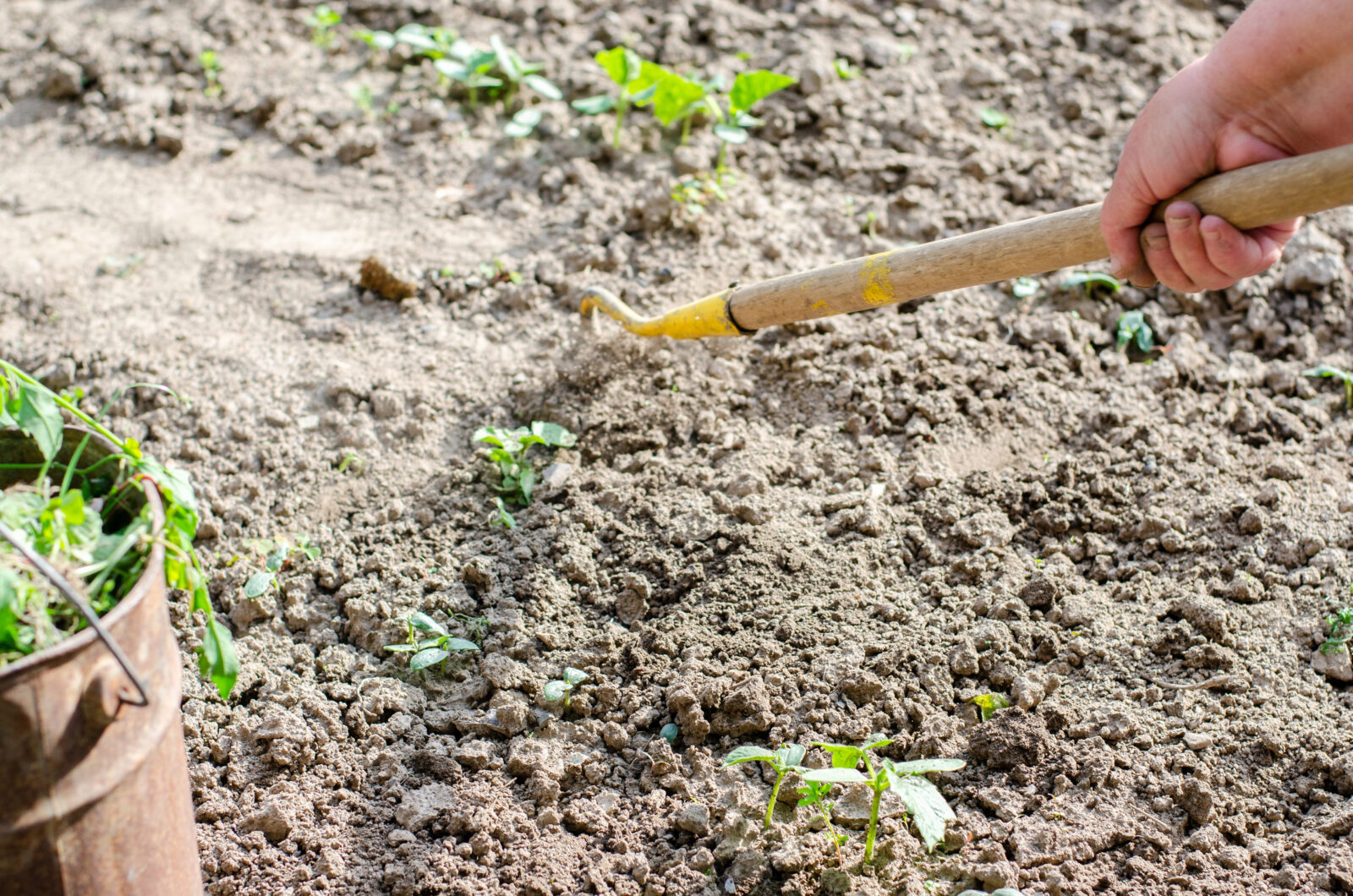
Once plants have emerged, regular shallow hoeing makes sense. Aim for roughly 2 cm deep—enough to break the crust while also disturbing the fine roots of young weeds. That saves you weeding later, and you can leave the pulled tiny weeds on the surface as a simple mulch.
A hoe helps, but in the long run organic matter is what matters
A hoe is a quick fix, but it’s even better to reduce soil compaction in the first place. Regularly adding organic matter as a mulch layer helps enormously—for example compost, straw, or grass clippings. Organic material supports soil life, breaks down over time, and increases humus content.
Humus improves pore space, so air moves into the soil more easily, water penetrates deeper, and moisture stays longer in the profile. The soil remains friable, settles less, and crusting forms much more slowly. Mulch also reduces surface overheating and limits rapid drying after watering or rain.
Watering that doesn’t seal the soil
The way you water often contributes to crusting too. It’s usually better to water less often but more thoroughly, so water reaches depth instead of lingering on the surface. Frequent light sprinkling can actually encourage the top layer to harden, because it wets only a thin crust that then dries quickly and sets again.
It also helps to direct watering so it doesn’t run across the surface but has time to soak in. When soil is protected by mulch, this is usually less of an issue because the impact of water is softened and the surface doesn’t break down into fine particles that create a crust.
How to choose a hoe for your soil, beds, and the job
For routine hoeing in vegetable beds, a classic hoe works well—it can break crusting and remove weeds. But if you need more precise work between rows or in dense plantings, a narrower hoe or a toothed tool is worth it, as it fluffs the soil more gently rather than slicing aggressively.
In heavier, harder soils, a sturdy—ideally steel or forged—hoe is better, as it won’t twist and it penetrates more easily. In light soils, lighter tools are often enough, letting you work faster with less effort. Bed size matters too: on larger areas you’ll appreciate a longer handle for working upright, while in small or raised beds a shorter tool is easier to control.
Different crops need different levels of gentleness
With tomatoes, a narrow to medium-width hoe is usually enough to get between plants without unnecessary root damage. Hoeing should be shallow, focused on weeds and light aeration around the plants.
Carrots have a more sensitive, shallower root system, so a narrow hoe or a toothed tool that works gently is better. Onions likewise dislike deep disturbance; often it’s enough to break the crust and remove small weeds. Potatoes, on the other hand, benefit from a wider hoe because besides hoeing it’s useful for earthing up. If you want one all-purpose tool, a medium-width classic hoe with a sharp steel blade is usually the best choice.
What to remember to keep soil alive and friable
A soil crust isn’t just a cosmetic issue—it’s a barrier to both water and air. If you act at the right time, cultivate shallowly, and protect the soil long-term with an organic mulch layer, you’ll greatly reduce the risk of compaction. The result is plants that manage moisture better, take up nutrients more easily, and grow more steadily even in changeable weather.
Source: Gardening Know How, Zahrádkár, The Spruce, Pestrazahrada.cz

A lover of nature, gardens, and everything that moves, blooms, or grows. He literally grows everything, from herbs to rare species, and he enjoys caring for animals just as much. In his work, he connects modern technology with tried-and-tested grandmotherly methods and is happy when both paths lead to the same goal.
Related articles
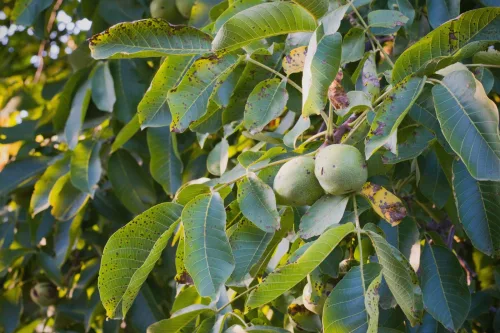
Why the Tree That Feeds a Family for Generations Is Disappearing from Czech Gardens
The English walnut used to be a staple of larger gardens and farmyards, valued for its nutritious nuts and many practical uses. With the right site and variety, it remains one of the most rewarding long-lived trees you can plant.
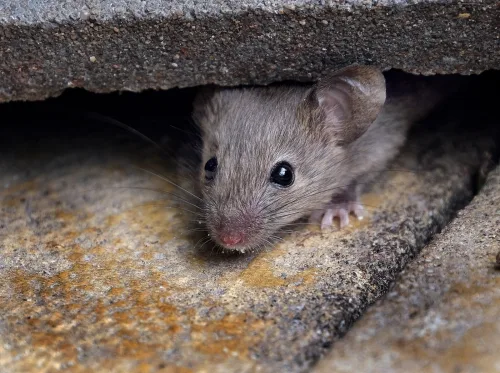
How to Get Rid of Mice and Rats in the House, Loft and Garden Effectively
Mice and rats don’t leave quietly—scratching sounds, droppings and gnaw marks are clear warnings. A lasting solution comes down to three steps: block entry points, remove food sources, then use traps or professional control.
Two Mistakes When Harvesting Onions Can Cut Your Supply by Months
With good growing and the right handling, onions can turn into a near year-round pantry staple. These simple harvest and curing steps determine whether they keep for weeks or for months.
Comments (0)
Be the first to comment.