
 English
  Polski
  Deutsch
  Nederlands
  Svenska
  Norsk
Norsk  Dansk
Dansk  Français
  Italiano
  Español
  Português
  Slovenčina
  Suomi
Suomi  Gaeilge
 How to Quickly Fix Flopping Climbing Tomato Shoots
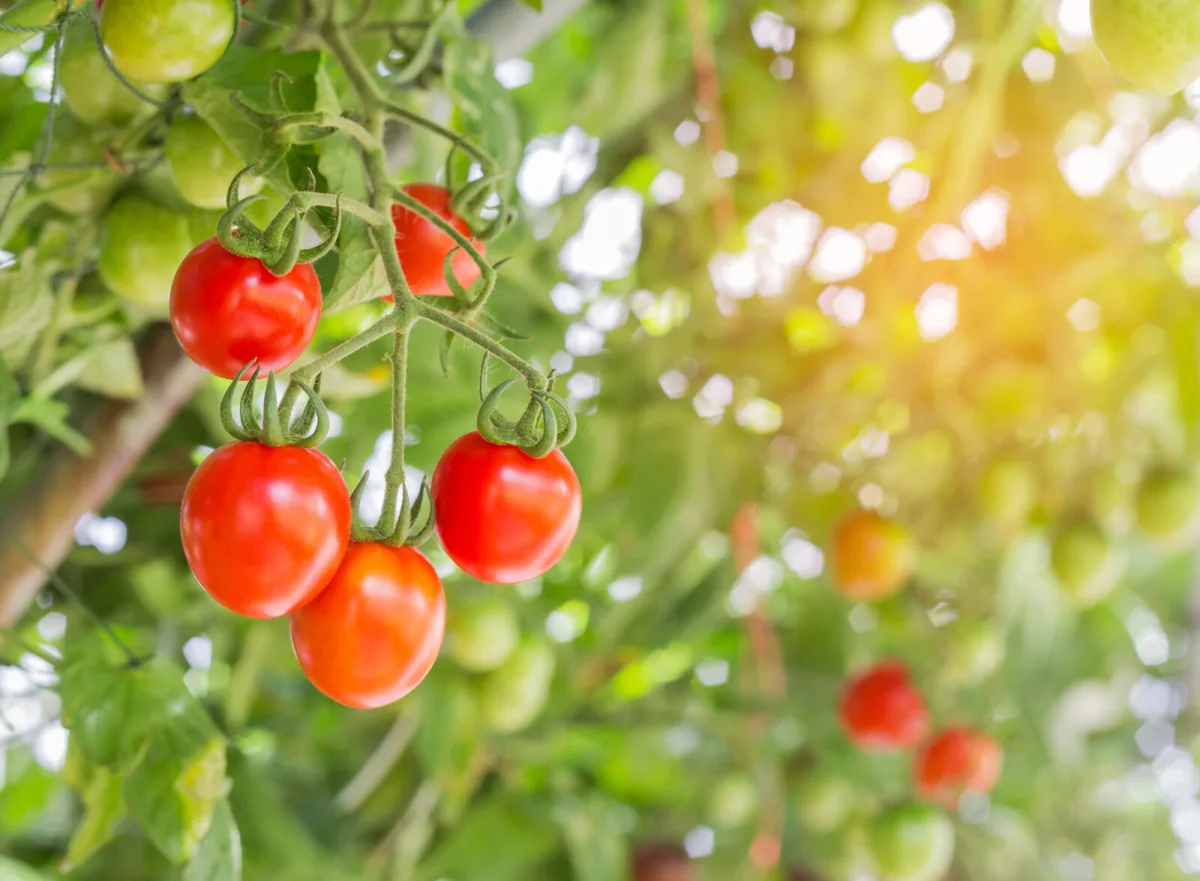
If you grow plants in the garden that love to climb upward—typically peas, beans, or tomatoes—sooner or later you’ll run into a support problem. The shoots start to bend, flop to the ground, and then the fruit and foliage easily stay damp, get dirty, and become harder to pick. Traditional solutions like trellises and ready-made frames do work, but they can be expensive, and in smaller gardens they may feel unnecessarily bulky.
A simple compromise you can put together in just a few minutes is to raise a standard tomato cage by stacking two cages. This creates a taller support frame that suits vigorous varieties and also helps when a plant outgrows a standard cage sooner than you expected.
A clever two-cage trick creates a taller, sturdier support
The idea is straightforward. Set the first cage up around the plant as you normally would. Turn the second cage upside down and place it on top of the lower one, so the two pieces overlap and form one taller unit. You’ll get support that gives shoots more vertical space and also distributes the plant’s weight more evenly.
This option is especially useful for tomatoes with heavier fruit, which can deform lighter or shorter cages. It also works for other climbing plants that take off mid-season and outgrow expectations. It’s practical for container growing too—for example in buckets—where you need to fit a support into a small footprint while still keeping it stable.
How to fasten the cages so they stay put
The key is to connect the two cages securely. The quickest method is usually zip ties, because they cinch tightly and the work stays neat. After tightening, it’s worth snipping off the excess tails so the frame looks tidy and nothing sticks out. An alternative is garden wire: wrap it around both pieces several times at different points, then bend the ends over so no sharp tips are left protruding.
For a cleaner look, choose ties or wire in a similar color to the cages. The support will look more unified and won’t stand out as much in the bed. More important than appearance, though, is the number of connection points. The taller the structure you build, the more it pays to add fastenings in several places so the top section doesn’t wobble in wind or while you’re working with the plant.
What to do if the support still leans
With heavy plants, it can happen that even a double cage starts to tilt slightly. In that case, it helps to link neighboring cages together so they brace each other and form a more stable group. Just secure them at a few points with zip ties or wire so they can’t spread apart.
Another option is to add a sturdy stake to the whole setup and tie the cages to it. That gives you a support that twists less and holds up better against gusts and the plant’s steadily increasing weight. This is particularly useful in containers, because potting mix may not grip the cage legs as firmly as garden soil does.
Safety first: watch out for the sharp ends on the upper cage
When you flip a cage upside down, the ends that are normally meant to be pushed into the ground end up at the top. These parts are often pointed, and they can be an unpleasant hazard when you’re working around the plant—especially when you lean in to tie shoots, prune, or harvest.
An easy precaution is to cover these tips. Strong tape works well: wrap it over the ends so they’re rounded and won’t cut. This makes working around the support safer and also reduces the chance of catching a sleeve, glove, or garden twine.
If you want to give climbers more room, consider larger structures too
Stacking tomato cages is a quick solution that uses what you often already have on hand. It’s ideal for seasonal support and for moments when you need to rescue flopping shoots immediately. But if you grow climbing plants regularly and on a bigger scale, homemade trellises or other sturdier supports can make sense as well—offering even more stability and adding an interesting structure to the garden.
For many growers, though, a double cage is the perfect middle ground. It doesn’t take up much space, goes together fast, can be adjusted as needed, and—most importantly—helps keep plants upright, well ventilated, and easier to access for care and harvesting.
Source: House Digest, Gardening Know How, Pestrazahrada.cz

A lover of nature, gardens, and everything that moves, blooms, or grows. He literally grows everything, from herbs to rare species, and he enjoys caring for animals just as much. In his work, he connects modern technology with tried-and-tested grandmotherly methods and is happy when both paths lead to the same goal.
Related articles
When Zucchini Can Be Toxic and How to Spot the Risk Early at Home and in the Garden
Zucchini isn’t inherently poisonous, but it can become unsafe when bitter cucurbitacins build up in the fruit. Learn what causes it, how to recognize the warning sign, and how to prevent it in the garden.
Beer as an Easy Trick for Glossier Leaves and Stronger Houseplants at Home
A small amount of diluted beer can help clean dusty leaves and add a gentle nutritional boost to houseplants. Used sparingly, it can improve shine and overall plant vitality without complicated products.
How to store garden vegetables properly so they last all winter
Cool temperatures and the right humidity make all the difference when storing home-grown vegetables. Learn how to handle, cure and store each crop so your harvest lasts for weeks or even months.
Comments (0)
Be the first to comment.