
 English
  Polski
  Deutsch
  Nederlands
  Svenska
  Norsk
Norsk  Dansk
Dansk  Français
  Italiano
  Español
  Português
  Slovenčina
  Suomi
Suomi  Gaeilge
 Homemade Fertiliser for Plants in Hot Weather That Restores Vigour and Leaf Colour
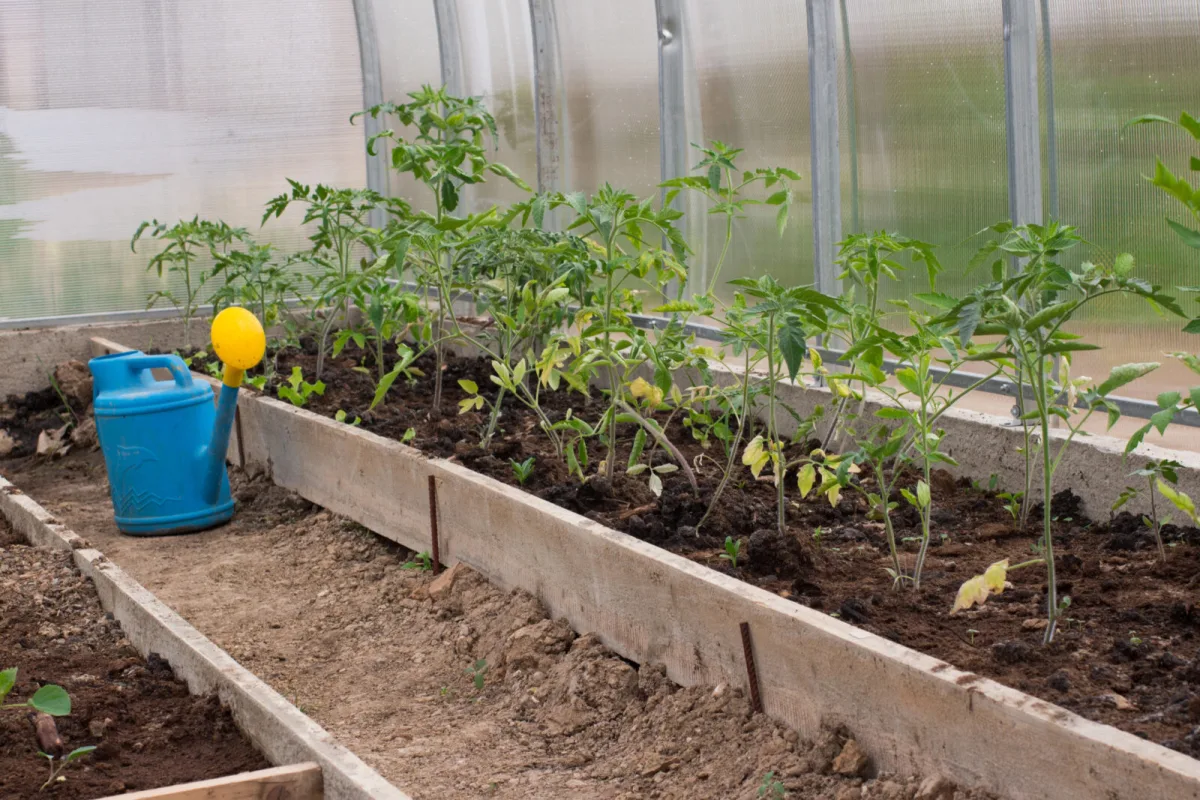
Hot days and intense sunshine can, in a short time, turn otherwise thriving beds into tired, drooping greenery. Typical signs include yellowing leaves, slower growth, flower drop or general decline. At times like these, plants often suffer from heat stress and a lack of nutrients, and they may also be weakened by minor pests. Instead of reaching straight for chemicals, you can try a simple homemade booster that’s gentle and easy to make from everyday ingredients.
Cinnamon and baking soda as a quiet helper from the kitchen
A combination of ground cinnamon and baking soda works well as a supportive feed and a preventative measure. Cinnamon is known for making life harder for certain pests, such as aphids or ants, and it’s also often used when caring for plants weakened by tough conditions. Baking soda complements the mix and, in reasonable amounts, helps create conditions in which plants can recover more readily after a demanding period.
Preparing the homemade fertiliser step by step
To make the mix, you’ll need 1 tablespoon of ground cinnamon, 1 tablespoon of baking soda and 1 litre of warm water. First, stir the cinnamon and baking soda together, pour over the warm water and mix thoroughly to create a basic concentrate. It’s then best to dilute this into 5 litres of water. Apply the finished drench directly to the root zone, ideally on a regular schedule, about once every two weeks. It’s useful for vegetables, herbs and ornamental flowers alike, especially when the weather has been putting long-term strain on the soil and root system.
What the mix does for plants and why it may work
This homemade combination is linked with compounds and elements that are often important for recovery and continued growth, such as nitrogen, potassium, phosphorus, magnesium and boron. In practical terms, that means support for overall vitality and better root condition. And a stronger root system is crucial in summer, because it determines how well a plant can access moisture and cope with temperature swings. When a plant stabilises at the roots, leaf colour and overall appearance often improve gradually too.
In hot weather, you’ll still need shade and correct watering
Homemade fertiliser is only one part of the help. In extreme heat, plants can be literally overheated or scorched, especially if they sit in direct sun all day. Simple shading can help, such as shade cloth stretched between supports. Watering at the right time is just as important. Early morning and evening work best, when water won’t evaporate as quickly and there’s less risk of leaf damage.
Mulch as a protective shield against soil drying out
High temperatures quickly dry the soil surface, and roots then suffer even with frequent watering. A layer of mulch can improve the situation significantly. Just a few centimetres of compost or other organic matter around plants helps keep the ground cooler and moisture stays where it belongs for longer. Mulch also gradually improves soil structure, which is another advantage in a hot summer.
Natural solutions as the first choice before chemicals
If you want to give plants relief without unnecessary strain on your garden and the surrounding environment, a cinnamon and baking soda mix is accessible, inexpensive and simple. With regular use, along with suitable shading, proper watering and mulch, it can help the garden regain its strength. The reward is often more vigorous plants, richer foliage and better flower and fruit set, without having to rely on harsh products.
Source: The Spruce, Gardening Know How, Pestrá zahrada, Pestrazahrada.cz

A lover of nature, gardens, and everything that moves, blooms, or grows. He literally grows everything, from herbs to rare species, and he enjoys caring for animals just as much. In his work, he connects modern technology with tried-and-tested grandmotherly methods and is happy when both paths lead to the same goal.
Related articles
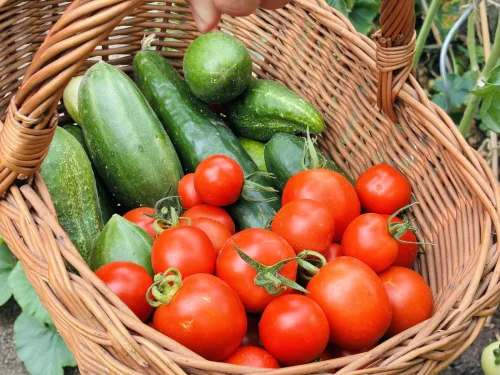
The More Often You Harvest, the Longer Plants Keep Cropping
With fruiting vegetables, frequent picking keeps plants flowering and producing for longer. A few crops, such as aubergines, are tastiest when harvested slightly earlier rather than fully mature.
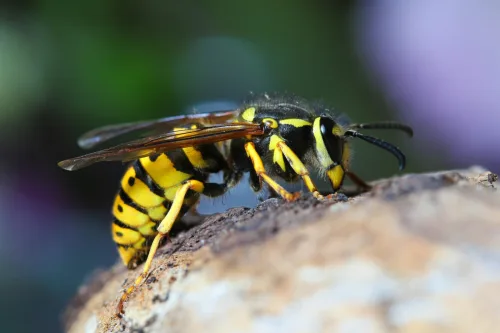
Wasps Aren’t Just a Barbecue Menace They Can Ruin Your Garden Woodwork Too
Weathering isn’t always the main culprit behind damaged outdoor timber. Wasps can scrape fibres from boards and beams surprisingly fast, leaving grooves that soak up water and accelerate decay.
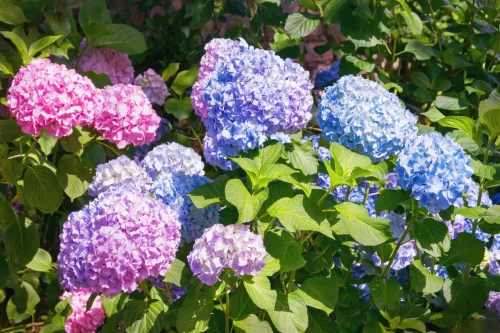
Why hydrangeas wilt in summer even when watered and how to save them fast
Hydrangeas can look limp in hot weather even if you’ve been watering faithfully. The key is to check what’s happening in the root zone, then adjust watering, shade and mulching so the plant can actually use the moisture available.
Comments (0)
Be the first to comment.