
 English
  Polski
  Deutsch
  Nederlands
  Svenska
  Norsk
Norsk  Dansk
Dansk  Français
  Italiano
  Español
  Português
  Slovenčina
  Suomi
Suomi  Gaeilge
 Gardeners Make a Mistake After Planting Tomatoes and Lose Dozens of Fruits
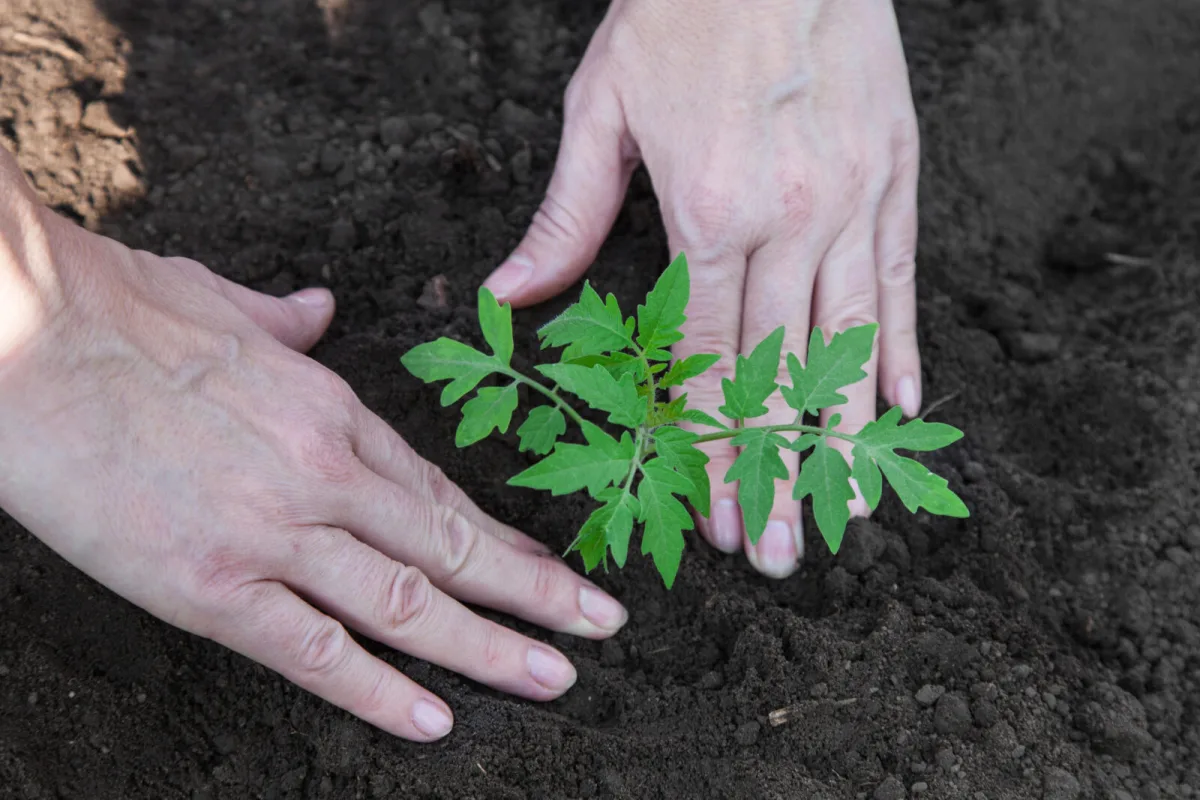
How many tomatoes you harvest over the season is often decided in the first weeks after you transplant seedlings into the bed. This is when the plant builds its root system, adjusts to new conditions, and needs the right nutrients at the right time. If you rush fertilising, skip it altogether, or use an overly strong solution, tomatoes can stall, set fewer flowers, and later produce fewer fruits.
Tomatoes also don’t have the same needs throughout their growth. One moment they need support for healthy foliage, another for flowering, and then for fruit development. That’s why it pays to stick to a simple plan and not keep overfeeding them with the same type of fertiliser again and again.
How to prepare the soil and when to choose root feeding or foliar feeding
Planting time varies by region and weather, but the principle is similar everywhere. After transplanting, it makes sense to give plants gentle support to kick-start growth. Before feeding, it’s a good idea to lightly loosen the soil so nutrients reach the roots more easily and water doesn’t sit only on the surface.
You can apply nutrients to the roots by watering in, which is the most common and safest method. The second option is foliar feeding by spraying the leaves. With foliar applications, it’s crucial not to spray in strong sun, but rather in the morning or evening. The solution should be mild, not overly concentrated, so the leaves don’t get scorched.
Step one: a gentle start after planting
A foliar cocktail about a week and a half later
About ten to eleven days after planting, you can support the plants with a foliar feed. A tried-and-tested combination is a solution of iodine, whey, and water. Make it by adding 1 litre of dissolved whey and 10 drops of iodine solution to 9 litres of water. Use the mixture as a fine mist on the leaves when the sun isn’t harsh.
Spray in the morning or evening, and don’t overdo the concentration—the aim is to help the plant, not stress it.
Root feeding about three weeks later
Roughly three weeks after planting is a good time for a root feed. You can use a pelleted or liquid chicken-manure fertiliser. It’s important to follow the dosage on the label, because organic fertilisers can be strong and, in excess, may lead to overfeeding, too much leafy growth, or root problems.
Step two: support for flowering and future fruit
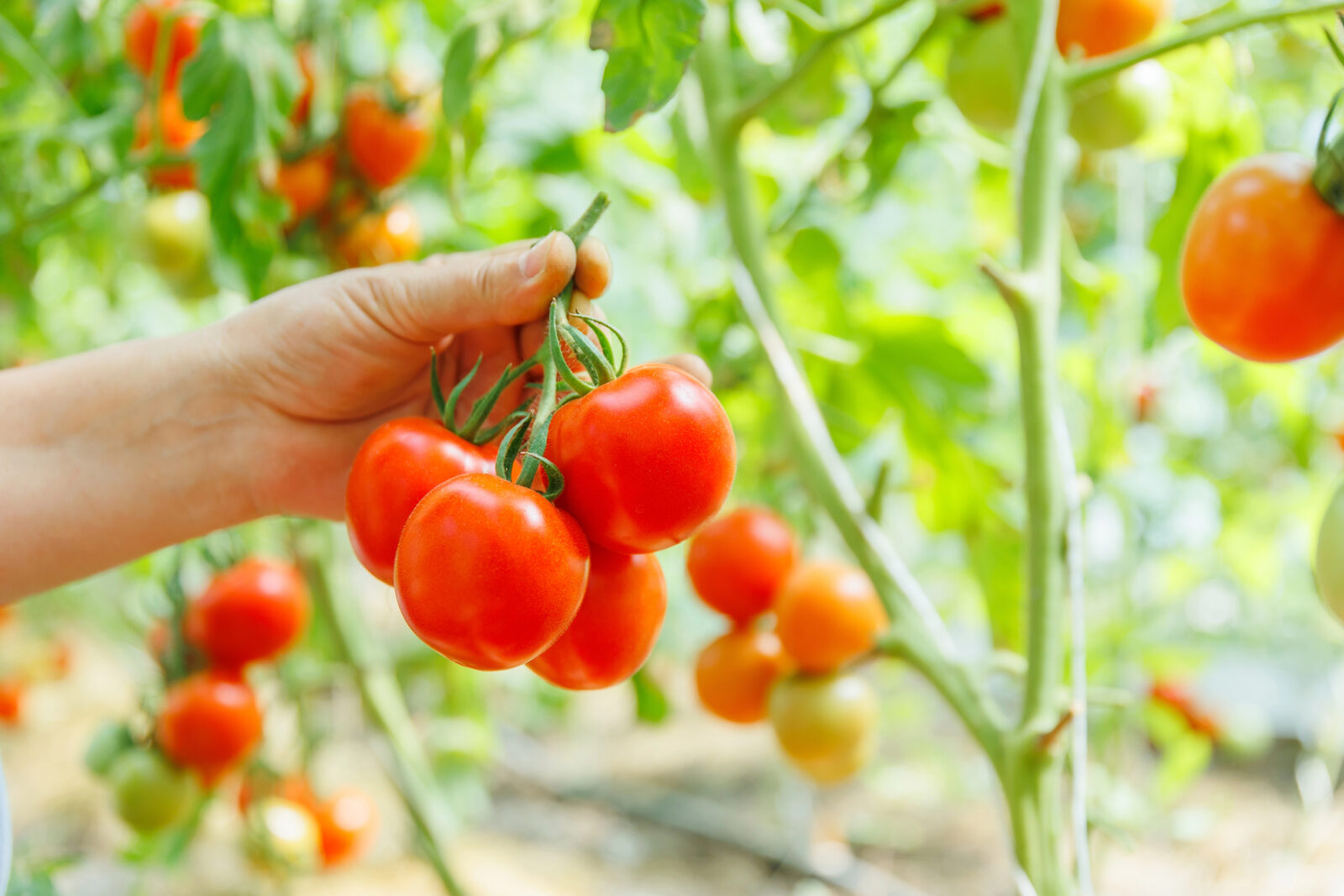
Once tomatoes begin to set flower trusses, they need nutrition that supports flowering and then fruit formation. At this stage, nutrients such as phosphorus, magnesium, and a moderate amount of nitrogen are useful. If you don’t want to buy ready-made products, you can make a simple homemade infusion.
In practice, banana peels are often used. Put them in water and leave to steep for a few days. Then strain and use as a watering-in feed at the roots. This type of infusion is seen as a gentle boost at the point when the number of flowers—and later fruits—is being decided.
Step three: another root feed after about twenty days
About twenty days later, you can feed tomatoes again at the roots with a superphosphate solution. Prepare it by dissolving 1 tablespoon of superphosphate in 10 litres of water. Typically, about 1 litre of solution is used per plant so the nutrients reach the roots evenly and the plant has the strength to keep setting and ripening fruit.
What consistency brings you across the whole season
Following a simple schedule and matching nutrition to the growth stage is often the difference between an average crop and a truly abundant one. When you give plants what they need, when they need it, they’ll be sturdier, healthier, and carry fruit more reliably. It only takes a little discipline, avoiding overly concentrated solutions, and applying at the right time—especially with foliar sprays.
If you don’t neglect tomatoes right after planting and time feeding sensibly, you can noticeably increase your yield.
Source: The Spruce, Gardening Know How, To je nápad, Pestrazahrada.cz

A lover of nature, gardens, and everything that moves, blooms, or grows. He literally grows everything, from herbs to rare species, and he enjoys caring for animals just as much. In his work, he connects modern technology with tried-and-tested grandmotherly methods and is happy when both paths lead to the same goal.
Related articles

The Christmas Amaryllis That Can Bloom for Years but Most People Throw It Away After Flowering
Hippeastrum is a spectacular winter-blooming bulb that, with the right care, will flower again year after year. Learn how to plant it correctly, look after it after flowering, and bring it into dormancy so it reliably reblooms.
How to Grow Winter Garlic for a Much Bigger Harvest
Autumn planting is the key to strong, healthy winter garlic, but the details make all the difference. With the right timing, bed choice, seed-clove treatment and a simple bicarbonate trick, you can noticeably boost yield.
A tree or shrub planted properly in autumn can outpace spring stock and improve fruiting
Many fruit trees and soft-fruit shrubs establish better when planted in autumn, because roots keep growing while the top is dormant. Done well, this head start means stronger spring growth, less watering, and a healthier first year.
Comments (0)
Be the first to comment.