
 English
  Polski
  Deutsch
  Nederlands
  Svenska
  Norsk
Norsk  Dansk
Dansk  Français
  Italiano
  Español
  Português
  Slovenčina
  Suomi
Suomi  Gaeilge
 For Flowers All Summer, Choose This Reliable Star for Window Boxes and Borders
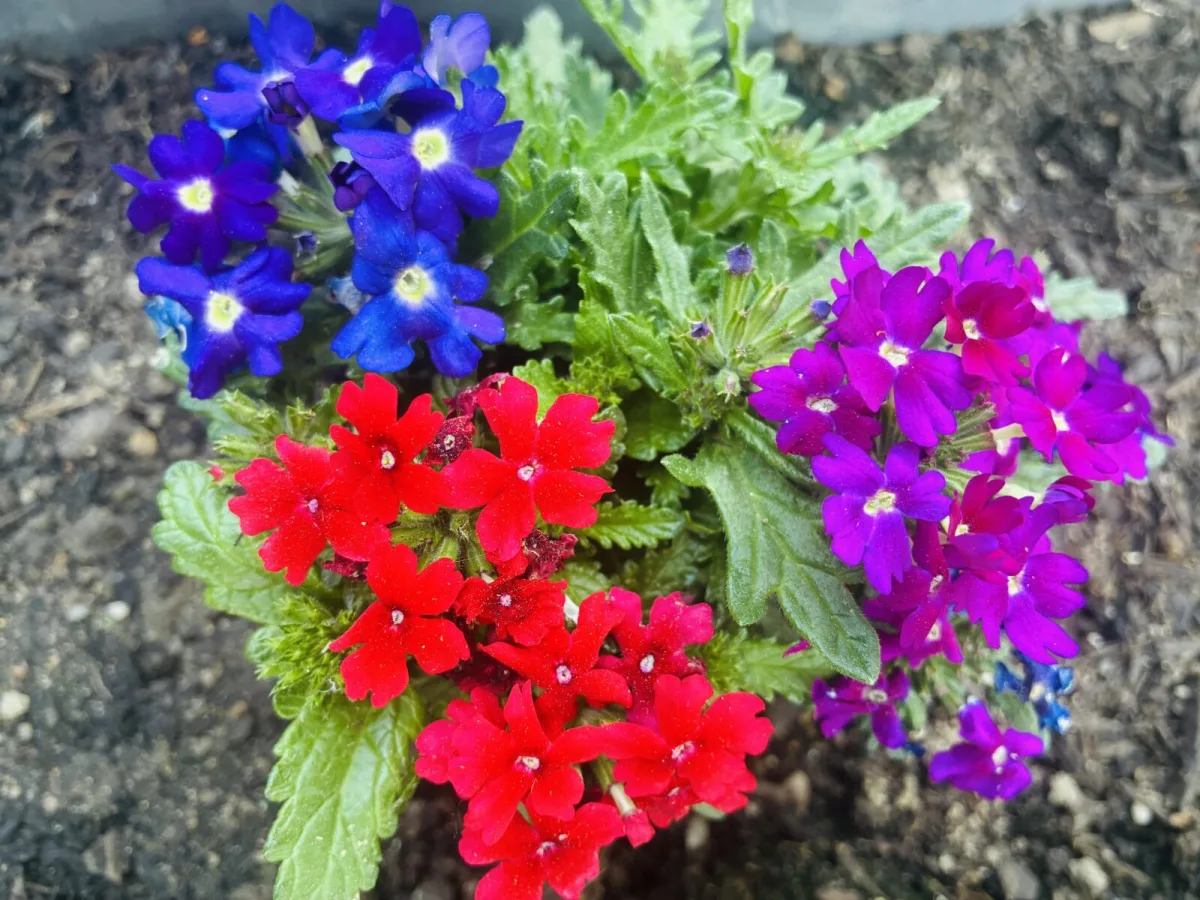
Verbena is one of the most rewarding summer flowers: it blooms continuously from late spring until the first frosts, copes with heat and short dry spells, and still manages to create bold swathes of colour in borders as well as trailing spills in window boxes. Its tiny flowers are clustered into flat heads and often carry a light fragrance. That combination of an extra-long flowering season, minimal demands and outstanding versatility makes it a plant that suits modern gardens, balconies and urban front yards alike.
Sometimes verbena will flower at full tilt for ten days, then ease off a little and surge again. This rhythm is typical, and with the right care it quickly returns to heavy blooming.
Basic information and growing conditions
Garden verbenas (most commonly hybrids within the genus Verbena) are usually grown as annuals in our climate because they don’t tolerate frost. In very mild areas, some species may overwinter, but most growers don’t rely on it and treat them as a dependable seasonal plant. The flowering period is long, often from May to October, provided plants aren’t weakened by shade, waterlogging or disease.
Verbena needs full sun. Ideally, give it at least 6 to 8 hours of direct light a day, because in shade it becomes leggy, thins out and produces fewer flowers. Soil is just as important: average fertility is fine, but it must be very free-draining. Verbena doesn’t like “wet feet” meaning a constantly damp compost with nowhere for excess water to go. Height and spread vary by type, from low ground-covering and trailing cultivars to more upright forms.
Colours are impressively varied: pink, red, purple, coral, blue-violet and bicolours. It’s also a pollinator-friendly plant, offering plenty of nectar and drawing bees, butterflies and sometimes even hummingbirds where they occur.
Verbena types and series worth considering
You’ll find plenty of modern hybrids bred for vigour, resilience and long flowering. Common are series with improved powdery mildew resistance, larger flower heads, or attractive veining and contrasting eyes. In general, you’ll come across trailing types that quickly cover a larger area, and compact types for containers that form dense mounds and hold their shape well.
When choosing, it pays to watch two things: whether it’s a strongly trailing plant suited to hanging baskets and window boxes, or a more bushy verbena for borders. The second criterion is stated resistance to powdery mildew, because that’s often the most common weakness of older varieties in warm summers.
How to plant verbena properly in borders and containers
Wait to plant until the risk of frost has passed, usually from mid-spring into early summer. Choose a site that’s as sunny and airy as possible. In heavy clay soils, work in compost and improve the structure so water doesn’t sit after watering. If drainage is a problem in your garden, a raised bed or planting on a slight mound can help.
Growing from seed is possible with selected species and open-pollinated varieties, but many modern hybrids either don’t set seed or won’t come true. If you do have seed, it’s typically started about 8 to 10 weeks before the last frosts and planted out only once the soil has warmed. When planting, give plants room, because a good verbena can spread significantly over the season.
In containers, verbena really shines. The essentials are a pot with drainage holes and a quality compost for balcony and patio plants. Containers dry out faster than borders, so you’ll need to check moisture more often, while still avoiding overwatering. Verbena tolerates a brief dry-down better than constantly wet compost, which encourages root rot.
In-season care: watering, feeding and pruning for more flowers
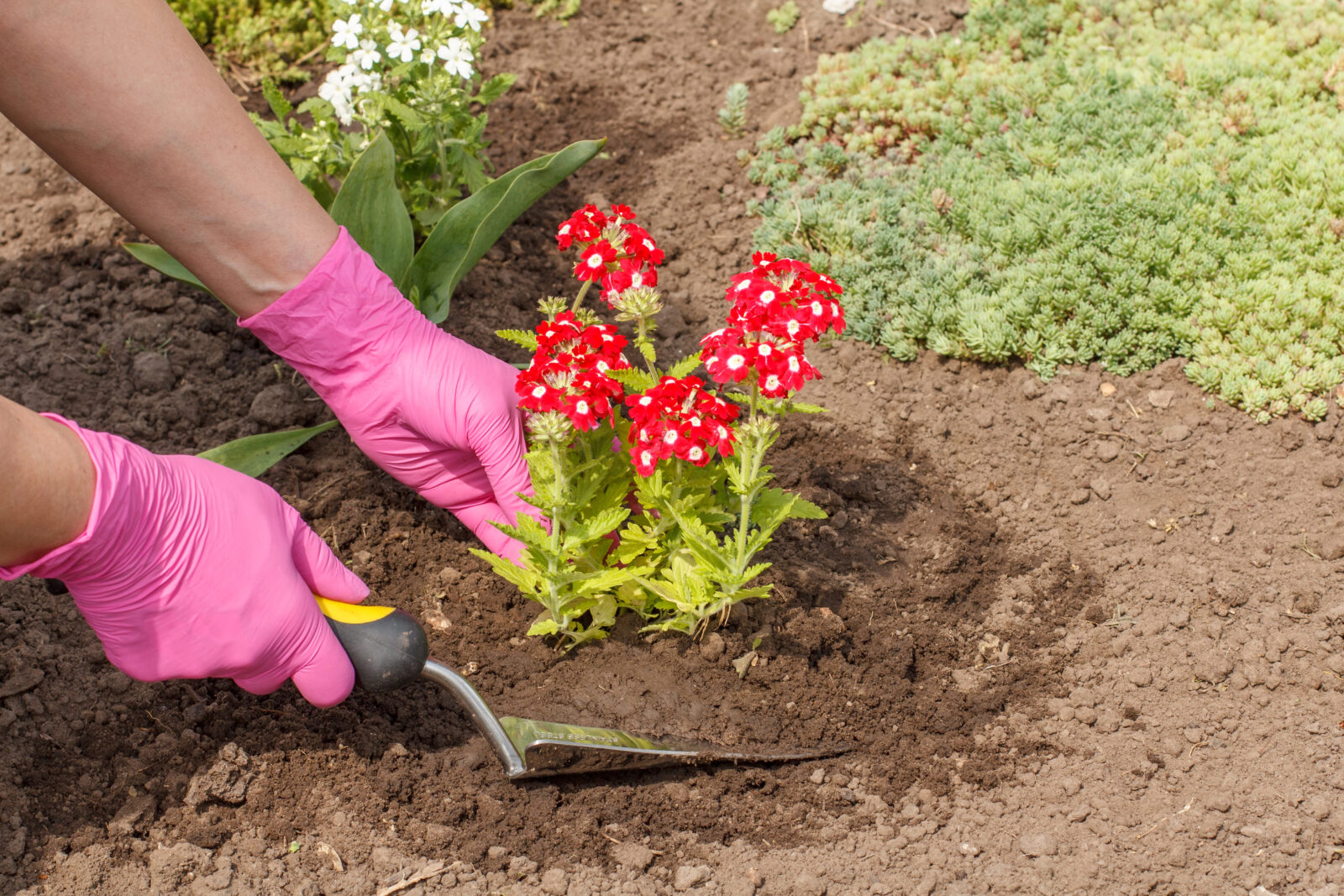
Once established, verbena is fairly drought tolerant, but regular watering leads to stronger growth and longer flowering, especially in containers. Water at the base, ideally in the morning, so leaves don’t stay wet for long. In borders, an occasional deep soak is often enough; in window boxes, daily watering may be necessary during hot spells.
Feeding depends on where it’s grown. In borders, compost and a slow-release fertiliser at planting time is often sufficient. In containers, where nutrients are depleted faster, it’s helpful to feed regularly with a water-soluble fertiliser for flowering plants. Too much nitrogen can push leafy growth at the expense of blooms, so a balanced feed or one formulated “for flowers” is a better choice.
Deadheading isn’t essential with many modern verbenas, but a light trim is worth doing. If stems get too long, spill excessively over the pot edge, or start to look sparse, cut them back by a few centimetres. The plant usually responds quickly, becomes bushier and sets a fresh flush of flowers.
Most common problems and how to fix them early
Verbena is generally trouble-free, and when it struggles it’s most often due to lack of sun or poor drainage. If the plant is leggy with few flowers, move it to a sunnier spot. Verbena usually copes well with transplanting, especially if you water it regularly after moving until it re-establishes.
The most common disease is powdery mildew, which appears as a whitish coating on the leaves. Good spacing, airflow and watering at the roots without wetting the foliage all help. Avoid evening misting or overhead watering that leaves foliage damp overnight. At the first signs, remove the worst-affected parts and adjust watering and ventilation.
Yellowing leaves, weak flowering and overall decline are often linked to waterlogging and lack of oxygen around the roots. In that case, repotting into a freer-draining mix, adding a drainage layer in the container, or providing more drainage holes can help. As for pests, spider mites can appear now and then, typically in hot, dry weather; fine webbing and dulled leaf colour are clues. Often it’s enough to rinse the plant repeatedly with a stronger jet of water and, if needed, use gentle soap-based products.
Verbena, vervain and lemon verbena: what people often mix up
In garden centres, the name “verbena” usually refers to long-flowering garden hybrids of the genus Verbena. But people also use the name for other related or similarly named plants. Lemon verbena is an aromatic herb with a strong lemon scent used in cooking and teas, but botanically it belongs to a different genus within the same family. There are also taller vervains that fit better into naturalistic plantings and perennial borders; they have a different habit and different needs than typical balcony verbenas.
How to combine verbena so it looks effortlessly luxurious
In borders, verbena works beautifully as a carpet of colour between taller perennials or as an edging along sunny paths. In containers, it stands out paired with other sun-loving plants that tolerate similar watering. Trailing verbenas soften the edges of window boxes and hanging baskets, while more compact types create a dense, flower-packed centre. Give it sun, free-draining compost and the occasional trim, and it will reward you with a long season of intense colour and the lively buzz of pollinators around the blooms.
Source: Garden Design, Rhs, Pestrazahrada.cz
Related articles
A Simple Autumn Trick Will Protect Your Hibiscus Over Winter and Bring a Flush of Flowers
A thick mulch layer in autumn can be the deciding factor in whether hardy hibiscus comes through winter unscathed. Combine root protection with smarter watering and feeding, and you’ll be rewarded with stronger growth and heavier flowering next season.
Be careful with hydrangeas in autumn or one mistake will cost you blooms
Tidying up hydrangeas in autumn can be tempting, but cutting at the wrong time can remove next year’s flower buds. Everything depends on whether your hydrangea blooms on old wood or new wood.

Raspberries Need Gentle Feeding or You Can Damage Roots and Lose Up to a Third of the Crop
Raspberries have very shallow roots and don’t respond well to heavy, nitrogen-rich feeding worked into the soil. Choose a potassium-forward fertiliser and apply it gently on the surface to protect roots and improve flavour and yield.
Comments (0)
Be the first to comment.