
 English
  Polski
  Deutsch
  Nederlands
  Svenska
  Norsk
Norsk  Dansk
Dansk  Français
  Italiano
  Español
  Português
  Slovenčina
  Suomi
Suomi  Gaeilge
 First Aid After an Insect Sting or Bite What Really Helps and What Is a Myth
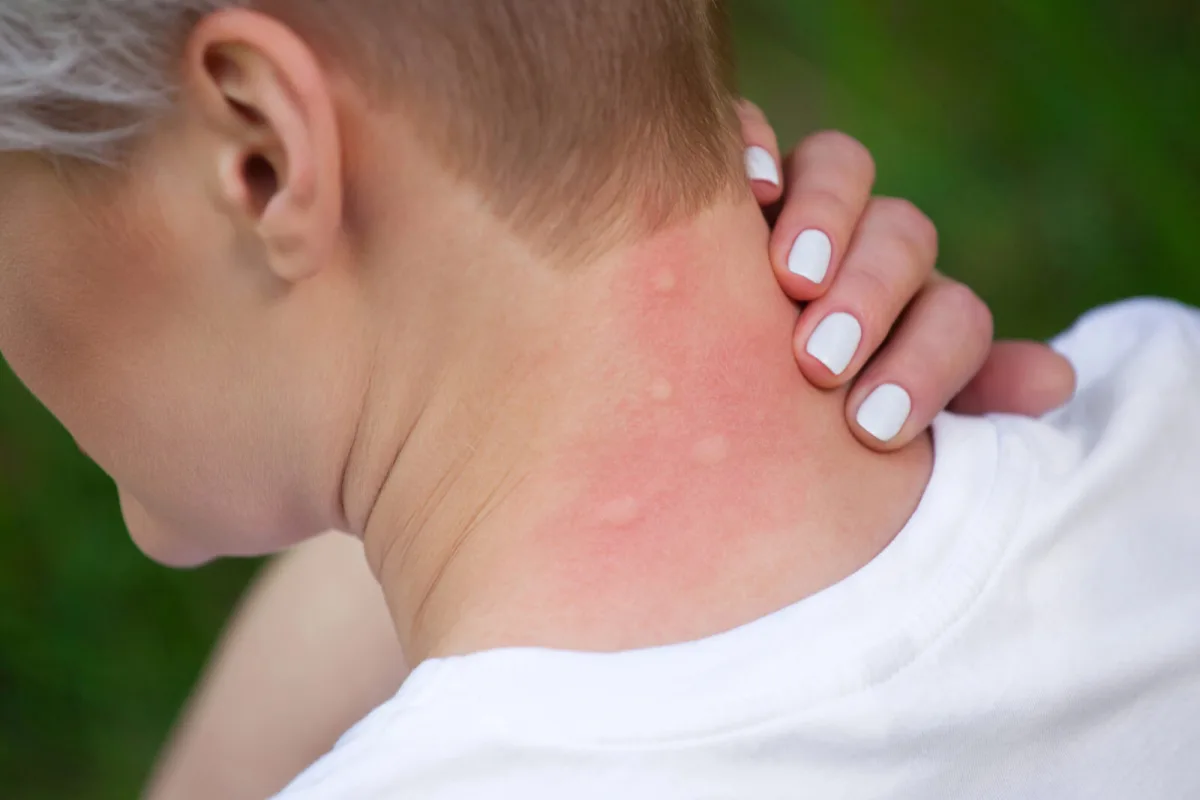
An insect bite or sting is unpleasant in most cases, but not dangerous. Still, it pays to know what to do right away, because proper first aid can significantly reduce pain, swelling and itching. There are also plenty of home tips doing the rounds that help some people but can unnecessarily irritate the skin in others, and some are simply a bad idea.
The basics are simple: work out what stung or bit you, treat the area, cool it, and then avoid irritating it further. With certain symptoms, though, you should not wait, and home treatment must never take priority over seeing a doctor.
First, clarify which insect caused it
Different insects leave different marks, and that changes the first steps. A bee often leaves its stinger in the skin, so the problem continues until you remove it. A wasp and hornet typically do not leave the stinger behind and can sting repeatedly. A mosquito usually causes an itchy bump and mild swelling. A tick doesn’t inject venom like a bee, but it can transmit infections, so the key is correct, prompt removal.
Get a bee stinger out as quickly and gently as possible
With a bee sting, the first moments matter. The longer the stinger stays in the skin, the more irritating substances can be released into the body. The best method is to gently scrape the stinger out with a fingernail, a card, or a blunt edge. If you use tweezers, be careful not to squeeze the end with the remaining venom sac, as that can force more venom into the wound.
Then wash the area with soap and water. This lowers the risk of infection and removes any grime from the skin surface.
Cold is the most reliable helper almost every time
Home experience and medical advice agree on one thing: short cooling works. A cold compress or ice wrapped in a tea towel constricts blood vessels, eases the local inflammatory response, limits swelling, and often dulls pain.
Apply for about 10 to 15 minutes, then take a short break and repeat as needed. Never place ice directly on the skin to avoid cold injury.
Onion, vinegar and herbs may help, but they are not a miracle cure
One of the best-known home approaches is applying a freshly cut onion. That has some logic, as onions contain compounds with mild anti-inflammatory effects and, for some people, can calm irritation. It is not a universal solution, though, and it is not a method firmly supported by high-quality clinical studies.
If you want to try it, place onion on intact skin for 10 to 15 minutes. If the skin starts to burn significantly or redness worsens, remove it.
Similar tips include a vinegar compress, crushed parsley or basil, or a drop of lavender oil. Any relief may come from a cooling effect or the gentle action of plant compounds, but the evidence for clear effectiveness is limited. If you have sensitive skin or a tendency to allergies, take extra care, especially with essential oils, which can cause irritation themselves.
With mosquito bites, the most important thing is not to scratch
Mosquito bites usually aren’t very painful, but they can itch intensely. Brief cooling helps here too. Another option is over-the-counter pharmacy products, such as gels and creams with soothing ingredients or an antihistamine.
The most common mistake is vigorous scratching. Broken skin can easily become inflamed, and a once-trivial bite turns into something that takes much longer to heal.
Do not smear a tick with oil or alcohol; remove it as soon as possible
You will still come across advice to coat a tick with oil, butter or alcohol. This is not recommended, because an irritated tick may release more gut contents into the bite site, increasing the risk of transmitting infection.
The correct approach is to remove the tick as soon as possible with tweezers or a dedicated tick remover. Grasp it as close to the skin as you can and pull it out with a steady motion. Then disinfect the area and, over the following weeks, keep an eye on both the bite site and your overall health. If you are not sure the tick is out completely, or you cannot remove it, it is sensible to contact a doctor.
When home care is not enough and you must act immediately
Swelling and redness usually subside within a few days. However, there are situations where this may be a serious allergic reaction and immediate help is needed.
If you develop shortness of breath, feel faint, swelling of the lips, tongue or throat, severe dizziness, widespread hives, or loss of consciousness after a sting, it may be anaphylaxis and you must call 155 or 112 immediately.
Also see a doctor if the swelling does not decrease after a few days and instead grows, the area is very painful, pus appears, you develop a fever, or you feel generally unwell.
What to take away for everyday situations
Most stings heal without consequences, and the biggest difference comes from fast, calm, simple first aid. With a bee, the priority is removing the stinger. With all bites and stings, washing the area followed by cooling helps. With mosquitoes, it is essential not to break the skin by scratching and, if needed, to use a suitable pharmacy product. With ticks, the most important thing is quick, correct removal without oils and without unnecessary irritation.
Home tips like onion, vinegar or herbs can sometimes bring relief, but they should not replace proven steps and must never delay medical help when warning symptoms appear.
Source: Záhrada, ZZS JMK, Pestrazahrada.cz

A lover of nature, gardens, and everything that moves, blooms, or grows. He literally grows everything, from herbs to rare species, and he enjoys caring for animals just as much. In his work, he connects modern technology with tried-and-tested grandmotherly methods and is happy when both paths lead to the same goal.
Related articles

The Most Overlooked Shrub in the Czech Landscape Sloe Feeds Bees Shelters Birds and Bears Fruit Few People Know
Blackthorn (sloe) is an unassuming, thorny shrub that supports wildlife early in the season and yields dark, frosted fruits in autumn. Once touched by frost, its astringent sloes become a valued ingredient for preserves, drinks, and traditional remedies.

How to Choose a Sack for Storing Potatoes So They Don’t End Up in the Compost in a Few Weeks
The right storage sack helps protect potatoes from light and excess moisture, two common reasons they spoil. Learn when to choose a jute sack or a paper sack and how to keep your crop sound for months.
Silverfish Appear at Night and Vanish into Cracks Get Rid of Them with One Change Not a Spray
Silverfish thrive in dark, damp corners and often show up only at night. Long-term control comes from drying the space and removing hiding places, not just spraying chemicals.
Comments (0)
Be the first to comment.