
 English
 Polski
 Deutsch
 Nederlands
 Svenska
 Norsk
 Dansk
 Français
 Italiano
 Español
 Português
 Slovenčina
 Suomi
 Gaeilge
Everbearing Raspberries Need a Hard Prune for a Bigger Crop Next Year
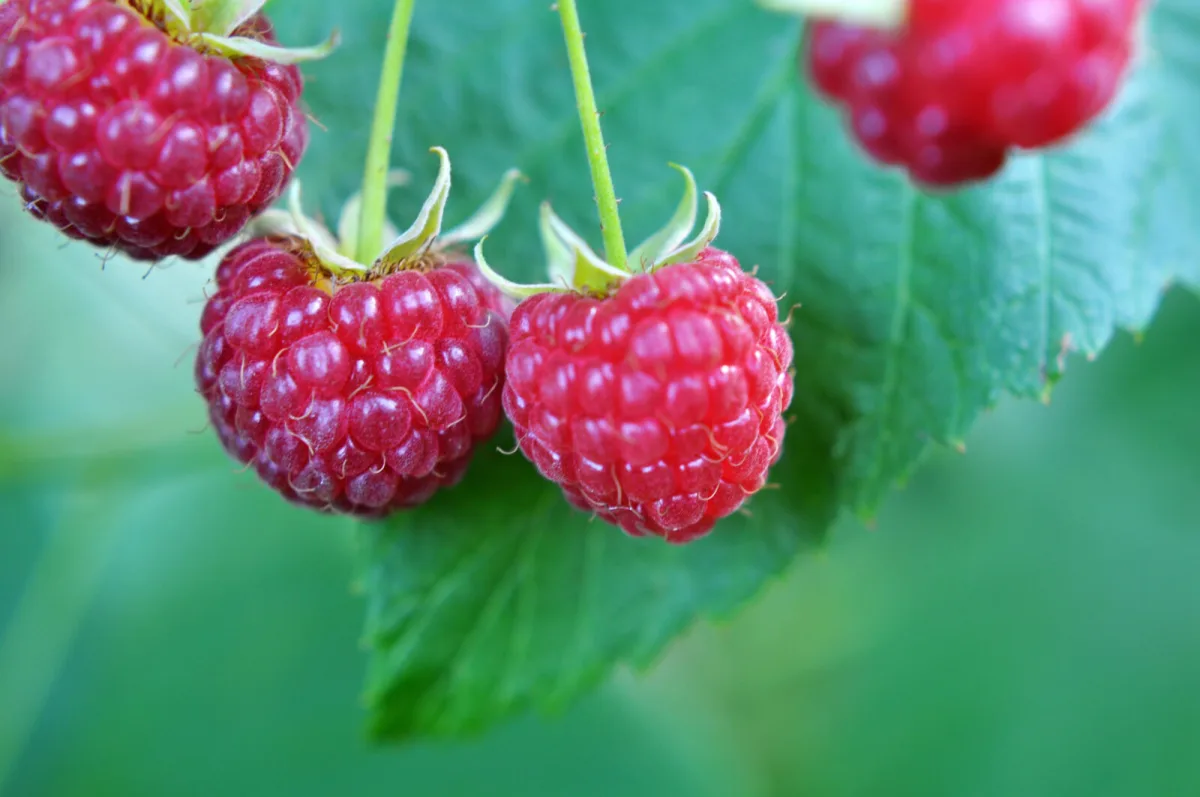
Everbearing raspberries produce their main crop on canes that grew in the same year. That’s exactly why cutting them right down close to the ground doesn’t harm them—it actually benefits them. Once the season is over and you remove all the canes, the plant won’t waste energy feeding old, tired wood. It will channel its strength into the roots and, in spring, send up new, vigorous shoots that will flower within the year and fruit again in late summer.
If you leave the old canes in place, the patch becomes overcrowded, light levels drop and air circulation is poorer. The result is often smaller, less even berries that are more likely to taste sharp. A dense raspberry bed also suffers more from disease, because moisture lingers between the canes for longer. So an annual prune isn’t just about how the bed looks—it’s mainly about the quality of your harvest.
When to pick up the pruners
The most important thing isn’t an exact date, but the plant’s condition. You should prune once the raspberry has gone dormant. In autumn, stored nutrients move from the canes back down into the roots. If you cut too early, you rob the plant of some of the energy it needs for spring growth.
In milder areas, the right time is usually from late October to the first half of November, once most leaves have fallen and harvesting is truly finished. In higher, colder locations, the ideal moment may come a little earlier after the first frosts. If you miss the autumn window, you can postpone pruning until February or early March. The key is to do it before the plant starts to break bud.
As soon as the first green tips of new shoots appear at ground level, it’s too late for a hard prune.
How to prune correctly
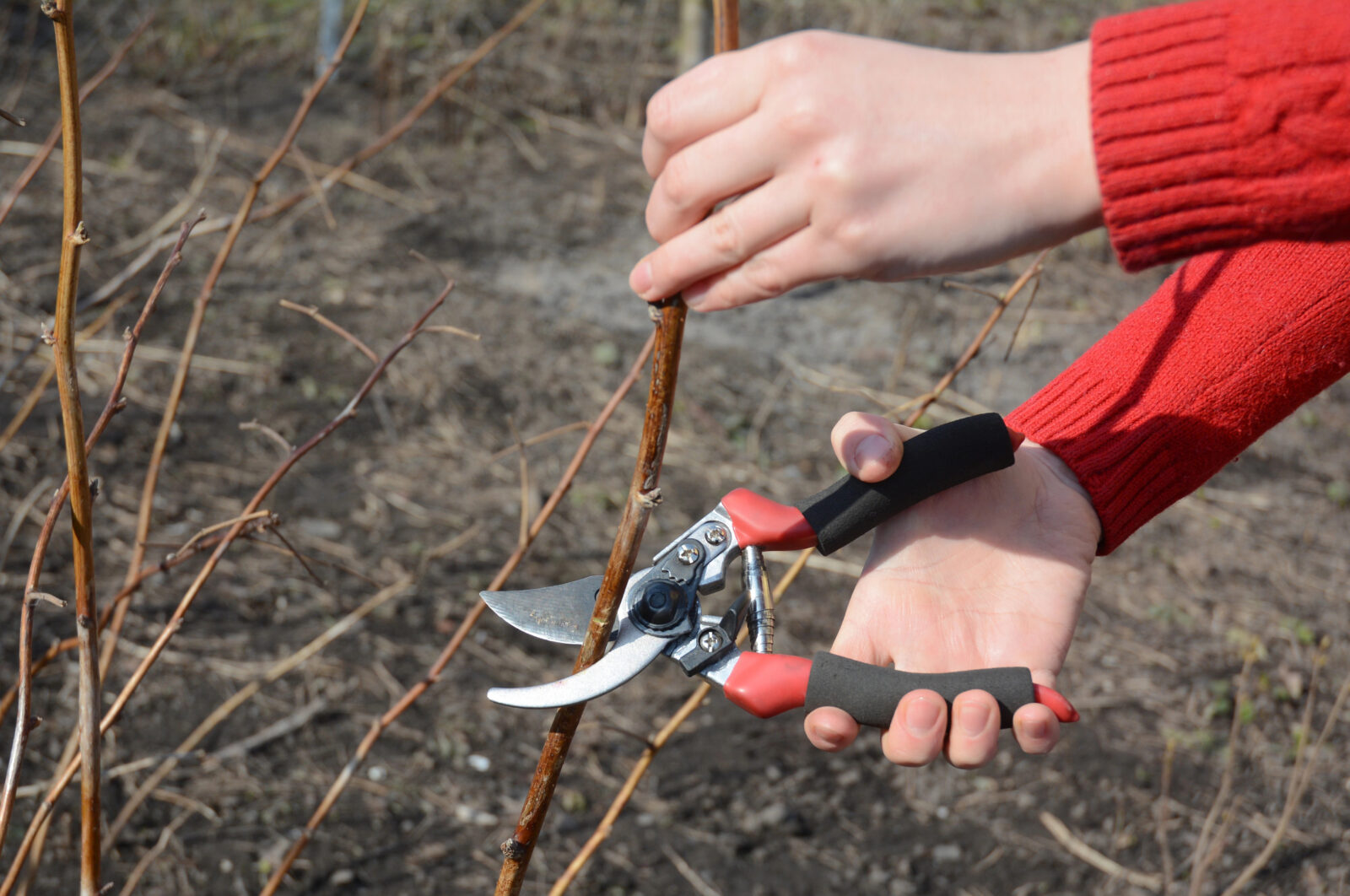
With everbearing raspberries, pruning at ground level really does mean cutting very low, just above the soil surface. Don’t leave stubs, because weak side shoots can sprout from them and diseases can persist on them more easily. Cuts should be clean and made with a sharp tool so the tissue isn’t crushed.
Regular secateurs are fine for thinner canes; thicker, older canes are best removed with loppers. Before you start, it’s worth cleaning and disinfecting your tools, especially if you’ve noticed any signs of disease in the bed. With infected plants, it’s sensible to wipe the blades between individual bushes as well.
After pruning, a thorough clean-up is essential
Pruning alone isn’t enough. All cut canes, fallen leaves and leftover fruit need to be removed from the bed. Pathogens that cause fungal diseases often overwinter in this debris. If it stays under the plants, it can easily infect young shoots in spring.
Diseased material shouldn’t go onto a standard home compost heap, because it usually doesn’t reach temperatures high enough to reliably destroy disease spores. It’s better to dispose of it outside normal garden composting. A clean, airy bed is just as important for a healthy start to the new season as the pruning itself.
Mulch helps the roots get through winter
After tidying up, it’s a good idea to cover the soil surface with a layer of organic mulch. Raspberries have a shallow root system, so they benefit from protection against freeze–thaw cycles and against the soil drying out. Suitable materials include well-rotted compost, leaf mould, grass clippings free of weed seeds, straw, or fine wood chips.
The depth of the mulch should match the material used. Finer mulches only need a thinner layer; coarser materials can be laid more thickly. What matters is not burying the plant crowns—the points from which new canes will emerge in spring. It’s better to leave a few centimetres clear around the centre of each clump, so shoots can come through freely and the plant doesn’t rot.
One big harvest or two smaller ones
Cutting all canes down hard results in one strong autumn crop. For most gardeners, this is the simplest and most reliable way to grow everbearing raspberries. The bed stays easy to manage, healthier, and maintenance is less demanding. The plant also focuses its energy on the new generation of canes, so the autumn harvest is usually heavier.
There is also an option for two harvests. With this method, you leave some overwintered canes so they fruit in summer on the lower portion. New canes then fruit again in autumn. However, this approach creates a denser stand, means more work, and often leads to a weaker autumn crop because old and new canes compete with each other.
First, confirm what type of raspberry you have
Before you start cutting, you need to be sure you’re actually growing an everbearing variety. Summer-fruiting raspberries crop on overwintered canes in June and July, and if you cut them right down in autumn, you’ll lose next year’s harvest. Everbearing types, by contrast, fruit from August until the first frosts on the tips of the current season’s canes—and that’s exactly where a low, hard prune is the correct approach.
If you’re not sure, watch for one season to see which canes carry fruit, and mark them if needed. Only then choose the right pruning method. With common everbearing varieties such as Polka, Heritage, Autumn Bliss or Fallgold, cutting everything down to ground level has proven to be the simplest route to strong canes and a tastier crop the following year.
Source: Arbor Day, Plant and Stories, Pestrazahrada.cz

A lover of nature, gardens, and everything that moves, blooms, or grows. He literally grows everything, from herbs to rare species, and he enjoys caring for animals just as much. In his work, he connects modern technology with tried-and-tested grandmotherly methods and is happy when both paths lead to the same goal.
Related articles
Healthy Roses Start in Autumn, Collect Fallen Buds and Plan Your First Spring Spray Early
Roses will reward you with stronger growth and better flowering if you start protecting them before problems take hold. Autumn clean-up, timely spring sprays, sensible feeding and deep watering are the keys to hardy, healthy plants.
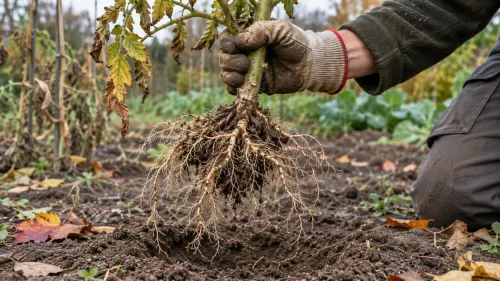
Why Leave Old Plant Roots in the Bed Instead of Pulling Them Out
Instead of yanking out healthy spent plants, cut them off at soil level and leave the roots to break down in place. It improves soil structure, feeds soil life, and saves time with no downside in most beds.
Experienced gardeners don’t throw leaves away and use them in six smart ways
Fallen leaves are a valuable, free resource that feeds soil life, improves structure, and protects plants. Use them as mulch, compost, leaf mould, lawn feed, winter insulation, and wildlife habitat.
Comments (0)
Be the first to comment.