
 English
 Polski
 Deutsch
 Nederlands
 Svenska
 Norsk
 Dansk
 Français
 Italiano
 Español
 Português
 Slovenčina
 Suomi
 Gaeilge
Don’t Cut Roses Back Hard in November These Steps Protect Them from Frost Wind and Disease
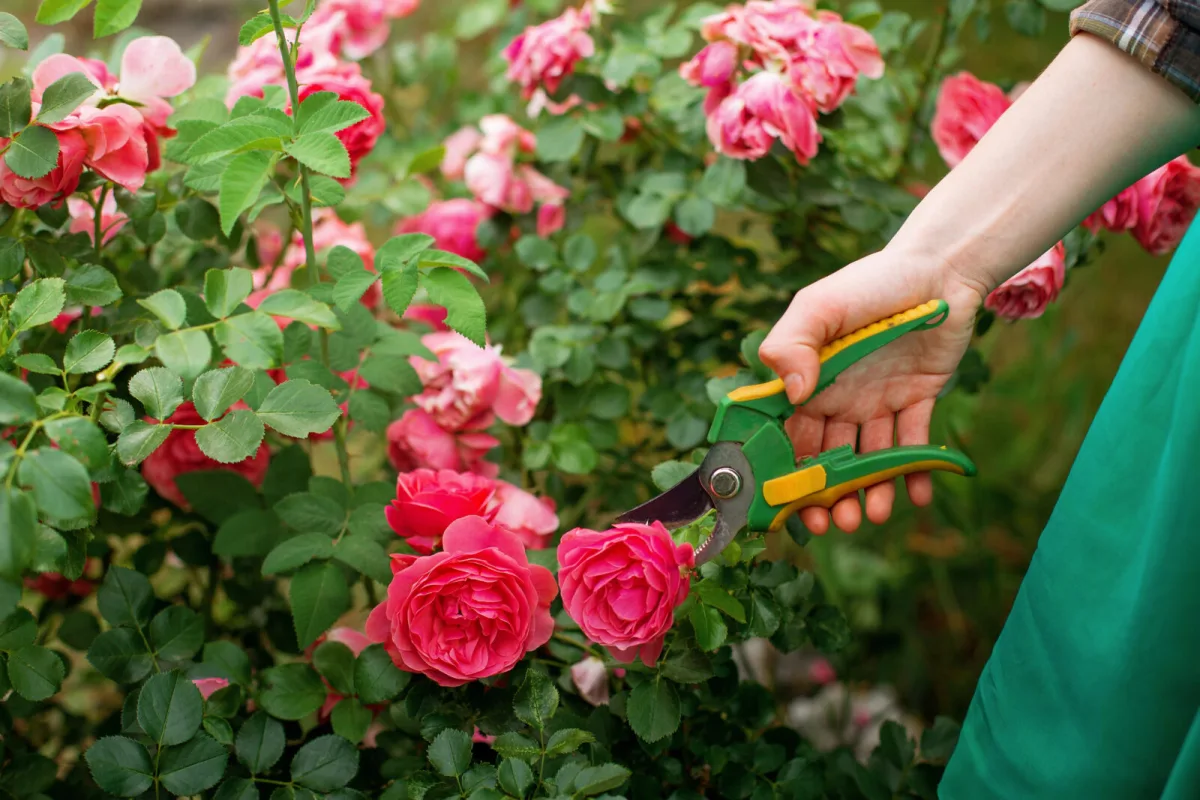
Roses are among the most beautiful features in the garden, but once November arrives, encouraging flowering is no longer the priority. Growth slows, leaves drop, and the plants gradually settle into winter rest. This is exactly when even fairly simple care can make a big difference to how well your roses come through winter—and how strongly they get going in spring.
Autumn care focuses mainly on protection from wind, frost, waterlogging and the spread of disease. It’s important to be gentle, though. Cutting back too hard at this time of year can do more harm than good, because roses may be more prone to damage in winter gales and strong winds. Instead, it’s better to concentrate on a few basic jobs that help plants get through the coldest months with minimal setbacks.
Shorten overly long shoots so wind can’t rock the rose loose
In November, a combination of strong wind and waterlogged soil is common. This is particularly risky for taller shrub roses, landscape roses and floribundas. Long stems act like sails in gusts, and the plant can start to loosen in the ground. That not only makes the whole bush wobble, but it can also damage fine roots responsible for taking up water and nutrients.
That’s why it makes sense to shorten the longest, most vulnerable stems. This isn’t a proper winter prune—just a light reduction in height so the wind has less to grab hold of. The rootball stays more stable, and the rose is better anchored through winter storms.
If some varieties form rose hips, there’s no need to remove them all. As well as looking attractive, they can also provide a welcome winter food source for small garden birds.
Remove fallen leaves and any diseased parts of the plant
One of the most important November tasks is clearing leaves from around roses. This deserves special attention for plants that suffered from fungal diseases during the season. Fallen leaves often become the place where disease pathogens overwinter, only to reinfect new growth in spring.
Don’t leave infected leaves on the bed, because spores of black spot or rose rust can survive in them. Rake them out from around the bushes and remove any leaves still caught on the stems that show damage or spotting.
Proper disposal matters just as much. Diseased material doesn’t belong on the home compost heap, where problems can persist. It’s better to take it to green waste, or put it in general waste if that’s your only option. The aim is to prevent infection from reappearing in the garden in spring.
Tie climbing roses securely to their support
Climbing and rambling roses can be especially vulnerable in November if long, flexible canes are left loose on their framework. Strong winds can tear them away from the support, damage the wall of growth, or snap them. It’s worth checking that all ties and supporting structures are still sound.
Any looser shoots should be tied in with soft garden twine to wires, trellis or mesh. The tie needs to be reliable, but it mustn’t constrict the stem. When secured correctly, the rose is under less strain and stands up better to winter gusts.
An added benefit is that training canes more horizontally often improves flowering. The plant frequently produces more upright, flowering side shoots in the following season, creating a fuller display.
Add a protective mulch around the roots
As temperatures drop, protecting the root zone becomes important. A layer of mulch helps even out temperature swings, reduces sudden soil freezing, and also improves soil structure. For roses, well-rotted manure, compost or a finer bark mulch are all suitable.
Spread a layer about 5–10 cm thick around the base of the plant. This cover acts as insulation against sudden frosts and gradually feeds organic matter into the soil. By spring, the ground can be more fertile and better prepared for fresh growth.
But don’t pile mulch right up against the stems. Leave a small gap so excess moisture doesn’t linger at the base. Close contact can encourage rotting or other problems linked to wet conditions.
Move container roses to a sheltered spot
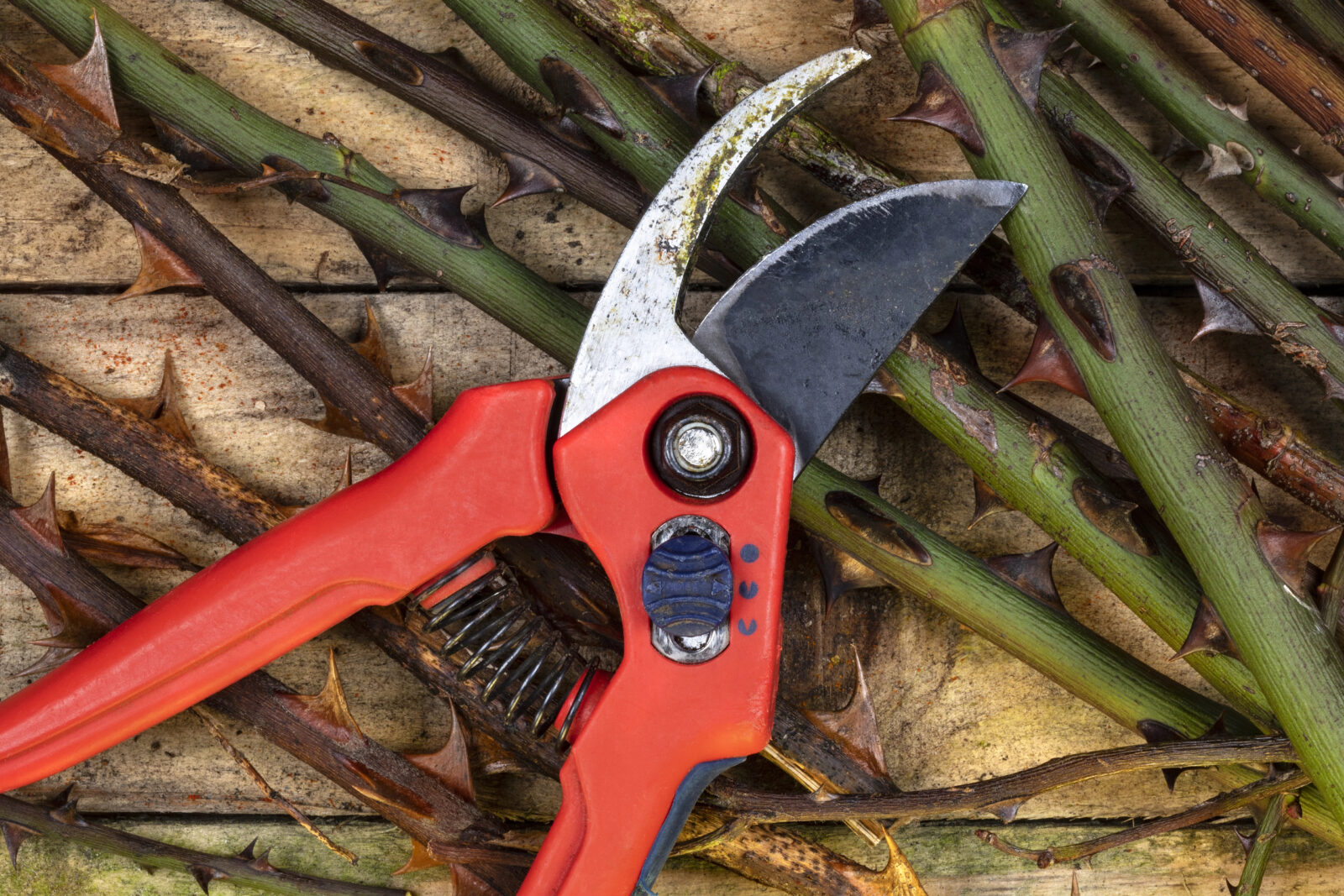
Roses grown in pots and other containers need a little more attention in autumn than those planted in the ground. Their roots are exposed to cold from all sides, and the compost freezes faster than normal garden soil. That’s why it’s best to move containers to a sheltered, wind-protected position.
A good option is a spot against a house wall, or grouping several pots close together so the plants partly protect one another. What you should avoid is placing them directly under a gutter, where excess water can pour into the pot and keep the compost too wet.
If you can, move roses into an unheated greenhouse, garage, or another cool but frost-free (or slightly protected) area. If they must stay outdoors, wrapping the pots with horticultural fleece or another insulating material helps reduce the risk of the roots freezing solid.
Gentle November care pays off in spring
November isn’t the month for major вмешательства, but for sensible protection. Lightly shortening long shoots, removing diseased leaves, securing climbers, adding mulch and protecting containers are five simple steps that can make a big difference. With them, roses cope better with wind, frost and disease, and they’ll be better set up for healthy growth and abundant flowering in spring.
Anyone who gives their roses attention now will likely be rewarded with better condition next season. Autumn care isn’t just tidying the garden—it’s an important investment in the future beauty of the whole planting.
Source: Country Living, RHS, Pestrazahrada.cz

A lover of nature, gardens, and everything that moves, blooms, or grows. He literally grows everything, from herbs to rare species, and he enjoys caring for animals just as much. In his work, he connects modern technology with tried-and-tested grandmotherly methods and is happy when both paths lead to the same goal.
Related articles
Eucalyptus can be quite demanding, the right pruning and care are the key to healthy growth
Eucalyptus can make a striking specimen, screen or neatly maintained shrub, but it only thrives when pruned at the right time and in the right way. Learn when to cut, how to shape it, and how to care for it afterwards so it stays strong and long-lived.
How to Get a Christmas Cactus to Bloom Right on Time for the Holidays
A Christmas cactus will only flower on schedule if it gets the right cues well in advance. Cool temperatures, long uninterrupted darkness, and plenty of bright light through the year make all the difference.

Three simple steps to help rhododendrons and azaleas survive winter and flower at their best in spring
A few well-timed autumn jobs make a real difference to rhododendrons and azaleas. Protect the shallow roots, tidy the plant lightly, and keep watering so shrubs head into winter strong and ready to bloom.
Comments (0)
Be the first to comment.