
 English
  Polski
  Deutsch
  Nederlands
  Svenska
  Norsk
Norsk  Dansk
Dansk  Français
  Italiano
  Español
  Português
  Slovenčina
  Suomi
Suomi  Gaeilge
 Choose the Right Natural Fertiliser for Every Vegetable and You Won’t Need Chemicals
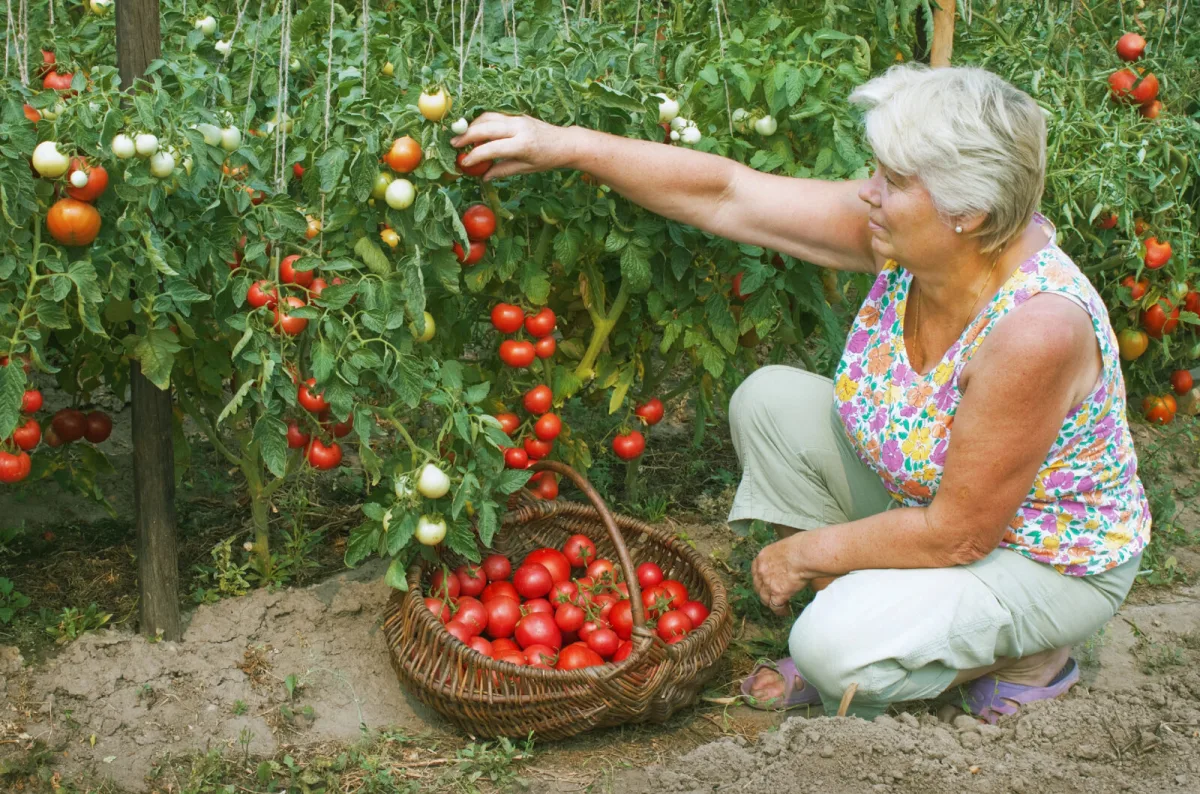
Natural fertilising has made a big comeback in recent years. Gardeners are increasingly looking for simple, low-cost ways to give plants the nutrients they need without chemical products. Many common kitchen scraps contain valuable substances that can support vegetable growth, increase yields, and improve soil quality. You just need to know which ingredient suits which plant.
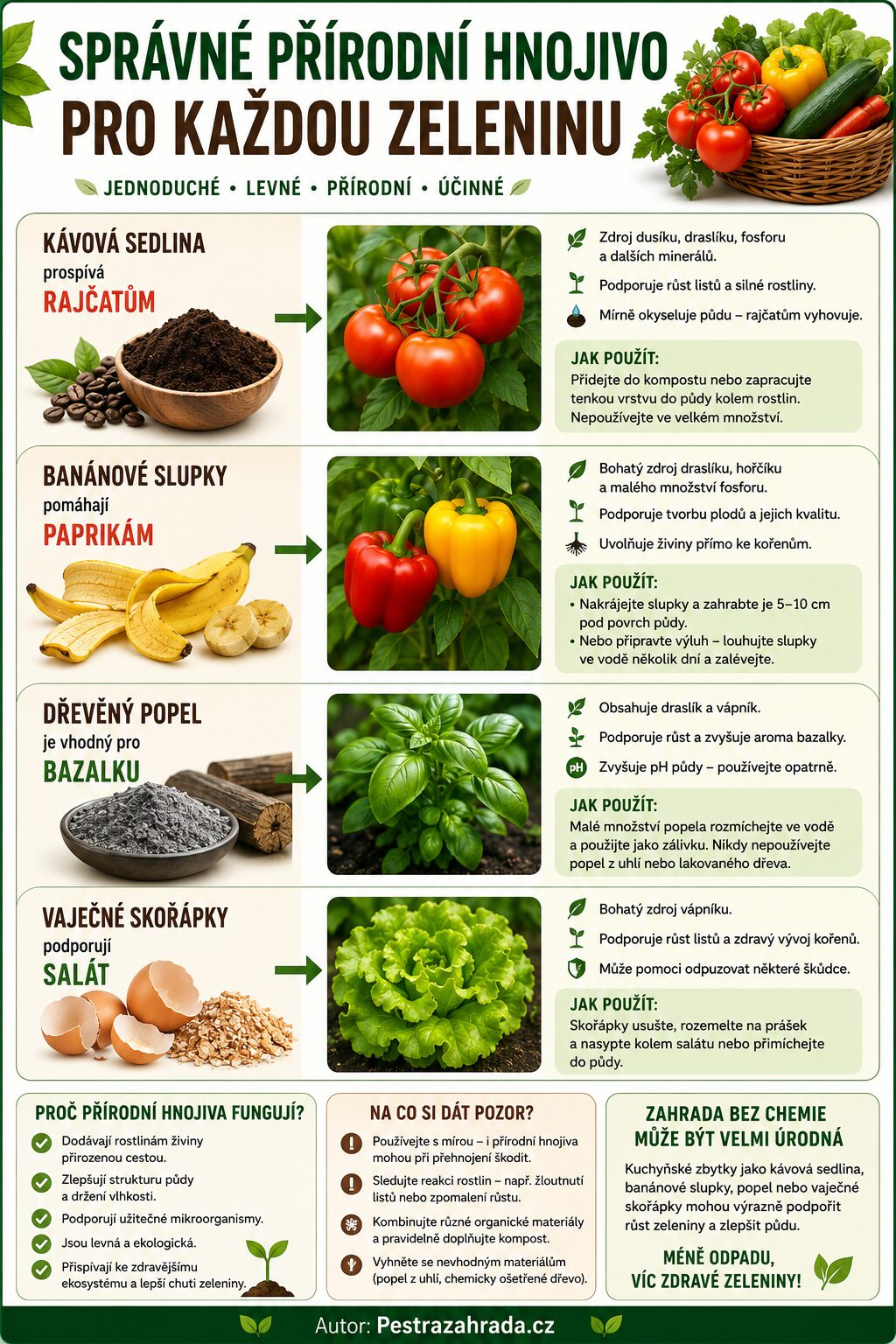
Coffee grounds benefit tomatoes
Used coffee grounds are an excellent source of nitrogen, which tomatoes need for strong growth and leafy development. They also contain small amounts of potassium, phosphorus, and other minerals. Tomatoes like slightly acidic soil, which coffee grounds can help maintain.
You can add the grounds straight to the compost or lightly work them into the soil around the plants. The key is not to overdo it, because too thick a layer can hold moisture and encourage mould. A thin layer mixed with soil is ideal.
Banana peels help peppers
Peppers need plenty of potassium to set and ripen fruit. Banana peels are a natural source of it. They also contain magnesium and a small amount of phosphorus.
It’s best to chop the peels into small pieces and bury them a few centimetres below the soil surface. They’ll break down gradually and release nutrients right where the roots can use them. You can also make a banana-peel “tea”: simply soak the peels in water for a few days, then use the liquid to water your plants.
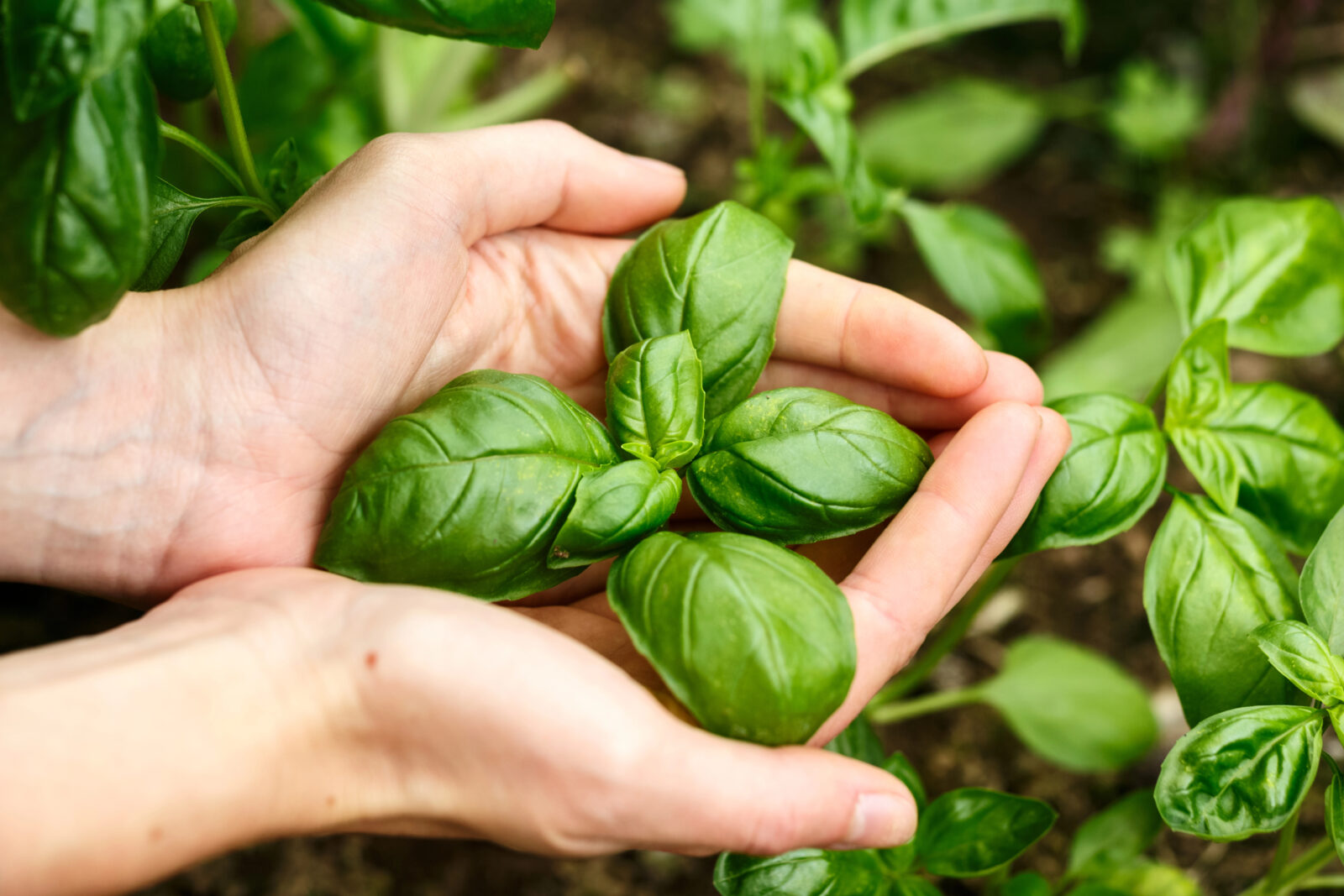
Wood ash is suitable for basil
Ash from burning clean wood contains plenty of potassium and calcium. It helps basil grow better and develop a stronger aroma. However, ash must be used carefully because it raises soil pH significantly.
The best approach is to mix a small amount of ash into water and use it as a drench. It should never be applied in large doses. Ash from coal or painted/treated wood is not suitable either.
Eggshells support lettuce
Crushed eggshells are a rich source of calcium. This helps leafy vegetables grow properly and supports healthy root development.
It’s best to dry the shells first and then grind them into a fine powder. You can sprinkle this around lettuce plants or mix it into the soil. The calcium will be released gradually and may also help deter some pests.
Why natural fertilisers work
Organic materials don’t just provide nutrients; they also improve soil structure. The soil holds moisture better, supports beneficial microorganisms, and stays fertile for longer. Another major advantage is the low cost, because most of these materials would otherwise end up as waste.
Natural feeding also helps create a healthier garden ecosystem without unnecessary chemicals. Plants may grow a bit more slowly, but they’re often tougher and taste better.
What to watch out for
Even natural fertilisers can harm plants if used incorrectly. It’s important to use them in moderation and watch how your plants respond. Overfeeding can lead to yellowing leaves or slowed growth.
It also pays to combine several types of organic material and top up with good-quality compost regularly. Compost remains one of the best all-purpose natural fertilisers for most vegetables.
A chemical-free garden can be highly productive
Growing vegetables with natural fertilisers isn’t complicated or expensive. Coffee grounds, banana peels, wood ash, or eggshells can make a real difference to plant growth while also reducing household waste.
With a few simple steps, your garden can turn into a healthy, productive space full of delicious vegetables.
Source: Moon, RHS, Gardenly, Pestrazahrada.cz

A lover of nature, gardens, and everything that moves, blooms, or grows. He literally grows everything, from herbs to rare species, and he enjoys caring for animals just as much. In his work, he connects modern technology with tried-and-tested grandmotherly methods and is happy when both paths lead to the same goal.
Related articles
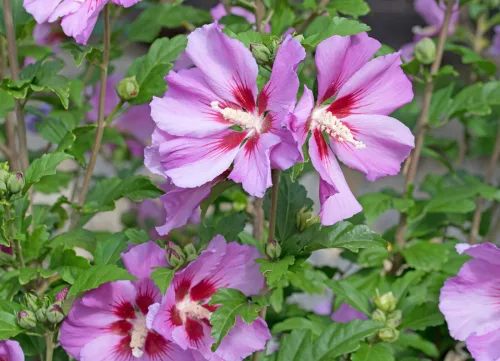
A Simple Autumn Trick Will Protect Your Hibiscus Over Winter and Bring a Flush of Flowers
A thick mulch layer in autumn can be the deciding factor in whether hardy hibiscus comes through winter unscathed. Combine root protection with smarter watering and feeding, and you’ll be rewarded with stronger growth and heavier flowering next season.
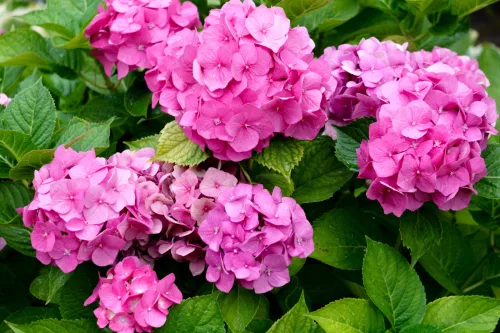
Be careful with hydrangeas in autumn or one mistake will cost you blooms
Tidying up hydrangeas in autumn can be tempting, but cutting at the wrong time can remove next year’s flower buds. Everything depends on whether your hydrangea blooms on old wood or new wood.
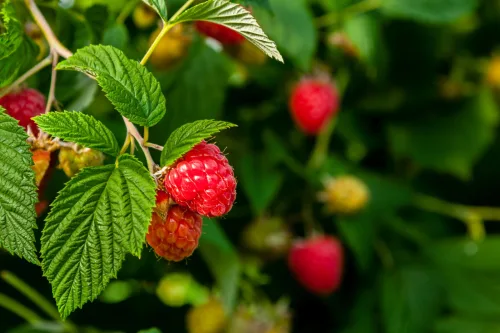
Raspberries Need Gentle Feeding or You Can Damage Roots and Lose Up to a Third of the Crop
Raspberries have very shallow roots and don’t respond well to heavy, nitrogen-rich feeding worked into the soil. Choose a potassium-forward fertiliser and apply it gently on the surface to protect roots and improve flavour and yield.
Comments (0)
Be the first to comment.