
 English
 Polski
 Deutsch
 Nederlands
 Svenska
 Norsk
 Dansk
 Français
 Italiano
 Español
 Português
 Slovenčina
 Suomi
 Gaeilge
Autumn Care for Rhododendrons Determines a Spring Flush of Blooms
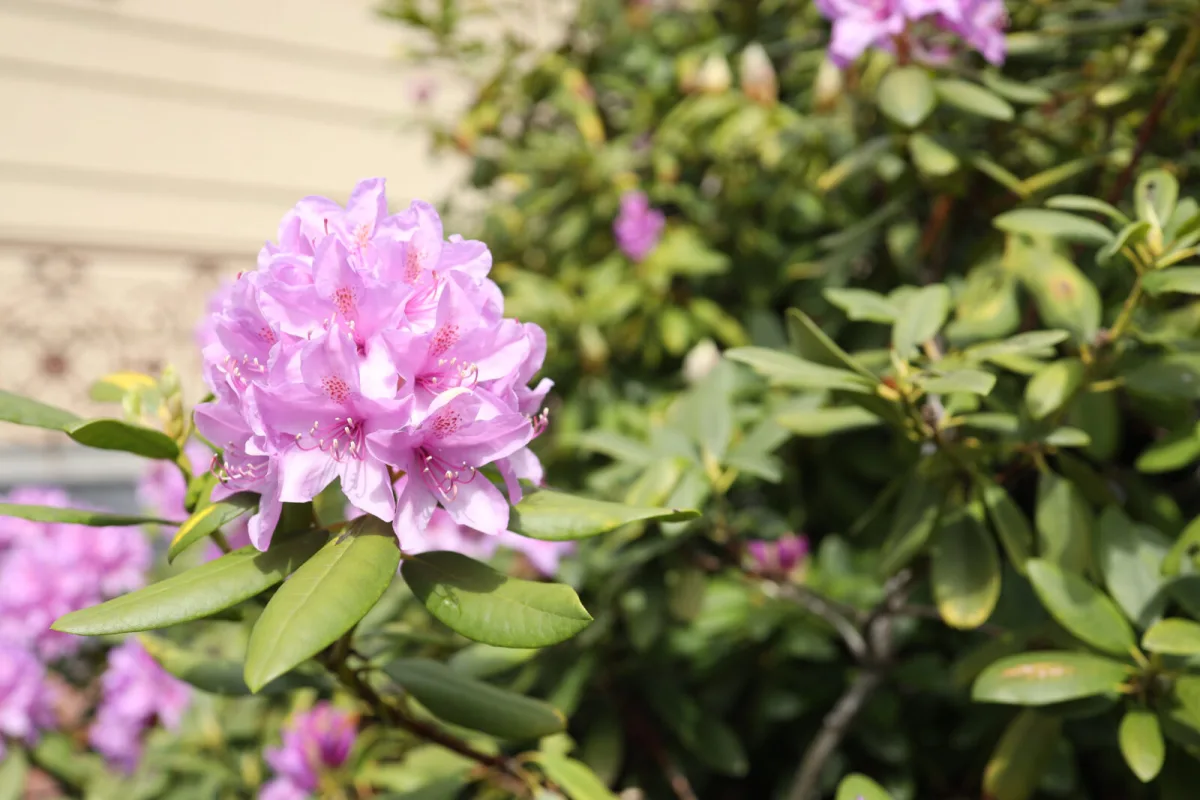
Rhododendrons are among the most popular ornamental shrubs, but they’re also plants that can catch you out if their autumn preparation is underestimated. Many growers assume a hardy shrub will cope with winter without help. That’s often the first mistake. Rhododendrons have a shallow root system, they react sensitively to drying out and harsh winter sun, and their flower buds are easily damaged by frost or wind. Proper winter protection therefore doesn’t just decide whether the plant survives, but also whether it will flower generously in spring.
Mistake number one is insufficient root protection
One of the most common mistakes is leaving the soil around the shrub without an insulating layer. Rhododendron roots sit just beneath the surface, so they’re highly prone to freezing. If a hard frost hits without a snow cover, the plant is put under stress and may struggle to put on growth in spring.
Avoiding this is fairly straightforward. In autumn, it’s a good idea to build up a layer of mulch, peat, or conifer needles around the plant. In colder areas, you can also add dry leaves from ornamental trees. Leaves from fruit trees, on the other hand, are unsuitable because they can carry diseases and moulds. Mulch should protect, but it mustn’t smother the plant’s crown.
A major mistake is also too little water before winter
Many gardeners cut back watering in autumn, assuming the plant is already resting. Rhododendrons, however, still need moisture even when they are not actively growing. Evergreen leaves continue to transpire water during winter, especially on sunny and windy days. If the soil is dry and at the same time frozen, the shrub has no way to take up water and begins to dry out.
The right approach is to water rhododendrons well through autumn and also during winter thaws, when temperatures are above freezing. The soil should stay evenly, slightly moist—not waterlogged. A steady supply of moisture helps keep both the foliage and the flower buds in good condition.
An unsuitable position increases the risk of frost damage
Another common mistake is planting a rhododendron where it doesn’t thrive. If it grows in full afternoon sun or on the windy side of the garden, it will suffer far more in winter than a shrub in sheltered partial shade. Freezing winds desiccate the leaves, and winter sun can scorch them.
The best spot is one with morning sun and afternoon shade. Acidic, free-draining soil that stays consistently slightly moist is also essential. If you ignore this basic requirement, it’s very hard to make up for the effects of winter damage later with various protective measures.
Young rhododendrons need more care than established shrubs
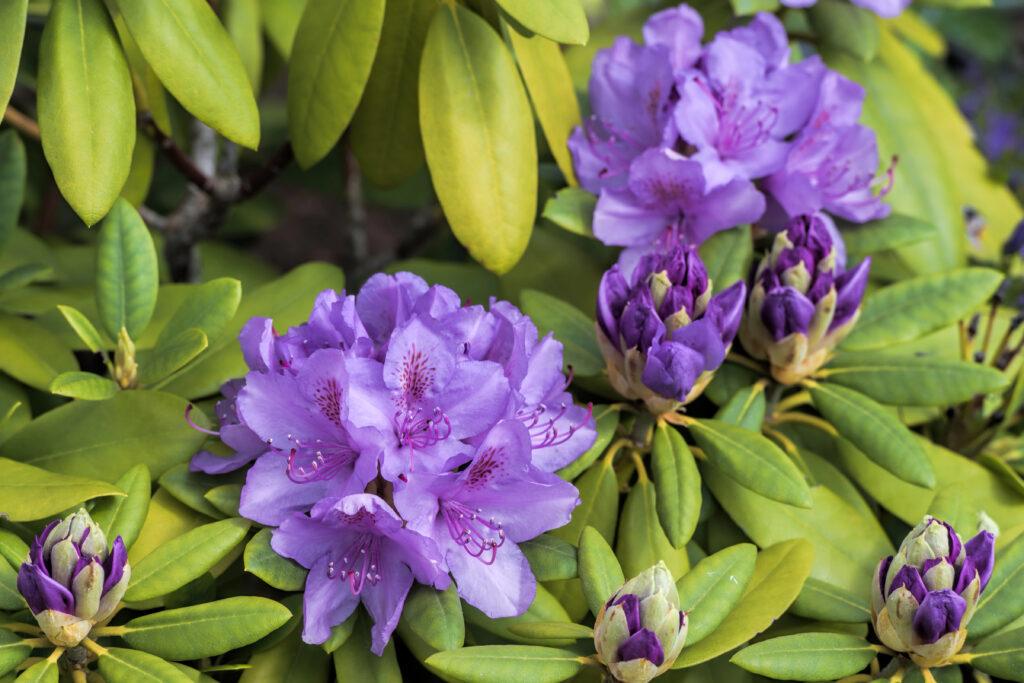
A significant mistake is treating all rhododendrons the same. Young and newly planted specimens are more sensitive because their root systems are not yet well established and they haven’t developed full resilience. Without protection, they can be damaged not only by frost, but also by the weight of wet snow.
On young shrubs, it’s worth tying the branches loosely so they don’t snap. After that, you can protect the whole shrub with white horticultural fleece, which lets light and air through but softens the impact of wind and sharp temperature swings. It’s important to secure the fleece well so the wind can’t pull it off.
Too much care can be just as harmful as none
Some growers make the opposite mistake and overprotect their rhododendron. Unsuitable options include using non-breathable covers or a heavy layer of material that holds moisture directly against the branches. In these conditions, fungal diseases develop easily and the plant can rot during winter.
A rhododendron needs protection from frost and drying out, not to be sealed up without air.
That’s why it’s always better to choose breathable materials and natural protection that helps the shrub without causing it to sweat.
In spring, follow on with the right care
Winter protection isn’t the end of the job. A common mistake is leaving old, soggy mulch in place for too long or removing winter covers too late. Once the risk of severe frost has passed, it’s a good idea to check the shrub, remove any damaged parts, and give it appropriate feeding. A spring inspection will show whether your winter protection was adequate.
If you avoid the most frequent mistakes, you’ll give rhododendrons the best chance to come through winter unscathed. The reward will be healthy foliage, undamaged buds, and abundant spring flowering—the biggest attraction of these shrubs.
Source: Gardening Know How, Gardeno Feaden, Pestrazahrada.cz

A lover of nature, gardens, and everything that moves, blooms, or grows. He literally grows everything, from herbs to rare species, and he enjoys caring for animals just as much. In his work, he connects modern technology with tried-and-tested grandmotherly methods and is happy when both paths lead to the same goal.
Related articles
Healthy Roses Start in Autumn, Collect Fallen Buds and Plan Your First Spring Spray Early
Roses will reward you with stronger growth and better flowering if you start protecting them before problems take hold. Autumn clean-up, timely spring sprays, sensible feeding and deep watering are the keys to hardy, healthy plants.
Why Leave Old Plant Roots in the Bed Instead of Pulling Them Out
Instead of yanking out healthy spent plants, cut them off at soil level and leave the roots to break down in place. It improves soil structure, feeds soil life, and saves time with no downside in most beds.
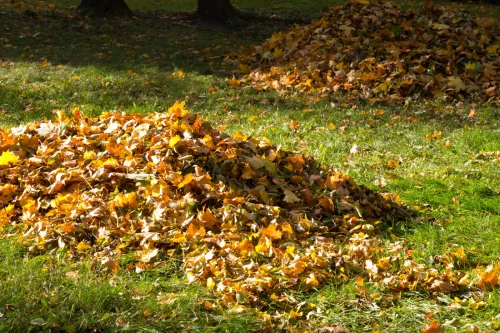
Experienced gardeners don’t throw leaves away and use them in six smart ways
Fallen leaves are a valuable, free resource that feeds soil life, improves structure, and protects plants. Use them as mulch, compost, leaf mould, lawn feed, winter insulation, and wildlife habitat.
Comments (0)
Be the first to comment.