
 English
  Polski
  Deutsch
  Nederlands
  Svenska
  Norsk
Norsk  Dansk
Dansk  Français
  Italiano
  Español
  Português
  Slovenčina
  Suomi
Suomi  Gaeilge
 Aphids Don’t Stand a Chance With These Proven DIY Garden Sprays
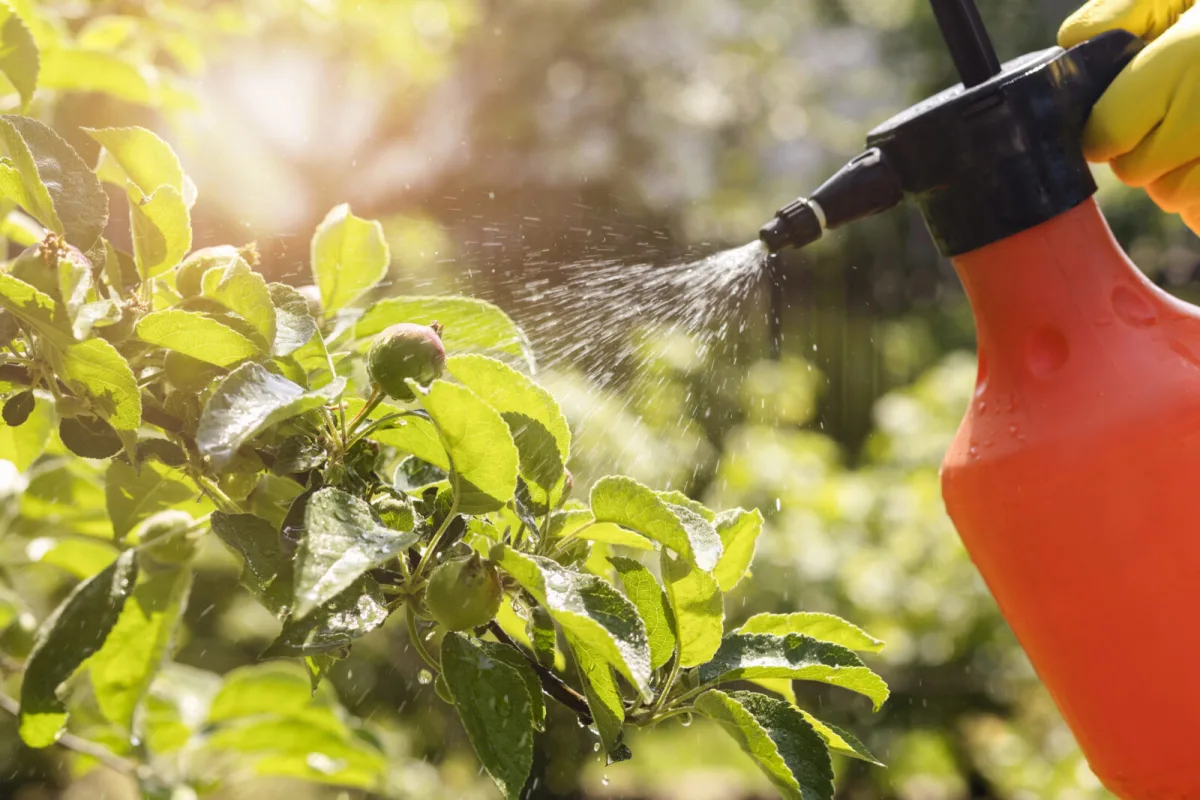
Aphids are among the most common pests we run into in our gardens. It often doesn’t look like they’re creeping in slowly and quietly. On the contrary, in a short time they can attack young shoots, buds, and the undersides of leaves, forming dense colonies. Their rapid spread is helped by their ability to reproduce very quickly, and by the fact that some species are fairly resistant to standard measures.
When aphids weaken a plant, it shows up not only as distorted leaves, a sticky coating, and poorer growth, but also as reduced overall vitality. That’s exactly why it pays to act early, and even without chemical products. Homemade mixes do need repeating, but with regular application they can be surprisingly effective while also being gentler on the surrounding environment.
Garlic solution as simple first aid
One of the most readily available helpers is garlic. Its strong compounds are unpleasant to aphids and can gradually drive them off the plant. The method is easy: crush or finely chop a few cloves and mix them with a glass of water. Let the mixture sit briefly so the active substances release, then use it on the infested areas.
Apply the solution with a fine mister, ideally making sure it reaches the undersides of the leaves, where aphids often sit. A single application usually isn’t enough, so it’s important to repeat the spray at sensible intervals. If things don’t improve, it’s worth trying other homemade options as well.
Vinegar against aphids, but only at the right dilution
Another option is vinegar, known for its versatility. Aphids can’t tolerate the conditions it creates, but you must stick to a safe concentration so you don’t harm the plant itself. A proven ratio is 1:10, meaning one part vinegar to ten parts water. A stronger mix could scorch leaves, especially on more sensitive plants.
Spray the solution onto the affected plants, and the next day it’s a good idea to rinse them off, for example with a gentle shower spray or a watering can. This removes any residue and also washes away some of the weakened pests. As with other homemade methods, you’ll need to repeat the process several times.
A milk spray you can mix in a minute
A very simple option is a spray made from semi-skimmed milk. Mix milk and water at a 1:1 ratio and pour the solution into a spray bottle. It’s quick to apply and works well for outdoor beds as well as balcony plants or container-grown plants.
Check the next day to see how the aphids are responding, and repeat if needed. Repeating is key because homemade mixes usually don’t provide long-lasting control; instead, they steadily reduce pest numbers and help prevent further outbreaks.
Tobacco infusion and coffee grounds as more home tricks
A stronger option is a tobacco infusion. Aphids dislike the intense compounds and smell, which can be useful especially when infestation is heavier. Pour hot water over a small amount of tobacco and let the mixture cool. Then strain the infusion so the spray nozzle doesn’t clog, and apply it to the infested parts of the plant.
Because this method has a strong aroma, it’s best used outdoors or in a well-ventilated space. The effect usually increases with repeat applications and careful coverage of the spots where aphids gather most.
You can also use coffee grounds, which often end up in the bin for no reason. In this case it’s not a spray, but a practical supporting step. Save the grounds and, once you have enough, lightly work them into the surface of the potting mix in containers or sprinkle them over beds where aphids keep appearing. It’s not an overnight fix, but it can help make conditions less comfortable for pests while also putting household waste to good use.
What determines success when fighting aphids at home
With all homemade approaches, regularity and early intervention are crucial. Once a colony has grown, you’ll need to combine methods, treat hidden areas carefully, and plan on repeating applications. But if you start early and stay consistent, you can significantly reduce aphids and protect both your plants and your future harvest without immediately reaching for aggressive chemicals.
Source: Gardening Know How, České stavby, Pestrazahrada.cz

A lover of nature, gardens, and everything that moves, blooms, or grows. He literally grows everything, from herbs to rare species, and he enjoys caring for animals just as much. In his work, he connects modern technology with tried-and-tested grandmotherly methods and is happy when both paths lead to the same goal.
Related articles
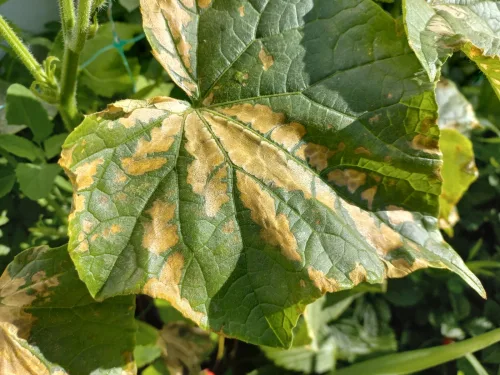
Yellowing cucumber leaves have a clear cause and with the right response plants recover quickly
Cucumber leaves turn pale and yellow when the plant is under stress—most often from watering mistakes, nutrient imbalance, or sudden temperature swings. Spot the pattern early and you can restore growth and protect your harvest fast.
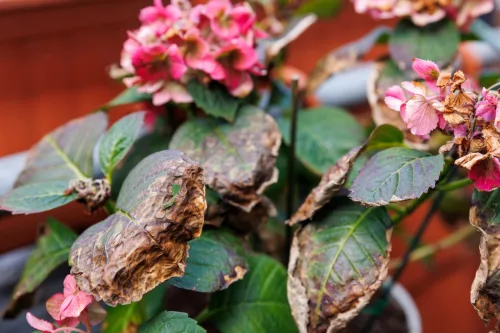
How to Get Browning Hydrangeas Back on Track Without Chemicals
Brown leaf edges or spots on hydrangeas usually point to a simple mismatch in light, watering, or airflow rather than a lost cause. Learn how to read the symptoms and restore your shrub quickly with gentle, practical fixes.
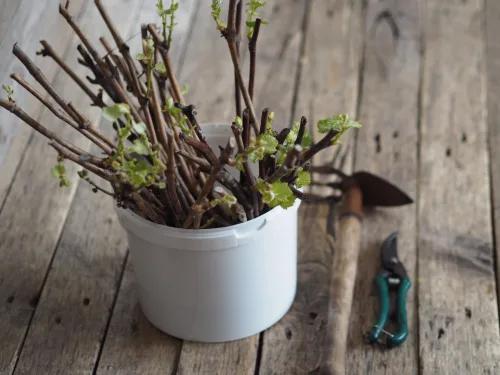
Turn Ground Cinnamon Into a Secret Weapon for Stronger, Tougher Plants
Ground cinnamon isn’t just for baking—it can help protect houseplants and garden plants from mould and fungal issues, support cuttings, and even act as quick first aid for minor wounds. Used lightly, it’s an affordable, gentle, natural add-on to good growing practice.
Comments (0)
Be the first to comment.