
 English
  Polski
  Deutsch
  Nederlands
  Svenska
  Norsk
Norsk  Dansk
Dansk  Français
  Italiano
  Español
  Português
  Slovenčina
  Suomi
Suomi  Gaeilge
 A Yellow Lawn Isn’t Dead It’s Just Defending Itself and the Wrong Move Can Finish It Off
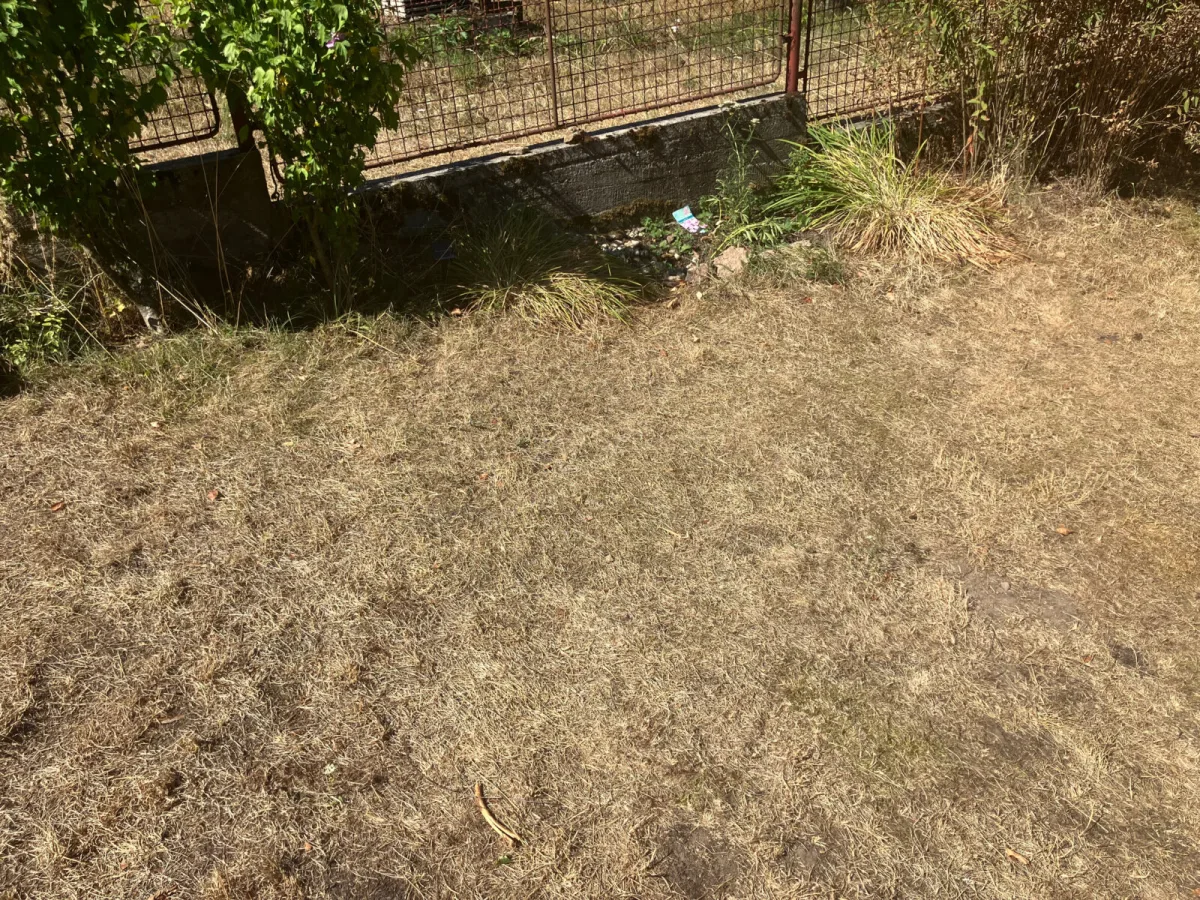
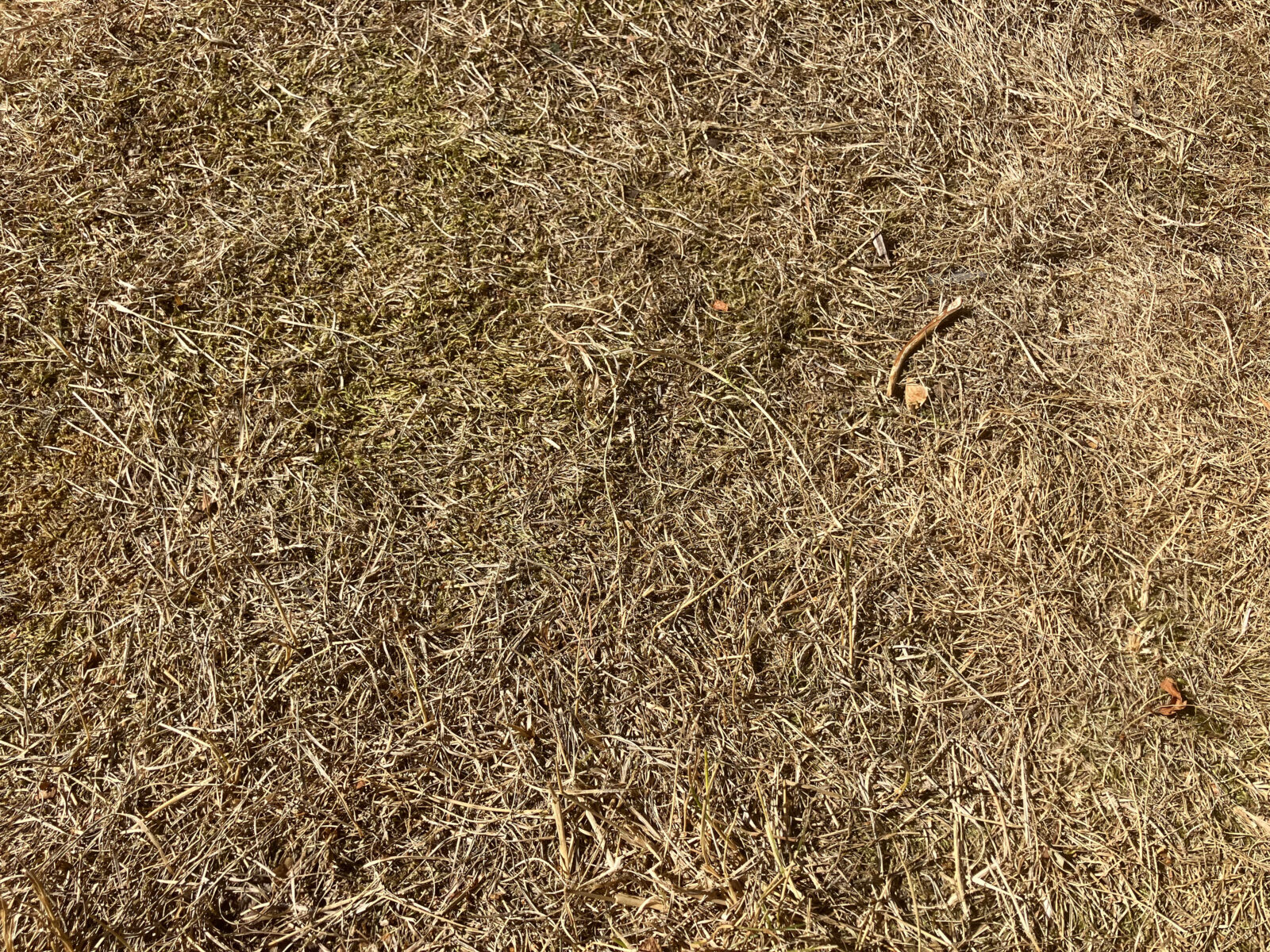
Long heatwaves without rain, harsh sun, frequent foot traffic around the garden, or even a nearby pool can dry out a lawn quickly. When yellow blades appear instead of a rich green sward, along with parched patches or moss in a corner, it usually isn’t a final catastrophe. Grasses often simply shift into summer slowdown, technically summer dormancy. In practice, that means they reduce growth and conserve water to survive a dry spell. At that moment, it’s important not to finish the lawn off with unnecessary, ill-timed interventions.
In the worst heat, it pays not to do anything drastic, because a weakened lawn recovers from it slowly.
First aid during heat that actually relieves your lawn
A higher cut protects roots and soil
In summer, a low, golf-course cut doesn’t pay off. Instead, set the mowing height to roughly 6 to 8 cm. Longer blades shade the soil better, protect the crown and tillering nodes from scorching, and significantly reduce water loss through evaporation. If forecasters are calling for extreme temperatures above 32 °C, it’s better to delay mowing for a few days than to stress the lawn unnecessarily.
Water less often, but deeply, and always in the morning
Frequent, brief sprinkling every day trains the grass to keep its roots right near the surface. But that’s exactly where the soil heats up the fastest, and the roots then suffer. It’s more effective to water about 2 to 3 times a week, but thoroughly, so the water reaches at least 10 to 15 cm deep. As a guide, that’s around 15 to 20 litres per square metre, depending on soil type and temperatures.
Aim watering strictly for early morning, ideally between 4:00 and 7:00. Evening watering in warm weather often creates a muggy, humid environment that encourages summer fungal diseases and moulds.
Stop nitrogen, potassium is more valuable in summer
Don’t feed a drought-stressed lawn with fast-acting, nitrogen-heavy fertilisers meant to push growth. Combined with drought, this can cause scorch and further weakening. During summer stress, supporting the lawn with potassium makes more sense, as it helps strengthen plant tissues and improves water regulation. If you do fertilise, choose products with a higher share of potassium and time the application so the lawn isn’t completely dried out.
When a full renovation makes sense and why it’s best to wait until September
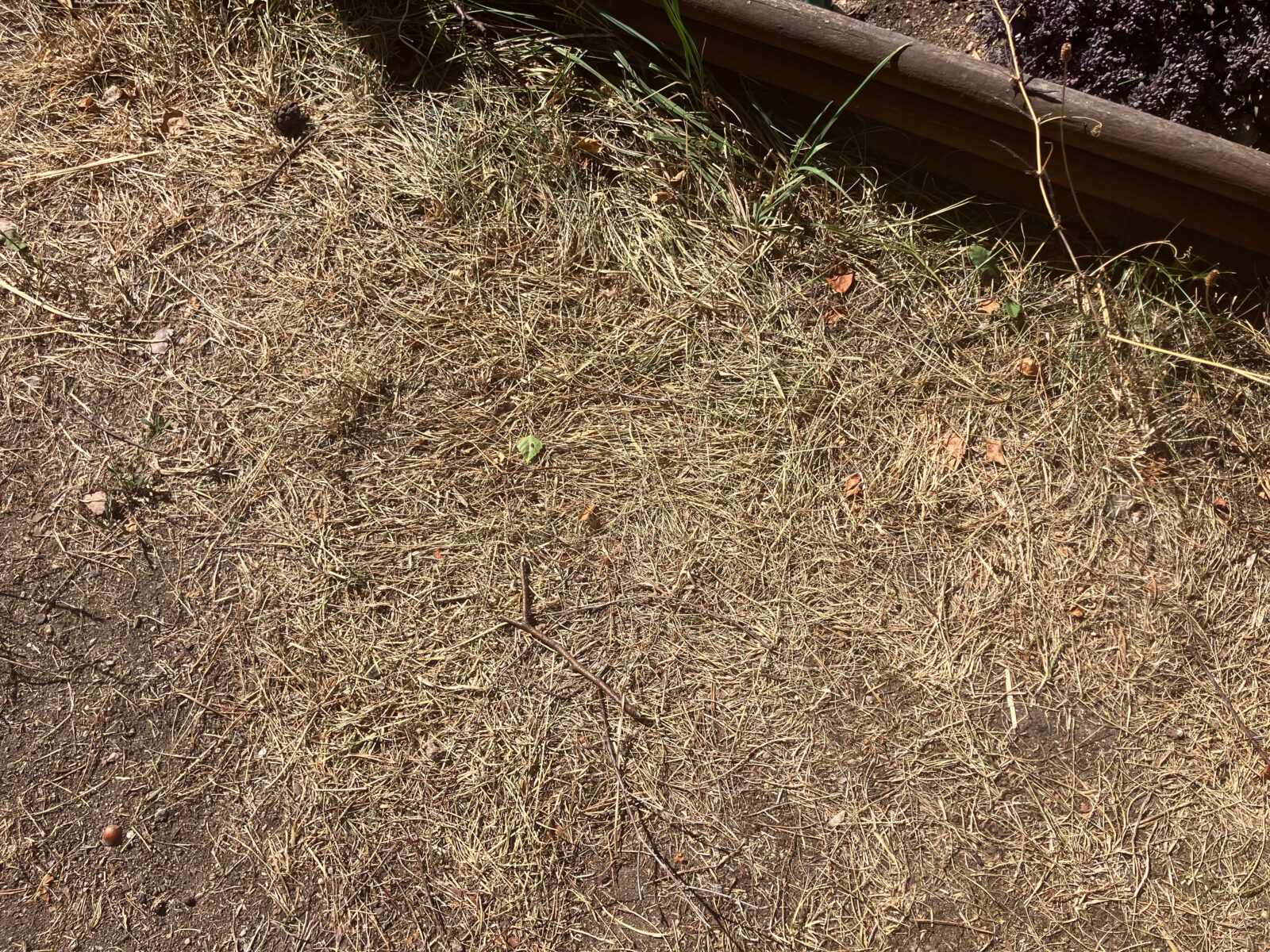
Full regeneration, overseeding, and interventions like scarifying are best left for late summer into autumn, typically from late August through October. By then, nights are cooler, more frequent morning dew helps retain moisture, and the soil is still warm, so seed germinates quickly. In the worst heat, you’d be more likely to finish the lawn off with a scarifier and low mowing.
Autumn restart step by step
Low mowing is done exceptionally, usually not until September, when you can cut the area once at the lowest setting so more air reaches the soil surface ahead of follow-up work.
Scarifying means cutting through the turf lengthways and then crossways. The blades remove the impermeable thatch layer, reduce moss, and also nick the clumps, which encourages tillering and thickening.
Aeration and topdressing with sand are especially useful on heavy, clay soils. Silica sand with a particle size of roughly 0 to 2 mm helps improve water infiltration and aeration of the root zone over the long term. Apply about 2 to 4 kg per square metre, depending on soil condition.
Adding lawn dressing and overseeding addresses bare patches. Overseed them with a lawn repair mix, lightly cover with a thin layer of lawn topsoil at around 5 litres per square metre, then roll the surface so the seed makes good contact with the soil.
Keeping moisture up is crucial after sowing. For 2 to 3 weeks, keep the seeded surface consistently slightly moist with fine misting so germination doesn’t stall even during warmer days.
If you don’t want to water, groundcovers can replace part of the lawn
In areas that bake in full sun all day and where you don’t want to use large amounts of irrigation water, it can be more practical to replace part of the lawn with tough, carpeting groundcovers. These plants typically tolerate drought better and need less upkeep.
Creeping thyme for sun and poorer soils
Wild thyme is ideal for full sun, tolerates gentle foot traffic, and after winter usually only needs cutting back once. It grows to about 5 to 7 cm and in summer produces small purple flowers that attract bees and butterflies. It thrives in drier, free-draining soils.
Stonecrop as an almost maintenance-free carpet
Stonecrops, for example the cultivar Coral Carpet, form an evergreen cover about 5 to 10 cm high. They love sunny sites and lean soils, withstand drought well, and spread quickly. They flower reddish-pink and are suitable for rock gardens, bed edges, and areas where the lawn won’t be watered regularly.
Creeping verbena for a low, green surface
Creeping verbena reaches roughly 3 to 5 cm, copes with dry spells, and can flower for a long time with small white blooms. It forms a dense green carpet and suits sun as well as partial shade. Maintenance is usually minimal if you give it the chance to knit together quickly.
Irish moss for partial shade, where grass often fails
Irish moss is popular where there’s less light and a conventional lawn thins out. It forms a low, dense mat about 2 to 5 cm high and flowers delicately with white blooms. Compared with drought-loving groundcovers, it does need moister soil and occasional aeration so the growth doesn’t rot off.
Waldsteinia for shade and fast ground coverage
Waldsteinia ternata forms carpets in partial shade to full shade, has decorative yellow flowers, and grows to about 10 to 15 cm. It’s evergreen and, once established, can handle drier spells too, making it a good choice under trees or along north-facing walls where grass struggles with low light.
Source: Urob si sám, Gardening Know How, Pestrazahrada.cz

A lover of nature, gardens, and everything that moves, blooms, or grows. He literally grows everything, from herbs to rare species, and he enjoys caring for animals just as much. In his work, he connects modern technology with tried-and-tested grandmotherly methods and is happy when both paths lead to the same goal.
Related articles

The More Often You Harvest, the Longer Plants Keep Cropping
With fruiting vegetables, frequent picking keeps plants flowering and producing for longer. A few crops, such as aubergines, are tastiest when harvested slightly earlier rather than fully mature.
Wasps Aren’t Just a Barbecue Menace They Can Ruin Your Garden Woodwork Too
Weathering isn’t always the main culprit behind damaged outdoor timber. Wasps can scrape fibres from boards and beams surprisingly fast, leaving grooves that soak up water and accelerate decay.
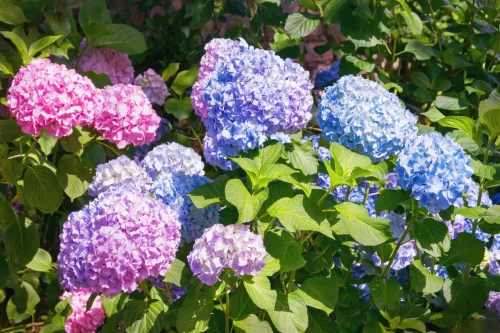
Why hydrangeas wilt in summer even when watered and how to save them fast
Hydrangeas can look limp in hot weather even if you’ve been watering faithfully. The key is to check what’s happening in the root zone, then adjust watering, shade and mulching so the plant can actually use the moisture available.
Comments (0)
Be the first to comment.