
 English
  Polski
  Deutsch
  Nederlands
  Svenska
  Norsk
Norsk  Dansk
Dansk  Français
  Italiano
  Español
  Português
  Slovenčina
  Suomi
Suomi  Gaeilge
 A Proven Weed Control Method Without Chemicals Anyone Can Do
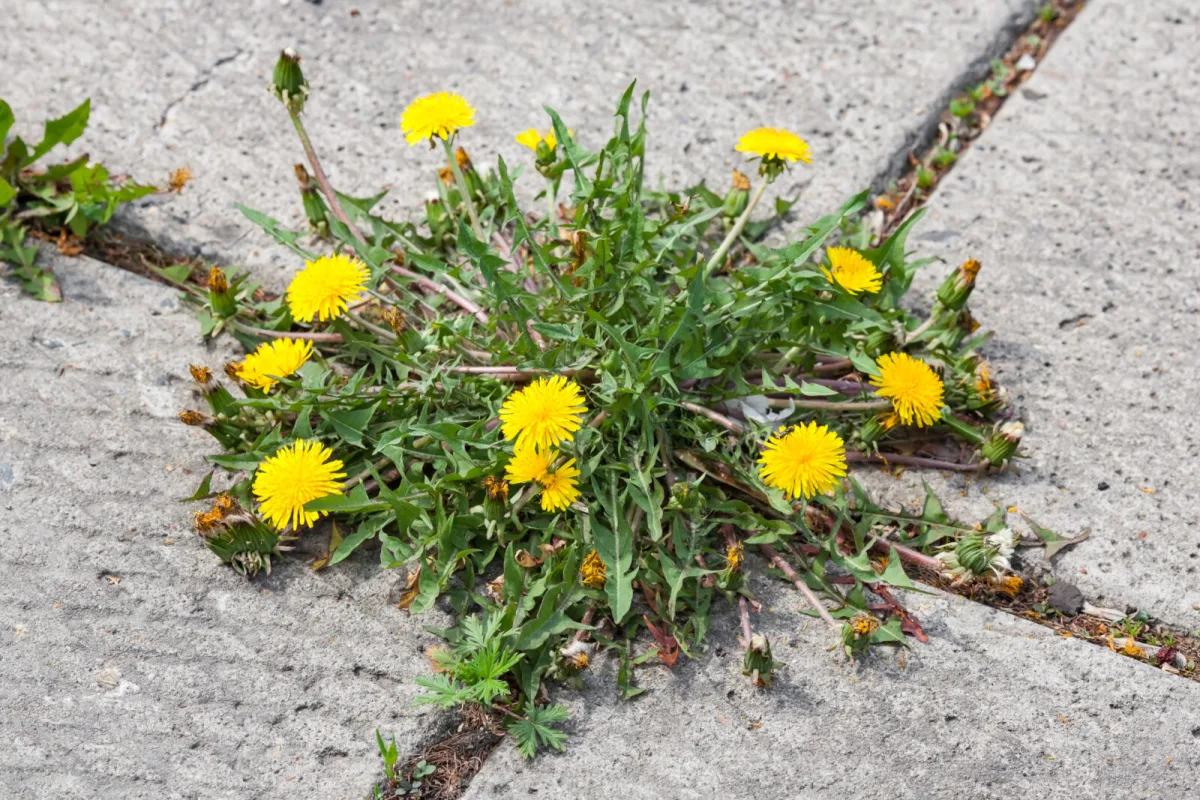
Weeds can make garden maintenance miserable even for people who normally manage routine upkeep without any trouble. They’re hardest to remove where they thrive in narrow joints and between stones in gravel, on a driveway, or around a patio. In places like that, pulling is time-consuming and often ends with the plants reappearing soon after. That’s why many people reach for strong chemical sprays—but there’s a simpler, gentler approach that costs next to nothing.
A simple solution you already have at home
A quick natural alternative that works well is plain hot water—ideally boiling. The principle is surprisingly simple. Extreme heat scalds the plant, damages its tissues, and greatly reduces its ability to keep growing. It doesn’t just affect the top growth; over time it also weakens the root system, so the weed stops regrowing as aggressively as before.
This method is best for gravel and for areas where you don’t want to use chemicals. In practice, the difference can be visible very quickly—often within moments of pouring, when the plant starts to wilt and collapse. That’s why people describe this method as something that can start working in roughly thirty seconds.
How to do it for the best results
Fill a kettle with water, bring it to a boil, then carefully carry it to where the weeds are growing. Pour the water slowly directly onto the plant and the area around it so the heat reaches as close as possible to the base and the points it’s sprouting from. With weeds between stones, the advantage is that the water can seep into the gaps where the roots are anchored.
This isn’t a trick that requires any special tools. What matters more is accuracy and a calm approach, because you’re working with boiling water. When you pour precisely, you minimize the risk of damaging anything you don’t want to harm.
Expect to repeat it—the root won’t give up straight away
Boiling water has one drawback that’s only fair to mention. With tougher weeds, one application may not mean the end for good. You often need to repeat the process several times until the main root dies. In some cases, that can mean around three to four treatments, depending on how robust the plant is and how deep it’s rooted.
The practical rule is simple. As soon as new leaves appear after a few days or a week, pour boiling water over them again. With each scalding, the plant will usually be weaker, growth will slow, and shoots will be less vigorous, until it finally stops coming back altogether.
Where it’s better not to use this method
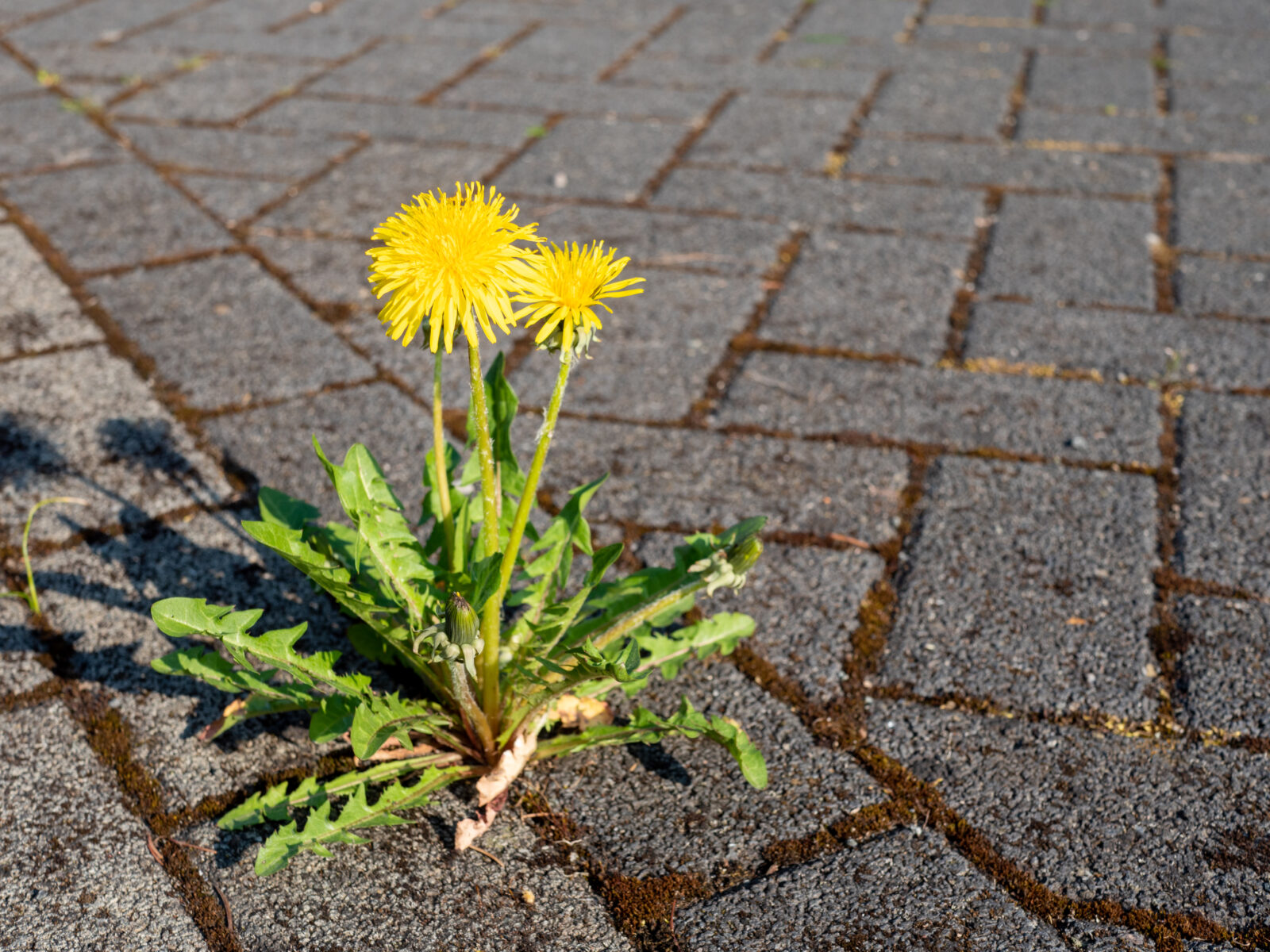
Boiling water is non-selective—it doesn’t just kill weeds, but anything green it touches. So don’t use it near a lawn, ornamental flowers, herbs, or young plantings. The same caution applies around beds where the heat could transfer to the roots of plants you want to keep. If weeds are right next to ornamentals, it’s safer to choose mechanical removal or a more targeted method.
Boiling water is quick and cheap, but you have to use it precisely and away from places where it could scorch plants you want to keep.
Garden experience shows it can work surprisingly fast
Gardeners who have tried this approach often mention that the effect is visible almost immediately. They also note that it’s a better option where you don’t want to use chemical products—for example, because of pets or children moving around the yard and patio. Some also say hot water can help in places where ants are active, because high temperatures disrupt the conditions they prefer.
If you’re tired of fighting weeds in gravel and don’t want to burn them off with vinegar or salt, boiling water is a straightforward way to act quickly, cheaply, and without unnecessary additives. The key is to work carefully and to be patient with repeat treatments until the root is gone, too.
Source: Zahrádkár, Před Minutou, Pestrá zahrada, Pestrazahrada.cz

A lover of nature, gardens, and everything that moves, blooms, or grows. He literally grows everything, from herbs to rare species, and he enjoys caring for animals just as much. In his work, he connects modern technology with tried-and-tested grandmotherly methods and is happy when both paths lead to the same goal.
Related articles
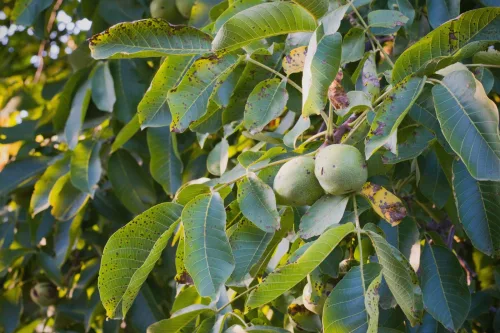
Why the Tree That Feeds a Family for Generations Is Disappearing from Czech Gardens
The English walnut used to be a staple of larger gardens and farmyards, valued for its nutritious nuts and many practical uses. With the right site and variety, it remains one of the most rewarding long-lived trees you can plant.
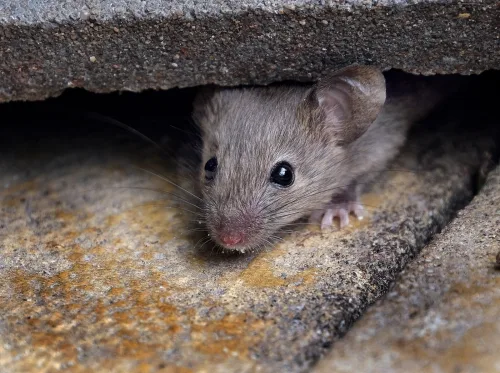
How to Get Rid of Mice and Rats in the House, Loft and Garden Effectively
Mice and rats don’t leave quietly—scratching sounds, droppings and gnaw marks are clear warnings. A lasting solution comes down to three steps: block entry points, remove food sources, then use traps or professional control.
Two Mistakes When Harvesting Onions Can Cut Your Supply by Months
With good growing and the right handling, onions can turn into a near year-round pantry staple. These simple harvest and curing steps determine whether they keep for weeks or for months.
Comments (0)
Be the first to comment.