
 English
 Polski
 Deutsch
 Nederlands
 Svenska
 Norsk
 Dansk
 Français
 Italiano
 Español
 Português
 Slovenčina
 Suomi
 Gaeilge
When to Plant Winter Garlic and How to Tell When the Soil Is Cold Enough
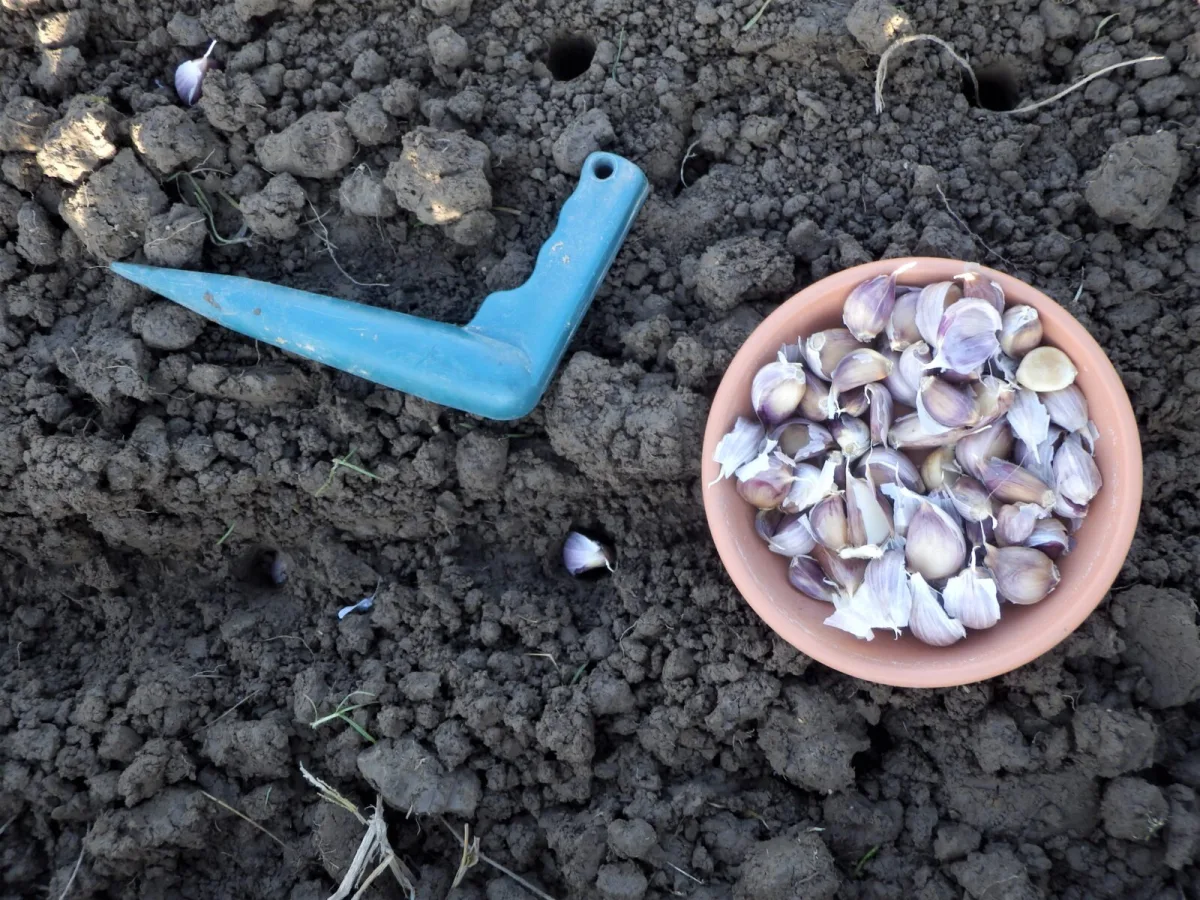
Winter garlic is one of those crops where success hinges mainly on planting at the right time. Unlike most vegetables, you don’t plant it by the calendar, but by soil temperature. If you plant too early, the cloves may start growing before winter or get hit by fungal diseases. If you leave planting too late, they won’t have time to root properly before a hard freeze.
Why garlic is planted in autumn
Winter varieties have a long growing season which, according to Helena Stavělíková from the Crop Research Institute, runs roughly from October or November through to July. Autumn planting allows the cloves to form roots before winter so they can immediately take advantage of stored moisture in the soil in spring.
The second reason is cold. According to the University of Nebraska–Lincoln, dormant cloves and young plants need to go through a period of temperatures between 0 and 10 °C for one to two months, otherwise the bulb won’t form properly. This phase is called vernalisation, and a Czech winter provides it naturally.
The key threshold is around 9 to 10 °C
Czech experts agree on a simple rule. You shouldn’t start planting until the soil temperature has consistently fallen below 9 °C. Helena Stavělíková from the Crop Research Institute and garlic breeder Ing. Václav Kozák both state this. Kozák also explains why this threshold matters so much: in warmer soil, cloves are attacked by Fusarium and, according to his 2010 text, there is no effective seed treatment, so the only real defence is late planting.
According to Ing. Václav Kozák, the best planting time is the day before the soil freezes.
International sources give practically the same threshold. South Dakota State University (SDSU) Extension recommends waiting until the soil cools to 50 °F, i.e. 10 °C, at a depth of roughly 10 cm. American grower Pam Dawling describes the same rule in Growing for Market and adds that the temperature should be measured at 9 a.m. If autumn is unusually warm, she advises waiting another week.
On the TV programme Receptář prima nápadů, the ideal soil temperature was given as 6 to 10 °C. According to the programme, soil at this temperature will still let the cloves root, but they won’t push growth above the surface and will hold until spring.
What happens if you plant too early
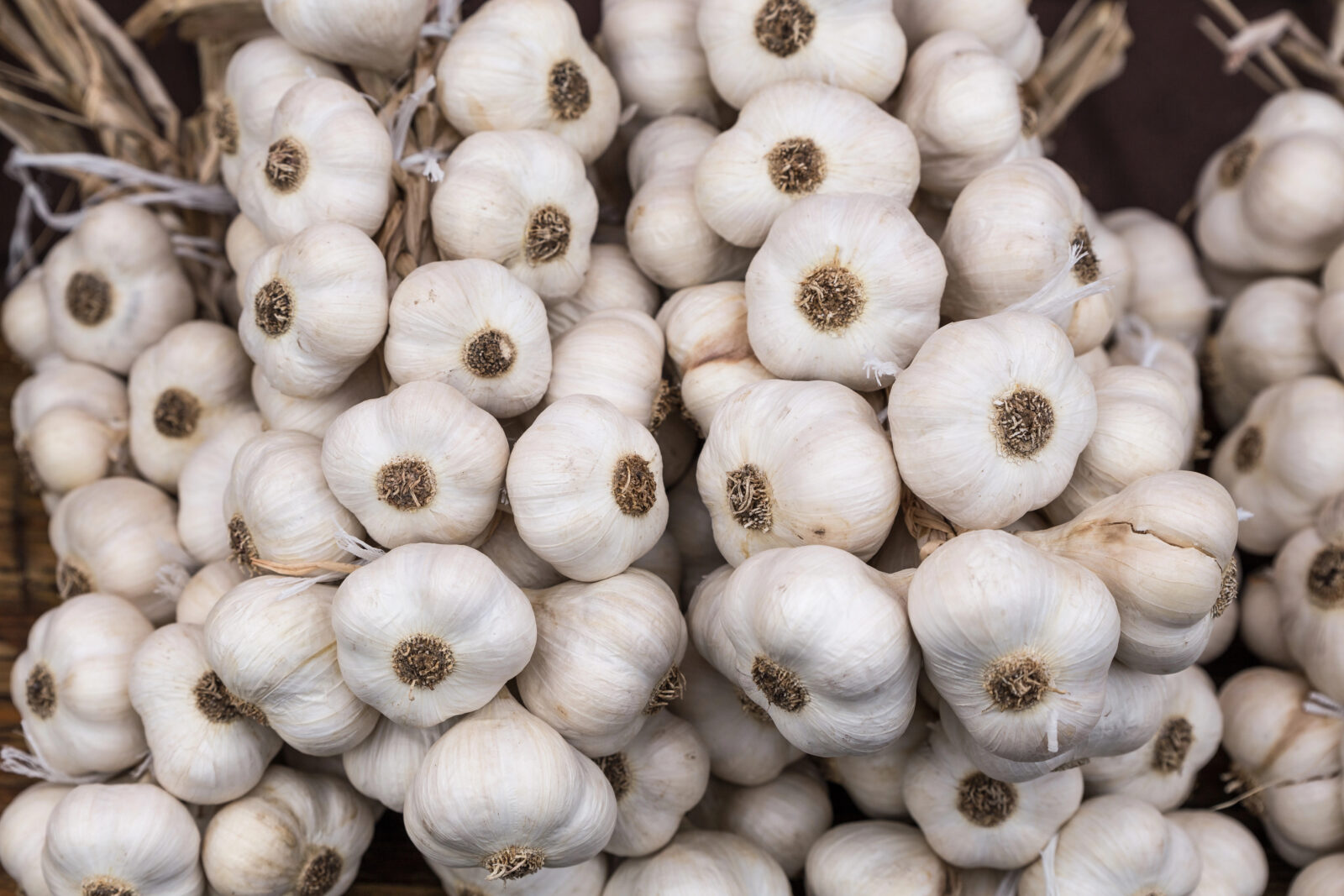
Warm soil encourages cloves into rapid growth. The Czechéstavby.cz website notes that garlic shouldn’t start sprouting before spring, and if you plant it as early as September at a depth of just 4 cm, it will sprout. Early and shallow planting therefore doesn’t pay off. The top growth produced in autumn is also exposed to frost. University of Minnesota Extension warns that planting too early can lead to frost damage if shoots emerge above ground before winter.
What happens if you plant too late
The opposite risk is insufficient rooting. Pam Dawling states that when planting is too late, not enough roots form before winter, which leads to poorer plant survival and smaller bulbs. Czech sources therefore recommend planting as late as possible, but still while the soil is not frozen and the cloves can establish.
How to tell when the soil is cold enough
Measure it with a soil thermometer
The most reliable method is a basic soil thermometer pushed into the bed. It’s recommended to measure at around 10 cm deep, roughly where the cloves will sit. According to the GrowVeg website, it’s best to measure in the morning between 9 and 10 a.m. The key word is consistently: one cold morning doesn’t mean much, the temperature should stay below 9 °C repeatedly for several days in a row.
Use data from the Czech Hydrometeorological Institute
If you don’t have a thermometer, you can use public data. The Agropočasí portal, run by the Czech University of Life Sciences using data from the Czech Hydrometeorological Institute, makes it possible to track soil temperature retrospectively at depths of 5 and 10 cm for individual cadastral areas. The value from 10 cm depth is the most useful for deciding when to plant garlic.
Use the first frosts as a guide
The first harder frosts can also serve as a rough guide. University of Minnesota Extension recommends planting usually one to two weeks after the first frost that blackens tender plants, and SDSU gives a range of one to three weeks. However, this is only a rule of thumb. The timing should always be decided by actual soil temperature, not a date on the calendar.
How to plant garlic correctly
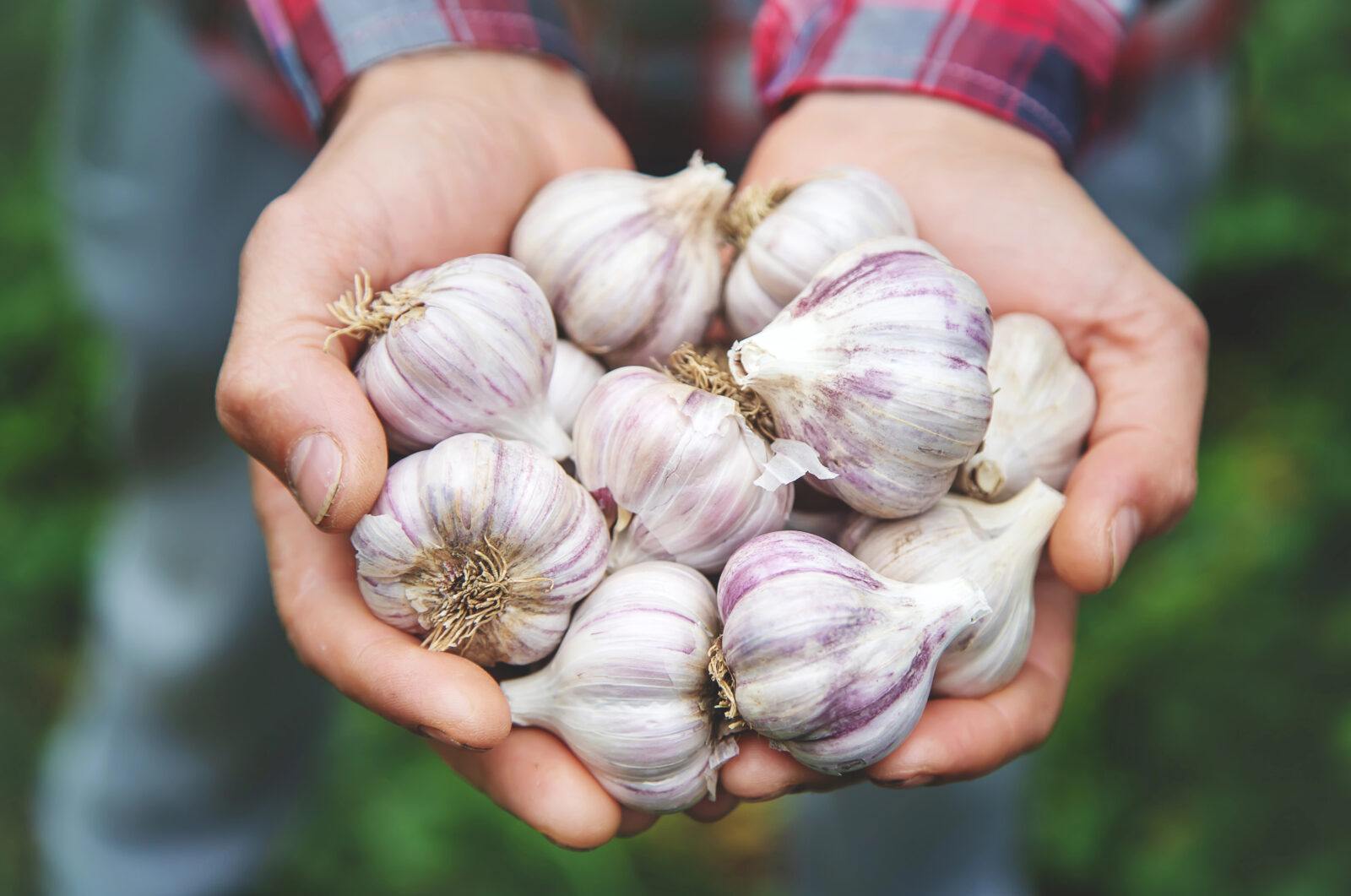
It’s best to prepare the soil in advance. Helena Stavělíková recommends digging it over to a depth of 30 cm at least a month before planting so it has time to settle. Garlic does best in warm, humus-rich loamy soils with a pH of 6.5 to 7.2. Heavy, cold soils with a high groundwater level are unsuitable.
Split the bulbs into cloves only shortly before planting. Plant cloves 5 to 8 cm deep depending on size, spaced 8 to 12 cm apart in the row, with row spacing between 25 and 60 cm depending on the system used. The base of the clove should sit directly on the soil. For that reason, Stavělíková does not recommend using a dibber. It’s best to plant only healthy, undamaged stock, which can be treated before planting against fungal diseases.
What to do after planting
Once planted, garlic needs little care until spring. According to the Crop Research Institute, winter garlic overwinters well in our conditions, especially in years with a snow cover. International sources recommend mulching the bed with straw or chopped leaves to buffer swings in soil temperature. In spring, as soon as the soil warms, the plants quickly pick up from the roots formed during autumn.
Source: VÚVR, Zahrádkáři, SDSU Extension, GrowVeg, Pestrazahrada.cz

A lover of nature, gardens, and everything that moves, blooms, or grows. He literally grows everything, from herbs to rare species, and he enjoys caring for animals just as much. In his work, he connects modern technology with tried-and-tested grandmotherly methods and is happy when both paths lead to the same goal.
Related articles
Plant Garlic Now Cool Soil Protects It From Rot Depth and One Small Mistake Matter
November may be quieter in the garden, but it’s prime time to prep beds and plant garlic. Cooler soil helps reduce rot, and correct planting depth plus good technique make all the difference.
When to Plant a Cherry Tree in Your Garden for Strong Roots and Heavy Crops
Cherry trees establish best when planted during dormancy, either in autumn after leaf fall or in early spring before bud break. The right timing depends as much on soil and weather conditions as it does on the type and quality of the young tree.
When to Plant a Butterfly Bush for Heavy Bloom and Better Winter Survival
Butterfly bush (Buddleja davidii) rewards you with months of flowers when it’s planted at the right time. Spring planting is usually the safest choice, giving the shrub time to root well before winter.
Comments (0)
Be the first to comment.