
 English
 Polski
 Deutsch
 Nederlands
 Svenska
 Norsk
 Dansk
 Français
 Italiano
 Español
 Português
 Slovenčina
 Suomi
 Gaeilge
When to Buy a Poinsettia So It Lasts Until Christmas
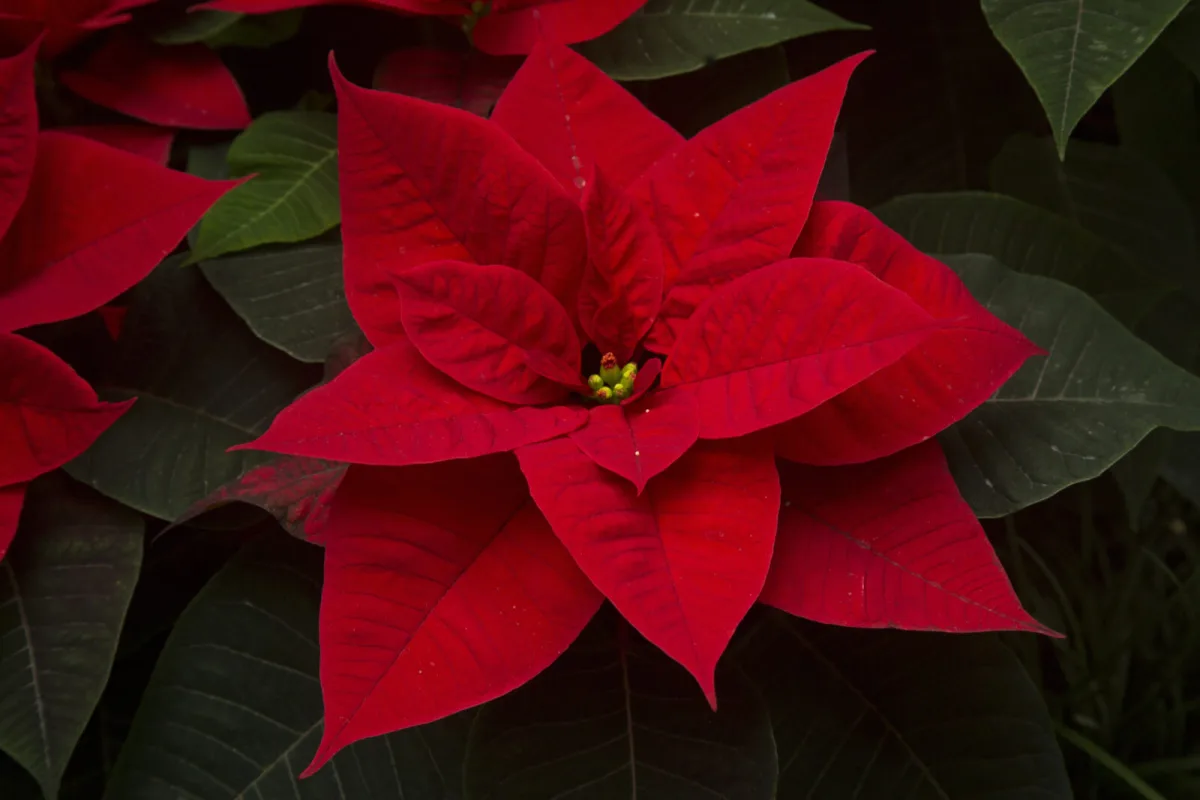
The poinsettia is one of the most iconic Advent plants, but how long it lasts at home is often influenced by the purchase itself. Many people bring one home too early and then wonder why it loses vigour before the holidays, starts dropping leaves, or its bold colouring doesn’t hold. The most suitable time to buy one is usually at the end of November, roughly from the second half of the month through the start of Advent.
If you buy the plant back in October or at the beginning of November, its condition may gradually decline before the holidays even arrive. But leaving the purchase to the very last minute isn’t ideal either. The plant may not have enough time to properly acclimatise at home and show the full beauty of its coloured bracts.
The biggest threat is cold
Poinsettias come from warmer regions, so they cope poorly with low temperatures and cold draughts. The trip home from the shop is often the critical moment. If you carry it outdoors without protection, it can suffer temperature shock, and the effects can show up very quickly. Leaves may start dropping within just a few days.
After buying, it’s important to wrap the plant well in paper or foil and protect it from cold and wind. At home, choose a spot away from the front door, frequently opened windows, and radiators. It does best in a bright position out of harsh sun, ideally at around 20 to 22 0b0C.
Care after you bring it home
When you get home, it’s not a good idea to start watering immediately. The plant needs time to adjust to its new environment. The compost should stay only lightly moist, never waterlogged. Poinsettias hate standing in water, so it’s better to water carefully with a smaller amount of room-temperature water. Whatever remains in the saucer after a short while should be poured away.
Dry indoor air can also be an issue. It can contribute to leaf drop and a general weakening of the plant. Gently increasing humidity around it, or placing a container of water nearby, can help.
For good colour, it needs darkness
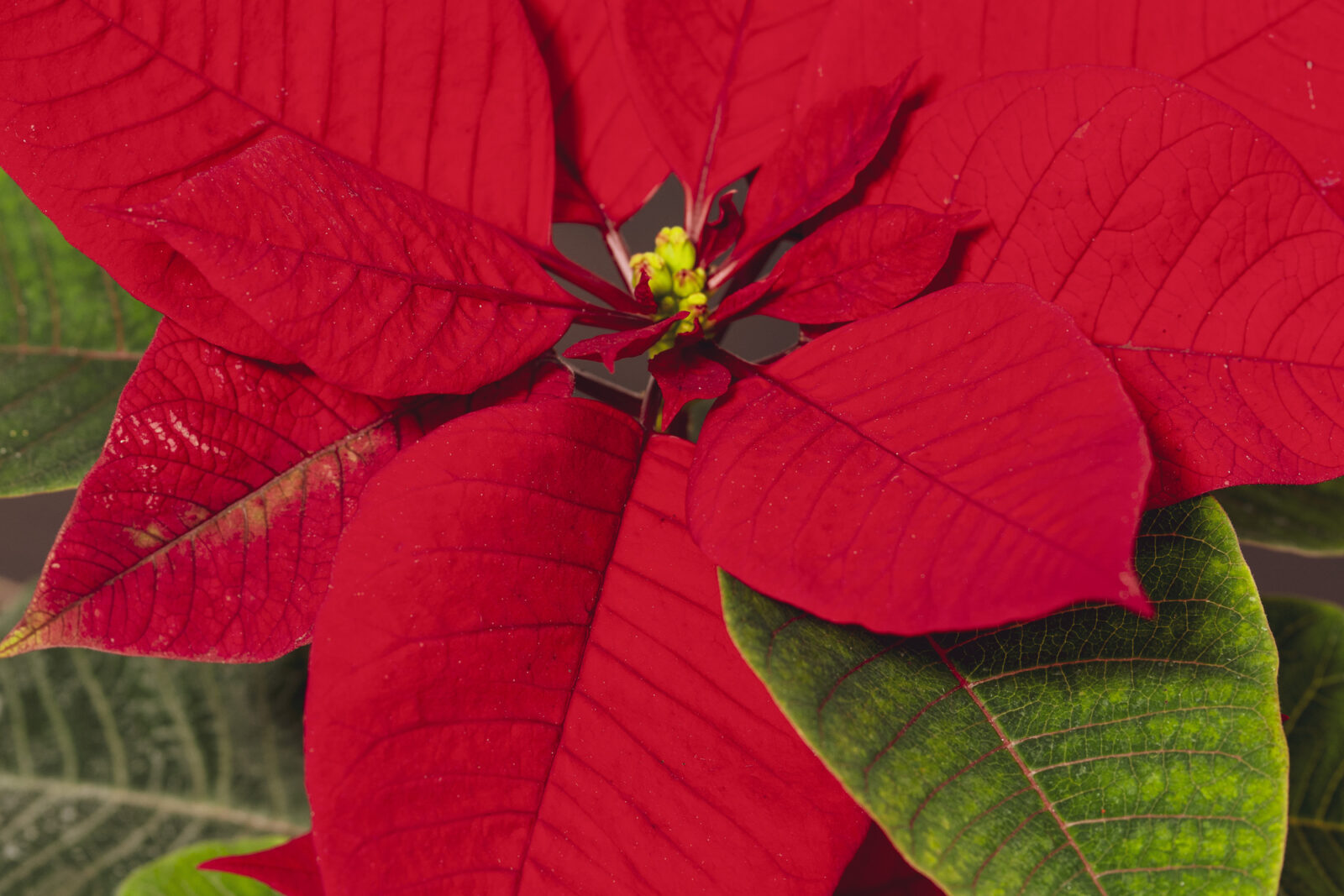
Few people realise that the red parts of a poinsettia aren’t flowers, but bracts that change colour depending on the length of light and darkness. If the plant is often exposed to lights in the evening or sits in a room with artificial lighting, it may not colour up properly. That’s why a regular day-and-night rhythm matters.
From mid-November, it benefits from a longer night period of darkness, about 12 to 14 hours. You can achieve this by covering it with a box, for example, or moving it to a room where lights aren’t used in the evening. After around two weeks of this routine, the colour can become stronger and more festive.
Feeding and a longer life after the holidays
During the season, you can add a fertiliser for houseplants or flowering plants to the watering roughly once a month. While the bracts are colouring up, it’s better to go easy on feeding. In the period of renewed growth, feeding can be a little more frequent.
The fate of a poinsettia is often decided not by its quality in the shop, but by how you protect it on the way home and where you place it on day one.
If you give the plant warmth, calm conditions, moderate moisture, and protection from draughts, it will stay beautiful not only until Christmas but often for many weeks afterwards. And there’s no need to throw it away after the holidays. With patient care, it can keep growing and delight you again next season with its typical festive look.
Source: Martha Stewart, RHS, Shifting Roots, Pestrazahrada.cz

A lover of nature, gardens, and everything that moves, blooms, or grows. He literally grows everything, from herbs to rare species, and he enjoys caring for animals just as much. In his work, he connects modern technology with tried-and-tested grandmotherly methods and is happy when both paths lead to the same goal.
Related articles
You Can’t Do Everything on Your Own Garden Four Situations Where Simple Neglect Becomes a Costly Mistake
A garden may feel like a private world, but it still comes with legal responsibilities. Neglected weeds, burning green waste, invasive plants, or unmanaged boundary trees can all lead to complaints and hefty fines.
Ten smart companion plants for peppers that naturally boost healthy growth and higher yields
Sweet or hot peppers thrive with the right neighbours. Companion planting can reduce pest pressure, support healthier growth, and often deliver a heavier harvest—without relying on unnecessary chemicals.
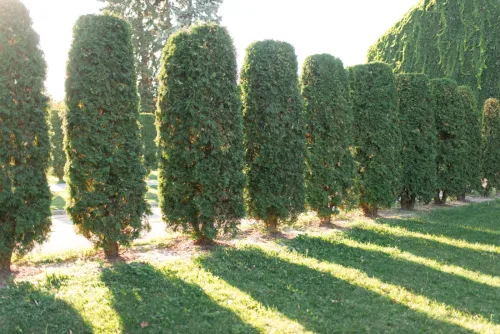
Cutting Down Thuja in Your Own Garden You Could Face a Fine of Tens of Thousands if You Don’t Check One Key Detail
Many homeowners assume they can remove trees and hedging on their own land without restrictions. But even common thuja can fall under rules that require notification or a permit, and the fines for getting it wrong can be steep.
Comments (0)
Be the first to comment.