
 English
  Polski
  Deutsch
  Nederlands
  Svenska
  Norsk
Norsk  Dansk
Dansk  Français
  Italiano
  Español
  Português
  Slovenčina
  Suomi
Suomi  Gaeilge
 When Cucumbers Struggle, Yeast Fertiliser Helps Strengthen Plants and Boost the Harvest
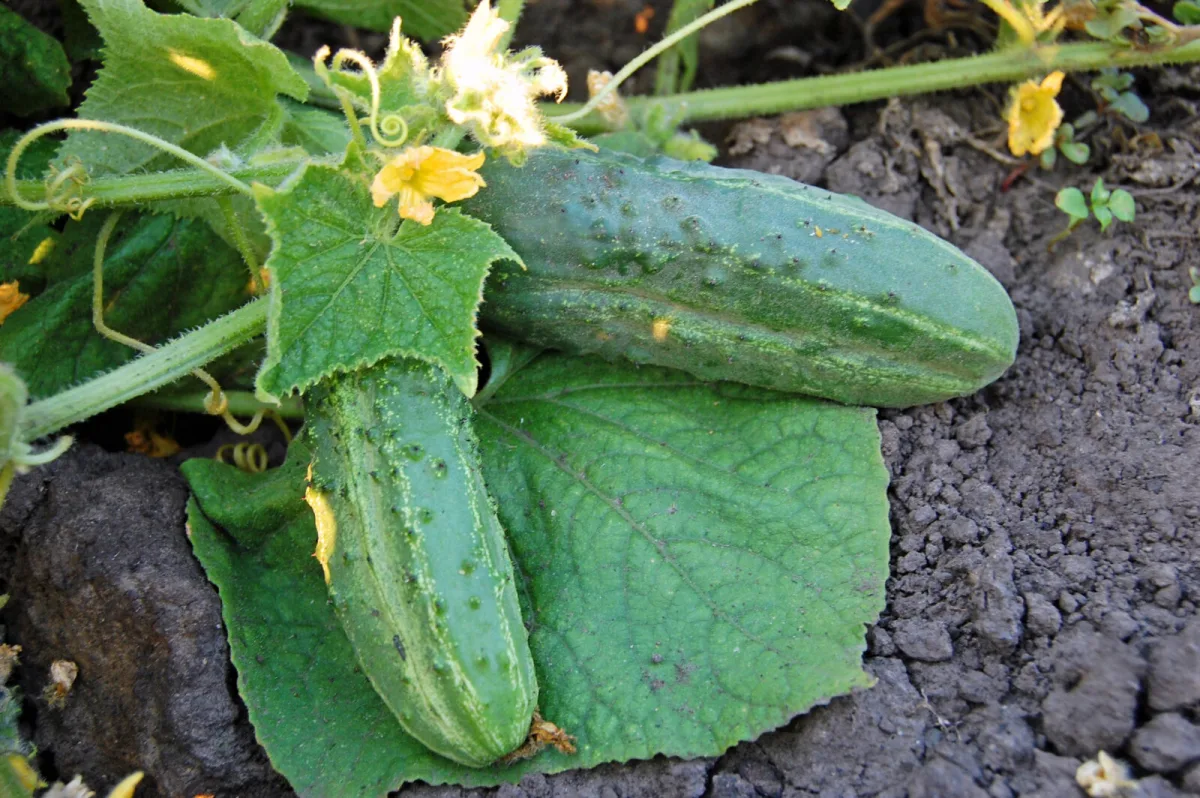
Cucumbers are among the crops that need a steady supply of nutrients and stable conditions. When something is off, growth easily slows, leaves can turn pale, and flower and fruit set is often weaker. Many growers notice that just a few cooler nights are enough for plants to virtually stop, as if they’ve stopped working altogether.
Cucumbers are particularly temperature-sensitive. As soon as night-time temperatures drop below about 10 °C, they can slow down or temporarily stop growing. In extreme cases, prolonged cold can harm them so much that plants begin to decline. It’s exactly at times like these that it pays to give them a boost that helps kick-start vitality and improve the condition of both the roots and the top growth.
A natural feed that often leaves foliage a deep green
Gardeners often reach for a simple homemade fertiliser made from yeast, used as a nourishing liquid feed. With regular use, cucumbers typically bulk up faster, flower better, and start setting fruit earlier. In practice, people also like that the plants look sturdier and generally healthier.
With good care and repeated use of this feed, some growers report that yields can increase noticeably, and under ideal conditions even several-fold.
What you’ll need for the yeast base
You only need a few everyday ingredients. Prepare 1 litre of warm water, plus 1 tablespoon of dried yeast and 1 tablespoon of granulated sugar. Warm water matters because it helps the yeast activate properly. The sugar acts as a simple starter to get the process going.
Preparing the solution step by step
Pour warm water into a 1-litre container. Then slowly add the tablespoon of dried yeast and stir thoroughly. Next add the tablespoon of sugar, stir again, and set the mixture somewhere warm out of direct sun. Leave the solution to stand for about 2 hours so it can activate.
After that time, stir the mixture again and dilute it with 5 litres of water. The water shouldn’t be cold; room temperature is ideal. After another good stir, you’ll have a nutritious base that can be adjusted into a feed for applying directly to the plants.
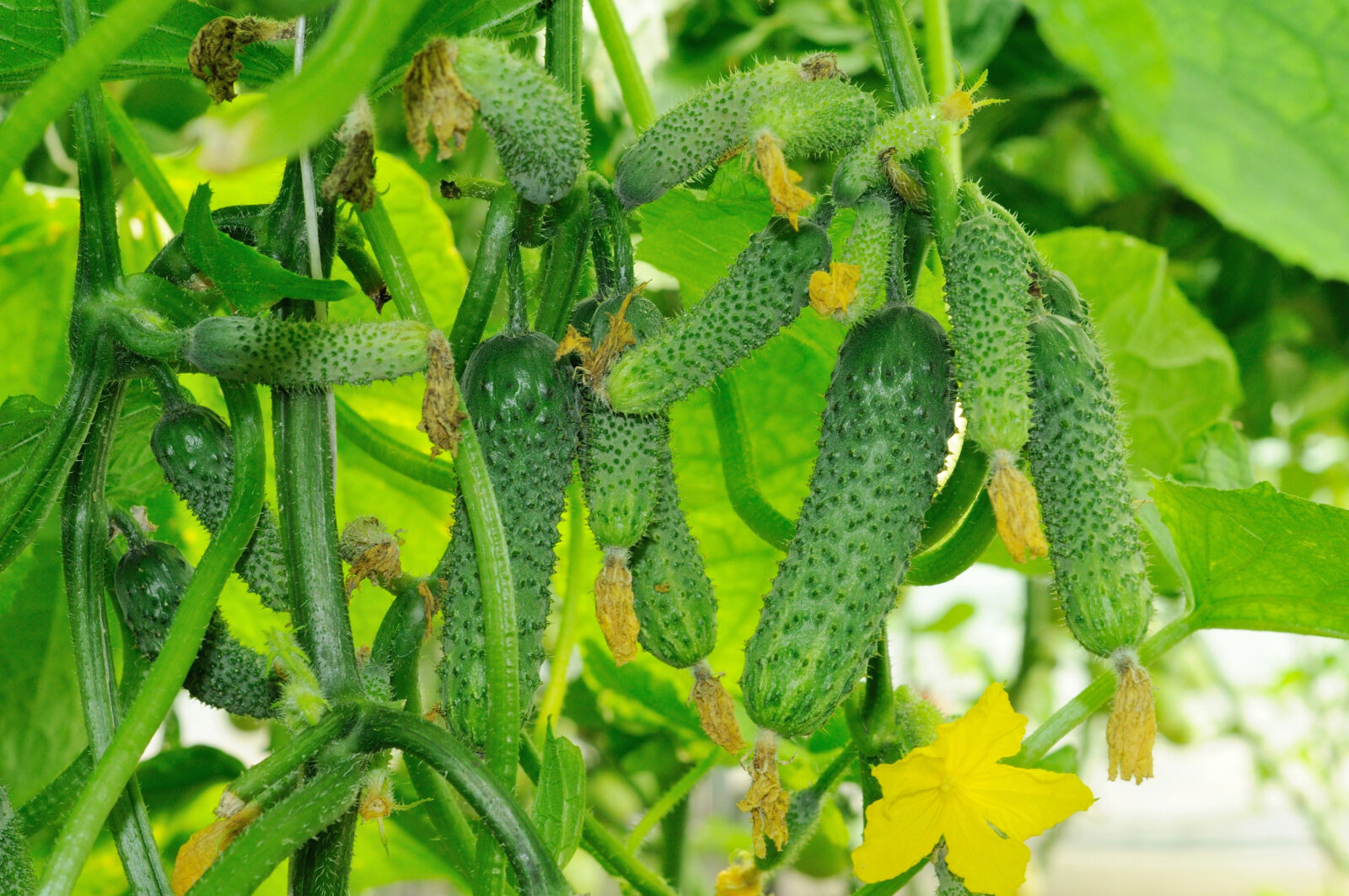
Correct dilution and application for each plant
Before you start using the feed, it’s important to water the cucumbers first with lukewarm water. The soil needs to be properly moist beforehand, because nutrients are absorbed less effectively in dry compost or soil and the effect can be weaker.
For use, it works well to make a larger final volume. Take 1 litre of yeast concentrate and pour it into 10 litres of warm water, then mix well. Then pour roughly 1 litre of this feed around each plant. Applied this way, it supports growth and flower production, which can show up as quicker cucumber set.
Useful for other warm-season seedlings too
An advantage of this homemade mix is that in the early stages of growth it can be used in the same ratios for other crops as well. Growers also try it on pepper, aubergine and tomato seedlings, where it can help strengthen growth and overall vigour. As always, the best results come alongside warm conditions, regular watering, and sensible feeding adjusted to how the plants look.
Source: RHS, Gardening Know How, To je nápad, Pestrazahrada.cz

A lover of nature, gardens, and everything that moves, blooms, or grows. He literally grows everything, from herbs to rare species, and he enjoys caring for animals just as much. In his work, he connects modern technology with tried-and-tested grandmotherly methods and is happy when both paths lead to the same goal.
Related articles
Next year you can harvest better if you don’t sow carrots where they won’t thrive
Carrot root fly can ruin carrots, parsley and celery from the inside out, often without obvious warning until harvest. Better site choice, rotation, later sowing and simple physical barriers can dramatically cut damage next season.

How to Propagate Roses from Cuttings at Home and Fill Your Garden with Blooms Almost for Free
Want more roses without paying for new plants? With a few healthy cuttings and a simple plastic-bottle mini greenhouse, you can root new bushes at home in just a few weeks.
Heathers can cope where other plants won’t, but one soil detail decides everything
Heathers and heaths are tough evergreen shrubs that can flower across the seasons when you choose the right types. Success hinges on matching the plant to your soil pH and ensuring free drainage.
Comments (0)
Be the first to comment.