
 English
  Polski
  Deutsch
  Nederlands
  Svenska
  Norsk
Norsk  Dansk
Dansk  Français
  Italiano
  Español
  Português
  Slovenčina
  Suomi
Suomi  Gaeilge
 Water Selected Plants with Milk for a Bigger Harvest Without Harsh Chemicals
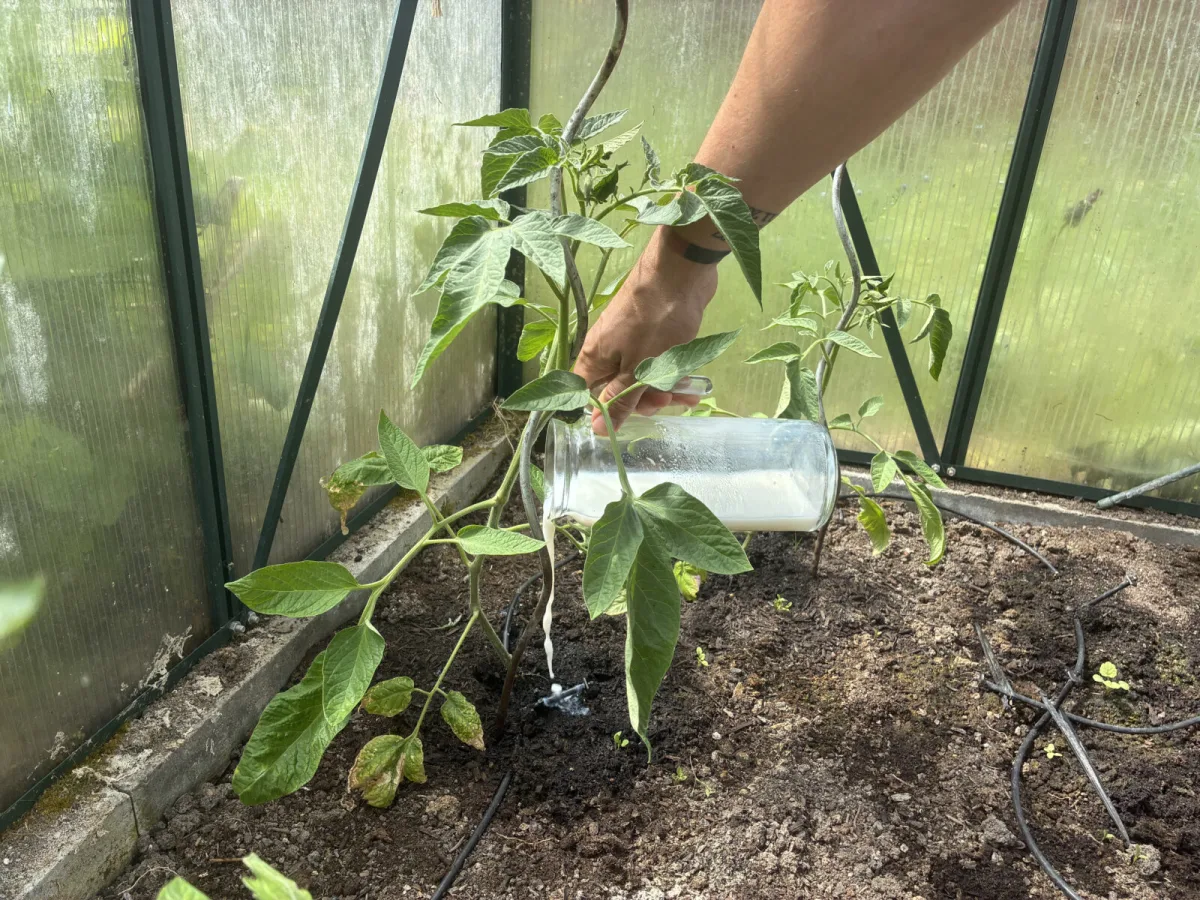
More and more gardeners are looking for natural ways to encourage plant growth, improve bed health, and avoid harsh chemical sprays. One understated home remedy is ordinary milk. It may sound unusual, but when correctly diluted, milk can serve both as a feed and as a mild form of protection against certain problems that regularly crop up in the garden.
Milk contains a range of substances important for plant vitality, especially calcium, as well as potassium, magnesium, and phosphorus. In practice, that can mean firmer plant tissues, healthier-looking leaves, and a better ability to cope with stress such as weather swings or higher disease pressure.
Which plants benefit from a milk drench and where to be cautious
Milk watering is often used for tomatoes, root vegetables, fruit trees, houseplants, and ornamental flowers. In these groups, diluted milk can work as a supplemental feed while also supporting resilience.
By contrast, this approach is not commonly recommended for peppers and aubergines. If you still want to test the method, it makes sense to start very gently on a small part of the planting and watch both the plants and the soil for any reaction.
How to prepare a milk drench for the roots
For watering at the roots, a simple dilution works well: one part milk to five parts water. You can make shallow basins or small furrows around the plant so the solution doesn’t sit on the surface and reaches where it’s needed. Then pour the mix directly into the root zone.
This kind of feeding can support growth, improve the look of the leaves, and indirectly contribute to a better harvest. The key is not to overdo the frequency and to stick to the dilution, because milk that’s too concentrated can cause trouble in the soil and encourage unwanted microbial activity.
Boosting the effect with iodine
According to some growers’ experience, the drench can be made more effective by adding iodine. Roughly ten drops of iodine are added to a bucket of the prepared milk solution. This combination is often associated with better resistance to mildews and other diseases that spread mainly in wetter periods.
Milk for houseplants
Houseplants can benefit from milk feeding too. Here, a gentler version is used: one tablespoon of milk per 1 litre of settled water. Before feeding, it’s a good idea to lightly water the potting mix with plain water first so nutrients are absorbed gradually and the roots aren’t shocked.
With houseplants, it’s especially important to make sure the solution isn’t used too often. In a closed pot, everything builds up faster than it does outdoors in a garden bed.
Milk spray as protection against pests and diseases
A milk solution doesn’t have to serve only as a fertiliser. In garden practice, it’s also used as a supportive protective measure against some pests and fungal diseases, for example when aphids appear, with powdery mildew, or when there are concerns about fungal issues on the leaves.
Recipe for a foliar spray
For spraying, prepare a mix of 1 litre of milk and 10 litres of water. For better adhesion, add about 20 grams of grated laundry soap, and to support the effect also add around 30 drops of iodine. Everything needs to be mixed thoroughly and then applied directly to the leaves.
The best time to spray is in the morning or evening, when strong sun isn’t beating down on the plants. This reduces the risk of leaf damage and gives the solution more time to work.
Why it’s worth trying milk in the garden
Regular, sensible use of milk feeding can encourage flowering, strengthen plant tissues, and help with a heavier crop. At the same time, it’s a cheap, readily available option that fits well with a more eco-friendly approach to garden care.
If you want to help plants naturally and you’re looking for a simple home trick, a milk drench or spray can be an interesting addition to your usual routine.
Source: The Spruce, To je nápad, BHG, Pestrazahrada.cz

A lover of nature, gardens, and everything that moves, blooms, or grows. He literally grows everything, from herbs to rare species, and he enjoys caring for animals just as much. In his work, he connects modern technology with tried-and-tested grandmotherly methods and is happy when both paths lead to the same goal.
Related articles
Why the Tree That Feeds a Family for Generations Is Disappearing from Czech Gardens
The English walnut used to be a staple of larger gardens and farmyards, valued for its nutritious nuts and many practical uses. With the right site and variety, it remains one of the most rewarding long-lived trees you can plant.

How to Get Rid of Mice and Rats in the House, Loft and Garden Effectively
Mice and rats don’t leave quietly—scratching sounds, droppings and gnaw marks are clear warnings. A lasting solution comes down to three steps: block entry points, remove food sources, then use traps or professional control.

Two Mistakes When Harvesting Onions Can Cut Your Supply by Months
With good growing and the right handling, onions can turn into a near year-round pantry staple. These simple harvest and curing steps determine whether they keep for weeks or for months.
Comments (0)
Be the first to comment.