
 English
 Polski
 Deutsch
 Nederlands
 Svenska
 Norsk
 Dansk
 Français
 Italiano
 Español
 Português
 Slovenčina
 Suomi
 Gaeilge
Tame Hens Are Calmer and Happier The Secret Lies in Small Daily Habits
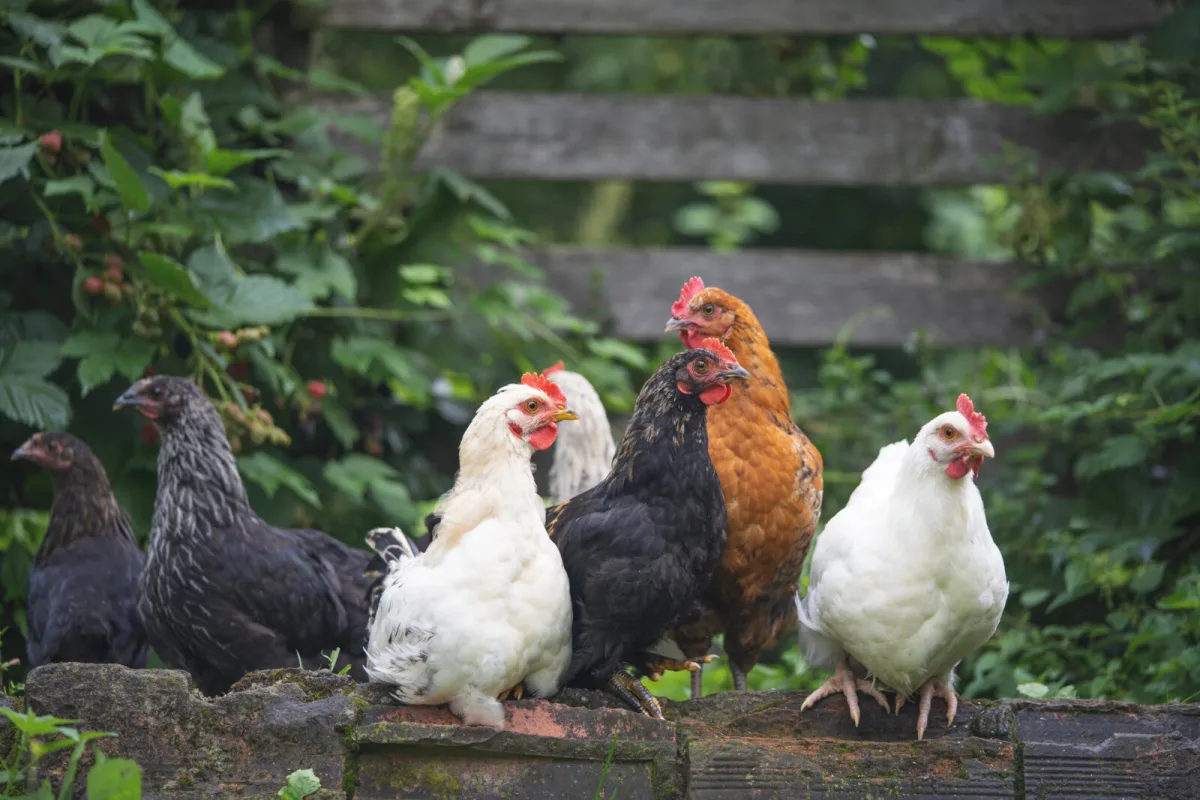
Many keepers see hens mainly as useful livestock, but in reality they can be surprisingly perceptive, quick to learn and social. They’re not just creatures that mindlessly dash around the yard. They can remember familiar sounds, tell apart the person who cares for them, and gradually form habits around certain cues. If you give them time, calmness and a bit of patience, they can get used to you enough to come when called or confidently take a treat straight from your hand.
The first step is a calm, consistent approach
All taming starts with hens associating your presence with safety. It’s not a good idea to rush them or expect fast results. Much better is to visit them regularly, speak in a similar tone, and move calmly around them. Over time, hens begin to remember not only your silhouette, but also your voice and the way you behave around them. Repetition and calmness are exactly what builds the foundation of trust.
How to teach hens to come when called
If you want them to run over to you, you need to create a clear signal they won’t confuse with everyday chatter. It can be a distinctive call, a short phrase, or the same tone of voice each time. What matters is that the sound happens in the same situation every time. Gradually, the hens will learn that this particular cue means they should come closer.
Some keepers use a little bell instead of their voice. That works very well too, because hens remember sounds with surprising accuracy. Once you’ve linked the ringing with feed or a treat a few times, they’ll start seeking out that cue and responding faster and faster. Whether you choose a voice or a sound, consistency is the key.
Rewards are essential for training
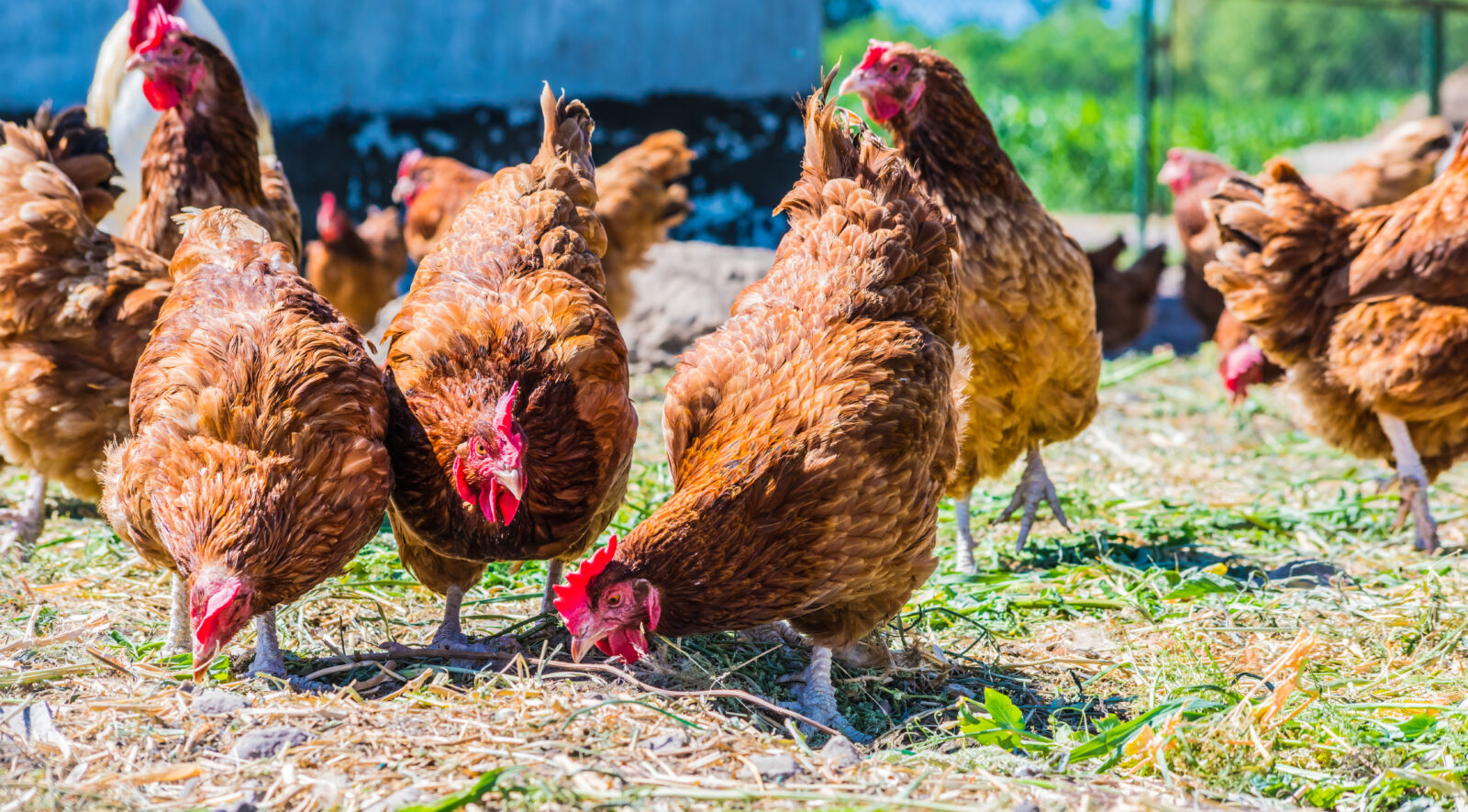
Without a reward, learning tends to be slower and less effective. When a hen does what you want, she should immediately get something tasty. That’s how she links the correct behaviour with a pleasant outcome. Choose favourite, simple treats, for example seeds or another small snack they enjoy. You don’t need to give much; what matters is that the reward comes at the right moment.
This simple connection helps hens understand what you’re asking for. When they come after your call and a reward follows, they’ll respond more readily next time. Over time, they form a habit, and a person’s presence won’t mean uncertainty, but an opportunity for something enjoyable.
Talk to them as often as possible
Regular communication matters more than it might seem. When you talk to your hens every time you visit the coop or run, they start to perceive your voice as something familiar. You don’t have to say anything special; a kind, steady tone is what counts. Thanks to this, they get used to you, stay calmer, and accept other types of training more easily.
This contact also strengthens the bond between you. Hens then tend to be more attentive, less flighty, and more interested in what’s happening around them. That makes not only calling them over easier, but everyday care as well.
When and how to train so it actually works
You’ll get the best results when you repeat training regularly. Short sessions several times a day work better than one long attempt. A good time is before feeding, because hungry hens are more motivated to cooperate. If they’ve just eaten, their interest in cues and treats is usually much lower.
It’s also best not to start the moment you let them out of the coop. Hens first need to spread out and get their bearings in the run. Once they settle, they’re usually more focused. Training should be stress-free, slow, and mindful of the fact that every hen reacts a little differently. One may pick up a new habit quickly, while another will need more time.
Content hens learn better
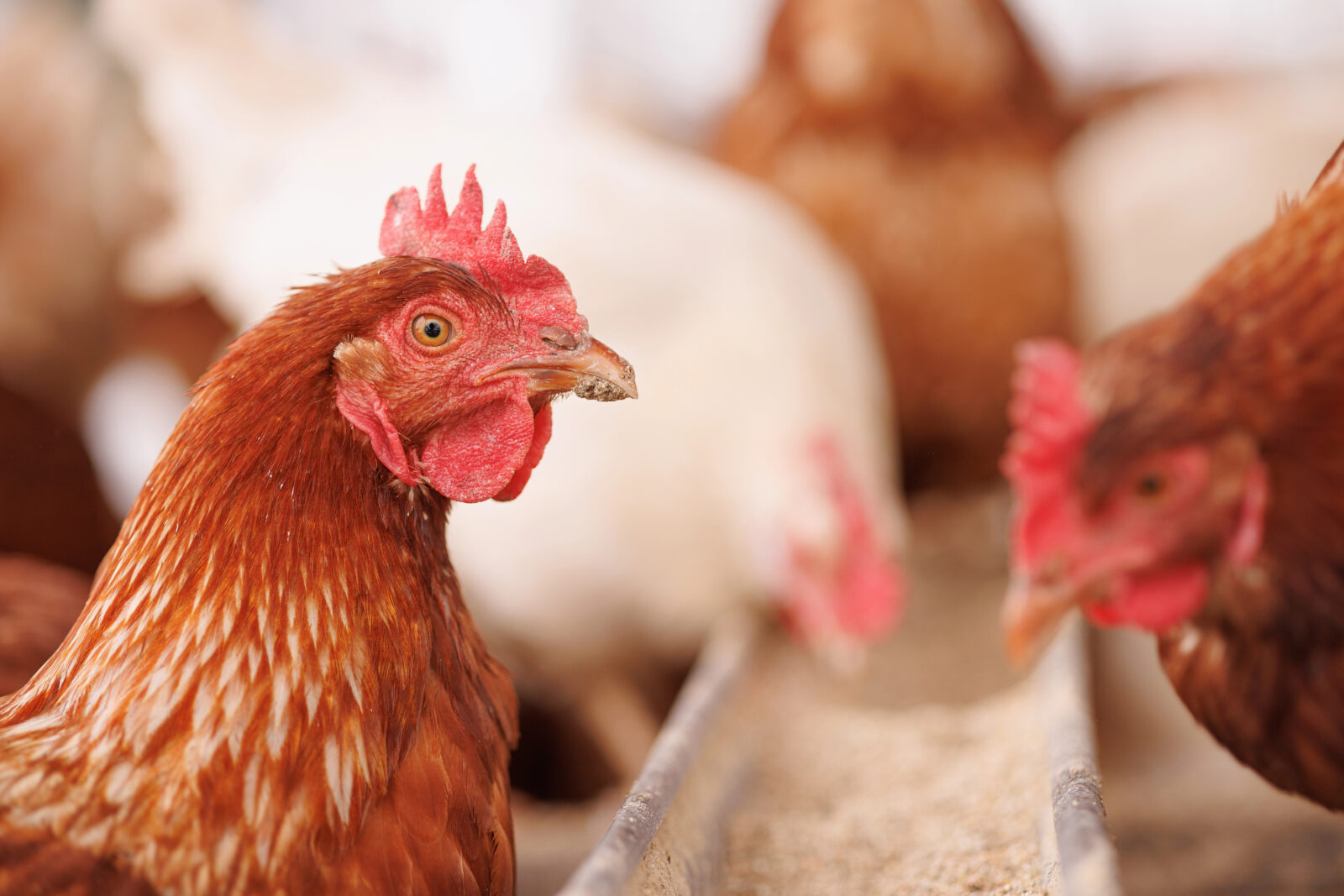
A gentle approach doesn’t just make training easier. Hens that receive regular attention and aren’t exposed to unnecessary stress tend to be calmer and generally thrive better. A sense of security and a steady routine show up in their overall condition too. Taming, then, isn’t only entertainment for the keeper, but also a route to better day-to-day handling and a more relaxed life for the whole flock.
When you combine patience, consistent cues, rewards and friendly communication, even ordinary hens can become birds that know you well and respond willingly. The main thing is not to let up, not to rush, and to give them time to understand what you actually want from them.
Source: Backyard Poultry, The Happy Henco, Backyard Chickens, Pestrazahrada.cz

A lover of nature, gardens, and everything that moves, blooms, or grows. He literally grows everything, from herbs to rare species, and he enjoys caring for animals just as much. In his work, he connects modern technology with tried-and-tested grandmotherly methods and is happy when both paths lead to the same goal.
Related articles
Want fresh eggs in winter Chickens need more than a warm coop
Short days and cold weather naturally slow egg production, but the right mix of light, housing, nutrition and water can keep layers going through winter. Here’s how to set up your flock for steadier winter laying without stressing the birds.
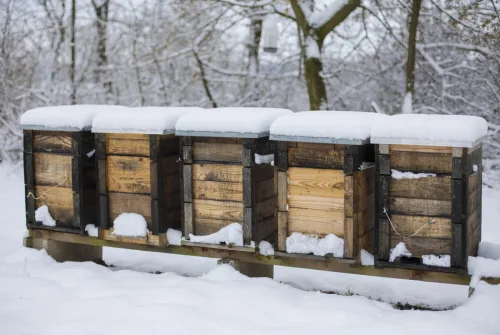
How to Keep a Hive Dry in Winter and Protect the Colony from Dangerous Damp
In winter, moisture—not cold—is often the biggest threat to a bee colony. Learn how condensation forms in the hive and what practical steps help keep bees dry and thriving until spring.
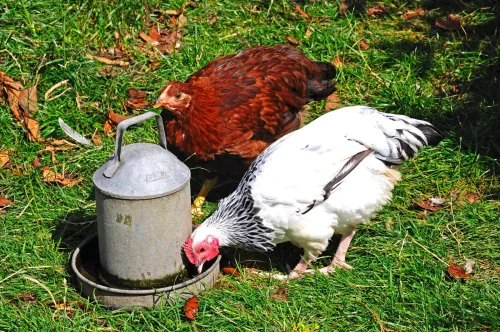
Hens Need More Than Feed and Water: A Simple Homemade Mix to Support Immunity and Vitality
Good hen health starts with balanced nutrition, not just a clean coop and fresh water. A modest blend of garlic, apple cider vinegar and oregano can gently support digestion, immunity and overall flock condition.
Comments (0)
Be the first to comment.