
 English
 Polski
 Deutsch
 Nederlands
 Svenska
 Norsk
 Dansk
 Français
 Italiano
 Español
 Português
 Slovenčina
 Suomi
 Gaeilge
African violets can flower almost year-round with a few simple care rules
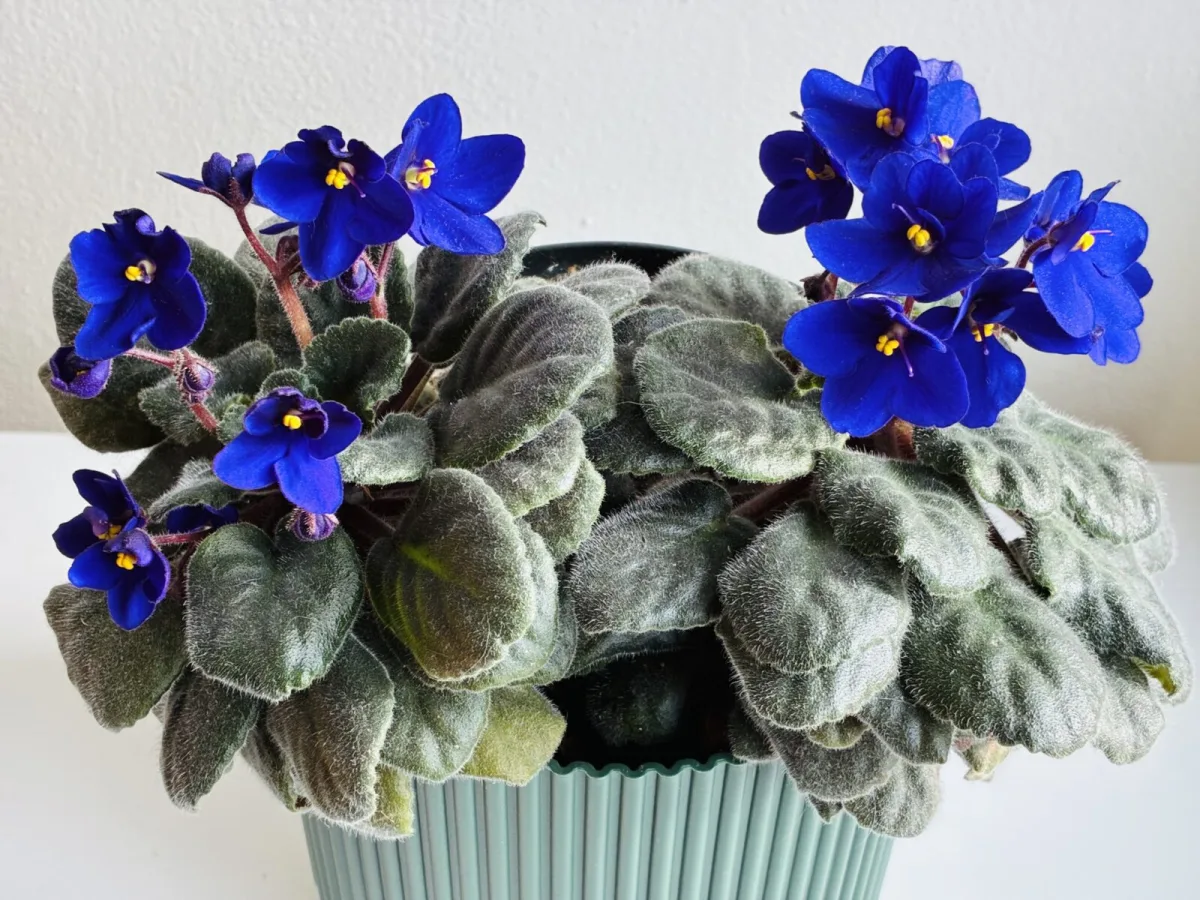
African violets are among the most popular houseplants, chiefly thanks to their compact size, velvety leaves, and generous flowering. The blooms come in a whole range of shades, from classic violet through blue, pink and red to pure white. Given suitable conditions, they can flower for a very long time and often almost continuously for most of the year.
This small tropical perennial comes from East Africa. It used to be known by the botanical name Saintpaulia; today it is placed in the genus Streptocarpus. The older name, however, is still widely used among growers. A big advantage of African violets is that they take up very little space, making them ideal even for smaller flats.
How to choose a healthy plant
Garden centres and online shops offer many cultivars with single or double flowers, smooth or ruffled petals, and a wide range of colours. When choosing, it pays to pick a plant with fresh, firm leaves free of spots, limp areas, or signs of rot. A quality specimen should form a compact rosette and look vigorous.
African violets are most often sold in small pots, sometimes also as young plants. With smaller plants in particular, it’s important to repot them into a suitable mix as soon as possible after delivery.
Proper planting and repotting
African violets need a light, free-draining potting mix. A general houseplant mix can work, or better still a compost blended specifically for this type of plant. Pot the plant into a container only slightly larger than the root ball. An overly large pot is a common mistake because it holds excess moisture and can reduce flowering.
Handle with care, as both leaves and leaf stalks are fragile. The plant should sit at the same depth as before. After repotting, water the mix gently, but avoid getting water on the leaves or into the centre of the rosette.
Repotting is usually needed once every two to three years, ideally in spring. For larger plants, a pot around 10 cm in diameter is typically enough; only exceptionally vigorous specimens will tolerate a slightly wider, shallow container.
Light and temperature for long-lasting flowering
African violets need plenty of light but cannot tolerate harsh, direct sun, which can scorch the leaves. They do best in a bright spot with filtered light. From spring to autumn, a north- or east-facing window usually suits them well. In winter, when light levels are lower, they can also sit on a south- or west-facing windowsill.
For consistent bud formation, they need enough light for at least ten to twelve hours a day, while still having a period of darkness. In the colder months, supplemental lighting can help. Temperatures should be as steady as possible, roughly 18 to 24 °C by day and only a little cooler at night. Cold draughts and sudden temperature swings can harm the plants.
Watering and air humidity
One of the most important keys to success is correct watering. African violets dislike both waterlogging and prolonged dryness. Water regularly, but only when the surface of the mix has slightly dried. Water should be at room temperature, as cold water can cause leaf spotting and weaken the plant.
It’s best to direct water onto the compost, or water from below by standing the pot in a saucer of water briefly. However, leaving the pot sitting in wet conditions long term leads to root rot. Leaves should stay dry when watering, because moisture on their surface encourages mould and unsightly marks.
These plants benefit from higher humidity. A tray of damp gravel works well, as long as the base of the pot is not standing directly in water. Misting is not recommended, as it leaves spots and can encourage disease.
Feeding and routine care
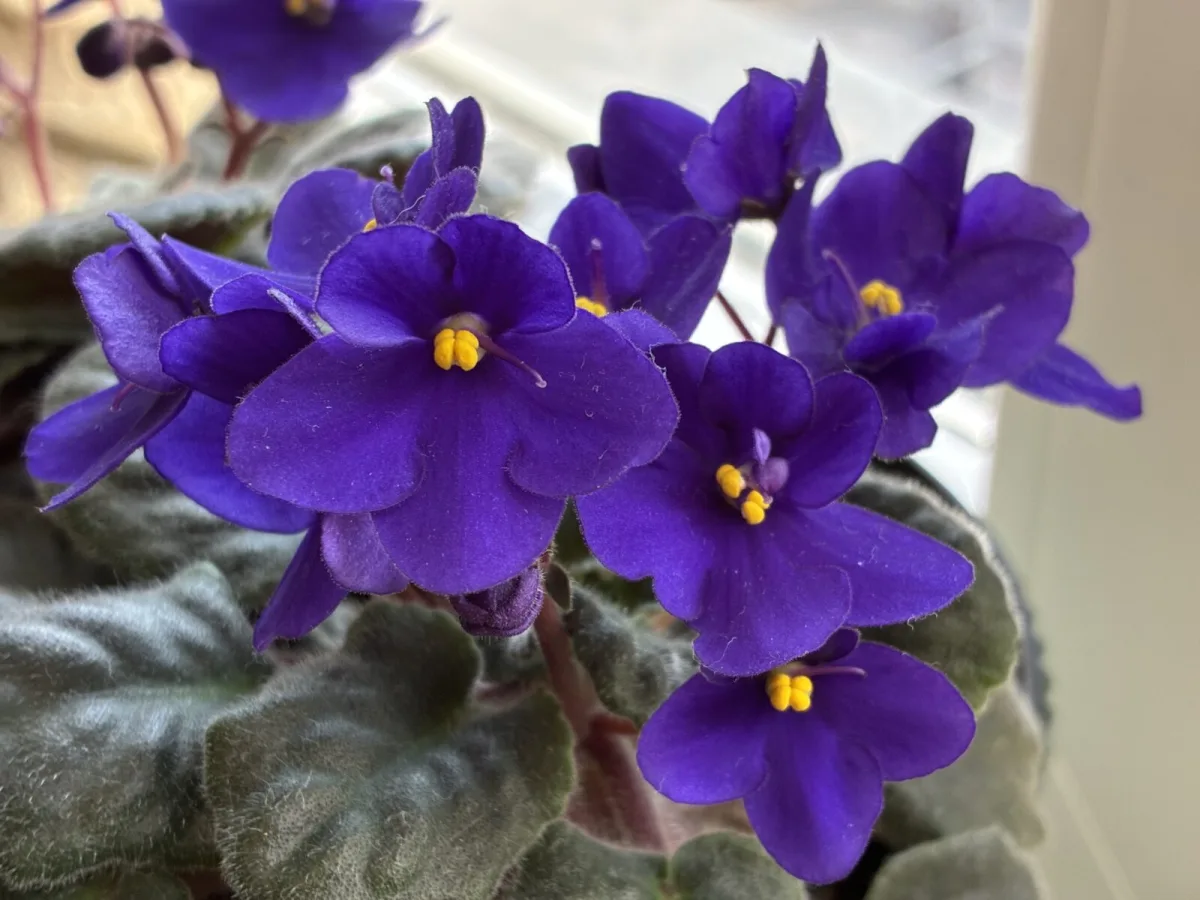
During active growth and flowering, African violets benefit from a weak dose of liquid houseplant feed about once every three to four weeks. A fertiliser formulated specifically for African violets can be even better. Regular feeding supports new flower production and healthy leaf growth.
Remove spent blooms as you go. First pinch off individual faded flowers, and once an entire flower stem has finished, remove the whole stem as low down at the base as possible. It’s also a good idea to cut off yellowing or damaged leaves. No other pruning is usually necessary.
Propagating African violets
The simplest and quickest route to new plants is via leaf cuttings. In spring, take an almost fully developed leaf with its stalk and insert it into a light, free-draining mix. The base of the leaf should sit just above the surface or only lightly touch it. Place the container in a humid environment and in a bright spot out of direct sun. At around 18 °C, new plantlets typically appear within a few weeks.
Another option is to divide an older plant. Over time, African violets form side rosettes that can be carefully separated with roots attached and potted up on their own. This method produces plants identical to the parent.
Growing from seed is also possible, but it takes much longer. The seeds are extremely fine; sow them on the surface of a fine, moist mix and do not cover. Germination requires warmth, steady moisture, and filtered light. The resulting plants may not be identical to the parents, which can be interesting but also less predictable.
Most common growing problems
If an African violet isn’t flowering, the most common cause is insufficient light. Problems can also be caused by dry or cold air, an overly large pot, and watering mistakes. Both overwatering and letting the plant dry out weaken it and prevent bud formation.
Various symptoms can appear on the leaves. Brown or yellow spots often indicate sun that is too strong. Pale patches, rings, or whitish marks are often the result of cold water or wetting the leaves. Long leaf stalks signal a lack of light, while pale leaves with raised edges may point to low temperature. Wilting is often a sign of incorrect watering.
Sometimes signs of nutrient deficiency show up too. The plant may have small leaves, weak flowering, or unusual colouring. In that case, regular, balanced feeding during the growing season will help.
Regularly checking your plants is the best way to prevent more serious problems. African violets can be attacked by aphids, thrips, mealybugs, or other common houseplant pests. Catching an issue early greatly increases the chances of resolving it successfully.
What to remember for successful growing
An African violet isn’t demanding when it gets exactly what it needs. The essentials are plenty of filtered light, a warm and stable environment, careful watering, and a light potting mix. Add regular removal of spent flowers and moderate feeding. With this care, it will reward you with long-lasting, exceptionally charming blooms that brighten your home for many months.
Source: RHS, Almanac , Pestrazahrada.cz

A nurse by profession, she is passionate about healthy living, nature, and everything that benefits both people and the world around them. In her free time, she enjoys gardening, cooking, sewing, and caring for her family. In her articles, she loves combining professional expertise with practical experience from the garden and everyday life.
Related articles
Grow a Stunning Hibiscus from an Ordinary Seed with a Few Simple Tricks
Growing hibiscus from seed takes patience, but the reward is a strong, vigorous plant with standout blooms. Start indoors with warmth and gentle handling, then harden off and plant out when frost has passed.
Eucalyptus can be quite demanding, the right pruning and care are the key to healthy growth
Eucalyptus can make a striking specimen, screen or neatly maintained shrub, but it only thrives when pruned at the right time and in the right way. Learn when to cut, how to shape it, and how to care for it afterwards so it stays strong and long-lived.
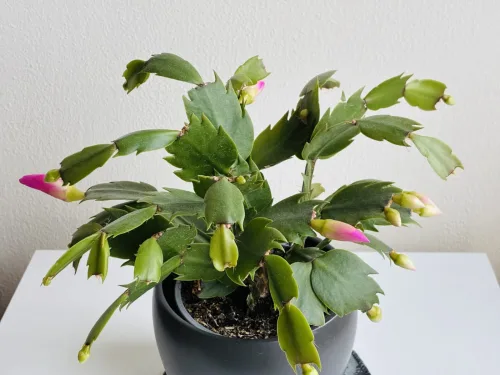
How to Get a Christmas Cactus to Bloom Right on Time for the Holidays
A Christmas cactus will only flower on schedule if it gets the right cues well in advance. Cool temperatures, long uninterrupted darkness, and plenty of bright light through the year make all the difference.
Comments (0)
Be the first to comment.