
 English
  Polski
  Deutsch
  Nederlands
  Svenska
  Norsk
Norsk  Dansk
Dansk  Français
  Italiano
  Español
  Português
  Slovenčina
  Suomi
Suomi  Gaeilge
 Tricks Seasoned Gardeners Use for Gooseberries Laden with Large Fruit
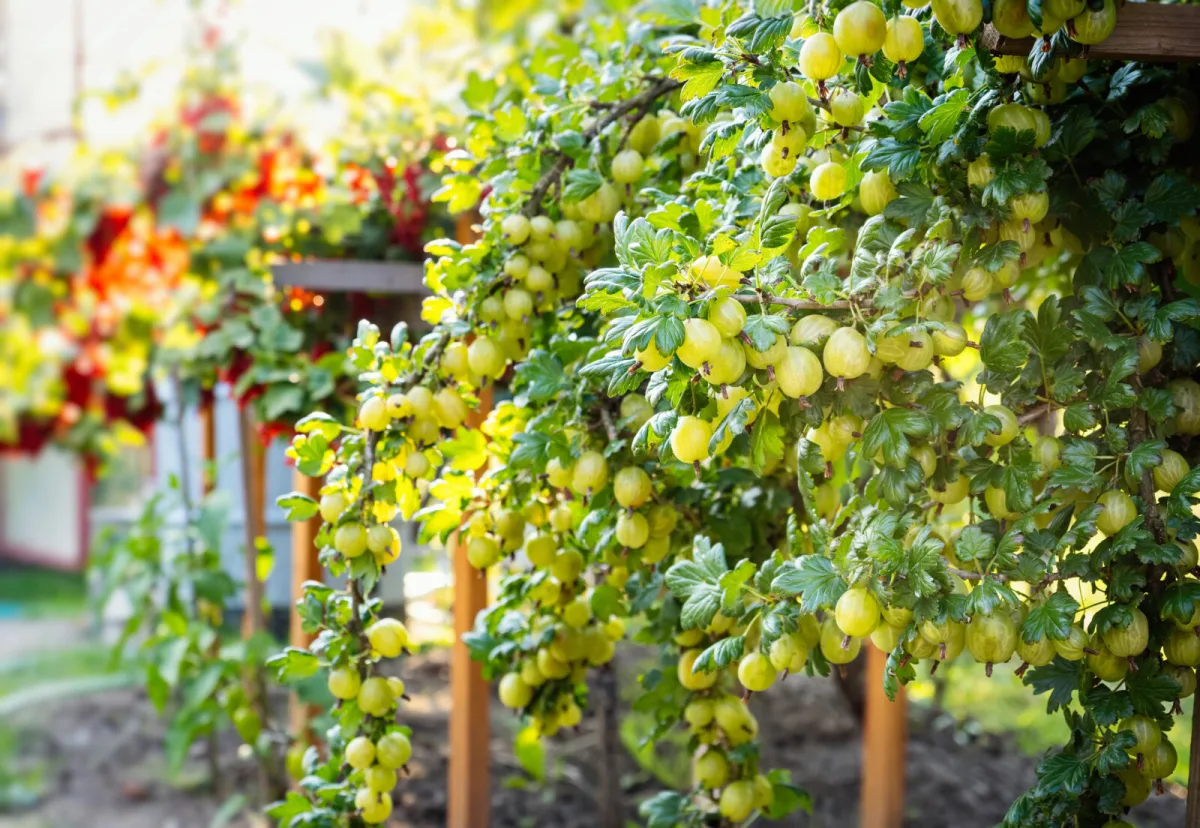
Gooseberry (Ribes uva-crispa) is one of those fruits you rarely see in shops, yet in the garden it offers an exceptional combination of bright, tangy freshness and sweet, aromatic depth. Once the shrub is properly established, it will crop reliably every summer, and with sensible care it can easily stay in one spot for 10 to 15 years or longer. A big advantage is its toughness, tolerance of different conditions, and the fact that it can be grown not only in the ground but also in a larger pot.
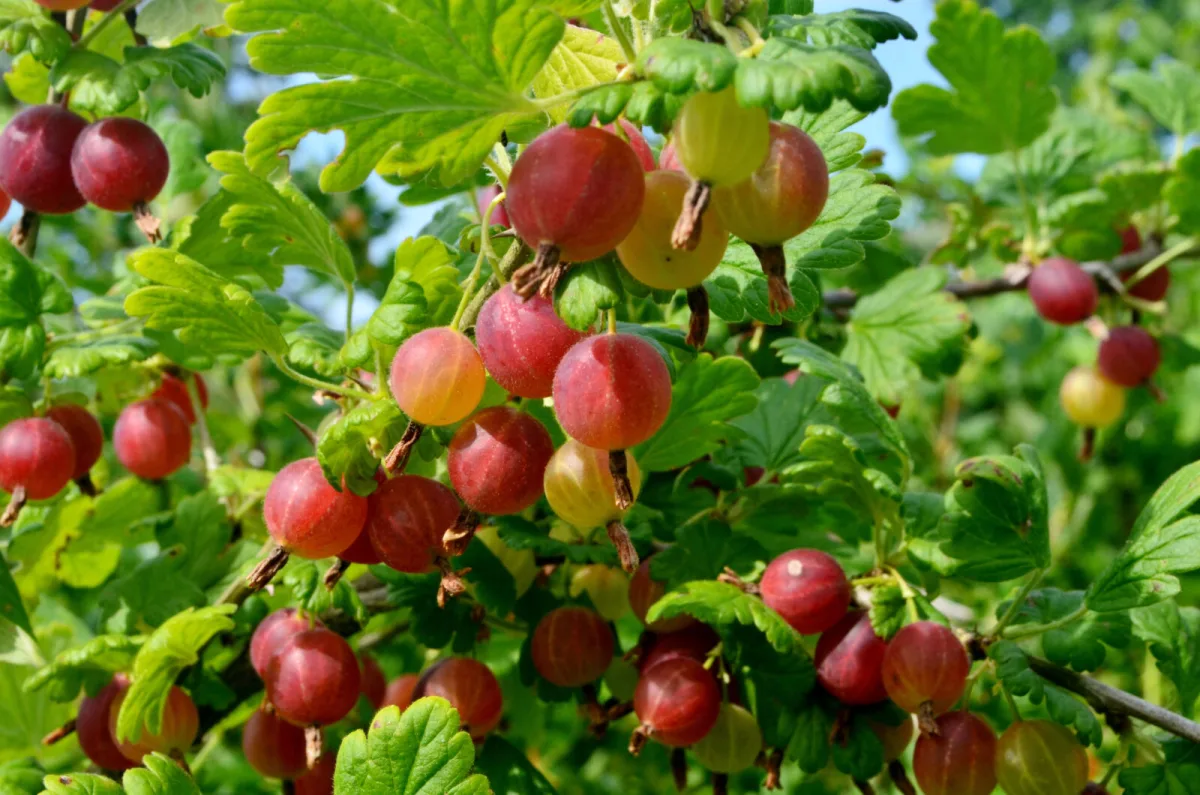
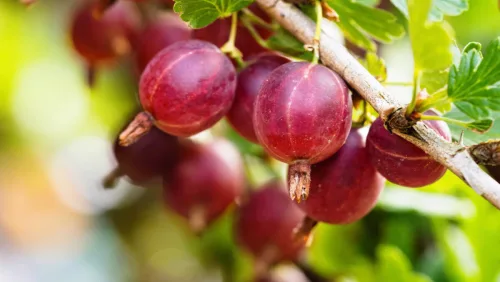
The berries can be green, yellow or red, varying in size and intensity of flavour. Some varieties are typically “culinary” and really shine in pies, jams, compotes or sauces, while others are “dessert” types that you can eat straight from the bush. In practice, many gardeners grow a happy medium—varieties suitable for both—because gooseberries are wonderfully useful both underripe and fully ripe.
How to choose a variety and training form
When choosing a variety, it’s worth considering colour and ripening time, but also how vigorously the shrub grows and how thorny it is. Most gooseberries have sharp, prickly shoots, which is their natural protection, but it can make pruning and picking uncomfortable. There are also less thorny types that are easier to handle. It’s also practical to choose with resistance to powdery mildew in mind, because that tends to be the most common problem with gooseberries.
Gooseberries can be grown as a classic bush about 1 to 1.5 m tall, but also as a space-saving form trained to a single main stem, known as a cordon. Fans trained against a fence or wall are popular too, as are standard gooseberries with a head on a taller stem. The standard form can save space elegantly, as you can grow low plants beneath it, but it is usually more sensitive to wind and needs a sturdy support.
Where gooseberries will grow best
Gooseberries are hardy and will cope with sun as well as light partial shade. For sweeter fruit, a sunny position is best, but they will also do well with a little shade—for example under the more open canopy of a fruit tree or by a north-facing wall, provided there’s enough diffuse light. Even more important than the absolute amount of sun is shelter from strong wind, because the shoots can be brittle and, with a heavy crop, snap more easily.
The soil should be free-draining and evenly moist. Gooseberries dislike prolonged waterlogging, which leads to root problems, but they also suffer in bone-dry soil—especially during flowering and fruit set. If you have heavier clay soil, incorporating compost and improving the structure will help excess water drain away more effectively.
When and how to plant gooseberries properly
The ideal planting period is from late autumn to early spring, as long as the soil isn’t frozen or waterlogged. Bare-root plants are commonly sold during dormancy and are often better value. Container-grown plants can be planted almost any time of year, but in hot weather they need more careful watering so transplant stress doesn’t become excessive.
Plant into a hole roughly twice as wide as the rootball, and at a depth so the gooseberry sits at the same level as before. With bare-root plants, there’s usually a visible soil line on the stem. It’s a good idea to soak the roots for a few hours before planting so they aren’t dried out. After planting, firm the soil well, water thoroughly, and mulch around the plant—but don’t let mulch sit right against the stems, to avoid rotting.
Choose spacing according to the training form. Bushes need more room, while cordons allow you to plant closer together and fit more varieties into a small area for a staggered harvest. If you’re training gooseberries on a support, install it at planting time so you don’t damage the roots later.
Growing in a container and what to watch out for
Gooseberries can be grown successfully in a pot, provided it’s large enough—ideally at least about 40 cm wide and deep—with good drainage. In containers, regular watering is crucial because compost dries out faster than garden soil. Aim for evenly moist compost, not a soggy mix. Waterlogging is more common in pots than in borders, so always check the drainage holes and don’t let the container stand in water for long periods.
Nutrients are also used up more quickly in pots. While in the ground an annual layer of compost is often enough, in a container feeding helps—ideally with an emphasis on potassium, which supports flowering and fruiting. Overdoing nitrogen, on the other hand, leads to lush, soft growth that tends to be more prone to powdery mildew.
Watering, mulching and feeding through the year
Newly planted bushes need watering during dry spells in the first two years so they root in well. With older plants in the ground, watering is usually needed mainly during prolonged drought, or during fruit swelling when the plant uses a lot of water. It’s best to water in the morning or evening and direct water to the roots rather than the leaves, because foliage that stays wet encourages fungal diseases.
Each spring it’s well worth adding a layer of organic matter at the base of the bush, such as well-rotted compost or thoroughly aged manure. Mulch helps retain moisture, improves the soil, and suppresses weeds. It also keeps conditions more even, which shows in the size and quality of the fruit.
Pruning gooseberries as the key to large, healthy fruit
Gooseberries are typically pruned twice a year, in winter and in summer, to keep the bush open, accessible, and consistently productive. Winter pruning is done during dormancy. First remove dead, damaged or diseased branches, then open up the centre so light and air can penetrate. Good airflow reduces fungal disease pressure and also helps fruit ripen more evenly.
In summer, new growth is often shortened and the shape refined. With cordons, fans and standards, pruning and tying in are even more important, because the goal isn’t just cropping but also maintaining a clear framework. If pruning feels complicated, stick to a simple rule: keep a few main branches, remove crossing and congested shoots, and encourage an open, easy-to-read bush.
Harvest in two waves for cooking and snacking
One of the best features of gooseberries is that you can harvest them gradually. The first pick can be as early as June, when the berries are still firm and more tart. At that time, it’s common to pick “every other one” on purpose—using part of the crop for preserving while allowing the remaining berries to swell to a larger size. The second harvest is usually from July to August, when gooseberries are fully ripe, soften, sweeten, and taste best eaten fresh.
Ideally, pick the fruit with the stalk attached, as it bruises less. Ripe gooseberries are more prone to splitting, so handle them gently—especially if you want to store or transport them. A well-managed mature bush can produce a genuinely generous crop, easily covering fresh eating as well as several jars of jam.
Protection from birds, frost and the most common problems
Birds often take an interest in gooseberries, so it can be worth using netting for a short period or, better still, growing bushes in a fruit cage. In some gardens, winter visitors can also cause damage by pecking at buds. Another risk is late frosts during flowering. If frost is forecast, you can cover the bush overnight with horticultural fleece and remove it again during the day so insects can reach the flowers.
Of diseases, the best-known is powdery mildew, which shows up as a whitish coating on leaves and young shoots. Prevention helps most: airy pruning, restrained nitrogen feeding, and choosing more resistant varieties. Regular checks through the season are the best way to catch issues early and keep the plant vigorous long term.
Why gooseberries are worth growing
Gooseberries are a classic garden fruit that repays care with reliable harvests, a distinctive flavour, and wide kitchen use.
If you’re looking for an undemanding fruit shrub that copes even with less-than-ideal conditions, takes up a reasonable amount of space, and rewards you with fruit from the “green” preserving stage through to fragrant summer sweetness, gooseberries are a safe bet. All they need is a good site, a bit of compost, occasional watering in dry weather, and thoughtful pruning. The rest they’ll do themselves—and every summer they’ll remind you that some of the best flavours are hard to find in the supermarket.
Source: Rhs, Almanac , Pestrazahrada.cz
Related articles
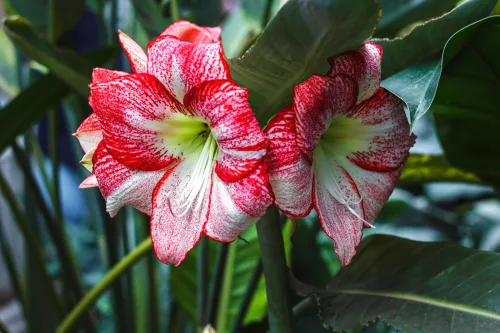
The Christmas Amaryllis That Can Bloom for Years but Most People Throw It Away After Flowering
Hippeastrum is a spectacular winter-blooming bulb that, with the right care, will flower again year after year. Learn how to plant it correctly, look after it after flowering, and bring it into dormancy so it reliably reblooms.
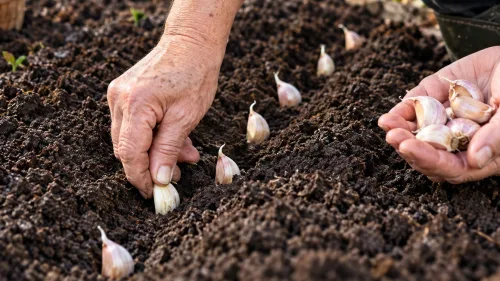
How to Grow Winter Garlic for a Much Bigger Harvest
Autumn planting is the key to strong, healthy winter garlic, but the details make all the difference. With the right timing, bed choice, seed-clove treatment and a simple bicarbonate trick, you can noticeably boost yield.
A tree or shrub planted properly in autumn can outpace spring stock and improve fruiting
Many fruit trees and soft-fruit shrubs establish better when planted in autumn, because roots keep growing while the top is dormant. Done well, this head start means stronger spring growth, less watering, and a healthier first year.
Comments (0)
Be the first to comment.