
 English
  Polski
  Deutsch
  Nederlands
  Svenska
  Norsk
Norsk  Dansk
Dansk  Français
  Italiano
  Español
  Português
  Slovenčina
  Suomi
Suomi  Gaeilge
 Do You Know the Three Sisters Trick Ancient Planting Partnership Delivers Big Harvests from a Small Bed
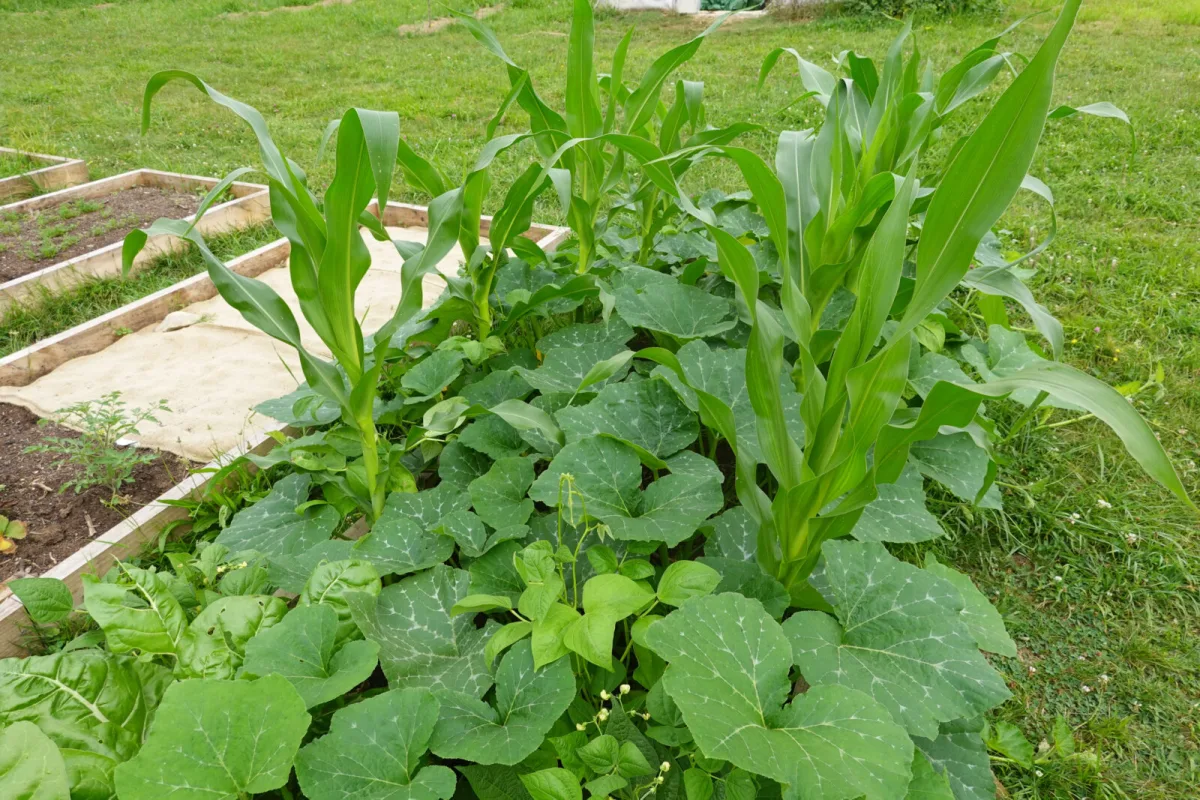
Pairing the right crops in the same bed is one of the smartest gardening techniques. Instead of constantly intervening, you let nature do part of the work through plant relationships. Some species protect each other, others improve the soil, and some simply make better use of space. The result is a more balanced planting, fewer weeds, and often a steadier harvest without needing to feed so much or keep hoeing all the time.
One of the best-known examples of this kind of partnership is the system called the Three Sisters. It is a traditional growing method that was used in North America for centuries. According to historical sources, it was especially favoured by the Iroquois, who practised it long before the arrival of European settlers in the 17th century.
Who the Three Sisters are and what each one does
In this classic combination, sweetcorn, climbing beans and squash are grown together. Winter squash is most often mentioned, but in practice summer types can work too. In the traditional interpretation, these plants are understood as a gift meant to be grown together, harvested together, and used together in the kitchen.
Sweetcorn as a living support
Sweetcorn sits at the centre of the whole system. Its sturdy stalks act as a natural framework for the beans to climb. That means there is no need to build canes or netting, and the plants also stay together in a compact, tidy form.
Beans as natural feeding
Climbing beans bring one key advantage to this trio: they enrich the soil with nitrogen. Nitrogen is essential for leafy growth, and it benefits sweetcorn and squash in particular. The beans also twine around the corn, helping knit the planting together so the bed behaves like one cooperative unit.
Squash as living mulch and soil protection
Squash is planted more towards the edges. Its large leaves cover the soil, shade it and help retain moisture. At the same time, they limit weed growth and can make access harder for some pests, because dense growth is more difficult to move through and the soil does not overheat as much.
When to start and how to prepare the bed
With the Three Sisters, timing matters because sweetcorn needs warmth. It pays to wait with sowing until the soil has warmed up and is no longer cold and waterlogged. In Iroquois tradition, a simple natural cue is the moment when dogwood leaves grow to about the size of a squirrel’s ear.
For a better start, you can soak sweetcorn seed for a few hours before sowing, but it should not stay in water for too long. A practical upper limit is around eight hours. Soaked seed can dry out faster after sowing, so for the first week or two you need to keep an eye on watering unless rainfall provides consistent moisture.
How to plant the Three Sisters step by step
The basic principle is to create low mounds spaced roughly 90 to 120 cm apart, both within the row and between rows. Into each mound, sow about five to seven sweetcorn seeds, evenly spaced. Sowing depth is usually around 2.5 to 4 cm, then cover the seed with soil.
The corn variety matters. For this method, types that grow tall enough and have a more robust stalk are often recommended. Suitable choices include dent, flint or flour corns. Popcorn varieties, by contrast, sometimes stay shorter and can be more easily overgrown by beans and squash.
Once the sweetcorn reaches about 15 cm tall, it is time for the other two sisters. Plant climbing beans all around the corn plants, and at the same time set squash seedlings or direct sowings nearby, more often towards the edges. This ensures the beans have support as early as possible, while the squash has room to spread along the ground and cover the soil.
Which squash to choose and when it’s best to plant
Traditionally, winter squash is used, but you can also choose different types you enjoy and that perform well in your area. Pumpkins, acorn squash, butternut squash and similar types are commonly mentioned. It is sometimes noted that some pumpkins can have very heavy fruits, so it helps to keep the planting stable and make sure the corn has enough strength. Courgette, a summer squash, can also work as a substitute if you want a quicker harvest and more compact growth.
Sowing the Three Sisters is generally linked with the warmer part of the year. In practice, seeds are sown during spring and early summer depending on local conditions, because what matters most is soil temperature and the confidence that growth will not be slowed by cold or waterlogging.
Why this system still inspires today
The Three Sisters are not just a historical curiosity, but a working example of how you can combine support, natural soil improvement and soil-surface protection in one place. Sweetcorn provides the structure, beans contribute nutrients, and squash reduces weeds and water loss. When planting is well timed and the crops are given the right space, together they form a resilient, practical bed that can be both attractive and productive.
The Three Sisters refers to sweetcorn, climbing beans and squash, because together they support each other and thrive better than each would on its own.
Source: Tree Hugger, RHS, Pestrazahrada.cz

A lover of nature, gardens, and everything that moves, blooms, or grows. He literally grows everything, from herbs to rare species, and he enjoys caring for animals just as much. In his work, he connects modern technology with tried-and-tested grandmotherly methods and is happy when both paths lead to the same goal.
Related articles
Why the Tree That Feeds a Family for Generations Is Disappearing from Czech Gardens
The English walnut used to be a staple of larger gardens and farmyards, valued for its nutritious nuts and many practical uses. With the right site and variety, it remains one of the most rewarding long-lived trees you can plant.

How to Get Rid of Mice and Rats in the House, Loft and Garden Effectively
Mice and rats don’t leave quietly—scratching sounds, droppings and gnaw marks are clear warnings. A lasting solution comes down to three steps: block entry points, remove food sources, then use traps or professional control.
Two Mistakes When Harvesting Onions Can Cut Your Supply by Months
With good growing and the right handling, onions can turn into a near year-round pantry staple. These simple harvest and curing steps determine whether they keep for weeks or for months.
Comments (0)
Be the first to comment.