
 English
  Polski
  Deutsch
  Nederlands
  Svenska
  Norsk
Norsk  Dansk
Dansk  Français
  Italiano
  Español
  Português
  Slovenčina
  Suomi
Suomi  Gaeilge
 The secret to a bigger harvest which plants help each other and which don’t
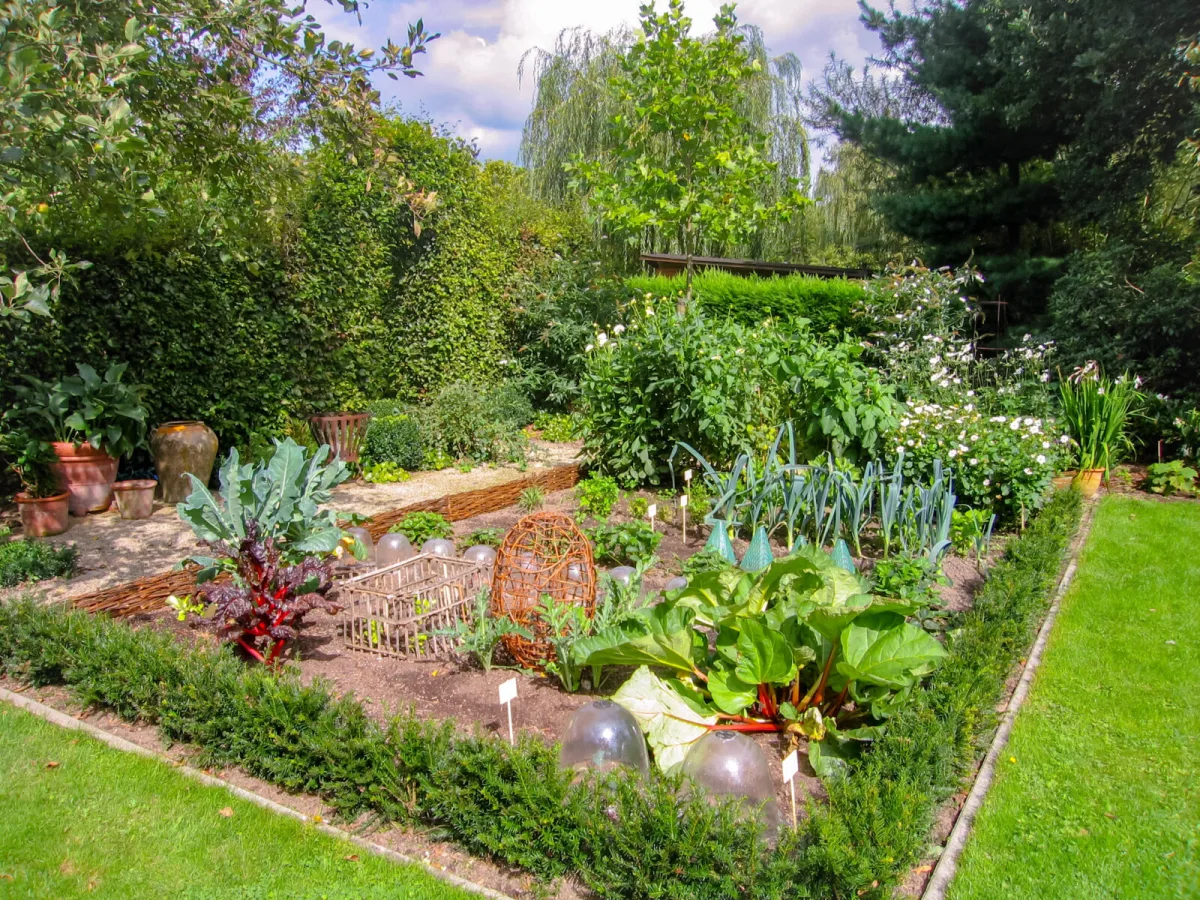
Growing plants that benefit one another is often called mixed planting or companion planting. It’s a simple principle: certain species, when grown close together, can support each other’s growth, health, and yields. Sometimes the benefit is one-way, sometimes it works both ways. In practice, it can mean fewer pests, better pollination, smarter use of space, and often a steadier harvest without the need for aggressive interventions.
It’s worth bearing in mind that some recommendations come from long-standing gardening experience. Even so, many combinations make perfect sense “logically”: aromatic plants mask the scent of host crops, flowers draw in pollinators and natural predators of pests, legumes improve the soil’s nitrogen balance, and tall crops create a kinder microclimate for more sensitive neighbors.
Before you start mixing crops, get the basics right
Start by sorting out the site, soil, and watering. Companion planting isn’t magic that will rescue tomatoes grown in shade or lettuce in a parched bed. Crop rotation is also crucial: don’t plant the same crops in the same place year after year, because disease and pest pressure builds up and nutrients get depleted in a one-sided way.
For spacing, follow a simple rule: plant as close as possible, but without breaking each plant’s basic space requirements. If the recommendations differ, choose a sensible compromise. Mixed beds work best when plants aren’t competing for light, yet still “touch” each other with their influence—through scent, shade, or the root zone.
Proven vegetable pairs and trios
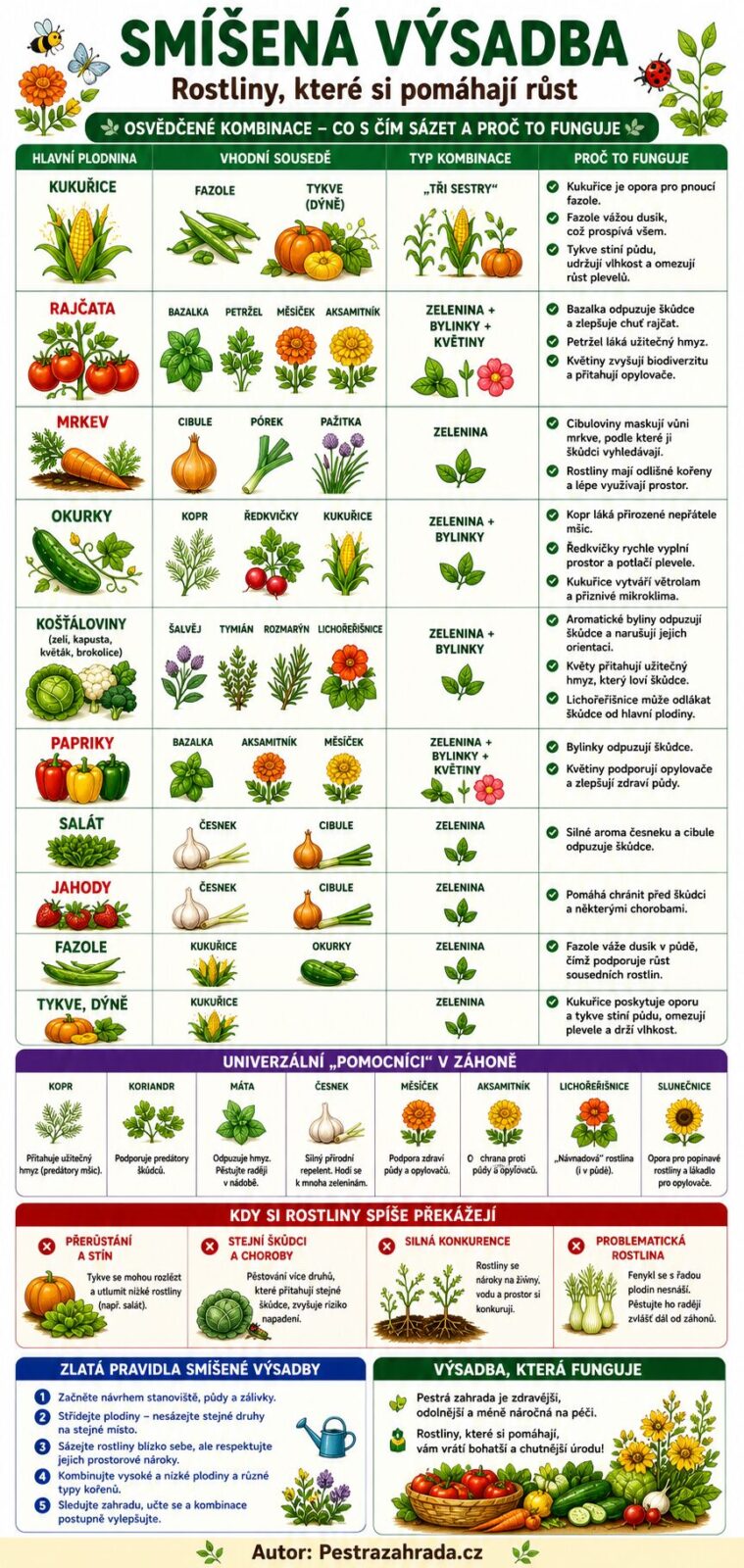
The Three Sisters: corn, beans, and squash
A classic combination that shows exactly why companion planting works. Corn provides sturdy support for climbing beans. Beans, as a legume, improve nitrogen availability in the soil, benefiting the whole group. Squash or pumpkins shade the soil with their large leaves, helping retain moisture and suppress weeds. Together, the system is more resilient than any one crop grown on its own.
Tomatoes and basil as garden “mates”
Tomatoes benefit from aromatic herbs nearby. Basil is often cited as one of the best companions, because its strong scent can confuse certain pests while also boosting biodiversity in the planting. It’s also practical: it likes the same warmth and sun as tomatoes and doesn’t take up much space. Parsley is another common addition, as it can attract beneficial insects.
Carrots and alliums
Carrots are traditionally paired with onions, leeks, or chives. These plants can help mask the scent pests use to locate their host. It’s also a space-efficient combination: carrots root deeply, while alliums have a different root pattern and above-ground growth, so they compete less.
Cucumbers with dill, radishes, and possibly corn
Cucumbers do well with plants that support beneficial insects or help reduce pest pressure. Dill is popular because it attracts natural enemies of aphids. Radishes are often used as a quick catch crop to fill space before cucumbers spread. In some gardens, corn can act as a windbreak and improve the microclimate, but you do need to watch that it doesn’t steal too much light from the cucumbers.
Brassicas and aromatic herbs
Cabbage, kale, cauliflower, and broccoli are often troubled by typical brassica pests. That’s why herbs such as sage, thyme, rosemary, and also nasturtium are frequently planted alongside them. Herbs increase the “scent noise” and can make it harder for pests to find their host plants. On top of that, the flowers of some plants attract aphid predators and other beneficial insects.
Herbs that help many crops
If you don’t have a large garden, herbs are the easiest way to bring companion planting into play. Many act as natural repellents; others are magnets for pollinators and pest predators. The key is to let some herbs flower, because the blooms are the main nectar source.
Garlic and other alliums fit well among lettuces, with strawberries, or alongside some brassicas, because their aroma is strong in a bed. Mint can deter some insects, but it must be kept in check—ideally in a container sunk into the soil. Dill and coriander are valued for encouraging beneficial insects. Thyme, sage, and rosemary are useful around crops you want to protect from repeated pest attacks.
Flowers as protectors and pollinator magnets
Flowers in a vegetable garden aren’t just decoration. They can significantly increase pollinator numbers, which shows up in the yield of flowering crops such as cucumbers, squash, beans, or strawberries. At the same time, some blooms attract beneficial insects that hunt aphids and other pests.
Calendula and French marigolds are especially popular and are often planted among tomatoes, peppers, and brassicas. Nasturtium is also used as a “trap” plant to draw some pests away from the main crop. Sunflowers can serve as support for climbers and attract pollinators too—you just need to manage their shade.
When plants get in each other’s way
Not every neighborhood is a win. Problems arise mainly when plants compete directly: they have similar demands for nutrients, water, and space, or one quickly outgrows the other and steals the light. A typical example is a vigorous squash sprawling into low lettuce and smothering it in a short time.
Another risk is sharing the same diseases and pests. If you grow multiple crops that attract the same pests, you increase the chance that trouble will take off across the bed. That’s why it makes sense to distribute brassicas thoughtfully around the garden rather than growing them in one large, continuous block. Fennel is also often mentioned as a plant that doesn’t get along with many crops and is usually best given its own spot away from vegetable beds.
How to put it into practice in a single bed
Start with a small change you can easily evaluate. For example, add calendula or French marigolds to your tomatoes, plant basil between peppers, or tuck a row of onions alongside carrots. The aim is a diverse but sustainable community, not a chaotic mix. Watch where aphids gather, where caterpillars are a problem, and where you’re seeing ladybirds or hoverflies instead.
The most reliable companion planting is the kind that respects light, water, and space. Only then do the “bonuses” kick in—pest deterrence and better pollination.
Once you see certain combinations working, you can build on them: let some herbs flower, scatter flowers along bed edges, and pair tall and low crops so they create a favorable microclimate for each other. The result is usually a healthier garden that does more of the work on its own and needs fewer interventions.
Source: Almanac, The Spruce, original text, Pestrazahrada.cz
Related articles
The Christmas Amaryllis That Can Bloom for Years but Most People Throw It Away After Flowering
Hippeastrum is a spectacular winter-blooming bulb that, with the right care, will flower again year after year. Learn how to plant it correctly, look after it after flowering, and bring it into dormancy so it reliably reblooms.
How to Grow Winter Garlic for a Much Bigger Harvest
Autumn planting is the key to strong, healthy winter garlic, but the details make all the difference. With the right timing, bed choice, seed-clove treatment and a simple bicarbonate trick, you can noticeably boost yield.
A tree or shrub planted properly in autumn can outpace spring stock and improve fruiting
Many fruit trees and soft-fruit shrubs establish better when planted in autumn, because roots keep growing while the top is dormant. Done well, this head start means stronger spring growth, less watering, and a healthier first year.
Comments (0)
Be the first to comment.