
 English
  Polski
  Deutsch
  Nederlands
  Svenska
  Norsk
Norsk  Dansk
Dansk  Français
  Italiano
  Español
  Português
  Slovenčina
  Suomi
Suomi  Gaeilge
 The Healthiest Fruit for Your Garden Aronia Will Thrive Reliably at Home
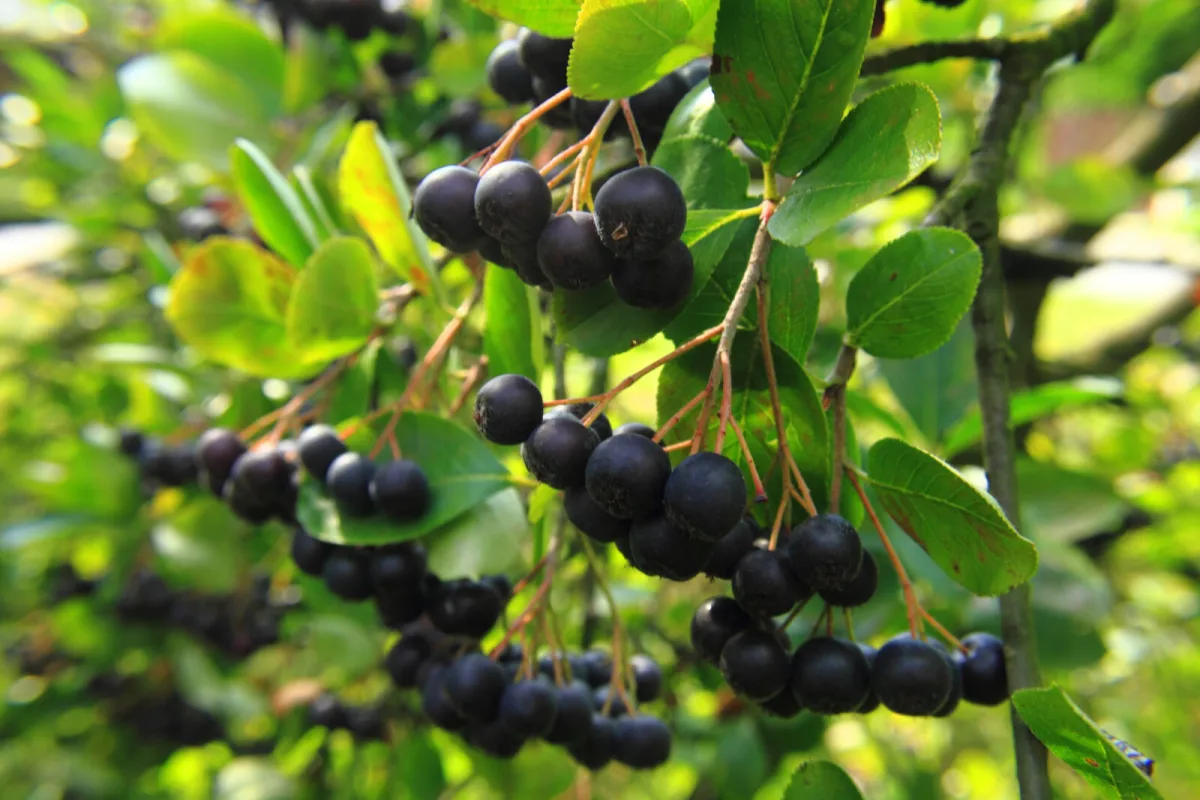
If you’re looking for genuinely nutritious fruit and a plant that doesn’t demand complicated care, aronia (black chokeberry, Latin Aronia melanocarpa) is one of the most rewarding choices you can make. In recent years it has gained attention as a “superfruit” thanks to its high levels of naturally occurring antioxidants, but it’s also a shrub that tolerates weather swings, a range of soils, and tends to be reliable even for beginners.
Aronia is also an ornamental beauty: it flowers heavily in spring, carries dark fruit in summer, and in autumn the leaves turn vivid reds and oranges. With one shrub you get both a harvest and a decorative feature across several seasons.
Why aronia is considered exceptionally healthy fruit
Aronia berries are small, dark, and full-flavoured. They often finish with a more astringent note, which is natural and linked to their polyphenol content. These compounds, including anthocyanins (the pigments that give the berries their deep colour), are commonly associated with antioxidant protection of cells and supporting overall balance in the body.
From a nutritional perspective, aronia provides fibre as well as vitamin C and other micronutrients. A practical advantage is that the berries process and store well, so you can enjoy them beyond the season.
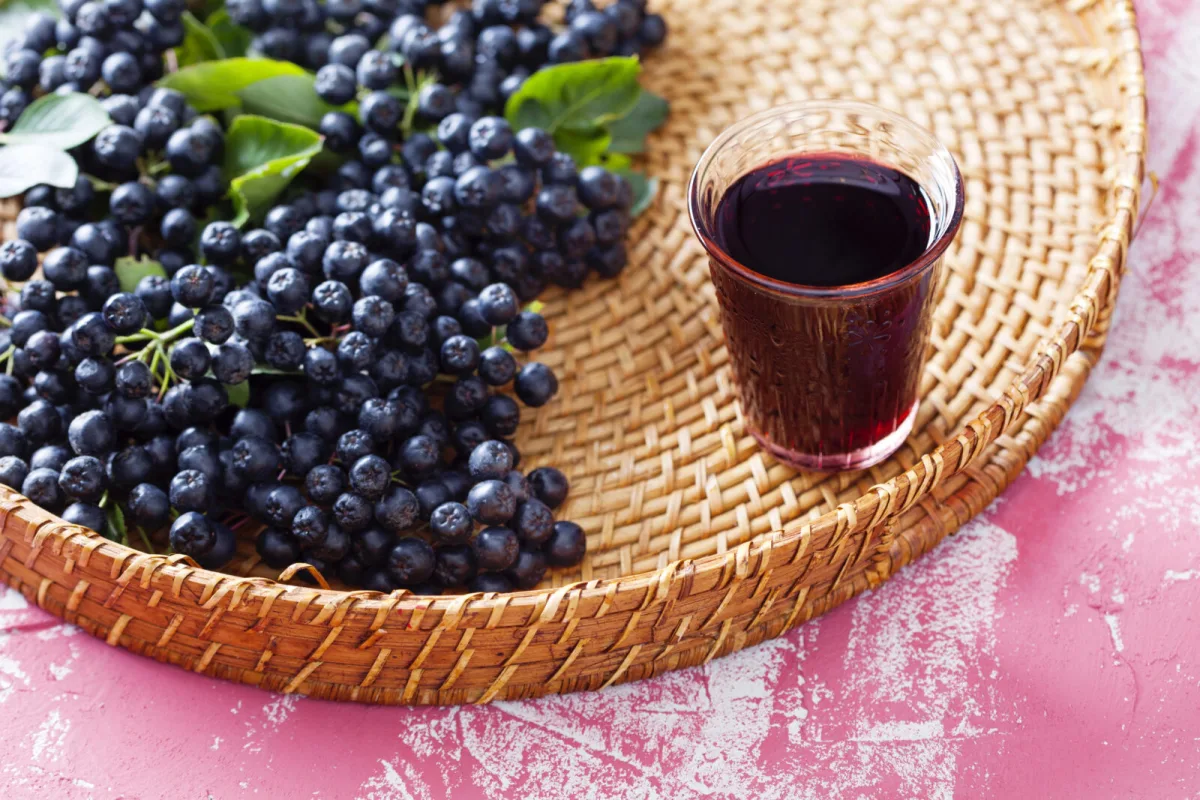
Aronia is typical in that it’s not usually eaten “by the handful” like sweet fruit, but it works brilliantly as an ingredient in juices, jams, purées, syrups, or blended with other fruits.
Aronia growing basics that decide the harvest
When to plant
Spring or autumn is best, when temperatures aren’t extreme and the soil holds natural moisture. Autumn planting has the advantage that the shrub can root in before winter and takes off faster in spring.
Where aronia grows best
Aronia will cope with partial shade or full sun, but if you want maximum blossom and fruit, give it as much light as possible. Ideally choose a spot with at least a few hours of direct sun each day. In shade it tends to stretch its shoots more and fruiting is usually weaker.
What soil is ideal and what aronia will tolerate
It performs best in slightly acidic, moisture-retentive yet well-drained soil. At the same time, it’s known for its tolerance: it can handle heavier clays, sandier soils, and often does well where other fruit shrubs struggle. That makes it a great fit for gardens with changeable conditions or for spots that stay wetter for longer after rain.
Planting step by step so the shrub establishes quickly
When planting, take care with site preparation. Dig a hole several times wider than the root ball and loosen the soil to depth. Work in well-rotted compost to improve structure and help retain moisture. If a container-grown plant is “root-bound,” gently tease the root ball so the roots can grow out into the surrounding soil more easily.
Set the shrub so the top of the root ball sits level with the surrounding ground. Backfill, firm lightly, and water thoroughly. In the first few weeks after planting, regular watering is crucial, even though aronia is drought-tolerant later on. It’s also worth mulching the soil surface, because mulch suppresses weeds and reduces moisture swings.
Care through the year: minimal work, maximum return
Watering
Keep young shrubs evenly moist so they establish well. For mature plants, ordinary watering during prolonged dry spells is enough. If your goal is a heavy crop, it pays to water more in hot periods, because steady moisture supports fruit set and ripening.
Feeding and fertilising
Aronia usually doesn’t need intensive feeding. A thin layer of compost around the shrub in spring is often sufficient. If you want to add fertiliser, choose a balanced, slow-release option so the plant doesn’t put on lush growth at the expense of fruit.
Pruning and rejuvenation
Aronia fruits on older wood, so the goal isn’t to cut it back hard every year. A light shaping prune and removal of dead or damaged branches is best, most often in late winter or after flowering. The shrub can also produce basal suckers, which you can remove as needed if you don’t want it to spread.
On older plants, it helps every few years to open up the centre by selecting some of the oldest stems and cutting them out at ground level. The plant then regrows better and yields more consistently.
Diseases and pests
One of aronia’s biggest advantages is that it tends to have few problems. Aphids or other common garden issues may appear now and then, but it’s rarely anything serious. Good airflow through the shrub, sensible watering, and avoiding overfeeding with nitrogen are usually the best prevention.
Harvest and kitchen uses so you’ll actually enjoy it
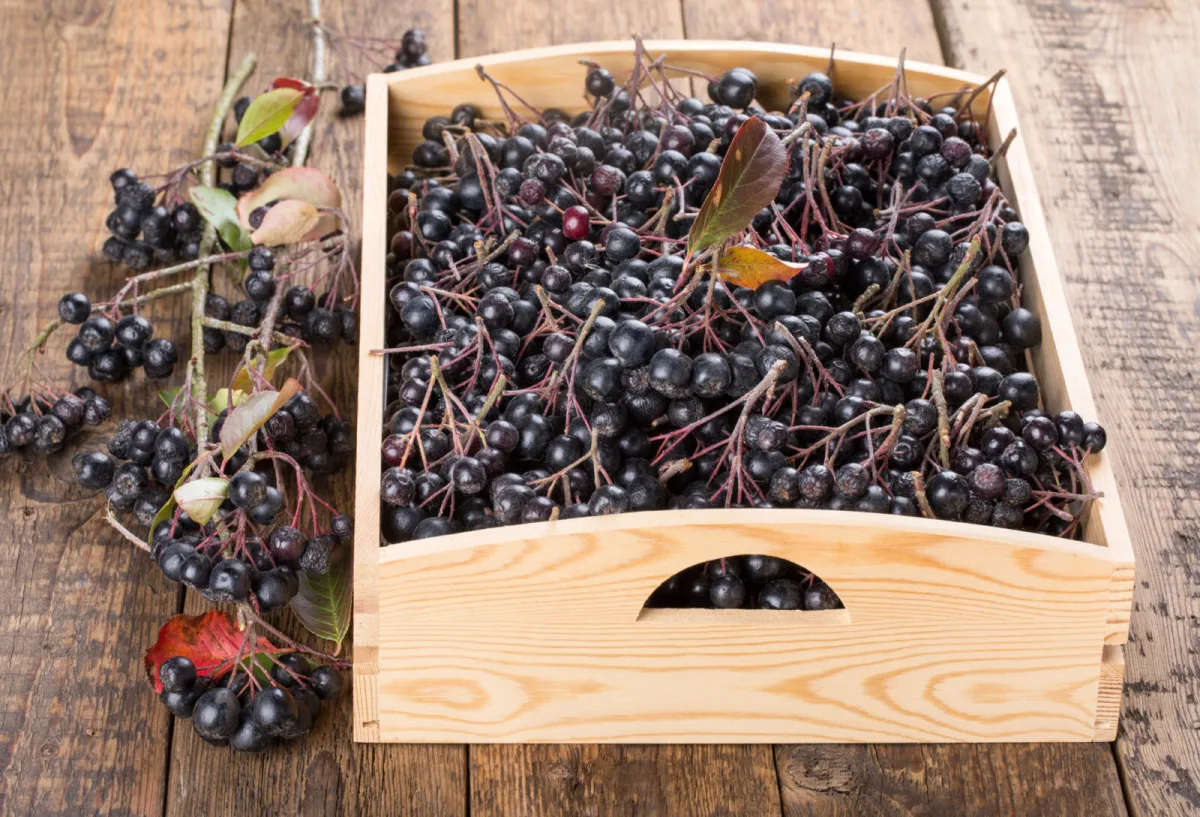
The berries ripen from late summer into autumn. If they seem too tart, try waiting for full ripeness or combining them with sweeter fruit. Aronia is excellent in juices and smoothies, homemade jams and jellies, syrups, tea blends, and baking. It also freezes very well, so you can easily store part of the crop for winter.
A practical tip: if you process aronia into a purée and add apples or pears, you’ll get a naturally sweeter flavour while keeping a high share of valuable plant compounds.
Where to place aronia in the garden so it’s both beautiful and useful
Aronia works well as an edible shrub in the productive part of the garden, but it also fits into ornamental plantings. You can use it as a hedge, as a specimen shrub in a border, or in mixed planting with other shrubs that have interesting autumn colour. Thanks to its tolerance of damper spots, it’s also useful where other crops struggle, for example at the lower end of a plot or near downpipes where water tends to collect.
The most common growing mistakes and how to avoid them
Most problems come down to three things: too much shade, which reduces flowering and yield; not enough water in the first year after planting; and overly hard pruning. Give aronia light, a calm start with regular watering, and only sensible thinning, and it will reward you with steady growth and a reliable crop every year.
Conclusion: healthy fruit that even a beginner can manage
Aronia brings together what gardeners most often want: it’s tough, undemanding, and produces fruit that ranks among the most nutritionally interesting of all berries. If you want to grow the “healthiest fruit” at home without fussy cultivation, aronia is a sure bet. Provide a suitable site, a good start after planting, and basic upkeep, and your shrub will fruit dependably year after year.
Source: Garden Design, Healthline , Pestrazahrada.cz
Related articles
The Christmas Amaryllis That Can Bloom for Years but Most People Throw It Away After Flowering
Hippeastrum is a spectacular winter-blooming bulb that, with the right care, will flower again year after year. Learn how to plant it correctly, look after it after flowering, and bring it into dormancy so it reliably reblooms.
How to Grow Winter Garlic for a Much Bigger Harvest
Autumn planting is the key to strong, healthy winter garlic, but the details make all the difference. With the right timing, bed choice, seed-clove treatment and a simple bicarbonate trick, you can noticeably boost yield.
A tree or shrub planted properly in autumn can outpace spring stock and improve fruiting
Many fruit trees and soft-fruit shrubs establish better when planted in autumn, because roots keep growing while the top is dormant. Done well, this head start means stronger spring growth, less watering, and a healthier first year.
Comments (0)
Be the first to comment.