
 English
  Polski
  Deutsch
  Nederlands
  Svenska
  Norsk
Norsk  Dansk
Dansk  Français
  Italiano
  Español
  Português
  Slovenčina
  Suomi
Suomi  Gaeilge
 A Simple Trick That Helps Raspberries Fruit More and Deters Pests

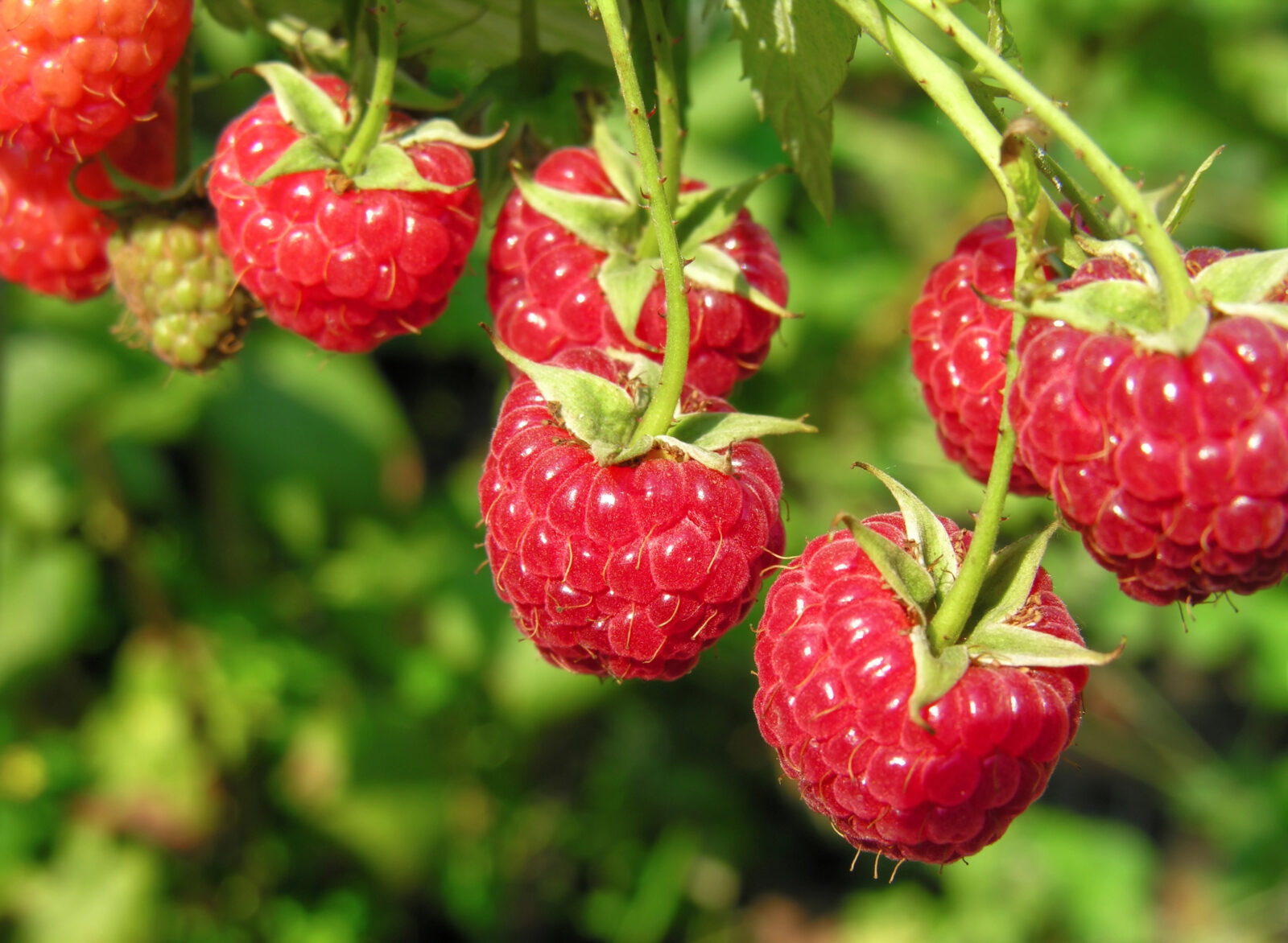
Are you growing raspberries and feel your canes could crop more heavily? One simple way to naturally support their growth is to use coffee grounds. It’s an easy-to-come-by material that can act in the garden as a mild fertiliser, a compost booster and part of a mulch. When used properly, it can improve soil conditions and encourage fruiting, without reaching for harsh chemicals.
Key benefits of coffee grounds for raspberries
Improving soil and topping up nutrients
Coffee grounds help improve soil structure and, over time, enrich it with important elements plants need. Raspberries particularly benefit from the added nutrition along with support for soil life. The soil can become looser, manage moisture better and stay more fertile in the long run.
Better water management
Raspberries like soil that stays slightly moist while still draining well. Grounds can help retain moisture around the roots, which is especially useful in warmer periods. That said, they won’t replace watering; they simply help keep conditions more stable.
Reducing certain pests
Another bonus is that coffee grounds can have a mildly repellent effect around plants for some unwanted visitors. Gardeners often use them as a small aid against aphids or slugs. It’s not a miracle barrier, but as part of overall care it can add to your raspberry protection.
How to use grounds so they’re genuinely helpful
Light feeding around the canes
The simplest method is to sprinkle a thin layer of grounds around raspberries in the root zone. The key is not to overdo it, because too much can gradually push the soil reaction towards acidity and harm the plants. It’s better to add small amounts repeatedly than to create a thick, continuous layer.
Mulching mixed with other organic matter
Coffee grounds work well as part of a mulch when mixed, for example, with straw or dry leaves. This combination helps hold moisture, suppresses weeds and gradually breaks down to feed the soil. The mix is also useful because grounds on their own can dry into a denser crust.
Adding to the compost heap
Grounds are also excellent in compost, where they add nitrogen and support the breakdown of organic material. If you compost, this is one of the safest ways to deliver their benefits to plants gradually and in a balanced way.
Additional steps that boost yields alongside grounds
Regular pruning for health and more fruit
Raspberries need thinning and tidying through the season. Removing dry or diseased canes improves airflow and lets more light into the plant, which often results in better fruit set and lower disease pressure.
Watering, especially in dry spells
Without water, a bigger harvest won’t happen. During dry weather, regular watering is crucial for plump, juicy raspberries and for a strong root system. Ideally, water so moisture reaches the roots, but the soil doesn’t stay permanently waterlogged.
Choosing the right variety
The variety you grow also makes a big difference. Some are more resistant to diseases and pests and cope better with specific soil and climate conditions. The right choice will save you work and increase the chance of a reliable harvest.
Practical takeaway
Coffee grounds are a simple helper that can improve soil for raspberries, support moisture retention and partly discourage certain pests, as long as you use them sparingly and sensibly.
When you combine grounds with sensible pruning, regular watering and a suitable variety, you can expect a noticeably heavier crop. The raspberries often end up not only more plentiful, but also tastier thanks to the improved overall condition of the plants.
Source: Gardenia, Gardener’s World, Pestrazahrada.cz

A lover of nature, gardens, and everything that moves, blooms, or grows. He literally grows everything, from herbs to rare species, and he enjoys caring for animals just as much. In his work, he connects modern technology with tried-and-tested grandmotherly methods and is happy when both paths lead to the same goal.
Related articles
Why the Tree That Feeds a Family for Generations Is Disappearing from Czech Gardens
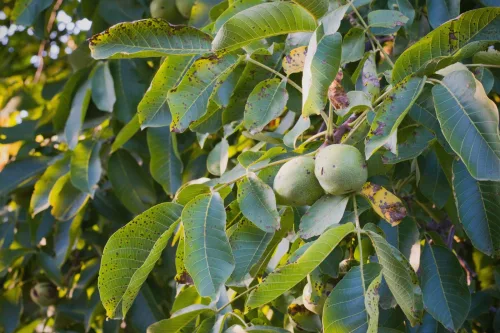
The English walnut used to be a staple of larger gardens and farmyards, valued for its nutritious nuts and many practical uses. With the right site and variety, it remains one of the most rewarding long-lived trees you can plant.

How to Get Rid of Mice and Rats in the House, Loft and Garden Effectively
Mice and rats don’t leave quietly—scratching sounds, droppings and gnaw marks are clear warnings. A lasting solution comes down to three steps: block entry points, remove food sources, then use traps or professional control.
Two Mistakes When Harvesting Onions Can Cut Your Supply by Months
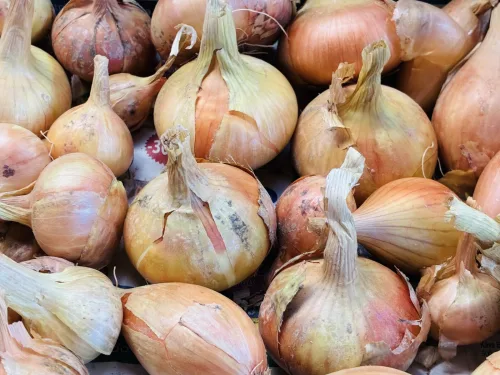
With good growing and the right handling, onions can turn into a near year-round pantry staple. These simple harvest and curing steps determine whether they keep for weeks or for months.
Comments (0)
Be the first to comment.