
 English
  Polski
  Deutsch
  Nederlands
  Svenska
  Norsk
Norsk  Dansk
Dansk  Français
  Italiano
  Español
  Português
  Slovenčina
  Suomi
Suomi  Gaeilge
 A Simple Kitchen Trick Can Turn a Fading Orchid Into a Plant Covered in Blooms
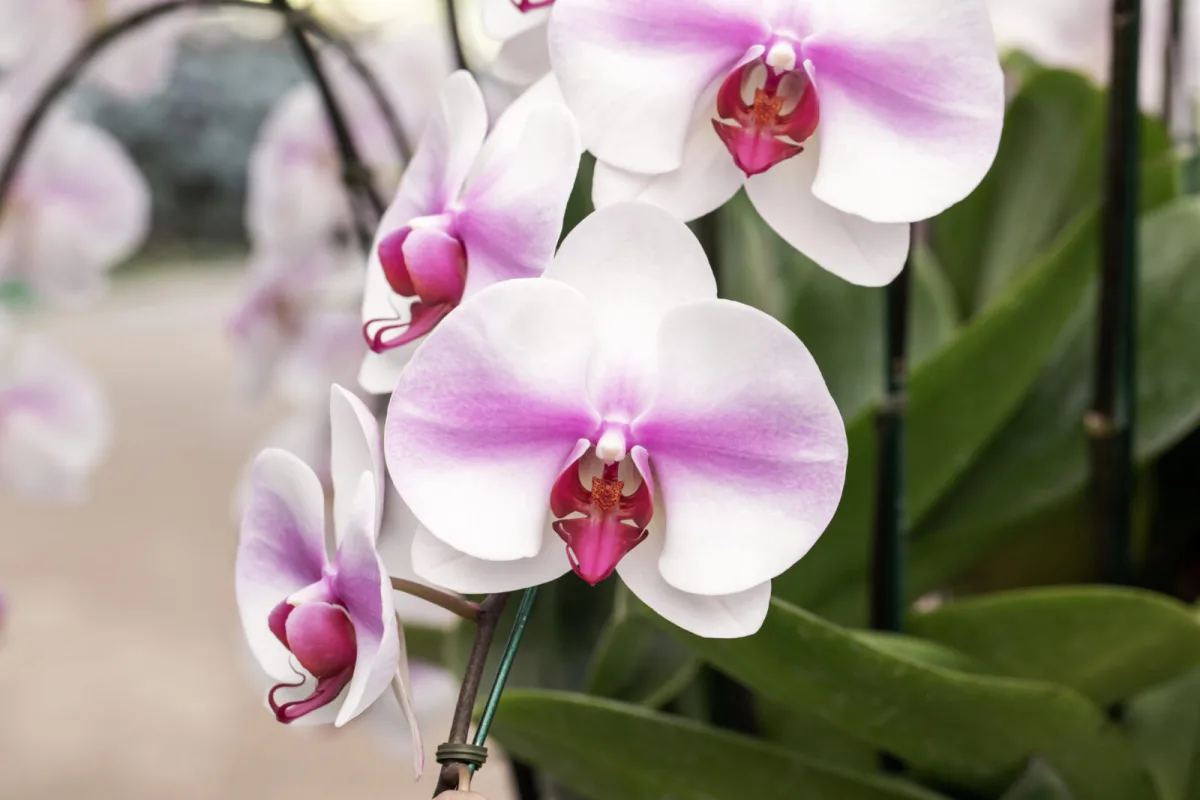
Orchids are among the most striking houseplants, but they can also test a grower’s patience. Common issues include weak or irregular flowering, slow growth, and roots that lose their vigor. Many people reach for expensive shop-bought products, even though it’s often unnecessary. In the kitchen, you can usually find ingredients that work as a simple, inexpensive, and gentle top-up feed. The combination of potato peels and ground coffee can supply nutrients orchids need to build roots, leaves, and flowers.
Why potato peels and coffee
Potato peels are a natural source of minerals, especially potassium and magnesium, and they also contain other trace elements. These substances support the plant’s vitality and help the root system strengthen and work more efficiently. With orchids, a healthy root system is crucial, because it reflects the plant’s overall condition and its ability to produce flower spikes.
Ground coffee or used coffee grounds bring mainly nitrogen into the mix, which is important for leafy growth. As a result, leaves can be firmer, more richly coloured, and the plant has more energy for the next growth stage. Coffee can also slightly improve the structure of the growing medium by helping it stay airy, which orchid roots appreciate.
Together, they create a natural feed that, used sensibly, can replace part of your usual fertilising while keeping both your budget and your home happy.
Recipe for a homemade feeding solution
What you’ll need
You’ll want peels from two to three potatoes, ideally untreated or organic. Next, two tablespoons of ground coffee, or used grounds from filter coffee. You’ll also need one litre of water.
How to prepare the solution
Put the potato peels into a saucepan, cover with one litre of water, and simmer for about ten minutes. Then let the liquid cool completely and strain it so no solid pieces remain. Stir the ground coffee or used grounds into the cooled infusion and mix thoroughly. Your basic solution is now ready to use.
How to use it properly so it benefits orchids
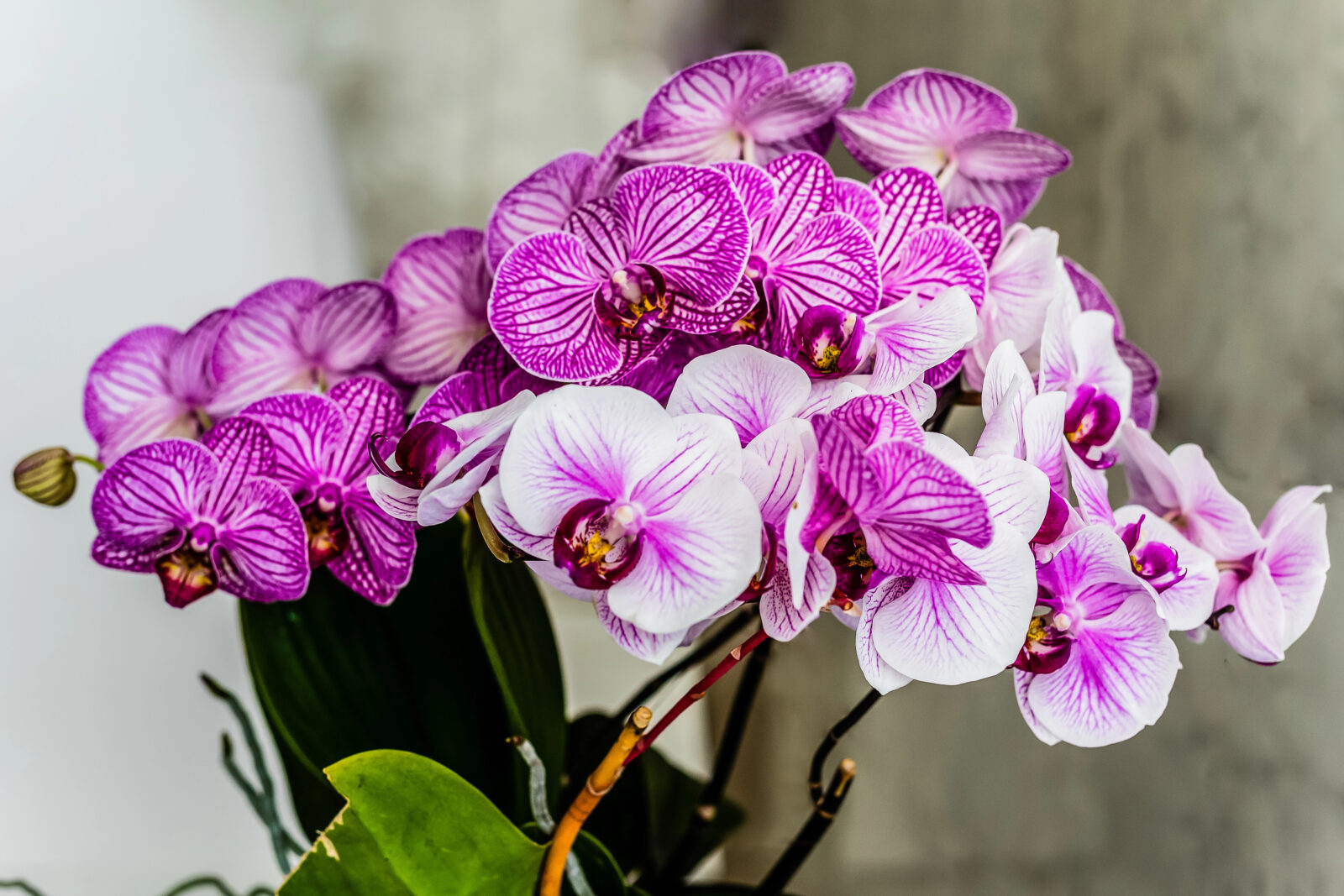
Use the solution about once every two to three weeks. Always apply it to the roots, not to the leaves or flowers, to avoid unnecessary staining or irritation. A good practice is to lightly water the plant with clean water before feeding; this helps the roots take up nutrients more gradually and gently. With orchids, less is generally more, so it pays to stick to the recommended frequency and not overdo the strength.
What changes you may notice
With regular, restrained use, you may see faster root growth and the development of new, sturdy root tips. A good supply of potassium and nitrogen can support the formation of flower spikes and buds, so the orchid may bloom more often and look fresher for longer. In some plants, leaf appearance improves too, with firmer, deep-green foliage. The natural compounds in these ingredients may also contribute to the plant’s overall resilience, helping it cope better with stress and making it less prone to the problems that often come with weakness.
Storing the solution and one last practical tip
If you make a larger batch, you can keep the solution in the fridge, but for no longer than three days. Stir it again before each use, as the ingredients can settle. This simple homemade feed can be a helpful boost for orchids all year round, especially if you want to give your plants something extra without unnecessary chemicals and without high costs.
Source: Gardener’s World, The Spruce, To je nápad, Pestrazahrada.cz

A lover of nature, gardens, and everything that moves, blooms, or grows. He literally grows everything, from herbs to rare species, and he enjoys caring for animals just as much. In his work, he connects modern technology with tried-and-tested grandmotherly methods and is happy when both paths lead to the same goal.
Related articles
Next year you can harvest better if you don’t sow carrots where they won’t thrive
Carrot root fly can ruin carrots, parsley and celery from the inside out, often without obvious warning until harvest. Better site choice, rotation, later sowing and simple physical barriers can dramatically cut damage next season.

How to Propagate Roses from Cuttings at Home and Fill Your Garden with Blooms Almost for Free
Want more roses without paying for new plants? With a few healthy cuttings and a simple plastic-bottle mini greenhouse, you can root new bushes at home in just a few weeks.
Heathers can cope where other plants won’t, but one soil detail decides everything
Heathers and heaths are tough evergreen shrubs that can flower across the seasons when you choose the right types. Success hinges on matching the plant to your soil pH and ensuring free drainage.
Comments (0)
Be the first to comment.